
Reviewed · GION GEISHA QUARTER WALKS
Gion Walking Tour, Geisha Show and Japanese Game in Kyoto
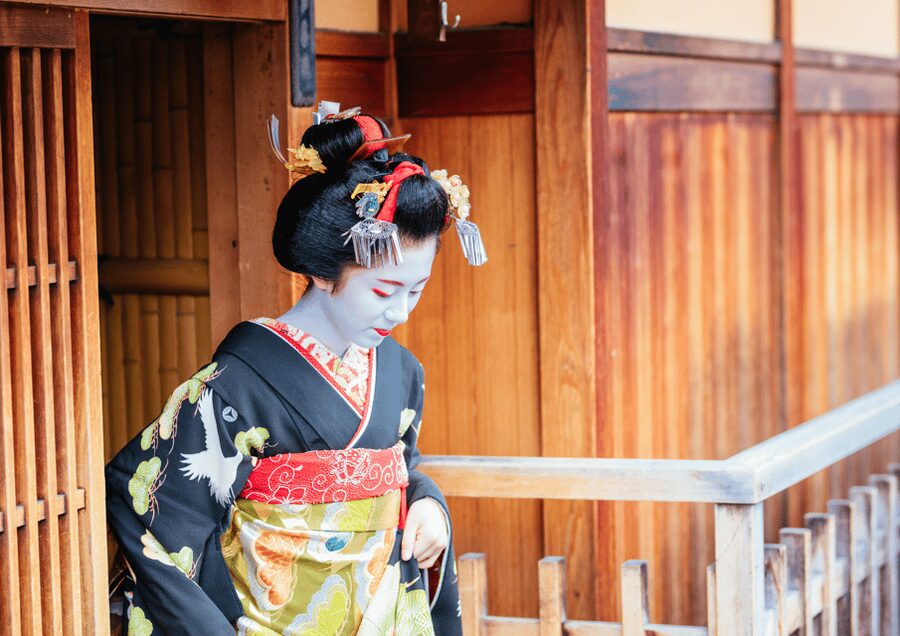
Gion feels real after this tour. I like the small-group pace and the chance to chat with a maiko up close. One thing to consider is that the route can include brief stops at designated shops.
In two hours, you get more than a look at Gion. The first hour is a guided wander through the district’s main area, with context that helps you spot what you would otherwise miss. The second hour is the main event, a maiko apprentice dance performance followed by time for questions.
Then you try something hands-on, a traditional Japanese fan game with the maiko apprentice. You also get tea and a Japanese snack, so the whole experience feels built for enjoying the moment, not sprinting between sights. The guide meets you at the Izumo-no-Okuni Statue above Gion Shijo Station, holding a white board that says GuideMe Japan.
In This Review
- Key highlights at a glance
- Izumo-no-Okuni statue to Gion Shijo, the smart place to begin
- The first hour in Gion: walking, spotting details, learning the code
- The maiko apprentice show: watch, ask, and understand what you are seeing
- Playing the traditional fan game with the maiko apprentice
- Small group of 6: why it changes everything in Gion
- Price and value: what $108 buys in 2 hours
- Who this tour suits best in Kyoto
- Things to consider before you book, including shop stops
- Final call: should you book this Gion tour?
- FAQ
- FAQ
- How long is the Gion Walking Tour, Geisha Show and Japanese Game in Kyoto?
- Where is the meeting point?
- What happens during the first hour?
- What happens during the second hour?
- What is included in the tour price?
- Is there a fan game included, and when do you play?
- What language is the tour guide?
- How big is the group?
- Is food included during the tour?
- What is the cancellation policy?
Key highlights at a glance
- Izumo-no-Okuni Statue start, easy to find above Gion Shijo Station
- A 1-hour Gion walking segment that teaches you what you are actually looking at
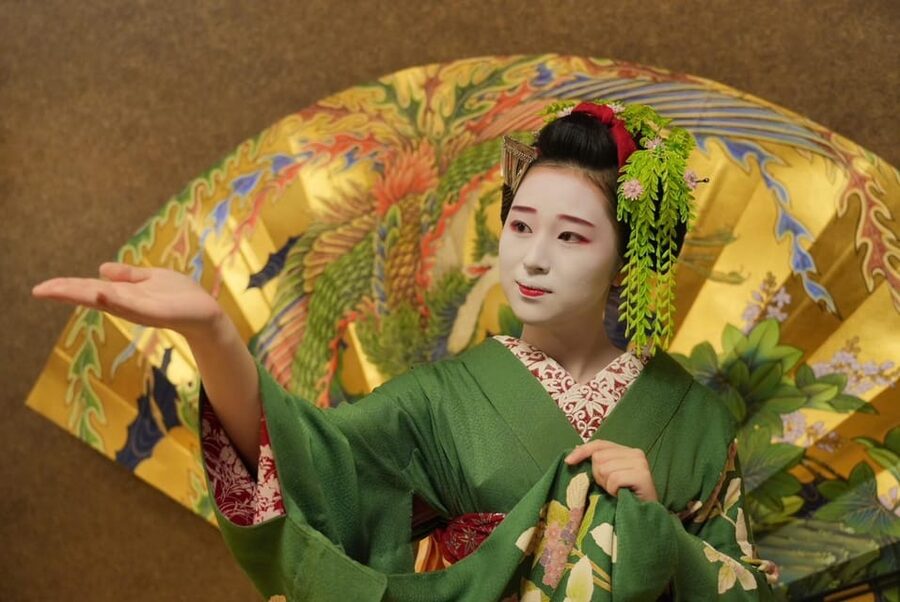
- Maiko apprentice dance show, with a Q and A that goes beyond basics
- Tea and Japanese snack included before or during the show time
- Traditional fan game played with the maiko apprentice
- Small group limit of 6, so questions and photos tend to feel more personal
Izumo-no-Okuni statue to Gion Shijo, the smart place to begin
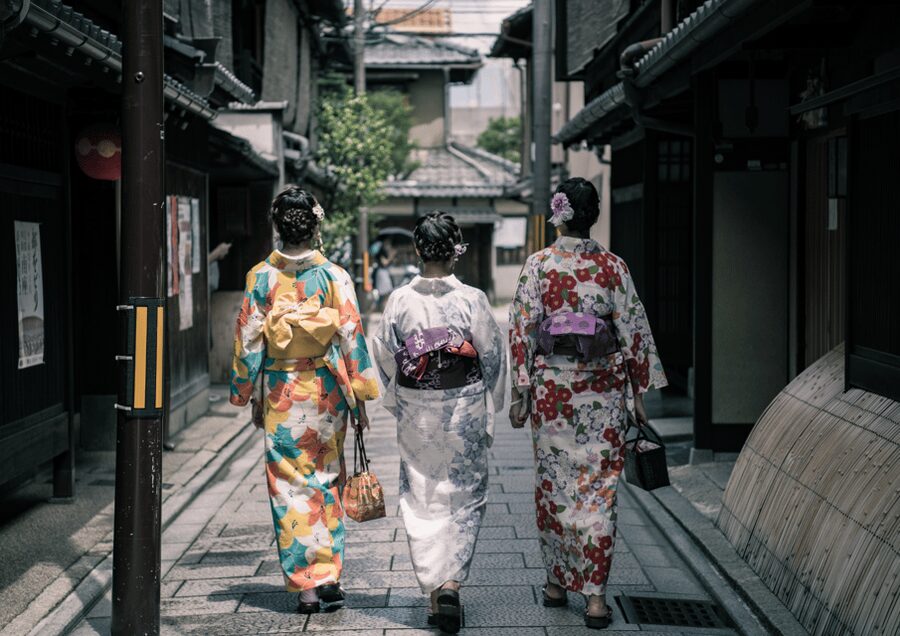
If you have only a small slice of time in Kyoto, starting in Gion makes sense. Gion is one of those districts where the streets look like they belong in a movie, but the details matter. This tour begins at the Izumo-no-Okuni Statue, right above Gion Shijo Station, so you are placed right where your feet will do the exploring.
Why I like this start: it gives you a clear geographic anchor before you go deeper into alleyways and side lanes. It also sets the tone for etiquette and respect, because you are walking in an active, lived-in entertainment district rather than a fenced museum. The meeting point is straightforward too, the guide is holding a white board that says GuideMe Japan, which helps when your Japanese is still in recovery mode.
From early on, you will likely get a quick orientation on what Gion is, who the performers are, and why things like location, timing, and dress can matter. In other words, you start with context, not just cameras.
The first hour in Gion: walking, spotting details, learning the code
The first hour is a guided walk through Gion’s main area, with historical insight. This is not just a slow stroll. It is the kind of tour where the guide points out what the district is known for, and why certain streets and storefronts exist where they do.
In feedback from past participants, a common theme is that guides helped people see places they would not have found through their own research. People also specifically praised the way guides explain the significance behind small details, like local souvenirs and items you see in shops. One review described how a guide explained the meaning of products sold in the district, not only as tourist keepsakes, but as items that have personal value to locals.
You should expect a pace that works for questions. That matters in Gion. If you only walk on your own, you might miss the layers, and the district can feel like a collection of pretty streets. With a guide, you learn how to read the signals: what you are seeing, why it exists, and how geiko and maiko traditions fit into daily life.
One practical note: Gion is a popular area. Even with a main-area focus, your best experience comes when you are willing to slow down. Stop when your guide says to. Look where they point. The best moments here tend to be the small ones, not the obvious ones.
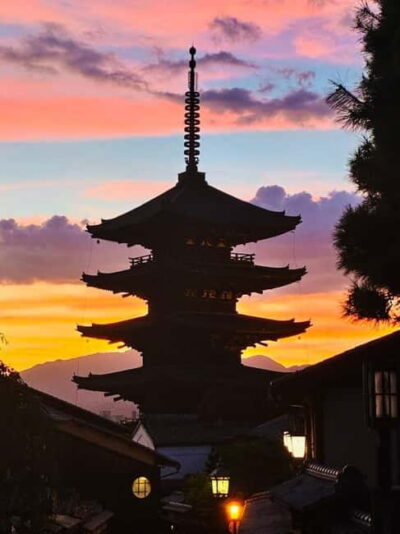
Lantern-lit streets of the geisha quarter
- Kyoto Geisha Walking Tour: Gion District & Hidden Gems
★ 4.7 · 3,273 reviews - Kyoto: Gion Magical Night Walking Tour with Geisha Trivia
★ 4.9 · 2,393 reviews - Kyoto: Gion Geisha District Walking Tour – Stories of Geisha
★ 4.7 · 2,187 reviews - Best of Kyoto: Gion, Geisha, Pagodas & Cobblestones
★ 4.9 · 2,058 reviews
The maiko apprentice show: watch, ask, and understand what you are seeing
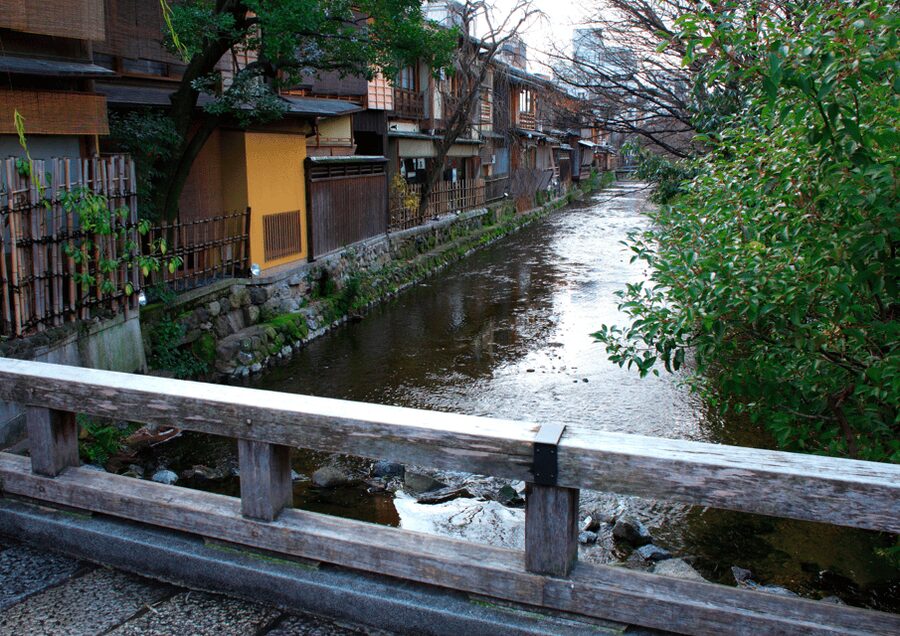
The second hour is the heart of the tour: a maiko apprentice show. You will watch the performance and then get time to ask about her current life.
This is where the experience tends to convert people from curious to genuinely impressed. Multiple reviews highlighted how elegant and memorable the dancing felt, especially from up close. One person said the maiko’s answers and presence turned the moment into a real connection, not just a show.
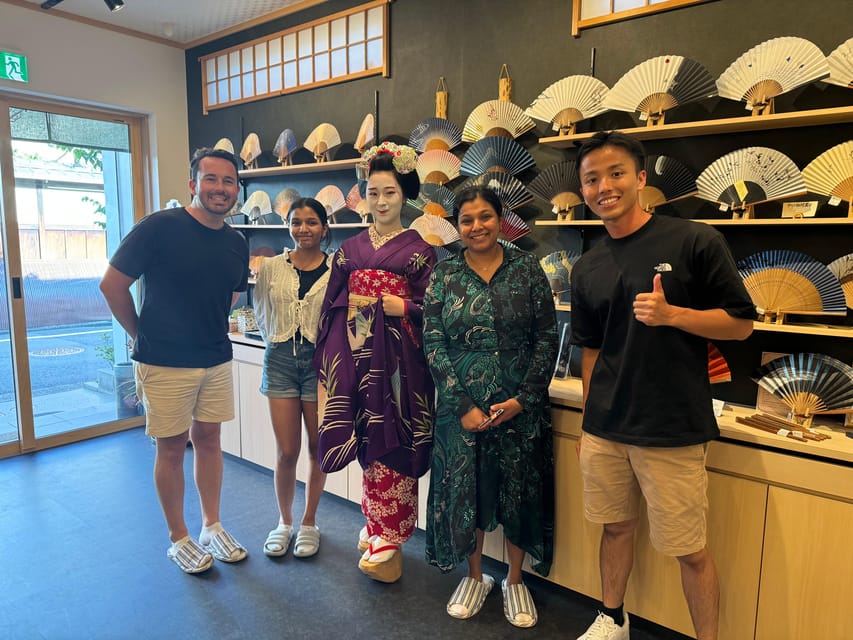
The tour also includes tea and a Japanese snack during this phase. In one detailed account, participants described sitting on pillows in a separate room inside a fan shop setting, then enjoying candy and tea while watching the dance. That kind of atmosphere can make the show feel more intimate, less like a scheduled performance in a distant hall.
Q and A is the part I think you should lean into. The maiko apprentice can explain what the training means day to day, and how the craft shows up in life right now. Reviews mention that guides translated patiently, helping conversations flow comfortably even when English was the only language. If you are shy, you will still benefit, because the guide can help you frame questions in a respectful way.
Also watch for etiquette cues. Several reviews praised guides for advising when it is appropriate to take pictures. That kind of guidance is not a minor detail in Gion. It helps protect the mood of the moment and keeps the experience respectful for the performer.
Playing the traditional fan game with the maiko apprentice
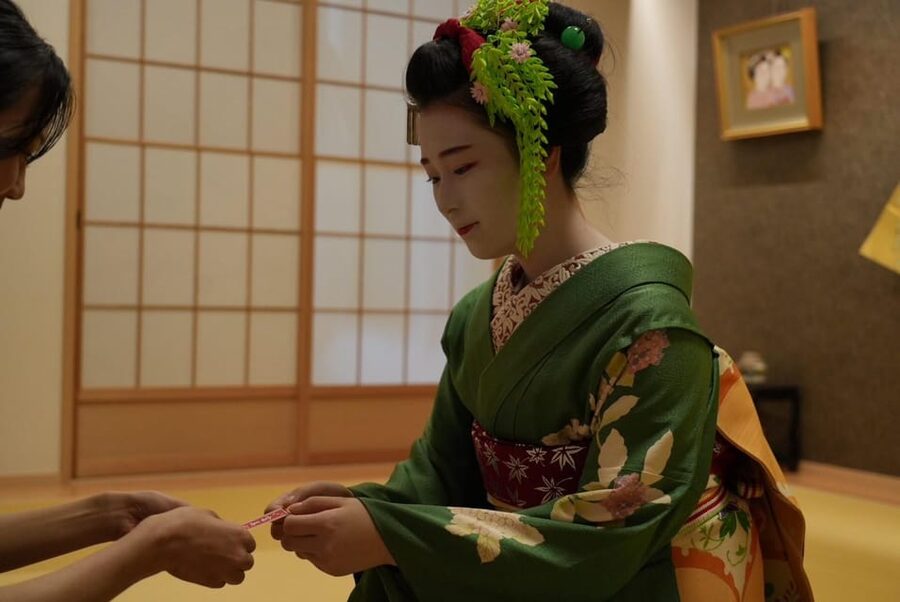
After the dance and Q and A, you get to play a traditional Japanese fan game with the maiko apprentice. This is the part that makes the tour feel different from the typical see-and-leave sightseeing.
The idea is simple: you are not just watching culture, you are doing a small piece of it. You will use a fan in a game format, guided by the maiko and supported by your guide’s translation. Reviews describe the fun factor clearly, even for people who did not score well. That is kind of the point. You try, you laugh, and you share a moment with someone who is actually doing the art.
For me, the value of this step is that it creates a memory tied to your own effort, not only a photo. And with a group limited to 6, the interaction tends to feel manageable rather than rushed.
If you want a souvenir, you may even leave with a signed fan, since one review specifically mentioned a signed premium fan as a keepsake. That is not something I would assume for every booking, but it does show up in the accounts of real participants.
Small group of 6: why it changes everything in Gion
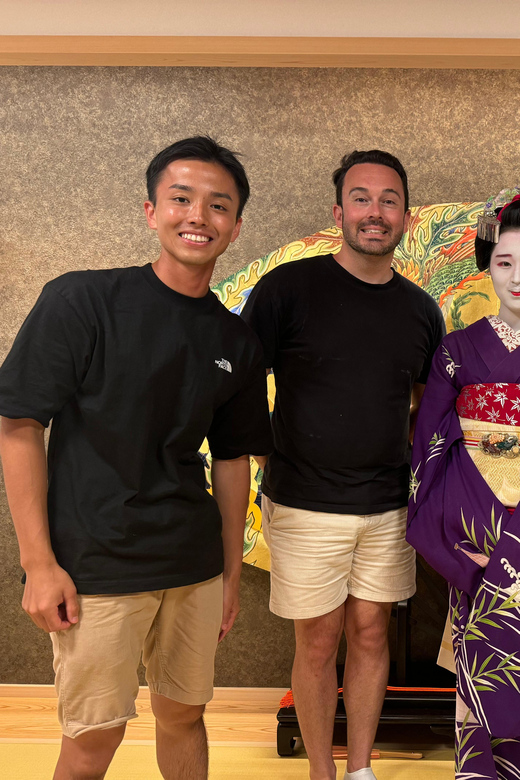
This tour limits the group size to a maximum of 6 participants. That one detail affects the whole vibe.
First, it helps you ask better questions. When the group is small, you are more likely to get time to follow up, ask something personal about training, or clarify etiquette. Reviews repeatedly praised guides for letting conversation feel comfortable, with good translation and patience.
Second, it makes the walking more human. Gion can get crowded near the big streets. A small group helps your guide navigate the flow of pedestrians so you still get variety, including quieter side lanes. One participant said their guide took them across the alleyways and explained history while also pointing out when taking photos was okay.
Third, it makes the maiko interaction feel less like a performance line. In multiple reviews, the vibe is described as intimate and special, especially for families and couples. For instance, one review mentioned a family with a tween and teen enjoying the show and game together, with the guide supporting the experience.
If you dislike tours where you are herded, this small-group structure is a major selling point.
Price and value: what $108 buys in 2 hours
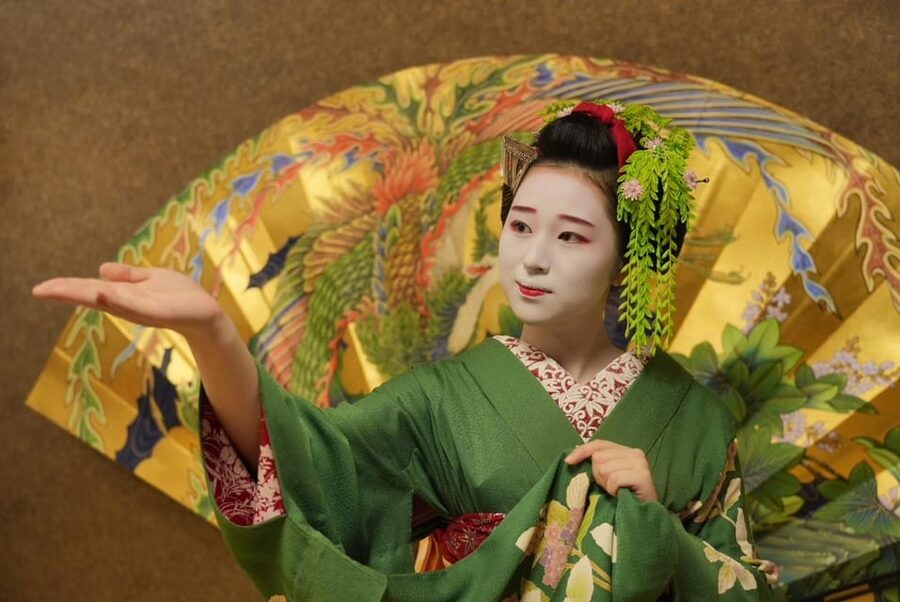
At $108 per person, this is not the cheapest thing you can do in Kyoto. But it is also not just a general walking tour price stapled to a show.
You are paying for a full package in about two hours:
- a 1-hour guided walk in Gion with historical context
- a maiko apprentice dance show
- tea and a Japanese snack
- time for Q and A
- a traditional fan game played with the maiko apprentice
- live English guidance, with guides praised for translation and patience
That bundle matters. If you try to DIY the same day, you would spend time and effort finding the right show setup, and you still might not get the interactive Q and A component. Here, the experience is structured so you have direct access to explanation, not just observation.
So the value question becomes: are you the type who wants depth and interaction? If yes, the price looks more reasonable. If you are only after a quick photo stop, you might feel the cost more than the value.
A quieter way to spend a day in Kyoto
Who this tour suits best in Kyoto
This experience is a strong fit if you enjoy Japanese arts, cultural traditions, and explanations that connect what you see to why it matters.
It also fits:
- Couples who want a memorable Kyoto evening, including honeymoon travelers
- Families who want something interactive and understandable for different ages, since at least one family reported great enjoyment for teens and a tween
- People who want something more intimate than the large-group versions of Gion tours
It may not be ideal if you want a totally self-directed wander with no structured activity. Also, one review flagged that the tour included pit stops at designated shops that were not everyone’s favorite part. If you prefer to skip shopping entirely, mentally prepare for short pauses.
Things to consider before you book, including shop stops
Let me flag the only consistent friction point I saw: brief stops at designated shops. One participant explicitly said they loved everything except the shop stops.
That does not mean the tour is built around shopping. But it does mean you should expect that at least some time can be spent inside or near retail areas, likely to support the setting where the show and tea happen. If shopping is not your thing, be ready to treat these pauses as part of the overall schedule.
Another small consideration: you are in a district where etiquette and timing matter. Your best experience comes when you follow your guide’s cues, especially around photos.
Finally, two hours goes fast. If you want lingering alone time, this is not that. This is a focused cultural encounter. Plan your evening to have energy left afterward.
Final call: should you book this Gion tour?
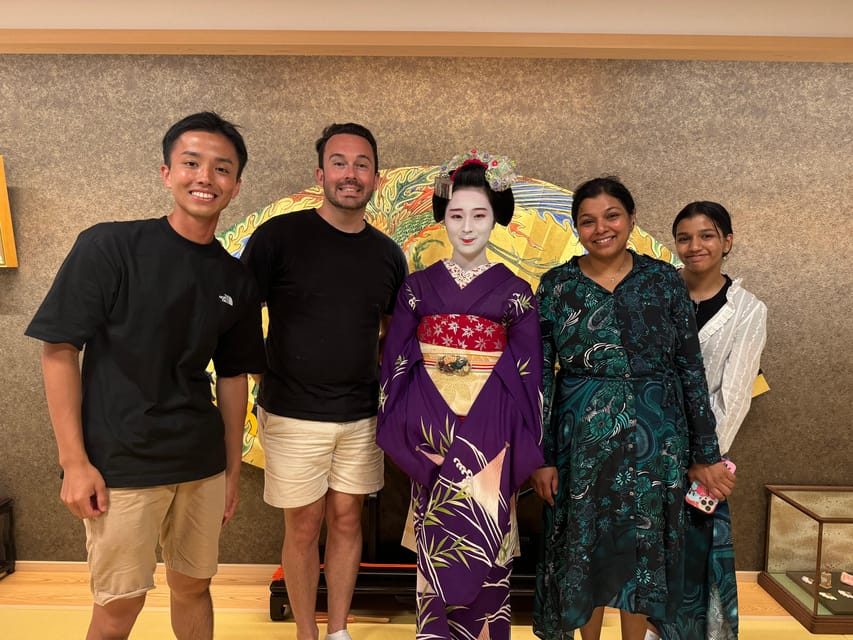
I would book it if you want more than a photo walk in Gion. The combination of a guided Gion stroll, a maiko apprentice dance show with Q and A, tea and snack, and a traditional fan game is the kind of structured cultural interaction that is hard to replicate on your own.
Choose it especially if you value:
- a small-group experience limited to 6
- English guidance that helps you ask questions comfortably
- a hands-on activity, not only watching
Skip it if you are strongly anti-shopping or you are hoping for a fully free, self-paced evening. If you are okay with a little shop time for the larger cultural payoff, this tour is one of the most direct ways to understand the craft and traditions of Gion.
FAQ
FAQ
How long is the Gion Walking Tour, Geisha Show and Japanese Game in Kyoto?
The tour lasts 2 hours total.
Where is the meeting point?
You meet at the Izumo-no-Okuni Statue, right above Gion Shijo Station. The guide will be holding a white board that says GuideMe Japan.
What happens during the first hour?
You take a 1-hour guided walking tour around the main area of Gion with historical insight.
What happens during the second hour?
You attend a maiko, Geisha Apprentice show for 1 hour. You watch the dance and have time to ask questions about her current life.
What is included in the tour price?
Tea and a Japanese snack are included, along with the 1-hour walking tour, the 1-hour show, and the traditional Japanese fan game with the Geisha Apprentice.
Is there a fan game included, and when do you play?
Yes. The tour includes a traditional Japanese fan game with the Geisha Apprentice after the dance show.
What language is the tour guide?
The tour guide provides a live English experience.
How big is the group?
The group is small, limited to up to 6 participants.
Is food included during the tour?
Food beyond the tea and Japanese snack is not included, so you may need to budget for additional meals separately.
What is the cancellation policy?
Free cancellation is available up to 24 hours in advance for a full refund.
More Walking Tours in Kyoto

New This Season
- Koyasan Day Trip by Private Car from Kyoto
- Old Port Town and Ultimate Sake Tasting Private Tour From Kyoto
- Kyoto’s Timeless Charm: 3hr Exploration of History and Peace
- Kyoto: 5 Types of Sushi Making
- Sacred Peak & Ancient Paths: Kurama-Kibune Hiking Experience
- Kyoto: Exclusive ZEN practice at Manpukuji temple in Uji
- Kyoto: Private Seasonal Aroma Yoga Class
- Traversing Kyoto’s Scenic West – Arashiyama to Kinkakuji
Gion Geisha Quarter Walks, compared.
Kyoto Geisha Walking Tour: Gion District & Hidden Gems
Read our review →
Gion Magical Night Walking Tour with Geisha Trivia
Read our review →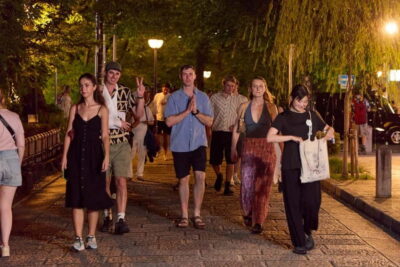
Gion Geisha District Walking Tour – Stories of Geisha
Read our review →
Best of Kyoto: Gion, Geisha, Pagodas & Cobblestones
Read our review →

Kyoto Night Foodie Tour in Gion (9+ dishes + 6 Sake tastings)
Read our review →
Kyoto Gion Geisha District Walking Tour – The Stories of Geisha
Read our review →
Kyoto Gion: 2-Hour Geisha Culture & History Walking Tour
Read our review →Also filed under