
Reviewed · ARTISAN CRAFT WORKSHOPS
Ikebana Floral Design Workshop in Kyoto
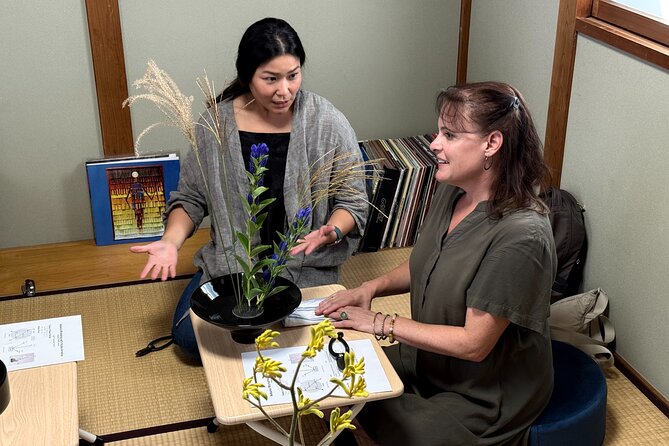
Kyoto flowers, no experience needed, 90 minutes. In a calm studio run by HanaYou, you’ll learn ikebana the classic way, with guidance from Ryoko Arnwine, and you’ll leave with a fresh arrangement you can take back to your hotel. It’s hands-on, quiet, and built for people who have never touched a pair of scissors in a flower class.
I especially love how beginner-friendly this is. You get all the materials, plus a photo setup, so you’re not scrambling for basics while everyone else already knows what they’re doing. And you’re not just making something pretty, you’re learning the logic behind the placement.
One thing to plan for: the studio is on the second floor, and you’ll need to walk up stairs. If you’re tired from Kyoto walking, give yourself a little buffer.
In This Review
- Key highlights to know before you go
- Inside HanaYou’s Kyoto Studio, Where Ikebana Feels Calm and Doable
- The 90-Minute Flow, and What You’ll Actually Be Doing
- Ryoko Arnwine’s Approach: Balance, Harmony, and the Meaning Behind Placement
- Materials, Photo Corner, and Taking Your Arrangement Back to Kyoto Life
- Tea, Sweet, and the Ritual That Makes the Workshop Feel Like Kyoto
- Group Size and Language Options, So You Don’t Get Lost
- Price and Value: What You’re Paying for at $97.73
- Getting There at Kawaramachi Marutamachi, and the Second-Floor Stairs
- Who Should Book This Ikebana Workshop in Kyoto
- Should You Book HanaYou’s Ikebana Workshop?
- FAQ
- How long is the Ikebana Floral Design Workshop?
- Do I need prior experience in ikebana?
- What language is the instruction provided in?
- What do I get to take home?
- Is there a place to take photos of my arrangement?
- Are refreshments included?
- Are tools provided for me to keep?
- How large is the group?
- Is the studio easy to access?
- What is the cancellation policy?
Key highlights to know before you go
- Beginner-proof instruction with no prior experience required
- Founder-led class guided by HanaYou’s Ryoko Arnwine
- Fresh seasonal flowers to take home after the workshop
- Photo corner setup so you can capture your arrangement
- Traditional tea and a seasonal sweet included to slow the pace
- Small group size (max 4) for a more personal feel
Inside HanaYou’s Kyoto Studio, Where Ikebana Feels Calm and Doable
Kyoto can be intense in the best way, but sometimes you need a different kind of sightseeing. This workshop is more like an intentional pause. You’ll go to HanaYou’s ikebana floral design studio, step into a quieter corner of Kyoto, and spend about 90 minutes focusing on one small, meaningful task: building an arrangement with purpose.
What makes it work, even if you’re new, is that the class starts from the basics. You’re not expected to arrive with technique, terminology, or a Pinterest-ready plan. You’ll get taught what you need, when you need it. That matters because ikebana can sound intimidating from the outside, but once you’re holding materials, it becomes surprisingly manageable.
I also like that the workshop is designed to end with something tangible. You don’t just watch. You make, you adjust, and you finish with fresh seasonal flowers you can bring back to where you’re staying.
The 90-Minute Flow, and What You’ll Actually Be Doing
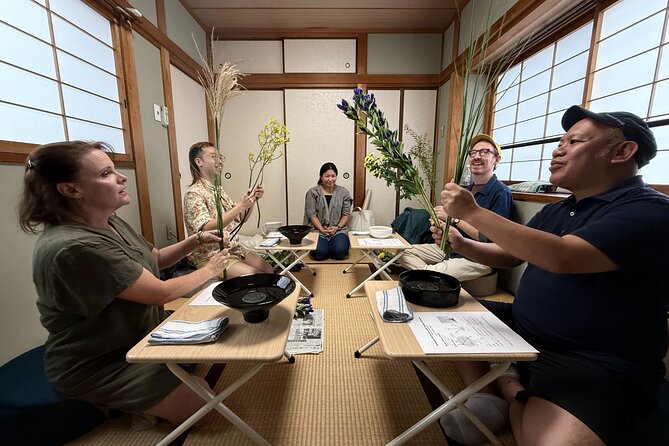
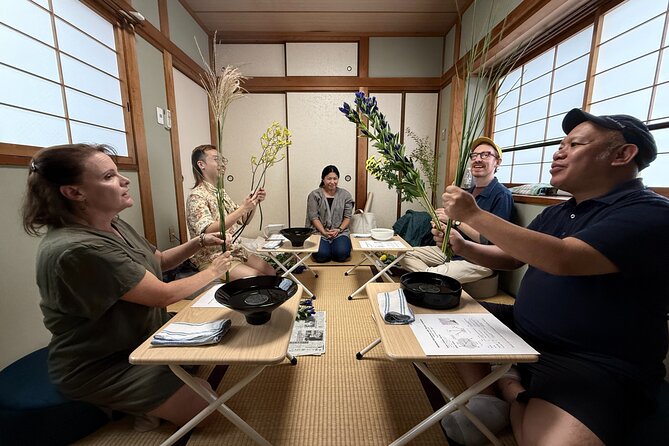
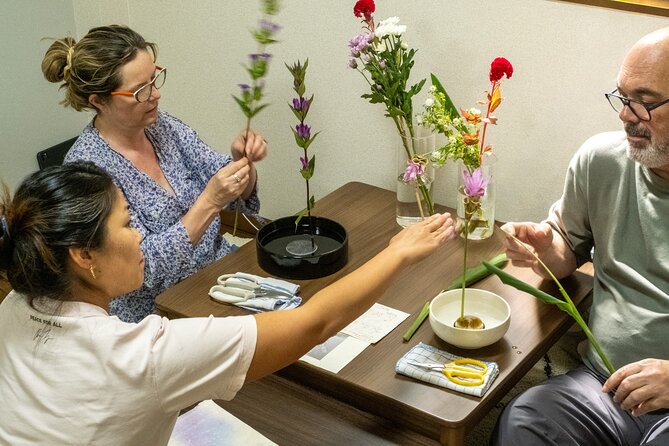
Your session is hands-on, focused, and paced to keep you from feeling lost. Expect instruction, then guided steps as you build your arrangement. The class uses studio equipment like a vase, scissors, and pins for use during the session, and you’ll follow along while creating your own design.
A big practical win: you’re not stuck figuring out how to prep materials. They provide the flowers and tools needed for the lesson. That means your brain can stay on the art choices rather than the logistics. And because the workshop lasts about 1 hour 30 minutes, it’s long enough to learn and finish, but short enough to fit into a normal Kyoto day.
You also get light refreshments, including traditional tea and a seasonal sweet. This is not just a snack. It signals that you’re supposed to slow down, focus, and enjoy the process. It’s the kind of small rhythm that makes the class feel more Japanese than just another activity.
Make something with a Kyoto craftsman
- Authentic knife making experience at a blacksmith in Kyoto
★ 4.8 · 350 reviews - Kyoto: Calligraphy class at Buddhist temple in city center
★ 5.0 · 167 reviews - Roketsu dyeing experience: M course Roketsu Dyeing Experience
★ 5.0 · 163 reviews - Kyoto: Japanese Calligraphy Class
★ 4.8 · 89 reviews
Ryoko Arnwine’s Approach: Balance, Harmony, and the Meaning Behind Placement
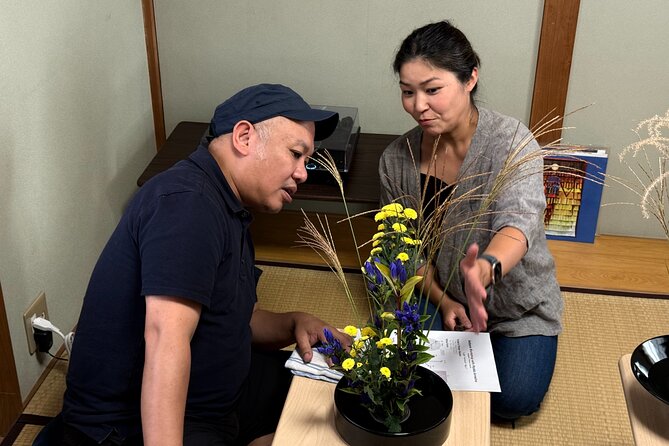
The standout element here is the instruction itself. Ryoko Arnwine is the founder, and the class is guided directly by her. That matters because you’re not getting a generic overview or a quick demonstration. You’re learning from someone who runs the studio day to day.
From what I’ve heard about the experience, you’ll talk about ideas like balance and harmony, and how placement communicates meaning. Even if you never call it by those names, you’ll feel the difference in the way the stems are positioned. You’ll learn that ikebana isn’t just stuffing flowers into a vase. It’s about structure and intent.
One review-worthy point that translates to your experience: the guidance is described as patient, and the instructor explains things in a way that helps beginners build confidence. That’s exactly what you want when you’re trying something new and you don’t want perfection pressure.
Materials, Photo Corner, and Taking Your Arrangement Back to Kyoto Life
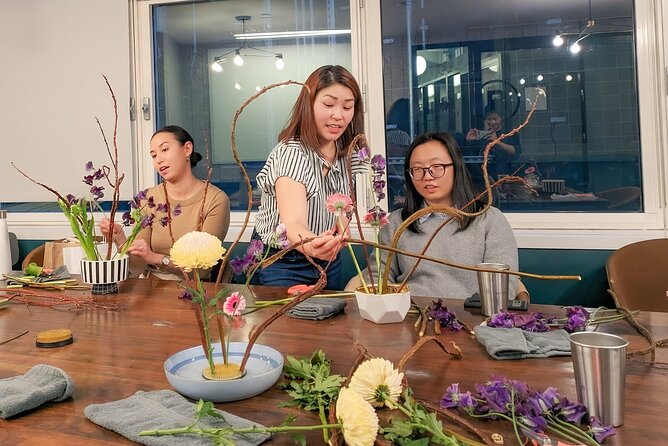
You’ll create with real seasonal flowers. That’s one of the best parts, because the finished arrangement becomes more than a souvenir. It’s something you can enjoy at home, with the benefit of fresh flowers being genuinely beautiful in a way that photos cannot fully capture.
The workshop includes a photo corner, set up so you can take pictures of what you made. That’s a small detail, but it’s a big value add. Instead of trying to find a clean wall in a busy studio, you’ll have a designated spot designed for photographing arrangements.
You’ll also take the flowers with you. The class includes fresh flowers to take back to your hotel, not just to admire for a few minutes. A simple practical tip: plan how you’ll transport the arrangement. Bring a sturdy bag, and be ready to keep it upright on the walk or transit back.
Another practical detail: the studio tools are for in-class use only. Your vase, scissors, pins, and similar items used during the lesson are not meant to be taken home. That’s normal for workshops, but it’s good to know so you don’t expect to leave with any equipment.
Tea, Sweet, and the Ritual That Makes the Workshop Feel Like Kyoto
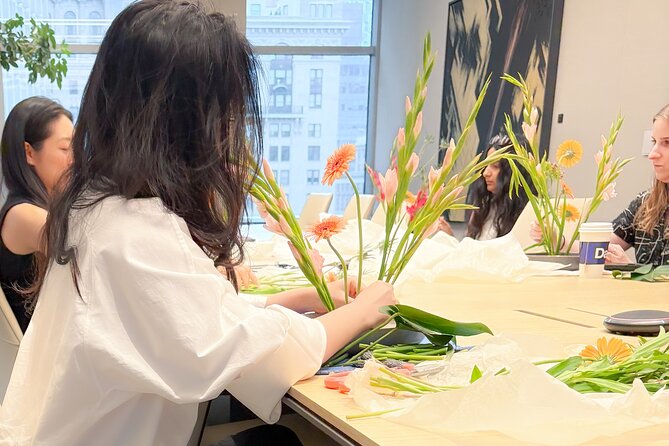
In Kyoto, food often comes with context. Here, the included refreshments are traditional Japanese tea and a seasonal sweet. That turns the class into more than a craft session. It becomes a small ritual inside a studio setting.
The tea break (even if it’s brief) gives your hands a rest and helps you slow your thinking. And when you’re focused on balance and harmony, slowing down is part of the learning. You’re not rushing to finish just to get out the door.
If you like experiences where you’re doing something with your hands but still want it to feel culturally grounded, this part lands well. It reinforces the idea that ikebana is as much about attention as it is about flowers.
Group Size and Language Options, So You Don’t Get Lost
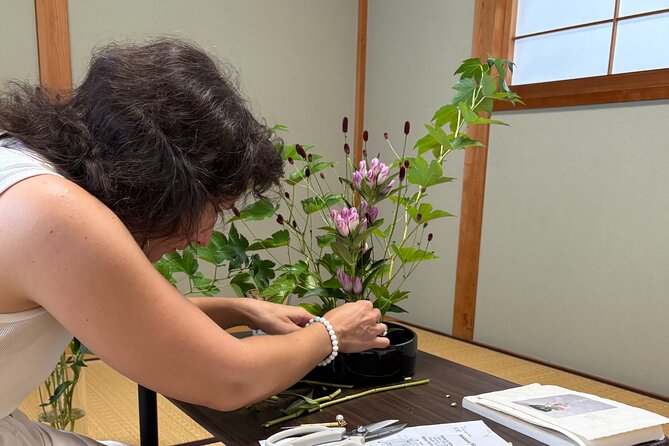
This activity caps at 4 travelers. For Kyoto workshops, that small group size changes the feel. You’re more likely to get individual adjustments instead of only watching from the sidelines. It also makes it easier to ask questions if you’re unsure about a step.
You can also choose guidance in English or Japanese based on your preference. That matters more than it sounds. When you’re learning placement and structure, clarity is everything. If you’re comfortable in Japanese, you can go that route. If English is what you want for accuracy, you can keep the learning smooth.
The workshop is also described as suitable for most travelers, and it’s designed for people with no prior experience. So if you’re on your first Japan trip, or you’re new to Japanese arts and crafts, this is still a reasonable place to start.
A quieter way to spend a day in Kyoto

Price and Value: What You’re Paying for at $97.73
At $97.73 per person, you’re paying for three main things: instruction from Ryoko Arnwine, hands-on materials that include fresh seasonal flowers, and the studio experience setup. You’re also getting tea and a seasonal sweet, plus the photo corner.
When you evaluate value, compare it to alternatives. If you were to buy flowers and try to learn from online instructions, you’d still need tools, you’d still need guidance, and you would not get the same feedback on balance and harmony. Here, you’re paying for a structured learning moment with a real instructor, plus the materials that help you finish.
The price also makes more sense because you leave with something you can enjoy later. A workshop that gives you a finished arrangement to take home tends to feel like more of an experience purchase than a class you only remember vaguely.
Finally, note that booking tends to happen about 46 days in advance on average. Kyoto activities are popular, especially smaller ones like this. If you want a specific day, don’t wait until the last week to decide.
Getting There at Kawaramachi Marutamachi, and the Second-Floor Stairs
The meeting point is at Kawaramachi Marutamachi Iseyacho, Kamigyo Ward, Kyoto 602-0873, Japan. The activity starts there, and it ends back at the meeting point, so you’re not left planning your next move right after class.
It’s near public transportation, which is great. Kyoto has a lot of great walking, but this workshop is short enough that you likely want an easy arrival. Also, remember the studio is on the second floor, and you’ll need to walk up stairs. If you’re sensitive to stairs, give yourself extra time or choose a day when your legs are fresh.
This is a small group class, so you’ll probably want to arrive on time. If you’re late, you risk missing the beginning of the instruction when your learning curve is steepest.
Who Should Book This Ikebana Workshop in Kyoto
Book this if you want a hands-on Kyoto activity that feels genuine, not just performative. It’s a strong match for:
- You want to try a traditional Japanese craft without needing prior experience
- You enjoy learning how things work, not just copying a finished look
- You want a calm class during a busy travel schedule
- You want a meaningful take-home item that’s more than a trinket
Skip it or reconsider if:
- Stairs to a second-floor studio would be a problem for you
- You want a very fast, casual activity with minimal guidance (this is a structured design class)
I think this workshop also fits well when you’re traveling with mixed interests. Even if someone in your group doesn’t love crafts, the small group size, the short duration, and the included refreshments make it feel like a real reset, not a chore.
Should You Book HanaYou’s Ikebana Workshop?
If you’re looking for a Kyoto experience that’s quiet, instructive, and genuinely rewarding, I’d book it. The combination of founder-led guidance, beginner-friendly structure, and the chance to take home fresh seasonal flowers hits a sweet spot for value and meaning.
The only real caution is the stairs to the second floor. If that’s manageable for you, this is the kind of activity that makes Kyoto feel personal. You’ll leave with a finished arrangement, a better sense of balance and harmony in flower placement, and a story you can actually tell because you made it yourself.
FAQ
How long is the Ikebana Floral Design Workshop?
The workshop lasts about 1 hour 30 minutes.
Do I need prior experience in ikebana?
No. The class is designed so that beginners can participate, and you do not need prior experience.
What language is the instruction provided in?
Guidance is available in either English or Japanese, based on your preference.
What do I get to take home?
You can take your fresh seasonal flowers back to your hotel after the class.
Is there a place to take photos of my arrangement?
Yes. There is a photo corner you can use during the workshop to capture pictures of your ikebana arrangement.
Are refreshments included?
Yes. The workshop includes traditional Japanese tea and a seasonal sweet as light refreshments.
Are tools provided for me to keep?
No. Studio equipment is used during class only. Tools like vases, scissors, and pins are for in-class use, not take-home.
How large is the group?
The workshop has a maximum of 4 travelers.
Is the studio easy to access?
The studio requires walking up stairs to the 2nd floor. It is near public transportation.
What is the cancellation policy?
You can cancel for free up to 24 hours in advance of the experience start time for a full refund. If you cancel less than 24 hours before, the amount paid is not refunded.
New This Season
- Koyasan Day Trip by Private Car from Kyoto
- Old Port Town and Ultimate Sake Tasting Private Tour From Kyoto
- Kyoto’s Timeless Charm: 3hr Exploration of History and Peace
- Kyoto: 5 Types of Sushi Making
- Sacred Peak & Ancient Paths: Kurama-Kibune Hiking Experience
- Kyoto: Exclusive ZEN practice at Manpukuji temple in Uji
- Kyoto: Private Seasonal Aroma Yoga Class
- Traversing Kyoto’s Scenic West – Arashiyama to Kinkakuji
Artisan Craft Workshops, compared.
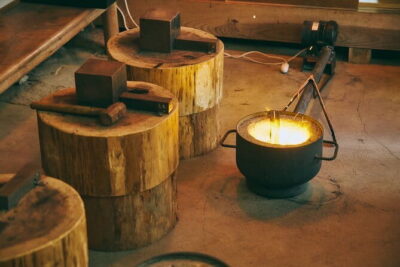
Authentic knife making experience at a blacksmith in Kyoto
Read our review →
Calligraphy class at Buddhist temple in city center
Read our review →
Roketsu dyeing experience: M course Roketsu Dyeing Experience
Read our review →

Traditional Japanese Washi Papermaking- Kyoto morning
Read our review →
Also filed under