
Reviewed · FUSHIMI INARI SHRINE WALKS
Kyoto Fushimiinari:Wagashi Making & Small Group Tea Ceremony
Tea, sweets, and quiet rooms in Kyoto. This Kyoto Fushimiinari experience is interesting because you get a hands-on wagashi class in a Japanese home, then you move into a tea ceremony where matcha is explained and practiced step by step.
I like that the vibe is calm, not rushed, and you learn real cultural etiquette like how to sit, where to look, and how to handle the sweets and tea properly. One drawback to plan around: it is floor-focused (tatami seating), and it is not suitable for wheelchair users.
In This Review
- Key things I would plan for
- A quiet Fushimi escape: the house, the garden, and the tatami room
- Wagashi workshop: hands-on Japanese sweets, one type at a time
- Tea ceremony basics: manners, history, and the hanging scroll
- Matcha hands-on: whisking your own bowl with a bamboo whisk
- What you leave with: a sweet you made and etiquette you can use again
- Duration and pacing: 75 minutes that stay focused
- Price and value: what $55 buys in Kyoto
- Practical tips so the tatami part feels easy
- Who should book this Kyoto Fushimiinari class
- Should you book this Kyoto Fushimiinari wagashi and tea ceremony?
- FAQ
- How long is the Kyoto Fushimiinari wagashi making and tea ceremony?
- How much does it cost?
- Is it a small group?
- Is the class in English?
- What food is included?
- Do I get to make matcha, or is it only watching?
- What should I bring?
- Are photos and video allowed?
- What if I have trouble sitting on the floor?
- Is it suitable for children and wheelchair users?
Key things I would plan for
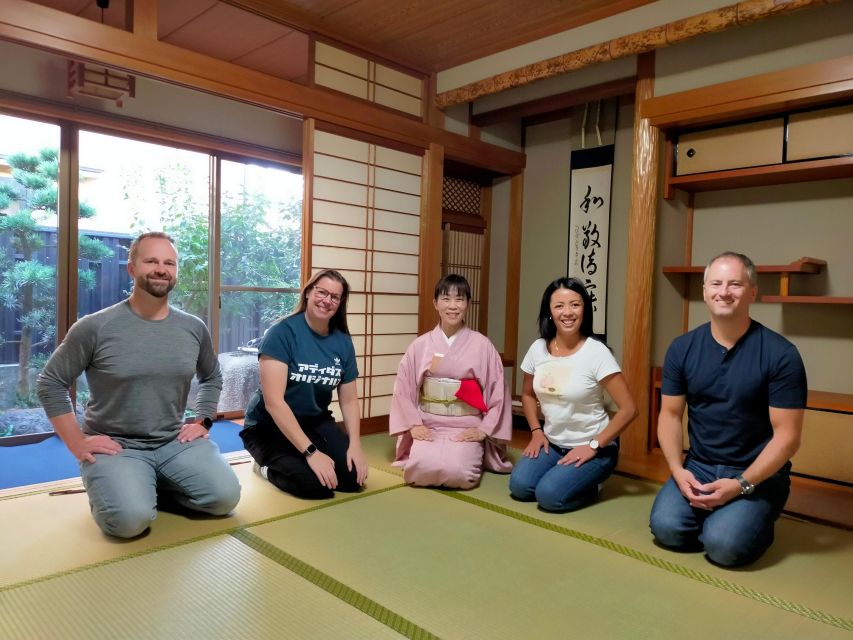
- Small group limit of 6 so instructions stay clear and paced
- A garden-view Japanese house setting that helps you escape the busy streets
- Hands-on wagashi making instead of a simple demo
- Tea ceremony etiquette + hanging scroll context explained before you taste
- Two bowls of matcha, including one you make yourself with a bamboo whisk
- Socks required, plus rules around photos and video
A quiet Fushimi escape: the house, the garden, and the tatami room
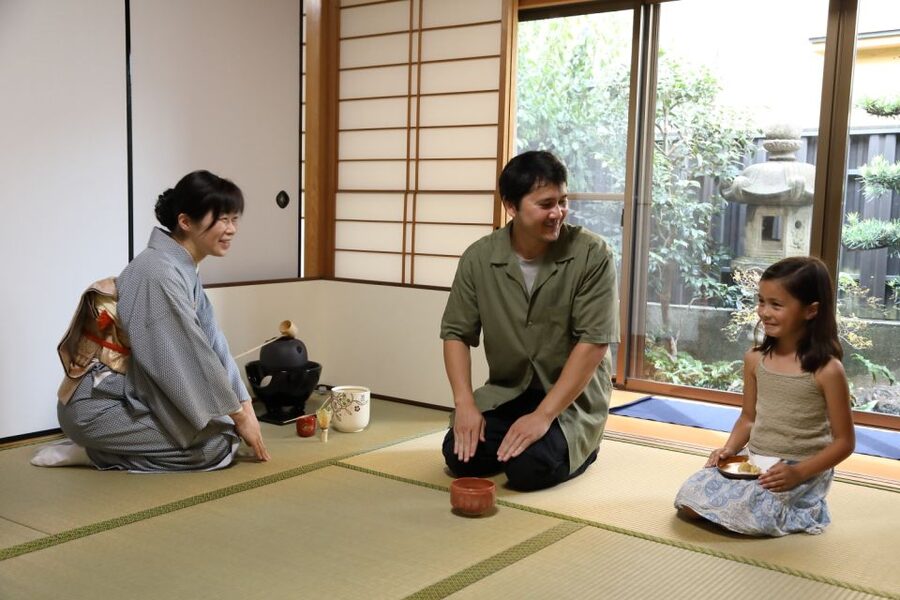
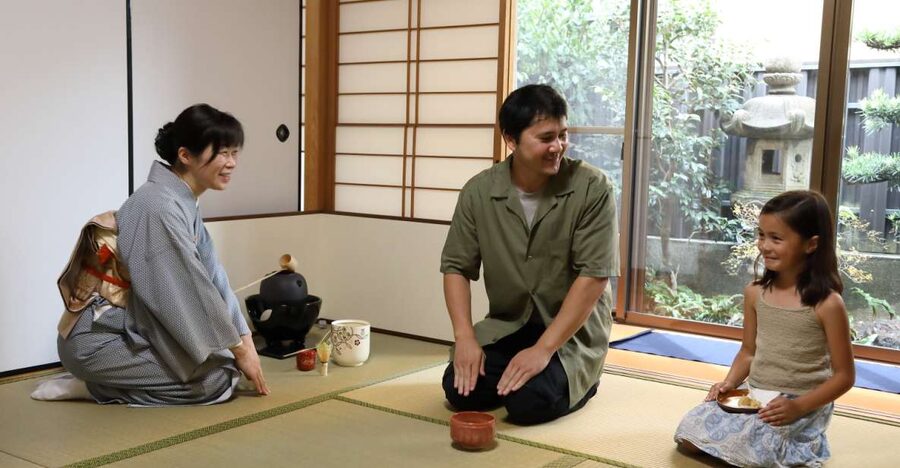
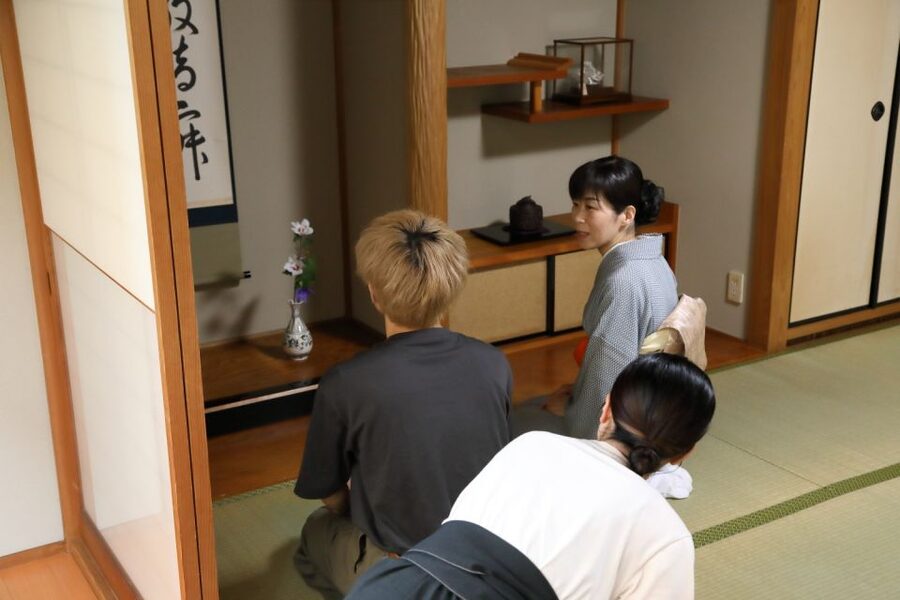
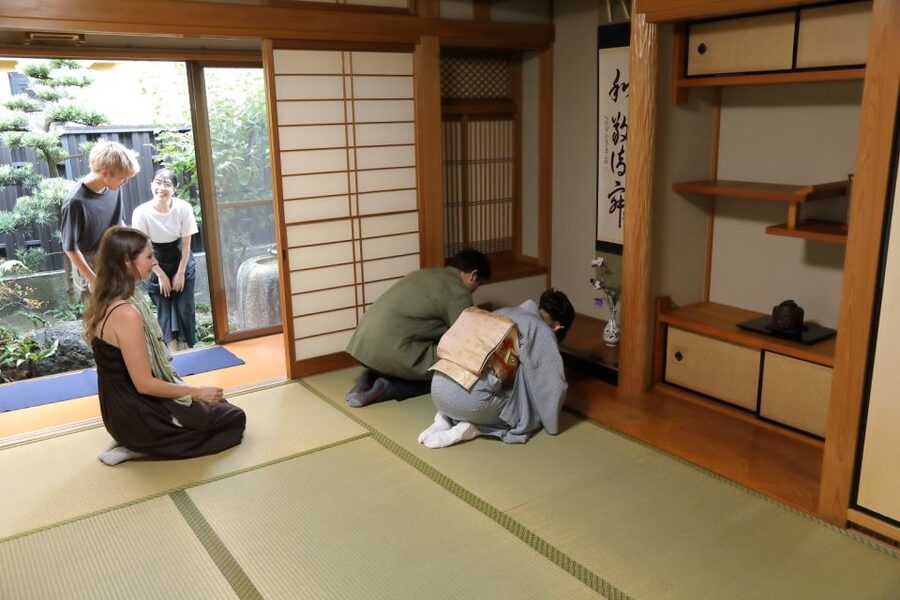
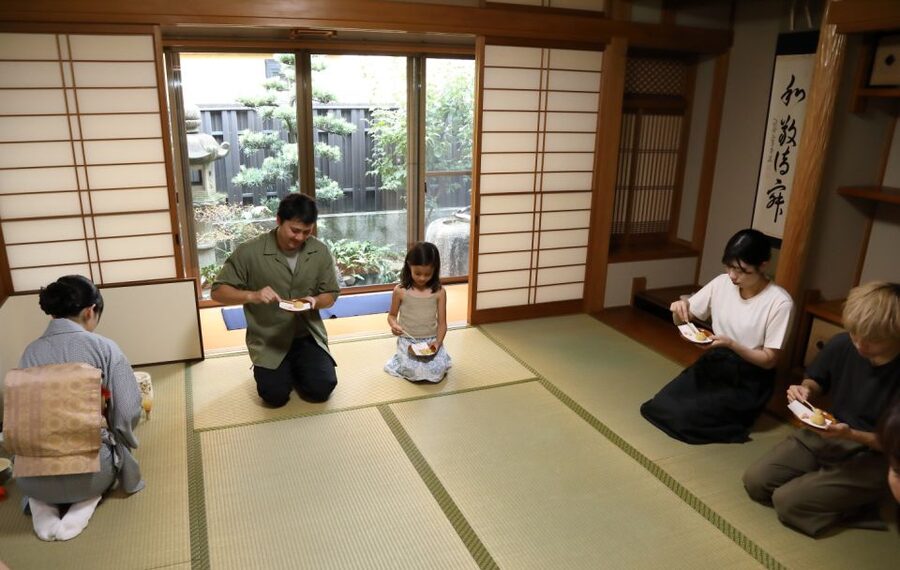
In Kyoto, you can spend hours dodging crowds and still not get a sense of how daily Japanese spaces feel. This class starts inside a local house with Japanese-style rooms and a garden view, so right away your day slows down. It is the kind of setting where you stop thinking about your next photo spot and start paying attention to how people move and speak in the room.
Before the tea part begins, you are guided into a kitchen space for wagashi making. After that, you step into an authentic Japanese-style room, with a sequence that includes time outside for a tiny garden walk when weather allows. Even if it is not rainy, the schedule is designed so you transition calmly rather than just “arrive, watch, leave.”
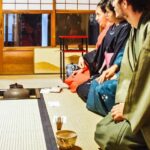
You’ll also hear about how to behave in the Japanese room before you sit down on the tatami. That matters because tea ceremony is not just about taste, it is about order, manners, and respect for the space and the people sharing it with you.
Wagashi workshop: hands-on Japanese sweets, one type at a time
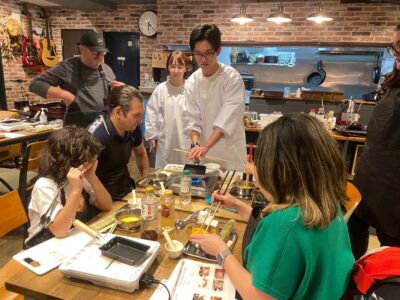
The wagashi part is genuinely practical. When you arrive, the English-speaking host takes you to the kitchen and teaches you how to make one kind of wagashi, hands-on, not as a passive show. You follow steps during the class, which makes it easier to remember later when you want to recreate the feeling at home.
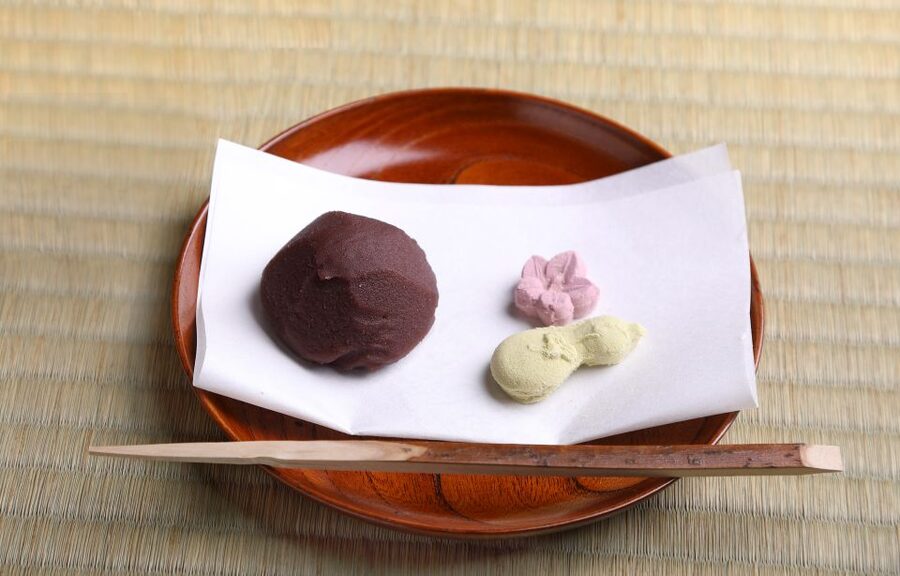
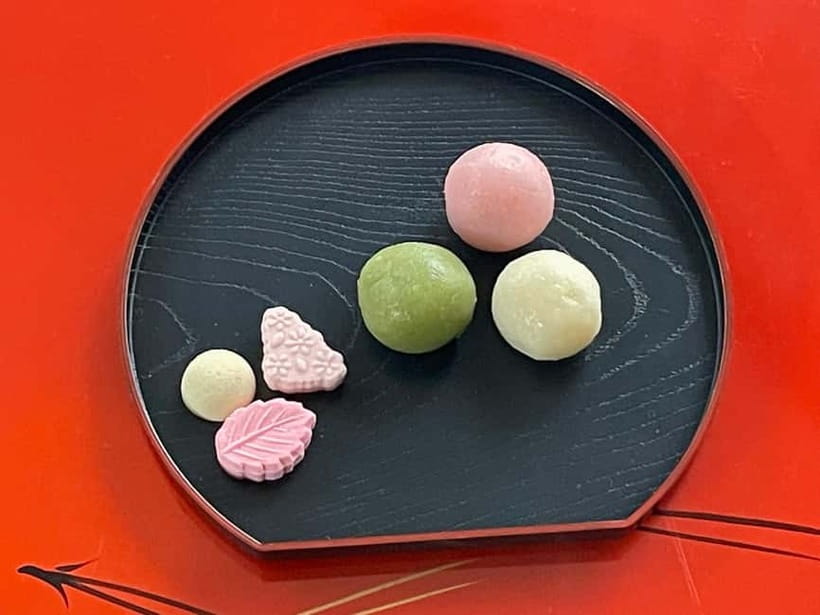
The sweet you make can vary by season. That is good news because it means the studio is not locked into a single product all year long, so you should expect differences depending on when you go. Some classes may include mochi-style sweets with sweet bean paste, and the menu can shift, but the structure stays the same: you learn one type, you make it yourself, and you eat what you produced.
What I like is that your host also explains how to eat the sweets and how they fit into the tea ceremony timing. In other words, the wagashi is not treated like a separate snack. It is part of the ritual flow, and you learn where it belongs.
If you have food restrictions or allergies, tell the studio in advance. The instructions you receive depend on what you can safely eat, and the studio may adjust what is offered based on that information.
Still climbing through the orange gates?
- Kyoto: Fushimi Inari, Kinkakuji, Bamboo Grove 1 Day Bus Tour
★ 4.8 · 4,316 reviews - Fushimi Inari Hidden Hiking Tour (Private Option Available)
★ 5.0 · 1,750 reviews - Osaka/Kyoto:Kinkakuji,Arashiyama,FushimiInariShrine,NaraPark
★ 4.1 · 1,596 reviews - Kyoto/Osaka: Nara, Fushimi Inari Taisha, Arashiyama Bus Tour
★ 4.7 · 1,275 reviews
Tea ceremony basics: manners, history, and the hanging scroll
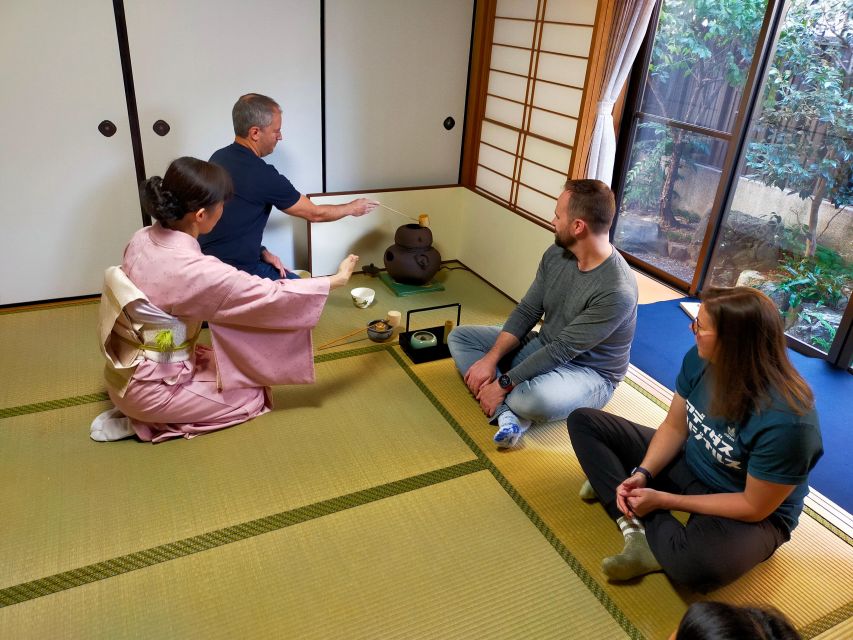
After wagashi making, the tea ceremony portion starts with clear prep. The host explains how to attend the tea ceremony and specific manners for the room, so you do not feel like you are guessing. For example, you get guidance for sitting on tatami and understanding the rhythm of the session before matcha ever reaches your cup.
Then the instructor gives context on the history of tea and tea ceremony. They also explain the meaning of the hanging scroll in the alcove at the back wall. That detail is easy to miss when you only watch from the outside, but it gives you a reason for what you are seeing and hearing, not just a set of steps.
This part is also where the small group really helps. With a group limited to 6, you can ask questions and you are not forced to keep up with a fast script. Some visitors specifically note that the ceremony is not so strict that it becomes hard to participate, so you can learn the ritual without feeling punished for being new.
The sequence is structured:
- You savor the Japanese sweets you just made.
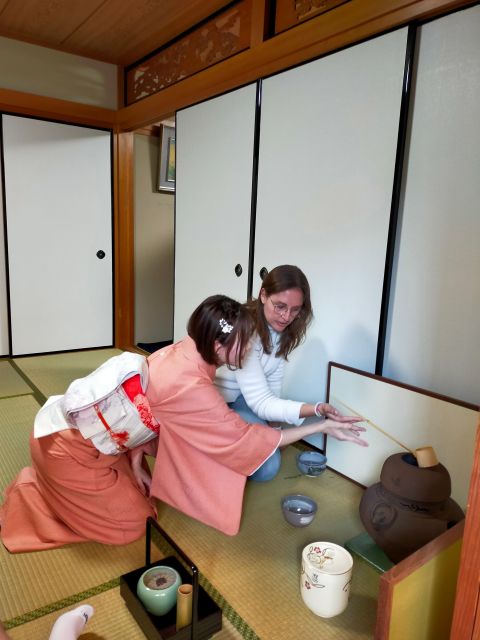
- The instructor demonstrates how to drink a bowl of matcha.
- You then observe a more ceremonial matcha preparation.
Even if you have watched tea ceremonies online, the on-site pacing makes a difference. You learn how attention is shared in the room, and that is hard to understand from videos.
Matcha hands-on: whisking your own bowl with a bamboo whisk
You get more than tasting. The class includes two bowls of matcha, and one of them is prepared by you. That is the part that makes this experience worth your time, because whisking matcha correctly takes practice, even when you have seen it before.
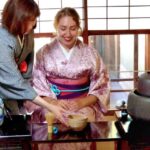
First, the instructor demonstrates the ceremonial preparation of matcha. Then you get to prepare your own bowl. You use the bamboo tea whisk, and the host shows you how to do it in the right way so you do not just end up with a drink that looks strange.
This is also where the English guidance matters. The studio emphasizes that their instructors are licensed guide interpreters, so you can follow the logic behind each step. It is not only translations of actions, it is explanations you can actually connect to what you are doing in front of you.
One practical tip from the format: expect to be asked to slow down. Tea ceremony timing is different from casual sipping, and the goal is to let you notice the texture and flavor changes that come from proper preparation and serving.
What you leave with: a sweet you made and etiquette you can use again
Your take-home value is not a bag of packaged snacks. It is confidence. When you make wagashi yourself and then prepare and drink your own matcha bowl, you leave with skills and a sense of what to do when someone invites you into a tea-like setting.
Because the host teaches how to serve matcha properly, you can apply it in front of friends or family. The studio even positions this as a souvenir you can use, because the ritual has a structure you can remember, not just a taste you try once.
Also, the sweet you make becomes part of your memory in a very physical way. You shaped it, you cooked it, you ate it, and you did it in the same rhythm as the tea ceremony. That pairing is what makes the experience feel complete, and it is why people often call it a highlight.
Duration and pacing: 75 minutes that stay focused
The whole experience runs about 75 minutes, and that time is used efficiently. You start with arrival and welcome, move into wagashi preparation in the kitchen, then shift into tea ceremony explanation and tasting, and finally end with hands-on matcha whisking.
Because the group is small, the pacing feels human. You are not stuck watching while you wait your turn, and you are not rushed through steps that you still have not fully understood. For me, that matters in Kyoto, where some cultural activities feel like an assembly line.
If you are the kind of traveler who likes to learn by doing, this format fits your style. If you mostly prefer sightseeing with minimal participation, you might find the hands-on part more demanding than you expected, but it is still structured and guided.
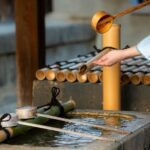
More bowls, poured the traditional way
Price and value: what $55 buys in Kyoto
At $55 per person for 75 minutes in a small group, the value comes from three things included in the class: hands-on wagashi making, two bowls of matcha, and English explanation of the ceremony flow and manners. Many short experiences in Kyoto teach a concept. This one gives you active practice and food you helped create.
You also get the setting included, meaning you are not just paying for instruction, you are paying to use the space, follow the ceremony sequence, and participate in a guided program in a local house. Add to that the fact that one matcha bowl is made by you, and the price starts to feel more like a workshop than a ticket.
What is not included is hotel pickup and drop-off, taxi help, or gratuity. So plan your own way to the meeting point and budget a small amount for tipping if that is your custom.
Practical tips so the tatami part feels easy
This class has a few rules that help it run smoothly, and they matter more than you might think.
Bring socks. Bare feet are not allowed. Socks keep the room clean and make it easier to transition between areas in the house.
The experience is not suitable for wheelchair users. If you have trouble sitting on the floor, chairs and tables are available, but you should let the studio know in advance. That one detail can make the difference between an enjoyable cultural class and a painful one.
Photography is restricted. Flash photography is not allowed, and video recording is also not allowed. The studio may ask you not to take photos during part of the session so everyone can experience the moment. That is normal for tea spaces, where attention is part of the ritual.
Finally, Japanese sweets may differ from the pictures depending on seasons. If you have a strong expectation of what you want to see or eat, keep it flexible. The goal is participation in that moment’s version of wagashi.
Who should book this Kyoto Fushimiinari class
I think this is a smart choice for travelers who want something more than a quick cultural photo. You’ll like it if you enjoy small group instruction, hands-on food activities, and learning manners and ritual from an English guide.
It is also a great fit if you want a calmer Kyoto break. Instead of another temple stop packed with motion, you get a quiet house setting with a garden view and a paced ceremony flow.
On the other hand, it may not suit:
- Families with children under 8, since the class is not suitable for them
- Wheelchair users, because it is not suitable for that need
- Anyone who strongly dislikes sitting on tatami, even with the option of chairs if arranged ahead of time
Should you book this Kyoto Fushimiinari wagashi and tea ceremony?
Yes, if you want a short, well-guided cultural experience with real participation, not just watching. The combination of wagashi making plus matcha whisking, in English, is the big draw, and the small group size keeps the experience personal.
Book it especially if you are traveling with a “learn by doing” mindset. You will take away practical etiquette, plus the feeling of having made and served matcha in the right sequence.
Skip it if you are hoping for a pure sightseeing outing or if floor seating is a deal-breaker. And if you hate the idea of rules around photos and video, know ahead of time that the session is designed for attention.
If you can do socks, sit comfortably, and follow instructions, this is one of those Kyoto activities that turns into a real story, not just a stop on a list.
FAQ
How long is the Kyoto Fushimiinari wagashi making and tea ceremony?
The duration is about 75 minutes.
How much does it cost?
The price is $55 per person.
Is it a small group?
Yes. It is a small group limited to 6 participants.
Is the class in English?
Yes. The instructor is English-speaking.
What food is included?
You will learn how to make one type of wagashi (Japanese sweets) and you will have two bowls of matcha, including one bowl that you prepare yourself.
Do I get to make matcha, or is it only watching?
You get to make matcha yourself using a bamboo tea whisk, and you also drink matcha prepared in the ceremonial way.
What should I bring?
You should bring socks. Bare feet are not allowed.
Are photos and video allowed?
Flash photography is not allowed, and video recording is not allowed. The host may also ask you not to take photos during part of the session.
What if I have trouble sitting on the floor?
Chairs and tables are available for guests who find it difficult to sit on the floor. Let the studio know in advance.
Is it suitable for children and wheelchair users?
Children under 8 are not suitable. It is not suitable for wheelchair users.
More Cooking Classes in Kyoto

New This Season
- Koyasan Day Trip by Private Car from Kyoto
- Old Port Town and Ultimate Sake Tasting Private Tour From Kyoto
- Kyoto’s Timeless Charm: 3hr Exploration of History and Peace
- Kyoto: 5 Types of Sushi Making
- Sacred Peak & Ancient Paths: Kurama-Kibune Hiking Experience
- Kyoto: Exclusive ZEN practice at Manpukuji temple in Uji
- Kyoto: Private Seasonal Aroma Yoga Class
- Traversing Kyoto’s Scenic West – Arashiyama to Kinkakuji
Fushimi Inari Shrine Walks, compared.
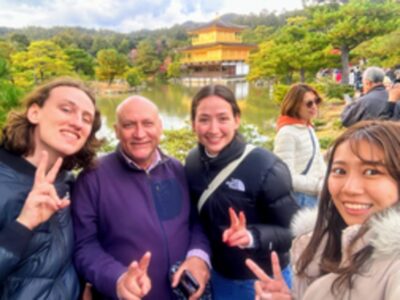
Fushimi Inari, Kinkakuji, Bamboo Grove 1 Day Bus Tour
Read our review →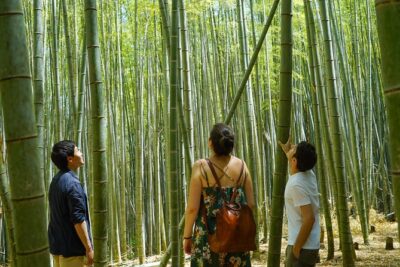
Fushimi Inari Hidden Hiking Tour (Private Option Available)
Read our review →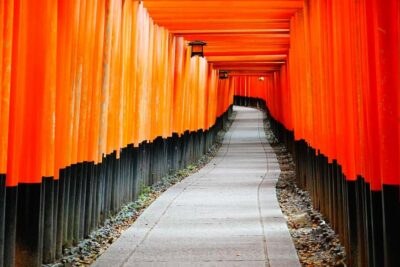
Kinkakuji,Arashiyama,FushimiInariShrine,NaraPark
Read our review →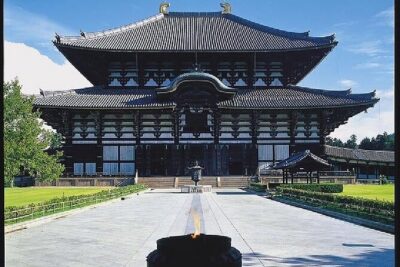
Nara, Fushimi Inari Taisha, Arashiyama Bus Tour
Read our review →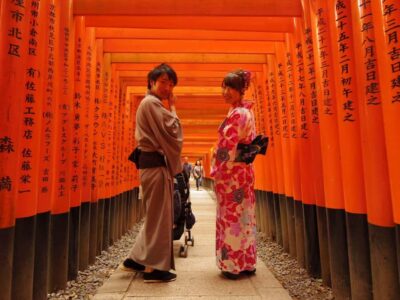
Arashiyama, Nara & Fushimi Inari Shrine w/Lunch
Read our review →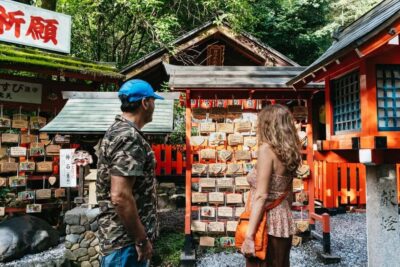
Nijo Castle, Kiyomizu & Fushimi Inari Guided Tour
Read our review →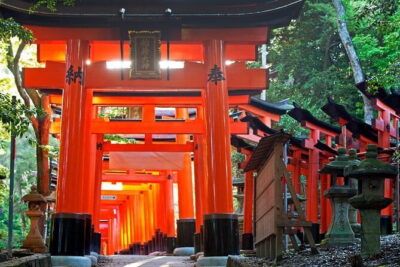
Nijo, Kinkaku-ji, Arashiyama, Kiyomizu & Fushimi Inari
Read our review →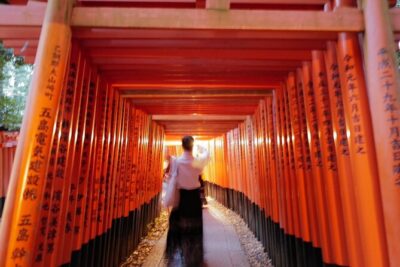
Also filed under