
Reviewed · GION GEISHA QUARTER WALKS
Kyoto Gion Early Morning Walking Tour
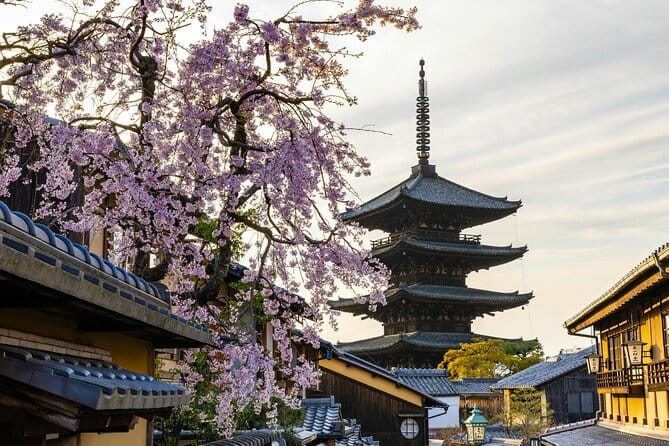
Kyoto before the crowds is pure calm. This early-morning walk threads together Gion classics and major landmarks while the city is still waking up. You’ll see Shirakawa’s quiet riverfront, stroll Hanamikoji Street, and finish at Yasaka Shrine and the Yasaka-no-To pagoda area, all with a guide keeping you on track.
I love the small group size, capped at 12, because it makes questions easy and the pace feel human. I also like the timing, getting to Kiyomizu-dera and the Gion edges before the day tours fully arrive, which means better moments for photos and street watching.
One consideration: you still need to budget for the Kiyomizudera admission fee of ¥500 per person (not included). And yes, you’ll have to wake up early, because that’s the whole point.
In This Review
- Key things to know before you go
- Early Morning Kyoto: Why This Timing Works
- Meeting Point and Navigation: Let the Guide Do the Thinking
- Gion Shirakawa and Hanamikoji Street, Before the Noise
- Kiyomizudera Temple: Views, Spiritual Heritage, and Crowd Reality
- Sannenzaka and Ninenzaka: Old Street Lanes That Feel Like Kyoto
- Yasaka-no-To Pagoda and Yasaka Shrine: A Great Finish with Meaning
- Guides Matter: What You Get from English, and What Guides Like Caleb, Hiro, and Vincent Do Well
- Price and Value: Is $49.42 Worth It?
- Who This Tour Suits Best
- Should You Book This Early Morning Gion Tour?
Key things to know before you go
- Small group, max 12 means you are not shouting over a big crowd to ask a question
- Early start gives you a calmer feel around famous spots like Kiyomizu-dera
- Guide navigation helps you avoid the frustrating Kyoto problem of going the wrong way on tight streets
- Gion Shirakawa and Hanamikoji Street show you Kyoto’s traditional wooden-townhouse vibe before the traffic hits
- Yasaka Shrine and Yasaka-no-To add a strong Shinto and temple pairing to balance the day
- English-speaking guides like Caleb, Hiro, and Vincent are repeatedly praised for clear explanations and friendly interaction
Early Morning Kyoto: Why This Timing Works
Kyoto has a way of rewarding early starts. Markets and lanes feel different at 7 or 8 a.m., when fewer tour groups have pushed in and locals are simply moving through their day. That is the core value of this experience: it is built around hitting the right neighborhoods and landmarks early, before the crowds turn every corner into a traffic jam.
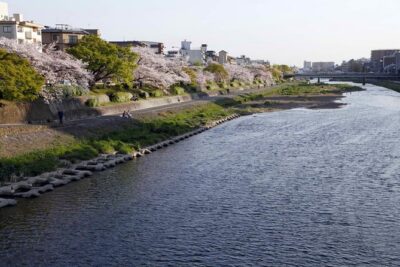
You also get a useful mix of scenes. Gion Shirakawa is the soft start: a calmer riverfront moment with the classic machiya house look and weeping willows along the water. Then you shift to Hanamikoji Street, where historic wooden storefronts and teahouse facades set the stage for Kyoto’s geisha district reputation.
From there, the route pivots to bigger spiritual landmarks, including Kiyomizudera. That stop can get crowded later in the day, so arriving earlier matters. Even if you cannot guarantee every minute is empty, you will be in a better position than if you show up after midday.
The whole walk also stays focused. You are not trying to cram everything into one exhausting loop. In about three hours, you cover several high-impact spots without turning the day into a blur.
Meeting Point and Navigation: Let the Guide Do the Thinking
You start at the Statue of Izumo-no-Okuni in Kawabatacho, in Kyoto’s Higashiyama Ward. It is a real, fixed landmark, which helps when you are figuring out where to meet. The tour ends back at the meeting point, so you do not need to plan how to get home from a separate drop-off area.
The bigger practical win is navigation. Kyoto’s streets can feel simple on a map and confusing in real life. Tight lanes, one-way flows, and turns that look obvious until you are standing there can slow you down. Here, the guide handles the route, which saves energy and prevents that common travel frustration of constantly checking your phone while you are trying to enjoy what is in front of you.
Because the group stays small, you can actually ask questions. Past tour experiences with guides including Caleb, Hiro, and Vincent have been described as friendly, clear, and genuinely interested in helping people understand what they are seeing, not just delivering a script. That matters in Kyoto, where a shrine or temple can look similar to the untrained eye, but be historically tied to specific traditions and local practices.
Also, this is a mobile-ticket style experience. That generally means less paper to manage and less time spent hunting for a hard copy.
Lantern-lit streets of the geisha quarter
- Kyoto Geisha Walking Tour: Gion District & Hidden Gems
★ 4.7 · 3,273 reviews - Kyoto: Gion Magical Night Walking Tour with Geisha Trivia
★ 4.9 · 2,393 reviews - Kyoto: Gion Geisha District Walking Tour – Stories of Geisha
★ 4.7 · 2,187 reviews - Best of Kyoto: Gion, Geisha, Pagodas & Cobblestones
★ 4.9 · 2,058 reviews
Gion Shirakawa and Hanamikoji Street, Before the Noise
This is where the tour earns its name, and also where you get the most emotional payoff for waking up early. Gion Shirakawa is a classic Kyoto scene: the Shirakawa River edge, traditional machiya houses, and weeping willows that make the street feel almost like a film set. Early in the morning, the atmosphere tends to feel slower and more human. Even if you have seen photos before, you will likely notice how quiet the riverfront can be compared to later hours.
Then comes Hanamikoji Street, Kyoto’s geisha district main corridor. You get the iconic look: historic wooden machiya facades and traditional teahouses (ochaya). It is a street that many visitors only experience later in the day, after crowds build and the vibe becomes more like a theme park. Early helps you see the district as a living neighborhood, not a photo line.
These two early Gion stops also teach you how to read Kyoto streets. Instead of viewing everything as one big list of sights, you start noticing layers: how buildings face the street, how pedestrian flow works, and how the city’s traditions still show up in everyday architecture.
Practical note: this is still a walking tour, so even at a relaxed early pace, you will want comfortable shoes. The upside is you are stretching your legs while the city is at its most pleasant.
Kiyomizudera Temple: Views, Spiritual Heritage, and Crowd Reality
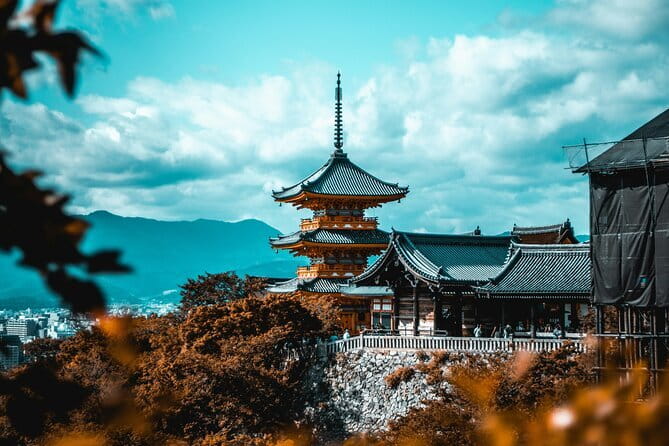
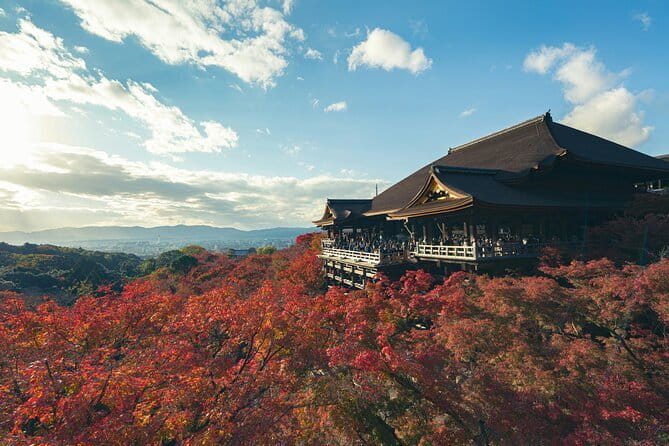
Kiyomizudera is the headliner, and it deserves time. You’ll visit the temple for about an hour. It is famous for its wooden stage, and it offers big-city views from above. Depending on the season, the grounds can be picture-perfect, with cherry blossoms in spring and colorful scenery in other seasons. Even without relying on seasonal beauty, the temple’s setting and silhouette are standout.
The key thing to know is crowd reality. The whole point of this tour is to reach the major spots before peak crowds. Still, Kiyomizudera can get busy, and you may see steady foot traffic even early. What you gain is less stress. You are not fighting as hard for space, and you are more likely to get a few calm minutes for photos before the densest waves arrive.
Cost-wise, Kiyomizudera’s admission fee is ¥500 per person and is not included in the tour price. I recommend budgeting for it up front so there are no surprises when you reach the gates. For many people, paying the fee is worth it because you get access to a temple that defines Kyoto for a lot of visitors.
One more value angle: this stop is not just sightseeing. It helps you connect the city’s physical beauty to its spiritual identity. A good guide can explain what you are seeing as you walk up, which makes the wooden stage and overlook feel more meaningful than just a photo opportunity.
Sannenzaka and Ninenzaka: Old Street Lanes That Feel Like Kyoto
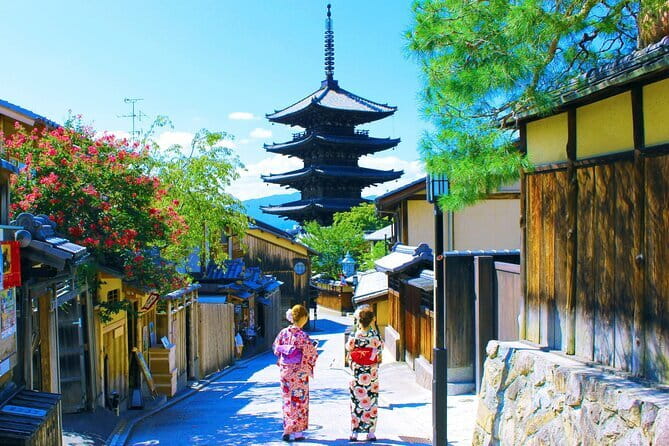
After Kiyomizudera, you head through Sannenzaka and Ninenzaka, two famous historic lanes that often look exactly like postcards. These are stone-paved streets lined with traditional wooden townhouses and small local shops. The layout naturally slows you down. You end up walking a bit slower, looking at details in storefronts and the way buildings stack along the slope.
This section is about atmosphere and pacing. It breaks up the intensity of the temple visit with a more relaxed strolling feel. You can also use this time to reset your brain. By now you have seen Gion’s river and geisha district streets and tackled Kiyomizudera. These lanes bring everything back to the everyday Kyoto look, where commerce, tradition, and architecture sit side by side.
Drawback to consider: shops and lanes can be tempting, and that can quietly steal time from the rest of your tour. If you want to browse, do it with intention. Decide quickly what you want to see, or limit shopping to one or two short stops so you still enjoy the pagoda and shrine segments later.
If you are trying to photograph Kyoto streets, this is usually a better bet than the narrowest checkpoints near the busiest crowds. Early timing helps you move through the lanes without feeling like you are in a human conga line.
Yasaka-no-To Pagoda and Yasaka Shrine: A Great Finish with Meaning
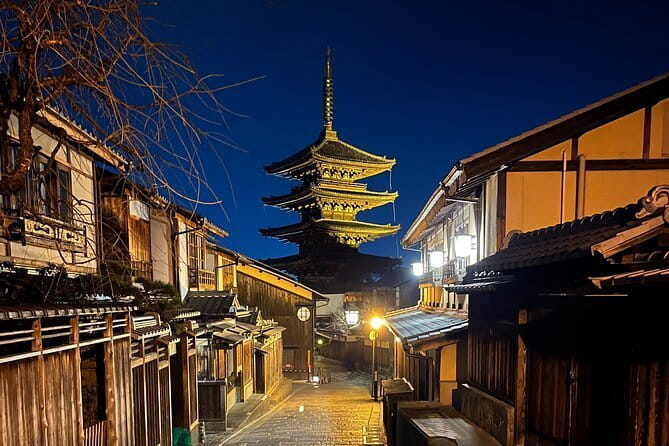
The tour ends with two iconic Kyoto landmarks in the Yasaka area.
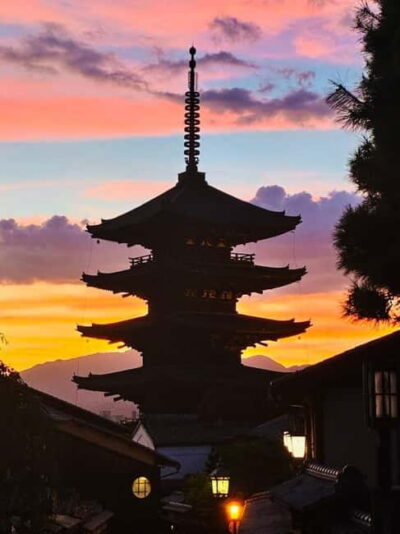
First is Yasaka-no-To (Yasaka Pagoda). It is one of Kyoto’s most recognizable silhouettes, and the early morning setting is helpful for capturing its form. This is a shorter stop, about 10 minutes, so treat it as a moment for photos and quick orientation rather than a long hang.
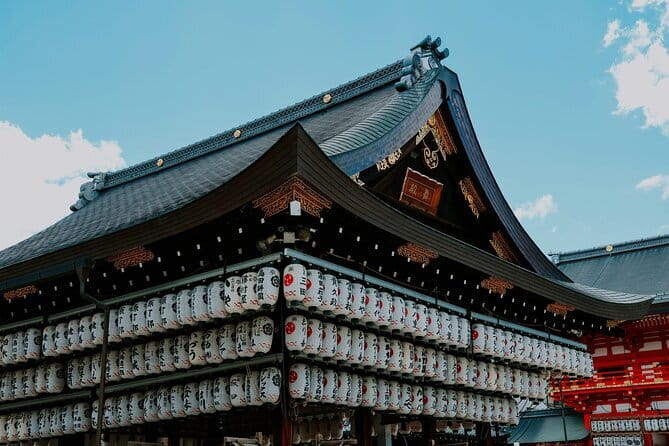
Then you visit Yasaka Shrine for about 30 minutes. Yasaka Shrine is one of Kyoto’s most revered Shinto shrines. It is known for its vermilion gate and a famous dance stage associated with the shrine. Even if you only understand a little about Shinto before you arrive, it still feels distinct because you can see how ceremonial design and sacred space are built into the grounds.
This finish works well because it balances the earlier Buddhist temple stop. Kiyomizudera anchors the spiritual tourism side, and Yasaka Shrine adds the Shinto layer. Together, they give you a more complete sense of why Kyoto is not just architecture. It is a place where religious tradition shapes daily life.
Beat the crowds with an early start

Guides Matter: What You Get from English, and What Guides Like Caleb, Hiro, and Vincent Do Well
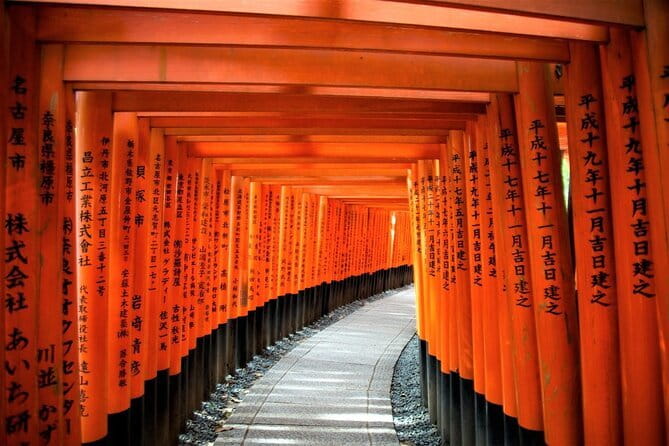
In Kyoto, the difference between a good walk and a forgettable one often comes down to the guide. Here, the experience includes an English-speaking guide, and the guide quality shows up repeatedly in feedback.
Caleb, Hiro, and Vincent have been praised for being passionate history buffs, friendly, and comfortable answering questions. That last part is underrated. When a guide can handle questions that pop up mid-walk, you end up with more understanding and less guessing. Instead of silently wondering what a detail means, you get a straight answer and then keep moving.
Good guides also help you interpret contrasts. For example, you might see Gion Shirakawa’s serene riverfront and then quickly transition to a major temple complex with commanding views. A strong guide helps you connect those different moods and explain how they fit into Kyoto’s broader story.
You also benefit from the small-group format. With fewer people, the guide can slow down when needed, and you can listen without constantly backing up to keep space.
Finally, there is a practical perk people seem to like: coffee. One review highlights an amazing coffee stop at a place called Here. Even if your guide does not build a formal coffee break into every schedule, the fact that the route includes areas where you can pause for a drink is a nice bonus when you are up early.
Price and Value: Is $49.42 Worth It?
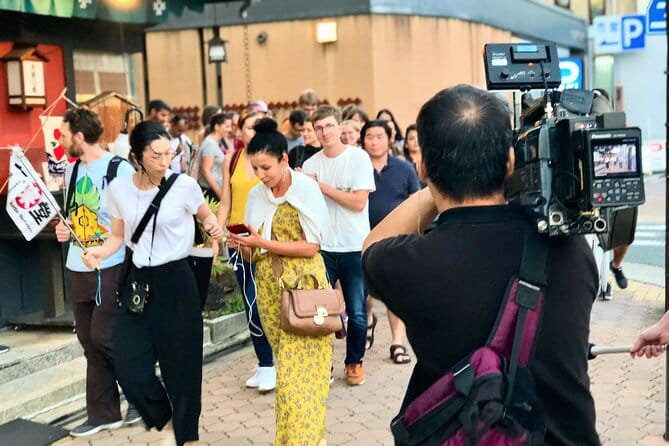
At $49.42 per person for about three hours, the price is reasonable for a guided walking route that covers multiple major areas in Kyoto. You are paying for three things that matter on the ground: a real schedule, a guide who can steer you through tight streets, and the advantage of early timing.
Here is the value math that helps me think about it:
- You get a focused route across Gion, Kiyomizudera, historic lanes, and Yasaka Shrine in one morning.
- You avoid spending extra time trying to plan your own route and backtracking if you miss a key turn.
- The group size is capped at 12, which tends to keep the experience from turning into a crowded slog.
- You do need to add Kiyomizudera’s ¥500 admission fee, so your total out-of-pocket cost is slightly higher than the headline price.
I also like that hotel pickup is not part of the price. That often keeps the experience simpler and faster. The meeting point is clear and near public transportation, so you can get yourself there without waiting on a van schedule.
If you like walking, want an early start, and prefer guided context over purely self-guided sightseeing, this price feels fair.
Who This Tour Suits Best
This is a strong fit if you:
- Want to see Kyoto’s biggest sights without spending your whole day in peak-hour crowds
- Like learning as you walk, with time for questions
- Prefer small groups over big buses of strangers
- Are comfortable doing about three hours of walking across central East Kyoto areas
It might be less ideal if you:
- Hate early mornings and want a relaxed start after sunrise crowds
- Are counting every yen and would prefer zero paid admissions, since Kiyomizudera costs ¥500
- Want a lot of time for shopping stops, since the route is designed to keep momentum
Should You Book This Early Morning Gion Tour?
I would book it if your priority is a calmer Kyoto morning with a guided route that stops you from getting lost. The combination of Gion Shirakawa and Hanamikoji Street early on, then Kiyomizudera and Yasaka Shrine later, is a smart way to see both the classic street Kyoto look and major sacred landmarks in one go.
If early mornings do not work for you, pick a different time slot or a slower self-paced plan. But if you can wake up, this tour is one of the more practical ways to get the “Kyoto before the crowds” feeling without gambling on navigation or timing.
If you want a guided walk where the guide actually answers questions, and where you can keep your day moving after three focused hours, this is an easy yes.
More Walking Tours in Kyoto
New This Season
- Koyasan Day Trip by Private Car from Kyoto
- Old Port Town and Ultimate Sake Tasting Private Tour From Kyoto
- Kyoto’s Timeless Charm: 3hr Exploration of History and Peace
- Kyoto: 5 Types of Sushi Making
- Sacred Peak & Ancient Paths: Kurama-Kibune Hiking Experience
- Kyoto: Exclusive ZEN practice at Manpukuji temple in Uji
- Kyoto: Private Seasonal Aroma Yoga Class
- Traversing Kyoto’s Scenic West – Arashiyama to Kinkakuji
Gion Geisha Quarter Walks, compared.
Kyoto Geisha Walking Tour: Gion District & Hidden Gems
Read our review →
Gion Magical Night Walking Tour with Geisha Trivia
Read our review →
Gion Geisha District Walking Tour – Stories of Geisha
Read our review →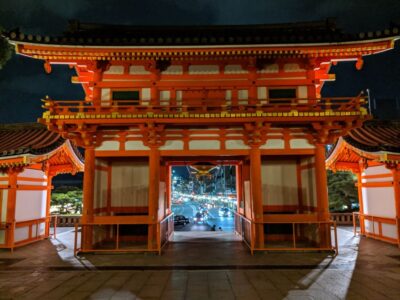
Best of Kyoto: Gion, Geisha, Pagodas & Cobblestones
Read our review →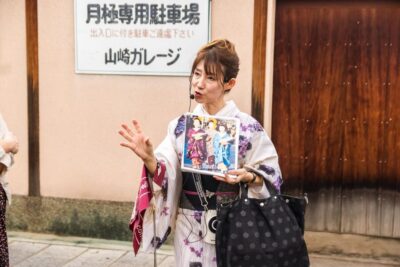
Kyoto Night Foodie Tour in Gion (9+ dishes + 6 Sake tastings)
Read our review →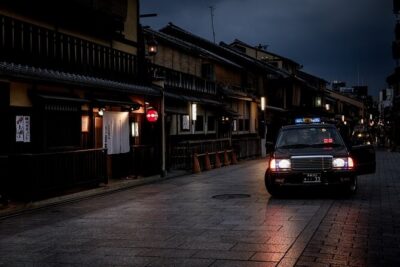
Kyoto Gion Geisha District Walking Tour – The Stories of Geisha
Read our review →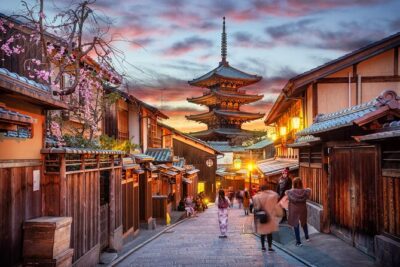
Kyoto Gion: 2-Hour Geisha Culture & History Walking Tour
Read our review →Also filed under