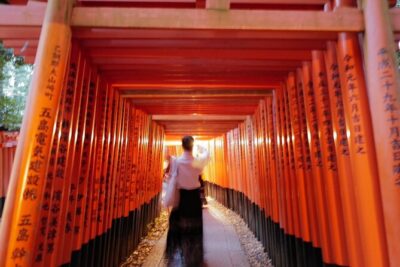
Reviewed · FUSHIMI INARI SHRINE WALKS
Kyoto: Gion, Kiyomizudera& Fushimi Inari Shrine Walking Tour
Torii gates and geisha stories in one day. This 3-hour guided route strings together three of Kyoto’s best-known sights, starting at Kiyomizudera for temple views, then moving through Gion’s historic streets, and finishing at Fushimi Inari for the world-famous torii-gate walk.
What makes it especially useful is that you are not just sightseeing. You are getting local context while you walk, plus train help between areas so you can spend your time moving through Kyoto instead of figuring it out.
Two things I really like: you get a guided visit to Kiyomizudera with the ticket taken care of, and you also get a guide who explains what you are seeing in plain, practical terms. I also like the Gion part, including strolls along Hanami-koji and Shirakawa, where the stories about geisha culture and local legends land in the exact places you are walking past.
One consideration: Fushimi Inari is huge, and in 3 hours you will mainly cover the main torii-gate approach. If you want to hike up to the top, plan to spend extra time after the tour ends.
In This Review
- Key points to know before you go
- Finding the right spot at Kiyomizudera (Niomon gate tip)
- Kiyomizudera first: ticketed temple time and big viewpoints
- Higashiyama side streets: calm lanes, shrines, and wooden townhouses
- Gion’s Hanami-koji and Shirakawa walk, with geisha culture explained
- Asuka’s role: turning stops into clear, usable history
- Train to Fushimi Inari and the torii-gate walk
- What happens after: your choice at the finish point
- Price and value: is $50 fair for 3 hours?
- Pacing, comfort, and photo strategy for a 3-hour day
- Who this tour fits best (and who might want a different plan)
- FAQ
- FAQ
- How long is the Kyoto Gion, Kiyomizudera and Fushimi Inari walking tour?
- Where should I meet the guide?
- What does the tour include?
- Is there an English-speaking guide?
- How is the route between Kyoto areas handled?
- What will I do at Fushimi Inari Shrine?
- What should I bring?
- Can I cancel if my plans change?
- Should you book this Kyoto tour?
Key points to know before you go
- Start at Kiyomizudera’s Niomon gate so you can find your guide fast and get moving.
- Kiyomizudera tickets and a train ticket are included, which saves you time and hassle.
- Gion walks on Hanami-koji and Shirakawa focus on the look and feel of the district, not just selfies.
- Asuka’s English is called out as excellent, and the tour explains the meaning of key spots.
- You’ll walk through thousands of torii gates at Fushimi Inari and learn about the traditions behind them.
- The tour ends at Fushimi Inari, so you can continue hiking or head to Kyoto Station on your own.
Finding the right spot at Kiyomizudera (Niomon gate tip)
Kyoto tours can fall apart fast if your meeting point is vague. Here, it is refreshingly specific: meet at the Niomon gate of Kiyomizudera. Wait on the left side under the stairs by the Niomon gate.
And there’s a simple sanity check. If you spot a pagoda and you are standing at the wrong level, head back downstairs and look again. It sounds tiny, but it prevents that awkward scramble where everyone is staring at the same entrance.
Kiyomizudera first: ticketed temple time and big viewpoints
Starting at Kiyomizudera is smart. You get temple time when your energy is still fresh, and you are positioned for the classic Kyoto views people come for. Since the tour includes your Kiyomizudera temple tickets, you skip the most common early-day delay, which is lining up or figuring out what you need to enter.
Your guide walks you through what you are seeing, including the significance of different spots around the temple grounds. That matters because Kiyomizudera is busy, and without context it is easy to treat it like a photo stop. With context, you can actually understand why certain viewpoints and structures matter, which makes the whole visit feel less like a checklist.
The wooden stage above the hillside
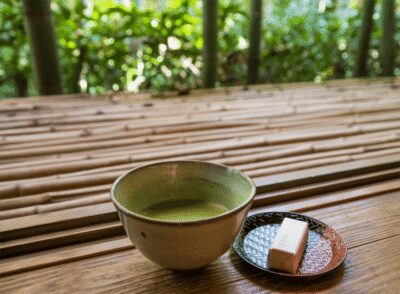
- Kyoto: Tea Ceremony in a Traditional Tea House in Kiyomizu
★ 4.9 · 3,519 reviews - Kyoto: Nijo Castle, Kiyomizu & Fushimi Inari Guided Tour
★ 4.7 · 700 reviews - Kyoto: Nijo, Kinkaku-ji, Arashiyama, Kiyomizu & Fushimi Inari
★ 5.0 · 699 reviews - Kyoto Tea Ceremony & Kiyomizu-dera Temple Walking Tour
★ 5.0 · 115 reviews
Higashiyama side streets: calm lanes, shrines, and wooden townhouses
From the temple area, you shift into historic Higashiyama surroundings. This is where the tour becomes more than famous landmarks. You will walk through quiet streets and hidden alleyways, taking in centuries-old teahouses, shrines, and charming wooden townhouses.
This part is valuable because it slows the day down. You get the Kyoto look people chase, but you also get a sense of how the neighborhood feels when you are not stuck only in the most crowded spots. If you like walking tours that feel like a story in real locations, this segment delivers.
The one practical thing to remember is that this is still a walking day. The tour is 3 hours total, so the pace will move. Wear comfortable shoes and accept that you will be on your feet through older, uneven pathways.
Gion’s Hanami-koji and Shirakawa walk, with geisha culture explained
Then the route turns toward Gion, Kyoto’s well-known geisha district. Here you stroll along stone-paved paths such as Hanami-koji and Shirakawa, which are the kinds of streets where Kyoto’s old-world atmosphere feels most immediate.
What I like about this portion is that your guide ties the scenery to meaning. You are not just seeing Gion as a pretty backdrop. You learn local history and cultural insights, including stories about geisha culture and local legends that shaped the district.
That approach helps you avoid two common problems. One is wandering with no idea what you are looking at. The other is turning the district into a stereotype parade. With a guide explaining the background, you can appreciate the place more respectfully and more accurately.
Asuka’s role: turning stops into clear, usable history
A big reason this tour earns top marks is the guide. One recent guest highlighted Asuka by name and praised her for excellent English and for explaining the history and the meaning of key spots at Kiyomizu-dera and Fushimi Inari Shrine.
That is the kind of detail that changes how the day feels. When a guide can point out what matters, you start noticing things you would otherwise skip. You also learn the traditions connected to places like Fushimi Inari, which makes the torii walk more than just a photo line.
If you prefer tours where you come away with real understanding, this is the part that can justify the cost. A landmark tour without explanations is easy to do on your own. A well-told, well-timed story is the advantage you are paying for.
Train to Fushimi Inari and the torii-gate walk
Next comes the move to Fushimi Inari Shrine by train. That matters because Kyoto is long and spread out. Getting the train ticket handled is a time-saver, and it keeps the day flowing.
At Fushimi Inari, the star of the show is the walk through thousands of torii gates. Your guide leads you through the gates and shares traditions along the way. The specific details of those traditions are not something you have to research before you go, because your guide covers them during the walk.
This is also one of those places where pacing affects your experience. With a guide, you are less likely to get lost in the crowds or spend too long stopping at the same viewpoint. Instead, you can keep moving through the torii corridor while learning why the place is revered.
Still climbing through the orange gates?



What happens after: your choice at the finish point
The tour ends at Fushimi Inari Shrine, which is convenient because the shrine sits at the start of multiple options. From there, you can:
- hike up to the top of Fushimi Inari
- take the train back to Kyoto Station
- head onward to anywhere else you planned
This flexible ending is practical. If you love stairs and viewpoints, you can add time immediately. If you prefer to keep your energy for later neighborhoods or dinner plans, you are not trapped in a rigid finish line. The tour gives you a strong base, then hands you control.
Price and value: is $50 fair for 3 hours?
At about $50 per person for a 3-hour guided walking experience, the biggest value drivers are the items included. You get Kiyomizudera tickets and a train ticket, plus an English-speaking guide.
Why that matters: temple entry and transit can add up, and the time spent sorting logistics can eat your day. This format lets you focus on walking Kyoto’s highlights with guidance, instead of juggling separate steps.
Is it the cheapest way to see these areas? Probably not. But it is a strong value if you want three top sights connected by a guide, with tickets handled and explanations during the walk.
Pacing, comfort, and photo strategy for a 3-hour day
This is not a sit-and-watch tour. It is a walking route through temple areas, older streets, and shrine grounds. Your most important preparation is simple: bring comfortable shoes.
For photos, I suggest thinking in layers. First, plan for the main photo moments at Kiyomizudera and the torii-gate approach at Fushimi Inari. Then let the in-between streets in Higashiyama and Gion handle the smaller, spontaneous shots. When a guide is talking, you’ll find yourself noticing details you would miss if you were only scanning for the next postcard angle.
Also, remember you might not reach the highest points at Fushimi Inari during the tour itself. The tour ends there, so build in optional extra time if top views matter to you.
Who this tour fits best (and who might want a different plan)
This tour is a good match if you want a guided sweep of Kyoto’s most recognizable highlights in a single morning or afternoon block, without spending time figuring out transit connections.
It is especially fitting if:
- you like explanations, not just landmarks
- you want to understand Gion’s cultural background as you walk
- you want a guided torii-gate experience with traditions added to the scenery
It is not suitable for wheelchair users, so if accessibility is a priority, you will need an alternative plan.
FAQ
FAQ
How long is the Kyoto Gion, Kiyomizudera and Fushimi Inari walking tour?
The tour lasts 3 hours.
Where should I meet the guide?
Meet at the Niomon gate of Kiyomizudera temple, on the left side under the stairs by the Niomon gate. If you see a pagoda, go back downstairs.
What does the tour include?
It includes tickets for Kiyomizudera temple and a train ticket.
Is there an English-speaking guide?
Yes, the tour has a live guide in English.
How is the route between Kyoto areas handled?
You take a train to Fushimi Inari Shrine during the tour.
What will I do at Fushimi Inari Shrine?
You will walk through the thousands of torii gates and learn about the traditions. The tour ends at Fushimi Inari Shrine.
What should I bring?
Wear comfortable shoes for walking.
Can I cancel if my plans change?
Yes, you can cancel up to 24 hours in advance for a full refund.
Should you book this Kyoto tour?
Book it if you want a tight 3-hour route that hits Kiyomizudera, Gion, and Fushimi Inari with guidance, tickets covered, and train help built in. Skip it if you need a fully accessible route or you are counting on finishing the day by hiking all the way to the top of Fushimi Inari during the scheduled time.
Gion Geisha Quarter Walks


Temples and Shrines


New This Season
- Koyasan Day Trip by Private Car from Kyoto
- Old Port Town and Ultimate Sake Tasting Private Tour From Kyoto
- Kyoto’s Timeless Charm: 3hr Exploration of History and Peace
- Kyoto: 5 Types of Sushi Making
- Sacred Peak & Ancient Paths: Kurama-Kibune Hiking Experience
- Kyoto: Exclusive ZEN practice at Manpukuji temple in Uji
- Traversing Kyoto’s Scenic West – Arashiyama to Kinkakuji
- Kyoto: Private Seasonal Aroma Yoga Class
Fushimi Inari Shrine Walks, compared.

Fushimi Inari, Kinkakuji, Bamboo Grove 1 Day Bus Tour
Read our review →
Fushimi Inari Hidden Hiking Tour (Private Option Available)
Read our review →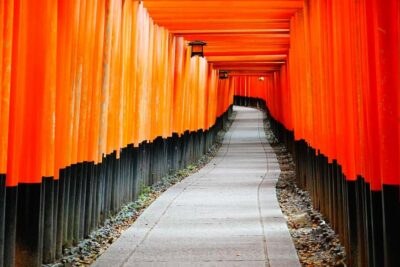
Kinkakuji,Arashiyama,FushimiInariShrine,NaraPark
Read our review →
Nara, Fushimi Inari Taisha, Arashiyama Bus Tour
Read our review →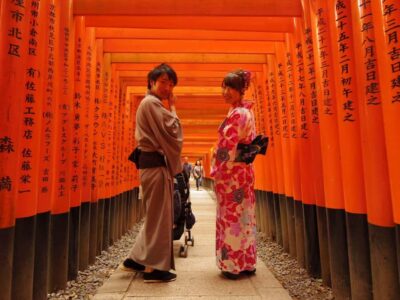
Arashiyama, Nara & Fushimi Inari Shrine w/Lunch
Read our review →
Nijo Castle, Kiyomizu & Fushimi Inari Guided Tour
Read our review →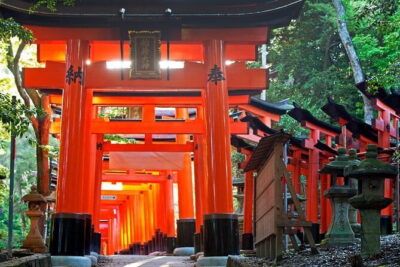
Nijo, Kinkaku-ji, Arashiyama, Kiyomizu & Fushimi Inari
Read our review →