Reviewed · GION GEISHA QUARTER WALKS
Kyoto: Gion Morning/Night Walking Tour
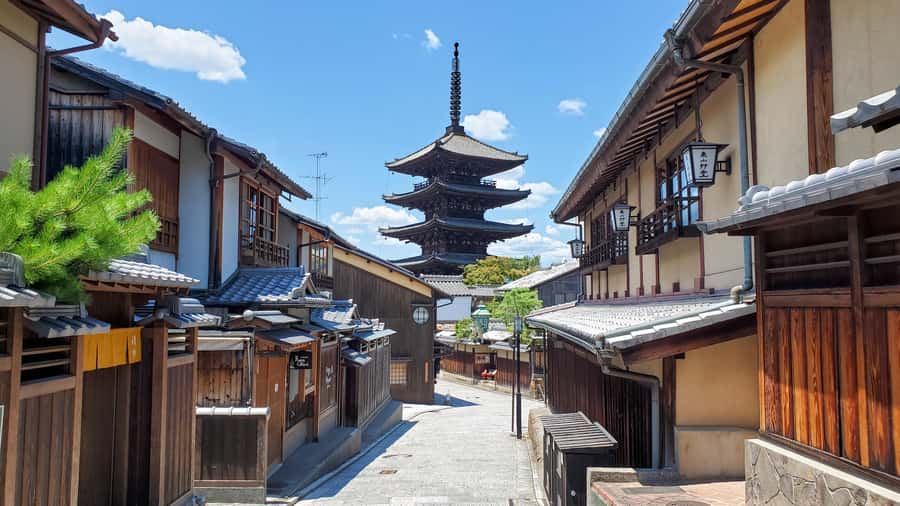
Kyoto’s Gion feels magical before the crowds move in. On a guided walk through the district, you get to see traditional wooden houses and tea houses while a local guide explains the history and culture still visible in everyday street life. Two things I love: the calm atmosphere at the start of the day and the way the guide keeps the route grounded in real stories, not just photo stops. One drawback to consider is that this is not a geisha-viewing guarantee, so if that is your only goal, you may be disappointed.
I like that the tour works for different interests because it’s flexible on the ground, including a guide who can adapt the walk to your needs. English-language guiding is standard, and you’ll get a focused walk where time is spent on the sights you came for. Bring comfortable walking shoes and plan for weather changes, since you’re on foot the whole time.
Meet your guide at Exit 4 on the ground and the tour ends back at the same meeting point. You’ll want a camera and water, and remember: smoking is not allowed.
In This Review
- Key highlights worth your time
- Why Gion in the morning or after dark feels different
- Meeting at Exit 4 and setting expectations for your walk
- What your guide actually adds, and why it’s part of the value
- Traditional wooden houses and tea houses: what you’ll focus on
- Morning vs nighttime: how to choose your best time slot
- Lesser-known spots and a route that can follow your interests
- Price and value: what $40 covers in Kyoto
- A practical packing and comfort checklist for Gion streets
- Who this tour is best for, and who should skip it
- Should you book the Kyoto Gion morning or night walking tour?
- FAQ
- Where do I meet the guide?
- When does the tour end?
- Is hotel pickup or drop-off included?
- What’s included in the tour price?
- What should I bring?
- Are meals and drinks provided?
- Are entrance fees included for attractions?
- Is smoking allowed?
Key highlights worth your time
- Exclusive morning access to see Gion before the crowds arrive and the streets tighten up
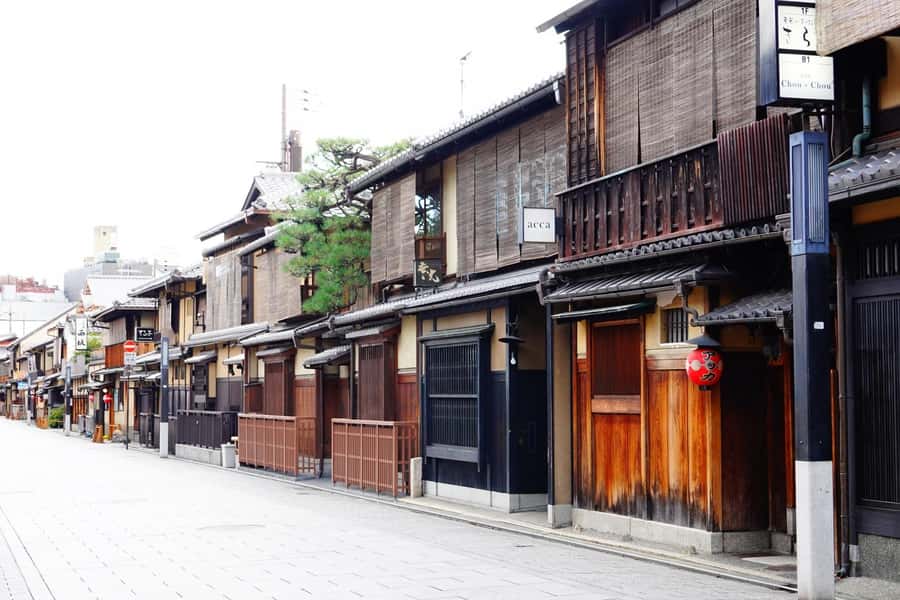
- Quiet, photo-friendly wandering through narrow lanes of traditional streetscapes
- Local storytelling from your guide about the district’s history and culture you can still feel today
- Morning or nighttime mood so you can choose calm sakura season vibes or a more atmospheric evening walk
- Lesser-known spots that go beyond the most obvious postcard views
- Rain turns into a bonus when you’re ready to photograph the wet streets and reflections
Why Gion in the morning or after dark feels different
Gion is one of those places where timing changes everything. Going in the morning means you get the streets closer to how locals experience them, with a calmer pace and fewer people competing for the same angles. The tour description calls out peaceful atmosphere before the crowds arrive, and that’s exactly the point if you want to actually enjoy the architecture instead of dodging foot traffic.
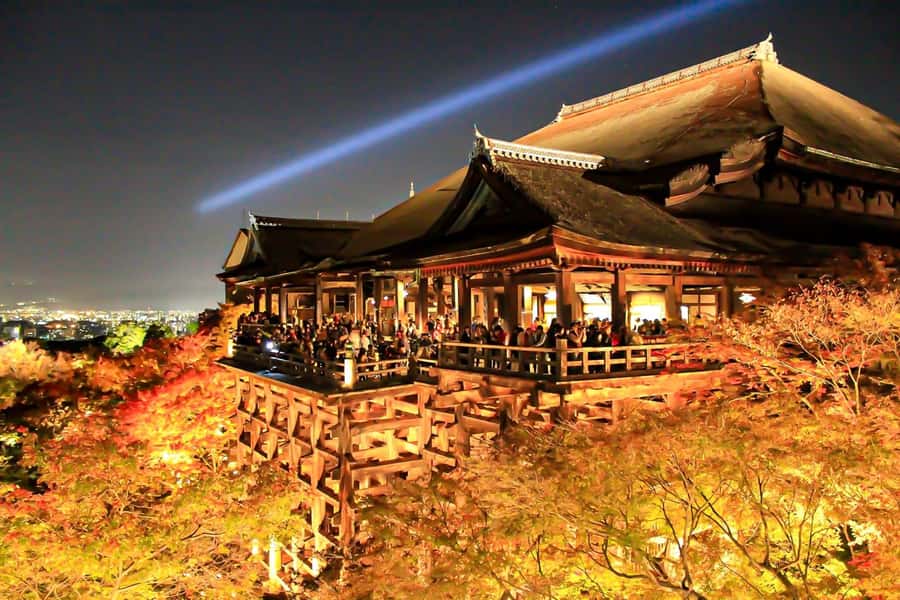
Nighttime brings a different sort of magic. One review mentioned incredible photos taken in the rain during a night walk, and I get the appeal. Wet streets can make old wood and stone look richer, and the district’s narrow lanes feel more cinematic when the crowds thin out.
Still, keep your expectations realistic. This walk is about the neighborhood, the houses, and the stories behind what you’re seeing. It is not a promise of a specific sight like geishas on cue.
Meeting at Exit 4 and setting expectations for your walk
Logistics are simple, which I appreciate when I’m on vacation. You meet the guide at Exit 4 on the ground, and the tour finishes back at that same spot. That means you can plan your day without worrying about complicated transport or long end-of-tour transfers.
Because it’s a walking tour, you should plan your footwear like it matters, because it does. The tour guidance is clear: bring comfortable shoes, carry water, and bring a camera. Weather is listed as a real factor too, so bring what you need to stay comfortable if clouds roll in or rain starts.
Also note the basic rules: smoking is not allowed. It’s a small point, but it helps keep the experience respectful, especially in a residential and heritage district.
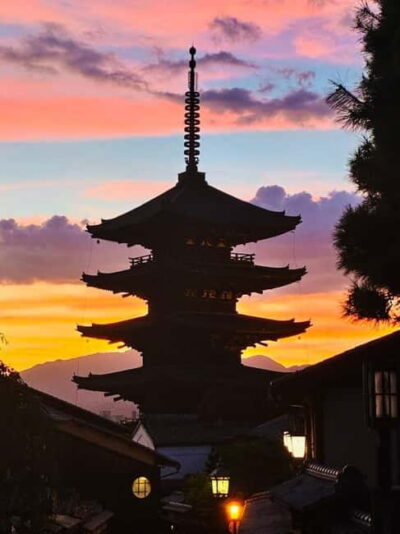
Lantern-lit streets of the geisha quarter
- Kyoto Geisha Walking Tour: Gion District & Hidden Gems
★ 4.7 · 3,273 reviews - Kyoto: Gion Magical Night Walking Tour with Geisha Trivia
★ 4.9 · 2,393 reviews - Kyoto: Gion Geisha District Walking Tour – Stories of Geisha
★ 4.7 · 2,187 reviews - Best of Kyoto: Gion, Geisha, Pagodas & Cobblestones
★ 4.9 · 2,058 reviews
What your guide actually adds, and why it’s part of the value
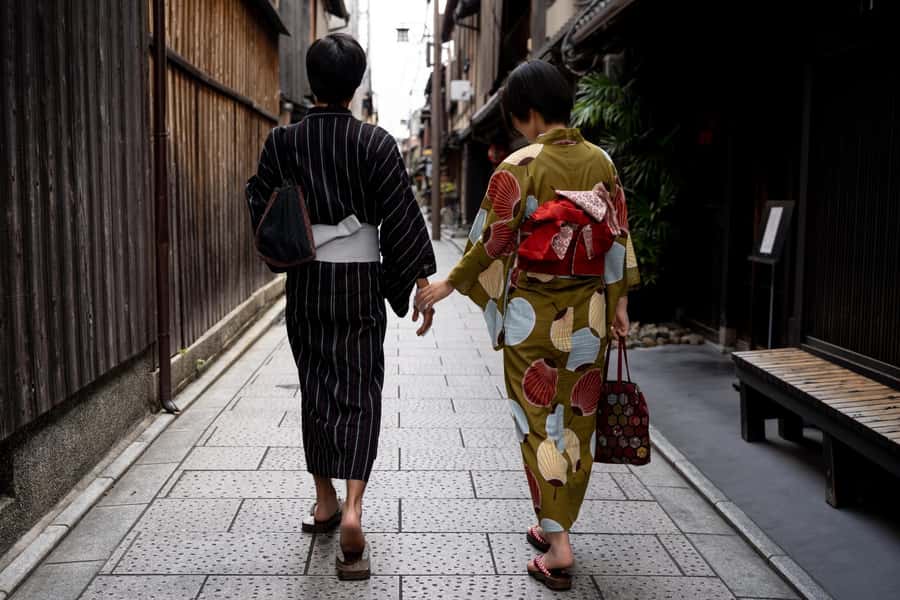
The best part of this tour is the human element. You’re not just paying for a route, you’re paying for a guide to interpret what you see. The tour includes a local guide who explains the history of the area and the local culture that’s still present in Gion today.
One review highlighted a guide named Kimu as kind, polite, and knowledgeable, and specifically mentioned adapting the tour to the group’s needs. That matters because Gion can be confusing if you’re just wandering, even if you can read a map. A guide helps you connect the dots, like why the streets are laid out the way they are and what the architecture tells you about the district.
There’s also a practical upside: you can walk with fewer mental interruptions. Instead of stopping every few minutes to figure out what you’re looking at, you hear the context and keep moving. One review also praised following a personal itinerary, which tells me you should expect some flexibility in what you emphasize.
One potential drawback shows up in a review that complained about understanding everything and not finding geishas. That suggests two things to consider. First, go in ready for street-level explanation, not a silent museum tour. Second, if you need very clear audio, position yourself where you can hear the guide well, especially in busier moments.
Traditional wooden houses and tea houses: what you’ll focus on
As you walk, the emphasis is on seeing Gion’s traditional streetscape up close. The tour highlights narrow streets, traditional wooden houses, and tea houses. That combo is the core reason to do this instead of just strolling on your own. Someone with local context can point out what to look for and how to read the neighborhood.
This is also where photography becomes a big part of the experience. The tour asks you to bring a camera, and that’s not just for show. Narrow lanes, aged wood, and repeated design details look better when you have time to step aside, frame a shot, and understand what part you’re photographing. One review specifically said they got incredible photos in the rain, and that tells you to keep your camera ready if the weather changes.
One more tip I’d give you: slow down mentally when you see a quiet side street. Gion is full of small contrasts, and your guide’s stories tend to land best when you pay attention to the details around you, not only the largest buildings on the main lanes.
Morning vs nighttime: how to choose your best time slot
You’re basically choosing the vibe.
Morning is for calm and early views. The highlights mention traditional Gion with free access in the morning, less crowded streets, and a peaceful atmosphere before the crowds arrive. One review praised a morning walk with a local guide in a quiet Gion, including sakura that had already started to bloom. Even if you’re not visiting during peak bloom, spring timing can add a softer, more hopeful mood to the wooden streets.
Nighttime is for atmosphere and texture. If you want the district to feel more cinematic, nighttime has that option. The reviews included comments about exploring Gion at night and getting great photos even in rain. Night also tends to change how you notice light on older surfaces, especially in a place where buildings are close together.
My practical advice: pick morning if you want relaxed conversation and calm walking, and pick nighttime if you’re comfortable moving through a more visually complex environment and you enjoy mood-driven street photography.
Lesser-known spots and a route that can follow your interests
One reason this walk earns strong marks is that it goes beyond the obvious. A review mentioned visiting lesser-known spots and hearing the stories behind them, which is exactly what turns a street walk into a real experience. If you’ve ever wandered a historic area and felt like you were just looking at scenery, this is the fix.
Another review said the guide helped explore the Gion district which is magical at night, and also noted that the guide adapted the tour to needs. That suggests you shouldn’t expect a rigid script where you only do one style of sightseeing. Instead, you can steer the walk toward what you care about: more architecture-focused pauses, more cultural context, or more photo time in the weather.
If you are the type who likes to understand why a place looks the way it looks, this tour fits well. Gion isn’t just old buildings, it’s a living district shaped by tradition, and the guide helps you notice the small signals that are easy to miss alone.
Beat the crowds with an early start

Price and value: what $40 covers in Kyoto
At $40 per person, you’re paying for a guided walking experience with local context plus exclusive morning access. The included items are straightforward: guided walking tour of the Gion district, local tour guide, and exclusive morning access to Gion. Meals and drinks are not included, and entrance fees to specific attractions are also not included.
So the value question is really about time and interpretation. If you do Gion on your own, you can see the streets, but you might miss why the neighborhood functions the way it does, and you may spend your time figuring out what you’re looking at instead of experiencing it. The tour’s strength is that it trades your uncertainty for clear stories.
Also, the tour provider is listed as Jacalize Co., Ltd, and the languages listed include English. That’s useful for planning and expectations, especially if you want a guide to explain history and culture rather than leaving you to piece it together on your own.
A practical packing and comfort checklist for Gion streets
This tour is simple, but it’s still Kyoto. You’ll walk in real conditions, so pack like a walker.
- Bring comfortable shoes because the route is on foot through narrow streets
- Carry water, since the tour guidance explicitly says to stay hydrated
- Bring a camera to capture traditional buildings and tea house street views
- Expect varying weather, and plan for rain if it’s in the forecast
- Don’t smoke during the tour, since smoking is not allowed
Also, if you’re someone who gets cold easily, remember that morning can feel cooler than you expect. If you’re going at night, think about comfort for longer walking in cooler air.
Who this tour is best for, and who should skip it
This walking tour is best for you if you want an easy, well-framed way to experience Gion. It’s a great fit for first-time Kyoto visitors who want a sense of how neighborhoods work, not just a checklist of major sites. It’s also a solid option for anyone who enjoys photography, because the tour explicitly encourages bringing a camera and the reviews mention standout night photos even in rain.
It’s also a good choice if you like local storytelling. You’ll learn about the history of the area and the local culture still present today, and that interpretive layer is where the best moments tend to happen.
You might want a different plan if you are mainly chasing a specific sight on command. One review was disappointed about not seeing geishas, and this tour description focuses on the district’s streets, traditional houses, and tea houses. If your top goal is a guaranteed performance or a specific attraction with an entrance ticket, this is probably not the tool you need.
You should also consider that entrance fees and meals are not included, so treat this as a focused walk, then pair it with your own food plans and any ticketed stops you want afterward.
Should you book the Kyoto Gion morning or night walking tour?
Book it if you want a guided walk where the streets matter. The strongest reasons to go are the crowd-light timing at the start of the day, the emphasis on traditional wooden houses and tea houses, and the way the local guide connects what you see to the history and culture that still feel present. At $40, you’re paying for interpretation and time in the district, not for admission tickets.
Don’t book it if you need guaranteed geisha sightings or if you want a ticket-based highlights tour with specific attractions. This experience is about understanding Gion and walking its lanes with a guide, so show up for the neighborhood, not a specific cameo.
If you’re on the fence, choose the time based on your mood. Morning suits calm and early photos, and nighttime can feel more magical, especially if weather gives you a chance for moody images. Either way, wear good shoes, bring your camera, and let the guide do what guides are best at: explain the quiet details you’d otherwise miss.
FAQ
Where do I meet the guide?
Please meet the guide at Exit 4 on the ground.
When does the tour end?
The activity ends back at the meeting point.
Is hotel pickup or drop-off included?
No. Hotel pickup and drop-off are not included.
What’s included in the tour price?
You get a guided walking tour of the Gion district and a local tour guide. The morning option also includes exclusive morning access to Gion.
What should I bring?
Wear comfortable walking shoes. Bring a camera and carry water.
Are meals and drinks provided?
No. Meals and drinks are not included.
Are entrance fees included for attractions?
No. Entrance fees to specific attractions are not included.
Is smoking allowed?
No. Smoking is not allowed during the tour.
More Walking Tours in Kyoto

More Evening Experiences in Kyoto

New This Season
- Koyasan Day Trip by Private Car from Kyoto
- Old Port Town and Ultimate Sake Tasting Private Tour From Kyoto
- Kyoto’s Timeless Charm: 3hr Exploration of History and Peace
- Kyoto: 5 Types of Sushi Making
- Sacred Peak & Ancient Paths: Kurama-Kibune Hiking Experience
- Kyoto: Exclusive ZEN practice at Manpukuji temple in Uji
- Kyoto: Private Seasonal Aroma Yoga Class
- Traversing Kyoto’s Scenic West – Arashiyama to Kinkakuji
Gion Geisha Quarter Walks, compared.
Kyoto Geisha Walking Tour: Gion District & Hidden Gems
Read our review →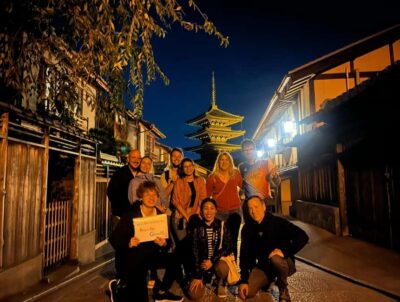
Gion Magical Night Walking Tour with Geisha Trivia
Read our review →
Gion Geisha District Walking Tour – Stories of Geisha
Read our review →
Best of Kyoto: Gion, Geisha, Pagodas & Cobblestones
Read our review →

Kyoto Night Foodie Tour in Gion (9+ dishes + 6 Sake tastings)
Read our review →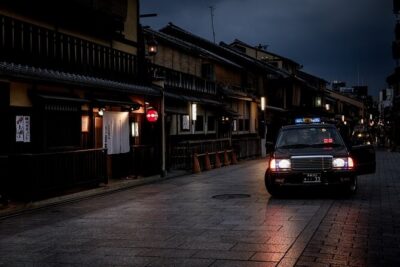
Kyoto Gion Geisha District Walking Tour – The Stories of Geisha
Read our review →