
Reviewed · GION GEISHA QUARTER WALKS
Kyoto Gion Tea ceremony & Wabi-sabi Walking Tour
Wabi-sabi tastes better in the streets of Gion. This Kyoto tour pairs a guided stroll through Gion with the kind of tea-culture explanation that turns abstract ideas into something you can actually notice, starting with everyday details like bowls and textures. You also get a proper matcha tea ceremony experience, with an approach rooted in Japanese aesthetics, not just pouring tea.
What I really like is that you are not only sightseeing. You are learning how tea culture thinks about inside beauty, the idea that nature, season, and simplicity matter. The second standout for me is the pacing in a small group of 7, where you can ask questions and still move through multiple stops: Kenninji Temple, a pottery visit for wabi-sabi tea bowls, and a quiet Zen setting before the tea master ceremony.
One possible drawback to plan for: the tour is strict about timing, and it is not designed for wheelchairs or strollers. If you are late, you can miss part of the walk and the tea ceremony itself, so build in buffer time.
In This Review
- Key takeaways before you go
- Gion to Zen temples: what makes this tour feel different
- Where you meet and how to start smoothly at Gion-Shijo
- The Gion stroll: matcha culture in a real neighborhood
- Kenninji Temple: the oldest Zen stop and why it matters for tea
- Pottery and wabi-sabi tea bowls: the hands-on part
- Higashiyama pacing: short stops for sights, shopping, and regrouping
- Entoku-in and the karesansui moment: linking Zen gardens to tea
- The tea ceremony with a tea master: choosing your bowl and tasting season
- Price and value: is $92 fair for what you get?
- Who this tour suits best
- When to skip, or how to plan around the limits
- Should you book Kyoto Gion Tea Ceremony and Wabi-sabi Walking Tour?
- FAQ
- Where is the meeting point?
- How long is the tour?
- Is tea ceremony experience included, and what do I get?
- Are temple entrance fees included?
- Do I need to speak Japanese?
- How big is the group?
- What is the minimum age for the tea ceremony?
- Is the tour wheelchair accessible?
- What happens if I am late?
- Can the tour be canceled due to weather?
Key takeaways before you go
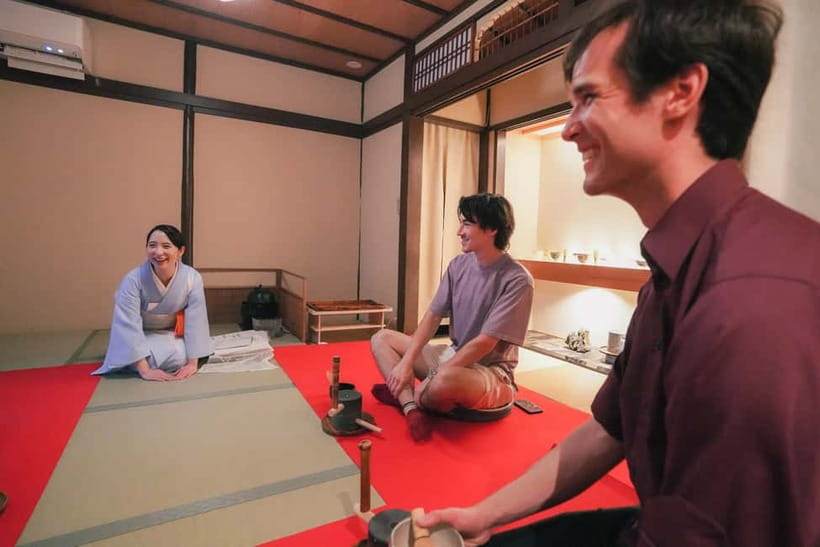
- Small group size: limited to 7 participants, which makes the explanations feel personal.
- English guide, likely Masa: expect clear, hands-on storytelling about tea culture and wabi-sabi.
- Kenninji Temple plus a quiet garden stop: you get Zen visuals that help the tea philosophy make sense.
- Pottery shopping focus: you will see and appreciate wabi-sabi tea bowls up close before sitting down.
- A real tea master ceremony: matcha, Japanese sweets, and choosing a bowl based on season and taste.
- Pace is walking-heavy: you will cover multiple locations in roughly 3.5 hours, and some spots are not accessible.
Gion to Zen temples: what makes this tour feel different
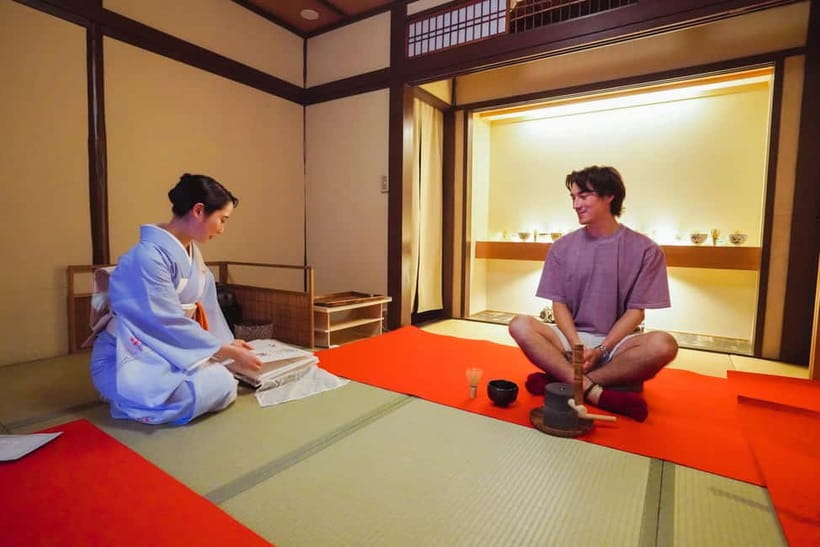
Kyoto tea culture can sound like a museum topic. This tour keeps it human. You start in Gion, then move toward Zen spaces, so the tea ceremony is not floating out of nowhere. You are building the context as you walk, looking, touching, and listening.
The big idea here is wabi-sabi, the way Japanese aesthetics finds beauty in imperfection, aging, and natural simplicity. I like that the tour does not treat wabi-sabi as a slogan. It is connected to objects you see in real places, especially tea utensils like bowls, where the season and the material matter.
And yes, you end up drinking real matcha. That part is satisfying in the simplest way. You get the calm of the ceremony, plus a small seasonal snack served with the matcha.
Where you meet and how to start smoothly at Gion-Shijo
The meeting point is very specific, which is good news. You meet in front of the Izumo no Okuni Statue, right outside Exit 5 of Gion Shijo Station on the Keihan Line. Look for the guide holding an orange signboard that says Magical Trip Tour.
Try to arrive a bit early. The tour starts on time, and if you are late you cannot join the tour, and you will not get a refund or a reschedule. That matters most on a tea ceremony experience, because the ceremony is the main event and it is time-based.
Also, plan around the fact that this can include other participants. The tour is small, but it still has a group feel. If you like lots of personal space, you may prefer a private option elsewhere.
More bowls, poured the traditional way
- Kyoto: Tea Ceremony in a Traditional Tea House in Kiyomizu
★ 4.9 · 3,519 reviews - Kyoto: Tea Ceremony Ju-An at Jotokuji Temple
★ 4.9 · 3,207 reviews - Kyoto: 45-Minute Tea Ceremony Lesson Experience
★ 4.3 · 2,378 reviews - Kyoto: Table-Style Tea Ceremony at a Kyo-Machiya
★ 4.9 · 1,211 reviews
The Gion stroll: matcha culture in a real neighborhood
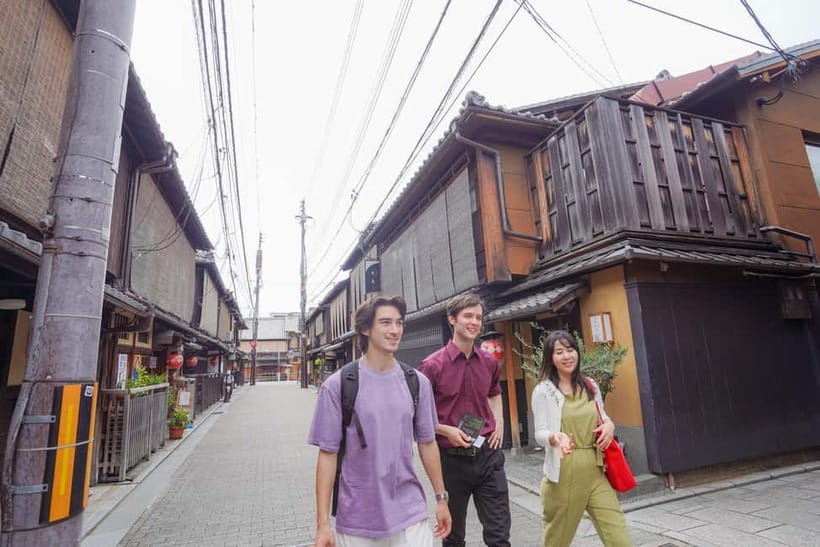
The walk begins in Gion, with a guided sightseeing segment of about 30 minutes. This is not just a photo loop. Gion is where Kyoto’s tea world feels grounded, because you are surrounded by historic atmosphere and old-school craft commerce.
You will also visit a famous matcha shop as part of the walking route. That gives you an easy way to connect the words matcha and tea ceremony to what is actually sold and made nearby, not just what you read online later.
In plain terms, this first part helps you switch modes. Instead of racing from sight to sight, you start noticing materials, shapes, and seasonal cues, which come up again during the ceremony.
Kenninji Temple: the oldest Zen stop and why it matters for tea
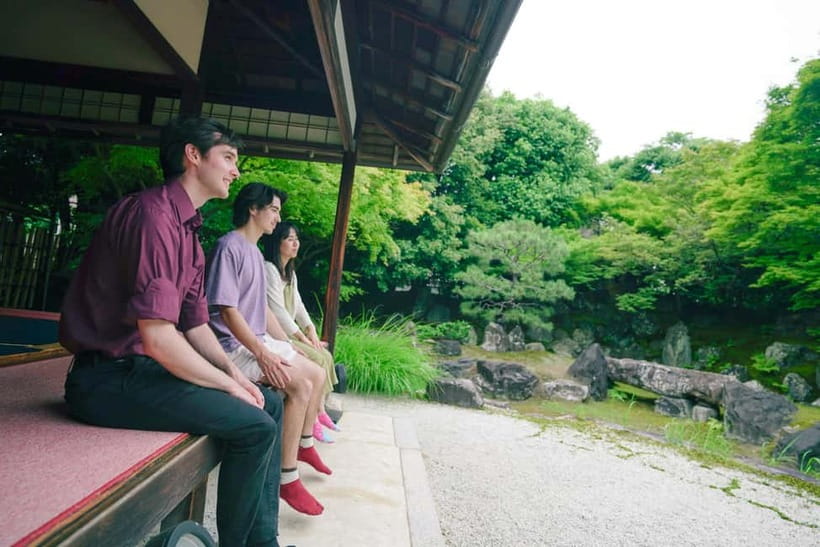
Kenninji Temple is one of the anchor points on the route, with a guided visit of about 30 minutes. This is where the tour’s Zen angle becomes more than a theme.
Tea ceremony grew alongside Zen aesthetics, and you can feel that connection when you visit a temple space that is meant for quiet attention. You are not expected to learn everything at once. The guide’s job is to translate the background so it clicks: why tea is treated as a practice, not a beverage.
I like that this stop is timed fairly long for a walking tour. You get breathing room to look at details and to understand what you are seeing, instead of treating it like a quick checkpoint.
Pottery and wabi-sabi tea bowls: the hands-on part
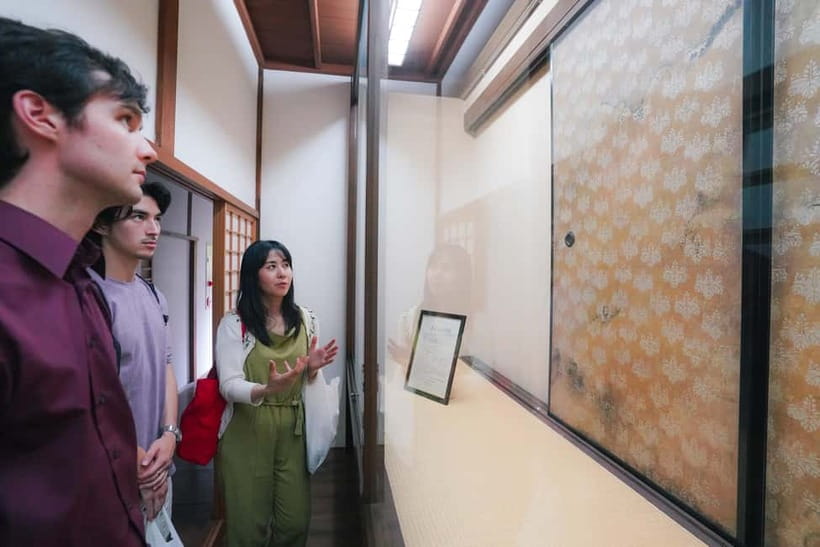
One of the most useful moments in this tour happens around tea utensils and wabi-sabi bowls. You will admire wabi-sabi tea bowls at a traditional pottery shop, where the imperfections are not errors. They are part of the design language.
Seeing bowls in person helps you understand the aesthetic idea behind the ceremony. Wabi-sabi is about a kind of beauty you notice up close. The guide will connect what you are seeing to how tea is served and why certain choices matter.
This is also a good stop for anyone who likes crafts. Even if you do not buy anything, you get a sense of why Japanese ceramics feel personal and seasonal, rather than mass-produced and interchangeable.
Higashiyama pacing: short stops for sights, shopping, and regrouping
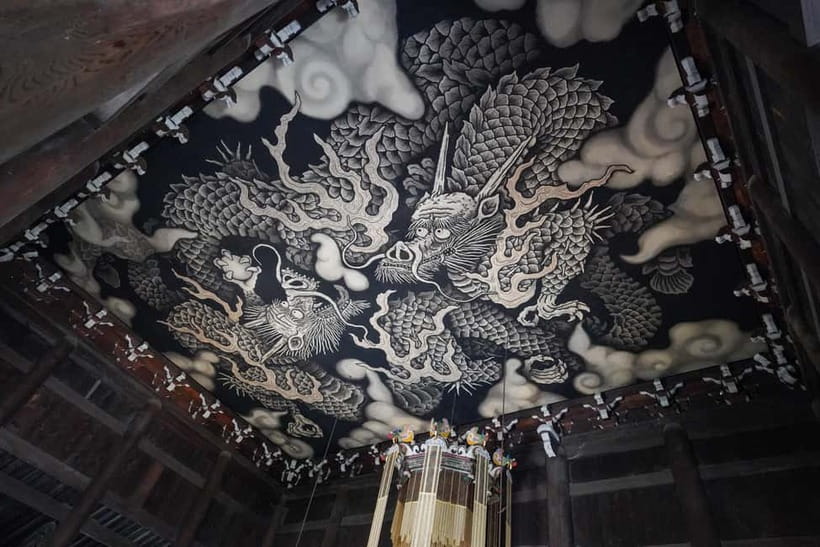
Between temple visits, the tour includes several guided segments in Higashiyama Ward. You get short sightseeing blocks, plus time for shopping and observation.
These smaller segments do two helpful things:
1) they keep energy steady for a 210-minute experience
2) they stop the day from turning into only temples and only ceremony
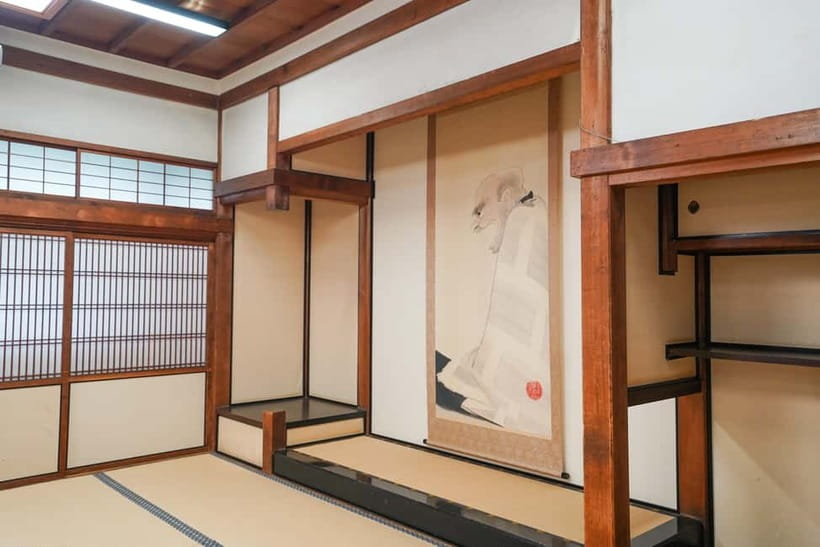
In practice, this means you can reset your expectations a few times. You get to look at Japanese paintings and other visual details at a quiet temple area, then you move on. If you are the type who gets impatient when a tour feels rushed, the broken-up schedule tends to feel more comfortable.
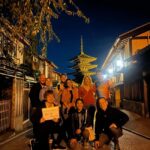
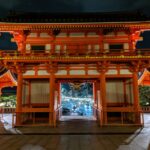
Lantern-lit streets of the geisha quarter

Entoku-in and the karesansui moment: linking Zen gardens to tea
A key stop is Entoku-in, with a guided visit of about 30 minutes. This is where the tour’s wabi-sabi lens becomes visual.
You will view karesansui, a dry landscape Zen garden, at a quiet temple setting. Even if you do not know the names of every element, the mood is the point. The ceremony’s philosophy is about attention, restraint, and a sense that nature works with time, not against it.
The tour also includes viewing Japanese paintings here. That pairing can be powerful, because painting and pottery both communicate the same idea: beauty can come from restraint, unevenness, and thoughtful simplicity.
The tea ceremony with a tea master: choosing your bowl and tasting season
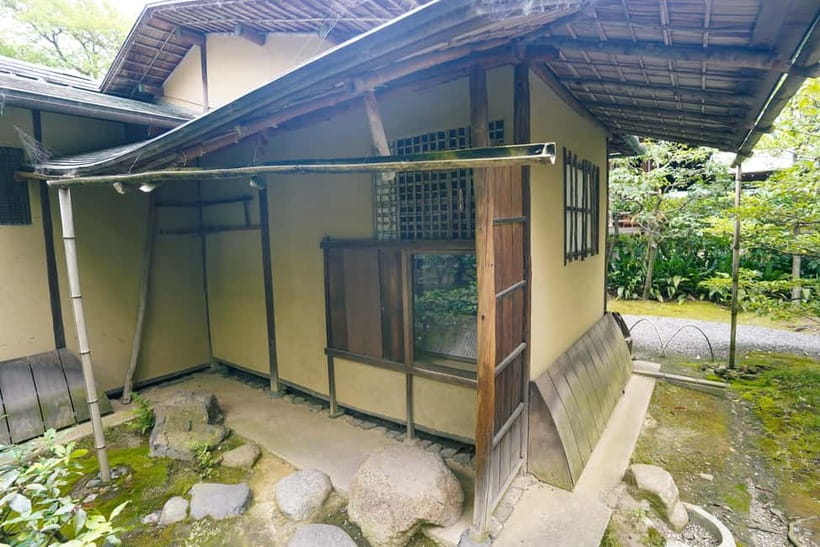
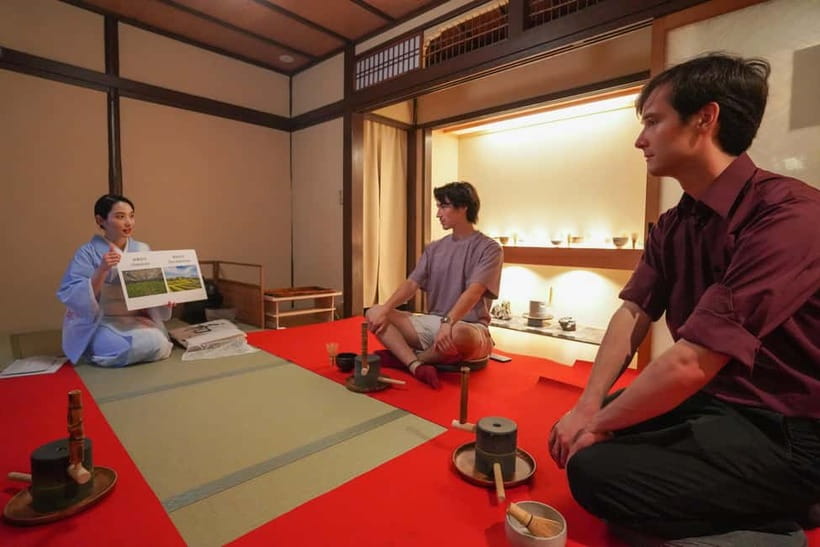
The final act is the tea ceremony under a tea master, lasting about 45 minutes. This is where the walk pays off. All the talk about wabi-sabi should translate into your senses when you sit down.
You choose a tea bowl according to season and taste. That detail matters. It turns the ceremony into something designed for the time of year and for your preferences, not a one-size-fits-all show.
You enjoy matcha along with Japanese sweets. The tour also includes a small snack served with the matcha during the experience, so you are not leaving empty-handed.
If you like calm experiences, this part is often the payoff. One guide-led ceremony can feel slow in the best way, with a pace that encourages you to notice small steps, like the serving style and the way the utensils fit the moment.
Price and value: is $92 fair for what you get?
At $92 per person for 210 minutes, the value comes from what is included, not from the walk alone.
You get:
- a tea ceremony experience with matcha and a small seasonal snack
- entrance fees for 2 temples
- an English-speaking guide
- photos taken during the tour
For a short-group Kyoto experience, that combination usually costs more if you try to piece it together on your own. Plus, you are getting explanation that ties everything together: why Zen spaces and tea objects connect to wabi-sabi.
The one tradeoff is time. This is not a relaxed stroll where you can wander off. It is scheduled, and it expects you to keep up and arrive on time.
Who this tour suits best
This is a smart pick if you:
- want a Kyoto tea experience that feels cultural, not commercial
- like walking with a guide who explains the why behind the what
- enjoy small-group attention and a calm finish
- are interested in wabi-sabi aesthetics through objects like tea bowls
It also works well for people who want something more meaningful than a standard temple-and-photo route. The tea master segment is the reason many people book, but the route makes that tea ceremony feel earned.
When to skip, or how to plan around the limits
Skip it if you need wheelchair access. The tour is listed as not suitable for wheelchair users, and some locations are not accessible by wheelchair or stroller.
Also skip, or at least plan carefully, if you cannot reliably be on time. The tour must start on time, and you cannot join if you miss the group. Because the tea ceremony is scheduled at the end, being late can mean missing the main experience.
Finally, check the season for comfort. Kyoto temperatures can swing hard, with summer highs reaching 40°C and winter lows down to -5°C. Dress for the weather so you can enjoy the walking without suffering.
Should you book Kyoto Gion Tea Ceremony and Wabi-sabi Walking Tour?
Book it if you want a tea ceremony that is more than sipping matcha. The best reason to go is that the day connects Gion, Zen temples, wabi-sabi tea bowls, and the ceremony itself into one logic you can feel with your eyes and hands.
Hold off if you are looking for a casual, flexible stroll, or if accessibility is a must. This is a scheduled small-group experience with walking segments and a time-based tea ceremony.
If you are trying to choose between another Kyoto tea option and this one, I would pick this when you care about the philosophy and the objects, not just the drink.
FAQ
Where is the meeting point?
You meet in front of the Izumo no Okuni Statue, right outside Exit 5 of Gion Shijo Station (Keihan Line). The guide holds an orange signboard that says Magical Trip Tour.
How long is the tour?
The tour duration is 210 minutes, about 3.5 hours.
Is tea ceremony experience included, and what do I get?
Yes. The tour includes a tea ceremony experience with matcha and a small seasonal snack, plus Japanese sweets served with the ceremony.
Are temple entrance fees included?
Yes. Entrance fee for 2 temples is included.
Do I need to speak Japanese?
No. The tour includes an English-speaking guide.
How big is the group?
The group is small, limited to 7 participants.
What is the minimum age for the tea ceremony?
Tea ceremony can only accommodate participants who are 6 years old or older. Children younger than that can join, but one adult must accompany them outside the facility during the experience.
Is the tour wheelchair accessible?
No. It is not suitable for wheelchair users, and some locations are not accessible by wheelchair or stroller.
What happens if I am late?
The tour must start on time. If you are late and miss the group, you will not be able to join, and you will not receive a refund or a reschedule.
Can the tour be canceled due to weather?
Yes. The tour might be canceled in unsuitable weather for safety reasons.
More Walking Tours in Kyoto
New This Season
- Koyasan Day Trip by Private Car from Kyoto
- Old Port Town and Ultimate Sake Tasting Private Tour From Kyoto
- Kyoto’s Timeless Charm: 3hr Exploration of History and Peace
- Kyoto: 5 Types of Sushi Making
- Sacred Peak & Ancient Paths: Kurama-Kibune Hiking Experience
- Kyoto: Exclusive ZEN practice at Manpukuji temple in Uji
- Kyoto: Private Seasonal Aroma Yoga Class
- Traversing Kyoto’s Scenic West – Arashiyama to Kinkakuji
Gion Geisha Quarter Walks, compared.
Kyoto Geisha Walking Tour: Gion District & Hidden Gems
Read our review →
Gion Magical Night Walking Tour with Geisha Trivia
Read our review →
Gion Geisha District Walking Tour – Stories of Geisha
Read our review →
Best of Kyoto: Gion, Geisha, Pagodas & Cobblestones
Read our review →

Kyoto Night Foodie Tour in Gion (9+ dishes + 6 Sake tastings)
Read our review →
Kyoto Gion Geisha District Walking Tour – The Stories of Geisha
Read our review →
Kyoto Gion: 2-Hour Geisha Culture & History Walking Tour
Read our review →Also filed under