
Reviewed · FUSHIMI INARI SHRINE WALKS
Kyoto Home Cooking Class &Supermarket tour near Fushimiinari
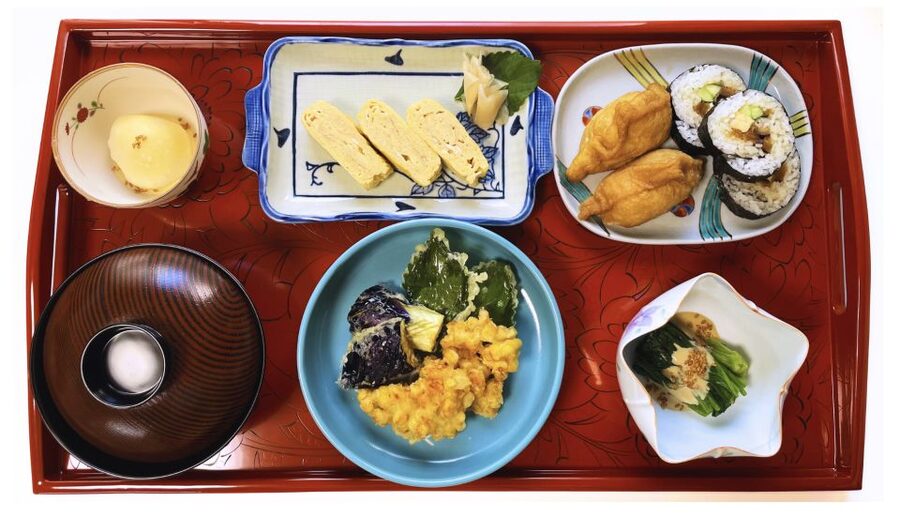
Cook Kyoto style, then shop the pantry. In a small group near Fushimiinari, you learn Japanese flavor from scratch, cook about 5 dishes, then eat them together in a traditional room with a garden view, before heading into a local supermarket with your instructor.
I especially love the traditional Japanese room atmosphere with that garden view, and I love that the class starts with dashi so you understand what makes Japanese food taste like Japanese food.
One consideration: this experience is not suitable for wheelchair users, and there is no hotel pick-up or drop-off.
In This Review
- Key things I’d circle before you book
- A small-group Kyoto home you’ll actually feel comfortable in
- First lesson: Dashi, the flavor base behind everything
- Hands-on cooking: about 5 dishes with clear guidance
- Lunch in the garden-view room, the best part of learning
- After lunch: the supermarket tour that teaches shopping like a local
- How the teaching stays approachable for different travelers
- Price and time: what you’re paying for, and why it can be fair value
- Who should book this class (and who might not)
- Should you book Kyoto Home Cooking Class and Supermarket tour near Fushimiinari?
- FAQ
- How long is the Kyoto home cooking class and supermarket tour?
- What language is the class taught in?
- What’s included in the price?
- Can vegetarians and vegans join?
- What should I bring?
- Is the class suitable for children or wheelchair users?
Key things I’d circle before you book
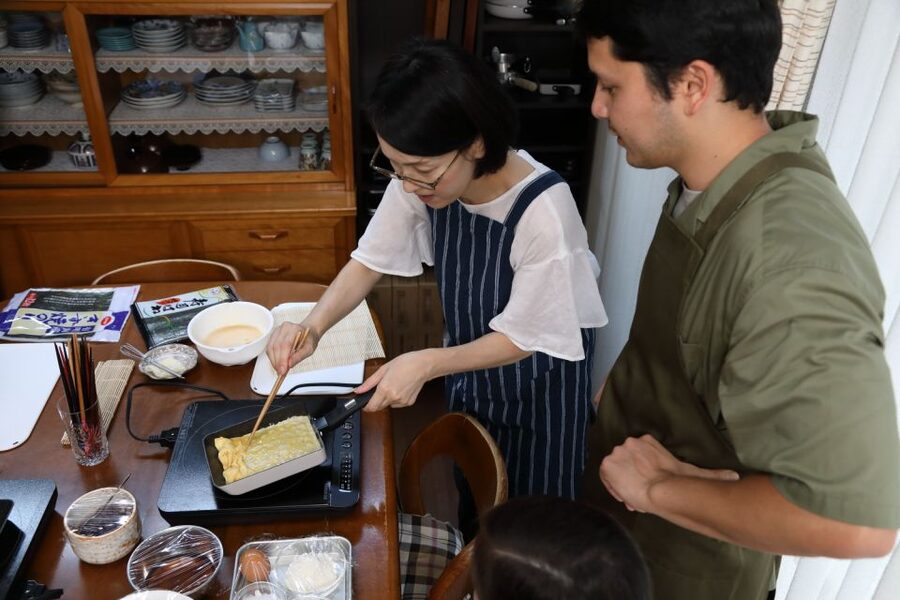
- Maximum 6 people, so you get real attention, not a “watch and hope” class
- Entirely English instruction, led by licensed guide interpreters
- You cook about 5 dishes, not just one demo
- Vegetarian and vegan welcome, since vegetarian dashi is used
- Supermarket tour after lunch, where you see what to buy and how to spot it
- You get the recipes of what you make, so you can repeat it at home
A small-group Kyoto home you’ll actually feel comfortable in
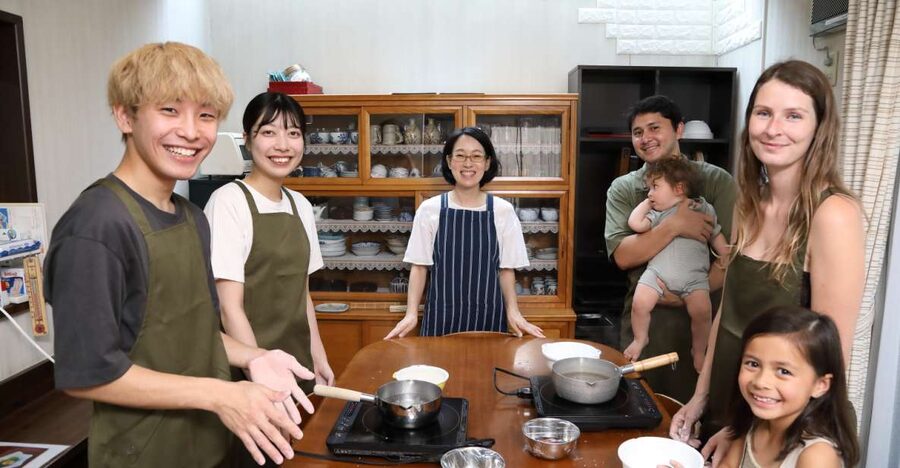
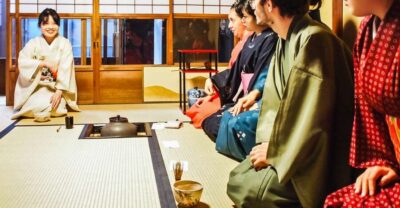
This class has that rare feeling of being invited over, not herded through a routine. The cooking happens in an authentic Japanese room with a garden view, and the vibe is calm, warm, and very “hosted.” Even if you’re solo, you’re not stuck watching from the side. You end up cooking, eating, and asking questions like you belong there.
Location is near Fushimiinari, which matters because it keeps this from feeling like a long day-trip production. You’re in Kyoto, not on the outskirts of nowhere, and the timing is manageable: about 4 hours from start to finish.
The small group size is a big deal for value. With up to 6 participants, instructions can stay direct and practical, and you get enough time to make your own food, not just assemble a plate. That also makes it easier for the instructor to adjust pacing if you have questions mid-recipe.
First lesson: Dashi, the flavor base behind everything
Japanese cooking can feel mysterious until you learn the foundation. Here, you start with dashi, the soup stock that shows up across Japanese cuisine. Instead of treating it like a random ingredient, the class focuses on what it does for flavor, and why it matters in dishes that may look very different on the surface.
This is where the class becomes more useful than a typical cooking show. If you understand dashi as a base, you can start making smarter choices later at home. You stop guessing, you start building flavor on purpose.
There’s also a practical note for dietary needs. The class uses a vegetarian dashi option, so vegetarian and vegan guests can take part. That’s important because many “Japanese cooking classes” still sneak fish-based stock into everything unless you push hard for a special request.
Still climbing through the orange gates?
- Kyoto: Fushimi Inari, Kinkakuji, Bamboo Grove 1 Day Bus Tour
★ 4.8 · 4,316 reviews - Fushimi Inari Hidden Hiking Tour (Private Option Available)
★ 5.0 · 1,750 reviews - Osaka/Kyoto:Kinkakuji,Arashiyama,FushimiInariShrine,NaraPark
★ 4.1 · 1,596 reviews - Kyoto/Osaka: Nara, Fushimi Inari Taisha, Arashiyama Bus Tour
★ 4.7 · 1,275 reviews
Hands-on cooking: about 5 dishes with clear guidance
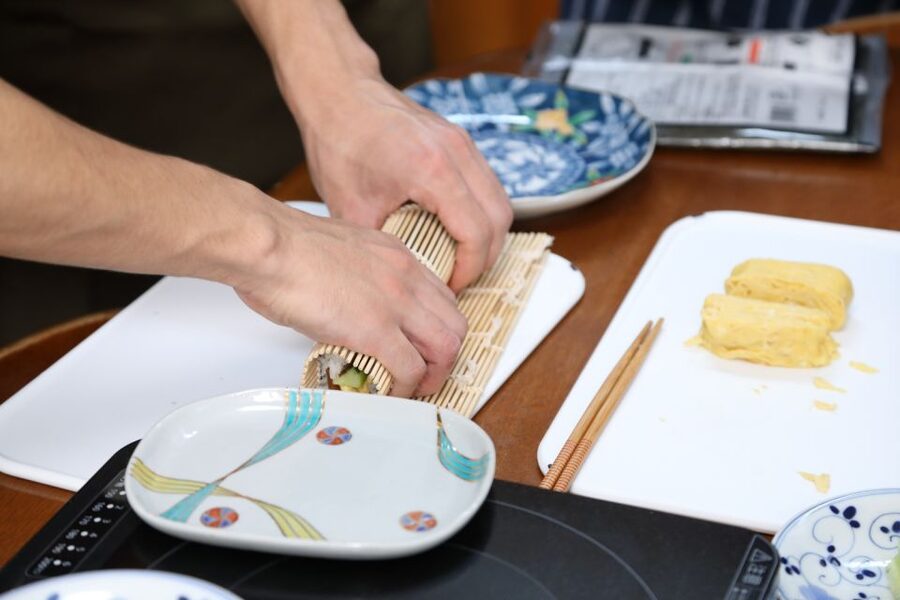
You’ll cook around 5 dishes during the class, either on your own or with your partner. The structure is simple and effective: the instructor demonstrates key steps first, and then you take over and cook yourself. That helps your hands learn the motions, not just your brain learn the theory.
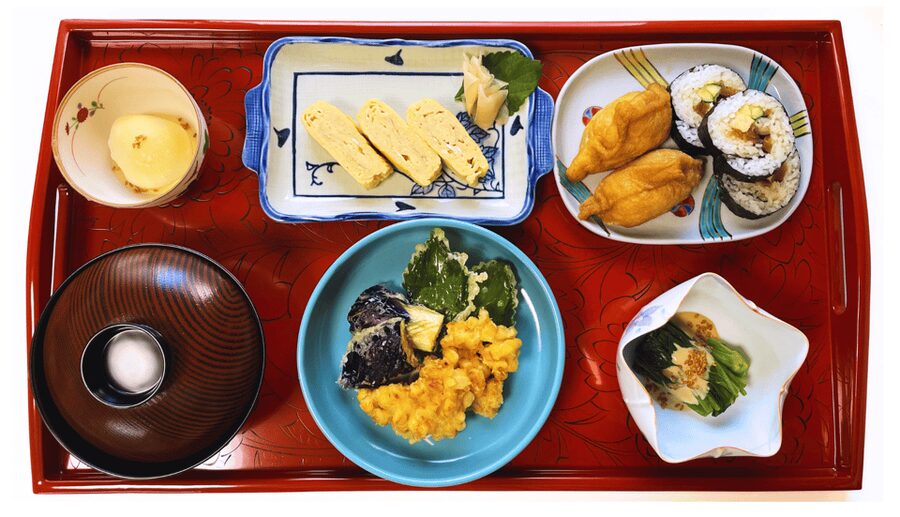
Menu items can vary by season. Still, the pattern stays consistent: you’ll work with core Japanese techniques and ingredients, and you’ll get recipes so you can recreate the results later. In past menus, people have made dishes like Japanese omelet, miso soup, tempura, sushi, rolled egg, salad, and a mochi-style dessert. You might see some or all of those depending on timing and seasonal availability.
What I like about this approach is that it teaches technique through repetition, not through a single “wow dish.” For example, working on an omelet-like dish teaches cutting, seasoning, and texture control. Tempura-style cooking highlights batter consistency and timing. Sushi and rolled items build comfort with rice seasoning and shaping.
Also, you’re not left translating on your own. The instructors are licensed guide interpreters, and instruction is in English throughout. That reduces the stress of cooking in a new language while you’re trying to focus on your pan, your bowl, and your timing.
Lunch in the garden-view room, the best part of learning
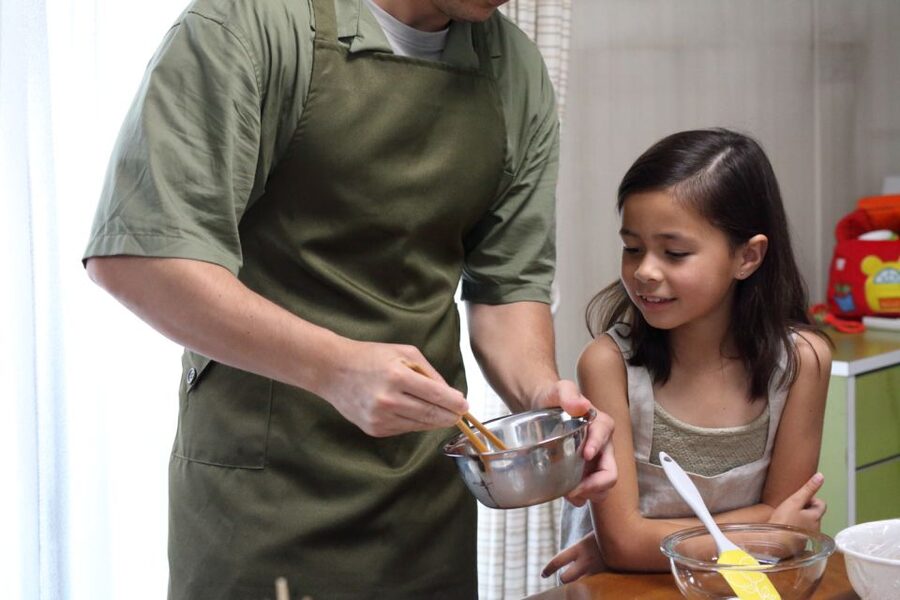
Cooking is only half the deal. The payoff is eating what you made in a very traditional Japanese room with a fantastic garden view. You sit together and enjoy the dishes right after you finish cooking, which makes the whole experience feel connected instead of rushed.
This matters because food tastes different when you know what you did. When you’ve handled the ingredients and watched the steps, you start noticing details like balance, salt level, and texture. You can actually learn from your own meal instead of just consuming it.
The lunch setup also changes the pacing. It breaks the cooking day into two clean phases: learn and cook, then eat and reset. That makes a 4-hour class feel focused rather than exhausting.
One more thing: this kind of room-based meal is also a cultural moment. You’re eating in a Japanese home-style setting, not on a generic studio table. That adds meaning to the cooking skills you pick up, because you see where the food fits into daily life.
After lunch: the supermarket tour that teaches shopping like a local
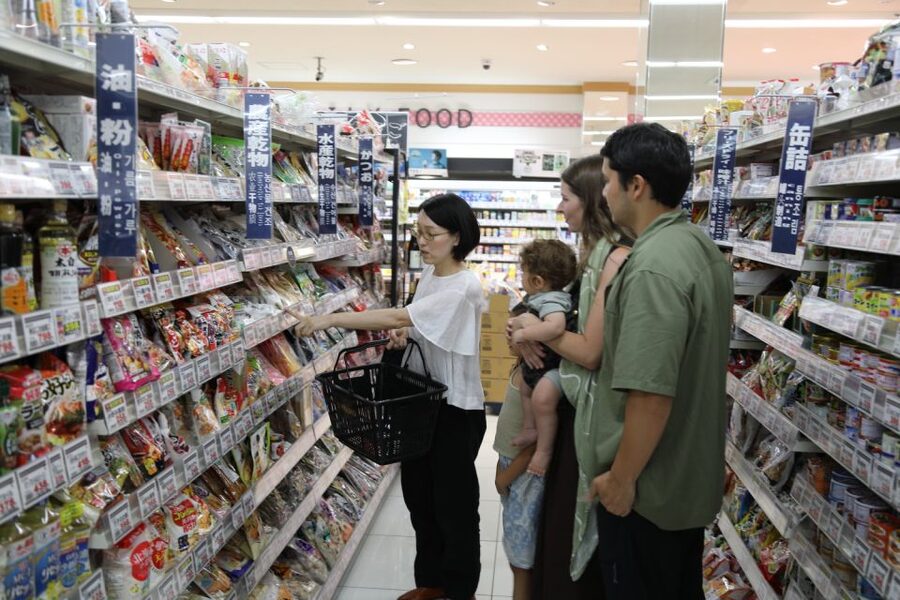
Then comes my favorite practical segment: a walk through a local supermarket to find the ingredients you used. You’re not just told what to buy. You see it on shelves, you learn what labels and shapes look like in Japan, and you get help spotting the right items quickly.
This is the part that turns a cooking class into a real future skill. Back home, the hardest part of Japanese cooking is sourcing the correct basics. The supermarket tour helps you build a mental checklist: what you need for dashi, what seasonings show up repeatedly, and which ingredients are worth hunting for.
You can also buy ingredients if you want, so you leave with a plan. That is a simple, high-value way to make sure the class doesn’t end when lunch ends.
One note from how this tends to run: you may get a little extra guidance around produce and pantry basics before you get into the main aisle time. Either way, the goal stays the same. You learn how to shop in a way that matches the recipes you cooked.
How the teaching stays approachable for different travelers
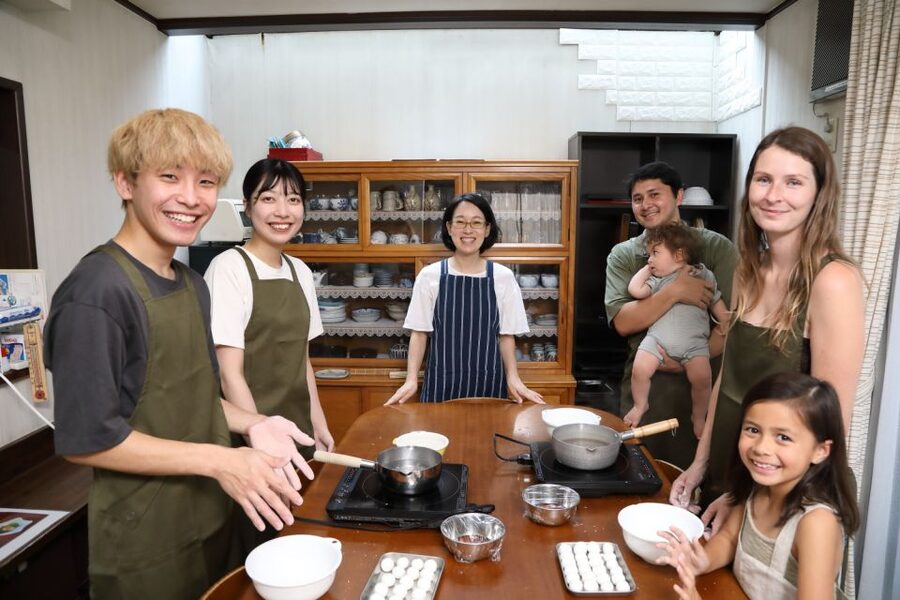
This class works for English speakers, but it’s also designed for non-English speakers. Since instruction is in English and the instructors are licensed guide interpreters, you still get clear explanations and the flow stays understandable. For people who worry about language barriers while cooking, this is a real comfort.
The instructors are also described as friendly and attentive. That shows in how lessons are paced and how directions are given. People note the host can be direct and detailed, and that they make the experience feel easy to follow. That combination matters because Japanese cooking depends on small steps done correctly.
If you’re traveling with kids, there are some important constraints. Children under 6 are not suitable. For kids aged 12 and below, a guardian needs to participate. On top of that, the menu may be adapted depending on season, and in at least one case the setup has been made kid-friendly while still teaching core techniques.
Finally, the class is built around the fact you’ll cook. You need to wear socks, because socks are specifically requested. That’s one of those small “don’t ignore this” details that makes the whole setup more comfortable once you arrive.
A quieter way to spend a day in Kyoto

Price and time: what you’re paying for, and why it can be fair value
At $127 per person for 4 hours, this isn’t just a snack-and-smile activity. You get a full lunch, all seasonings and ingredients, and instruction that stays hands-on, plus a supermarket tour where the teaching continues in a real shopping environment.
What drives the value here is the combination:
- Small group size (max 6)
- You cook multiple dishes, not only watch
- You get recipes for what you made
- You get ingredient guidance after lunch, which helps you use what you learned later
Hotel pick-up and drop-off is not included, so you’ll want to plan your own way to the class location near Fushimiinari. Gratuity is also not included, so budget for that separately if you usually tip in Japan.
In short, the price makes sense if you want skills you can repeat. If you only want a quick taste of Japanese food with minimal effort, a tasting menu might feel more efficient. But if you want to learn how to cook and shop for Japanese flavors, this is the kind of experience that actually pays off after your trip.
Who should book this class (and who might not)
I’d put this on your Kyoto list if you want more than restaurants. You’ll like it if you enjoy hands-on cooking, you want to understand how Japanese ingredients work together, and you’re curious about shopping for the right items after the class.
It also suits solo travelers well. The group stays small, and the hosting style is described as welcoming and patient, so you’re not left awkwardly standing around.
It might not suit you if you use a wheelchair, since the experience is not suitable for wheelchair users. It also may be less ideal for very young kids given the age limits.
Should you book Kyoto Home Cooking Class and Supermarket tour near Fushimiinari?
If you want a practical Kyoto experience, I’d book it. This is one of those classes where your learning doesn’t stop at lunch. You cook, you eat in a real Japanese home-style setting with garden views, then you learn what to buy and how to recognize ingredients in a local supermarket.
Book it especially if you care about repeating results at home. The recipe handout and the supermarket tour do the heavy lifting of turning training into future meals.
If you hate prep work, don’t. This is hands-on cooking, so you should be ready to stand, stir, and follow steps closely. And remember the simple practical rule, bring socks, and plan your own transportation since pick-up and drop-off are not provided.
FAQ
How long is the Kyoto home cooking class and supermarket tour?
The experience lasts 4 hours.
What language is the class taught in?
The class is taught in English.
What’s included in the price?
Lunch is included, along with all seasonings and ingredients.
Can vegetarians and vegans join?
Yes. The class uses vegetarian dashi, so vegetarian and vegan guests are welcome.
What should I bring?
Bring socks, since socks are specifically requested for the class.
Is the class suitable for children or wheelchair users?
Children under 6 are not suitable. For children aged 12 and below, a guardian must participate. The experience is not suitable for wheelchair users.
More Workshops in Kyoto

New This Season
- Koyasan Day Trip by Private Car from Kyoto
- Old Port Town and Ultimate Sake Tasting Private Tour From Kyoto
- Kyoto’s Timeless Charm: 3hr Exploration of History and Peace
- Kyoto: 5 Types of Sushi Making
- Sacred Peak & Ancient Paths: Kurama-Kibune Hiking Experience
- Kyoto: Exclusive ZEN practice at Manpukuji temple in Uji
- Kyoto: Private Seasonal Aroma Yoga Class
- Traversing Kyoto’s Scenic West – Arashiyama to Kinkakuji
Fushimi Inari Shrine Walks, compared.
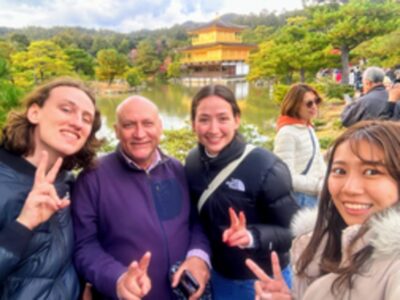
Fushimi Inari, Kinkakuji, Bamboo Grove 1 Day Bus Tour
Read our review →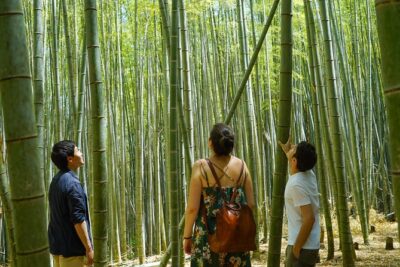
Fushimi Inari Hidden Hiking Tour (Private Option Available)
Read our review →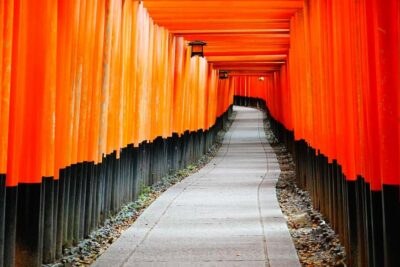
Kinkakuji,Arashiyama,FushimiInariShrine,NaraPark
Read our review →
Nara, Fushimi Inari Taisha, Arashiyama Bus Tour
Read our review →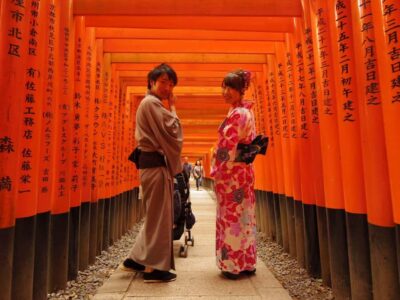
Arashiyama, Nara & Fushimi Inari Shrine w/Lunch
Read our review →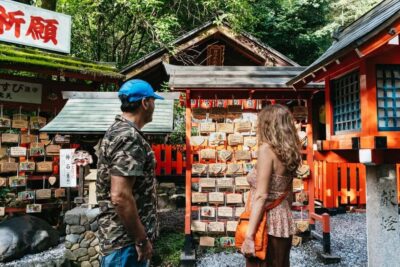
Nijo Castle, Kiyomizu & Fushimi Inari Guided Tour
Read our review →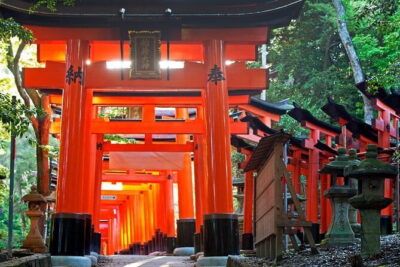
Nijo, Kinkaku-ji, Arashiyama, Kiyomizu & Fushimi Inari
Read our review →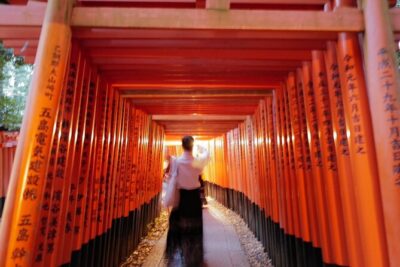
Also filed under