
Reviewed · ARTISAN CRAFT WORKSHOPS
Kyoto: Japanese Calligraphy Class in 150 years old townhouse
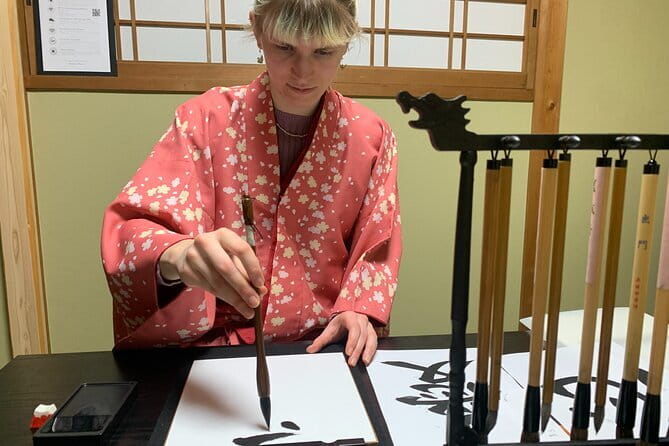
A calm brushstroke in Kyoto.
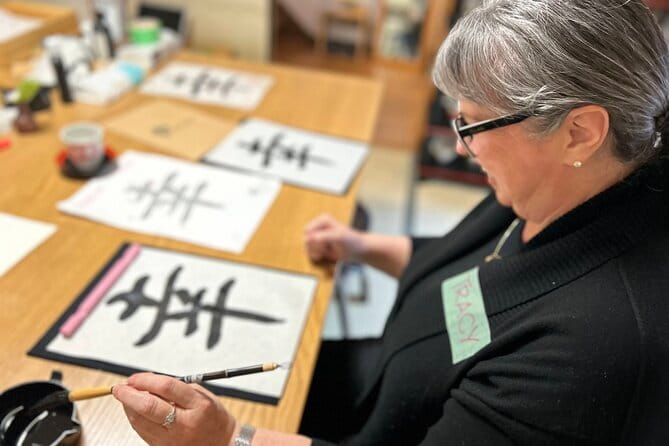
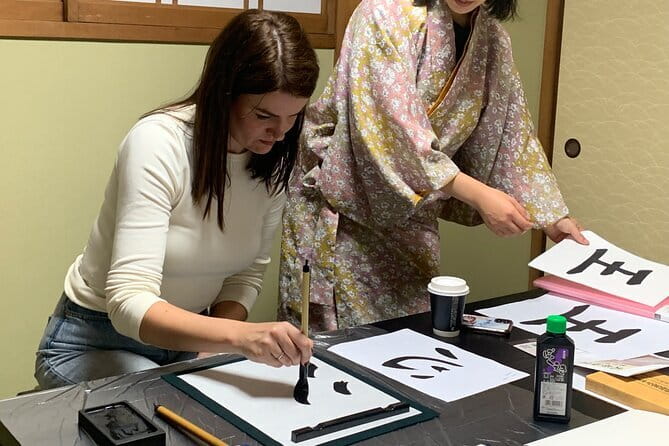
In the historic Ninenzaka area, you’ll step into a 150-year-old townhouse for an easy, beginner Japanese calligraphy class that feels more like a peaceful reset than a rushed lesson.
I especially like the way this course mixes hands-on practice with a short, clear intro to what calligraphy is and where it comes from. And because the class runs in English every day, you are not left guessing what you are supposed to do with the brush.
One consideration: the total time is about 50 minutes, so if you want a longer session to redo strokes slowly, you might feel a little pressed for time.
In This Review
- Key highlights you should care about
- Why Ninenzaka feels right for calligraphy
- Inside the 50-minute calligraphy session
- What you actually learn as a beginner
- The instructors make the difference
- Socks, pace, and other practical details
- Where to meet in Ninenzaka
- Is $43 worth it for Kyoto calligraphy?
- Pair it with a Higashiyama itinerary
- Who should book this calligraphy class?
- Should you book Kyoto calligraphy in a 150-year-old townhouse?
- FAQ
- FAQ
- How long is the Kyoto calligraphy class?
- Is the class taught in English?
- Do I need to bring socks?
- Are children allowed?
- What is the group size?
- Where do I meet for the activity?
- Is there a mobile ticket?
- What happens if the weather is bad?
Key highlights you should care about
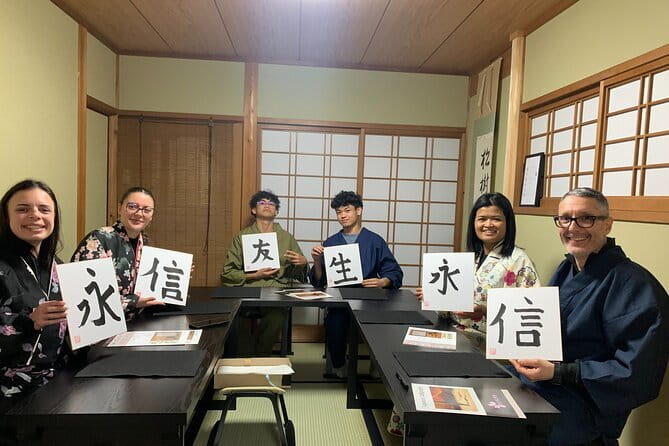
- Historic Ninenzaka townhouse setting that makes the class feel calm and special without being complicated
- English classes every day, so beginners can focus on technique instead of translation
- Patient instruction that supports your tries, even when your first attempts are wobbly
- A short calligraphy background plus practical guidance you can use immediately
- Small group size up to 18 people, which helps you get attention when you need it
- You leave with your own calligraphy result, a satisfying take-home souvenir
Why Ninenzaka feels right for calligraphy
Kyoto’s Higashiyama area is where you start to feel the city’s old rhythm, and Ninenzaka is a big reason why. Strolling here, you’re surrounded by lanes and traditional buildings that make Japanese calligraphy feel less like a museum thing and more like something that belongs in real life.
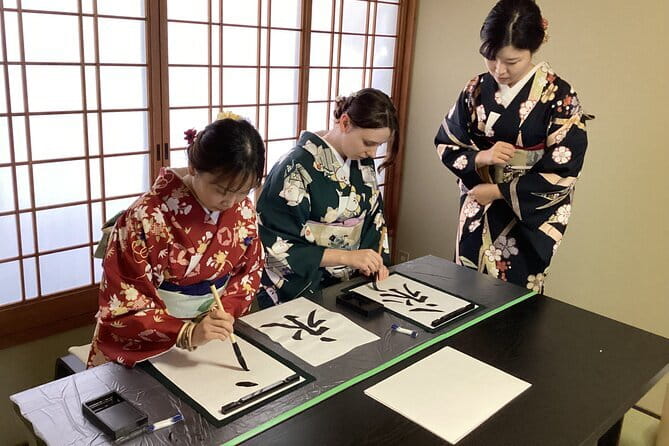
This class takes place in a 150-year-old townhouse through Tea Ceremony & Cultural Experience Kangetsu Kyoto. That matters. When you sit in a space with old wood and quiet corners, the lesson goes down easier. You tend to slow down, pay attention, and concentrate on the feel of the brush rather than worrying about being “good” right away.
Inside the 50-minute calligraphy session
The lesson is about 50 minutes, and it follows a simple, beginner-friendly flow. You meet at the Tea Ceremony & Cultural Experience Kangetsu Kyoto location in Ninenzaka, then the session moves from explanation to action.
Here’s the practical shape of the class:
1) Welcome and guidance. You get instructions on how to hold and use the brush for basic strokes.
2) A short calligraphy context. You’ll receive a brief, informative history and meaning of calligraphy, not a long lecture.
3) Guided practice. You follow along step-by-step, then try again. The tone stays supportive, which is key when your first attempts don’t look like the examples.
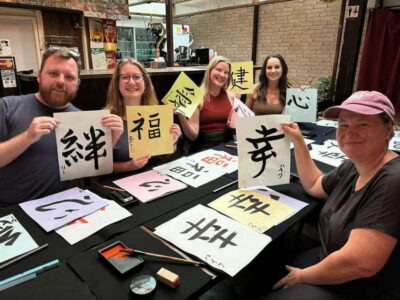
4) A finished result to take home. You leave with what you made during the session, which is a big part of the value.
At the end, it’s back to the meeting point. So you can plan the rest of your day without worrying about a long transfer or a complicated route.
Make something with a Kyoto craftsman
- Authentic knife making experience at a blacksmith in Kyoto
★ 4.8 · 350 reviews - Kyoto: Calligraphy class at Buddhist temple in city center
★ 5.0 · 167 reviews - Roketsu dyeing experience: M course Roketsu Dyeing Experience
★ 5.0 · 163 reviews - Kyoto: Japanese Calligraphy Class
★ 4.8 · 89 reviews
What you actually learn as a beginner
This is designed for beginners, and that shows in how the teaching is paced. You are not expected to know Japanese writing or calligraphy beforehand. Instead, the class focuses on essential techniques and getting you comfortable with the core mechanics: brush control, basic stroke shapes, and putting intention into each line.
You also learn enough background to understand what you are looking at. In plain terms, calligraphy is not only about copying characters. It’s about how the strokes feel, how they start and finish, and how balance shows up on the page. Getting even a short explanation helps your attempts land better, because you know what “correct” means beyond just the shape.
If you’ve ever tried to copy a handwritten word and wondered why it looked different from the original, this lesson directly addresses that feeling. You practice with feedback, so improvement comes from corrections, not guesswork.
The instructors make the difference
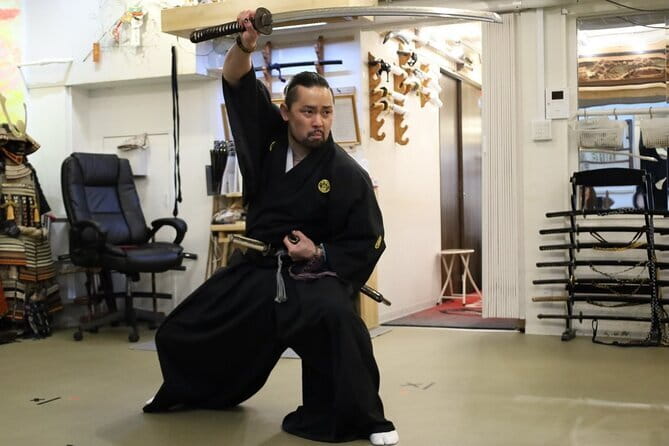
The standout strength here is the teaching style. The master and assistant approach the class with patience, and they adjust based on your pace. That matters because calligraphy rewards calm attention, not speed.
In the classroom, the guidance tends to be clear but flexible. If you need a few tries, the lesson keeps moving in a way that does not make you feel rushed or silly. One of the most common compliments is that the teacher explains things well and stays instructive when you are on your third or fourth attempt.
The result: you get a lesson that feels productive, not stressful. And yes, you should expect to concentrate. Your strokes will not improve if you are distracted. The upside is that this focus becomes a relaxing kind of quiet for an hour.
Socks, pace, and other practical details
Before you go, there are a few small rules that affect your comfort.
First, wear socks. If you forget, you can purchase socks on site. This is the kind of detail that can derail your mood if you only realize it at the door, so toss a pair into your day bag.
Second, children under 12 are not allowed. So this is more of an adult-and-teen-friendly activity than a family workshop.
Third, remember the class length. It’s about 50 minutes. That time is perfect if you want a focused session and a take-home piece without turning your Kyoto day into a half-day event. But it can feel a bit rushed if you want extra time to redo everything slowly. If you are the type who always wants “one more try,” you may notice the clock.
Finally, the group stays small, up to 18 travelers. That helps the atmosphere stay personal and gives you a better chance to get attention if you are stuck.
Where to meet in Ninenzaka

You start at:
Tea Ceremony & Cultural Experience Kangetsu Kyoto
日本文化体験教室 寒月 京都二年坂349-19
Masuyachō, Higashiyama Ward, Kyoto, 605-0826, Japan
You end back at the meeting point.
It’s also listed as near public transportation, which helps if your plan is to combine this with a Higashiyama walking day. Since you return to the same spot, you can thread the class into your route without backtracking too much.
You’ll use a mobile ticket, and confirmation comes at booking time unless you book within 8 hours of travel, in which case confirmation happens as soon as possible subject to availability.
A quieter way to spend a day in Kyoto
Is $43 worth it for Kyoto calligraphy?
At $43 per person for about 50 minutes, the value depends on what you want from Kyoto.
If your goal is a quick cultural stop where you actively make something, this price is reasonable. You are paying for:
- Hands-on guidance from a teacher who supports beginners
- An English class every day, so you can understand instructions
- A take-home souvenir created during the session
- A setting that feels authentic, in a historic townhouse rather than a generic studio
If you are coming to Kyoto with long lists and tight schedules, this class also fits the reality of travel days. You get a structured experience without burning half your day. And because the class is limited to 18 people, you are not competing for teacher attention.
If you are expecting a long practice course, or you want deep skill-building across multiple sessions, then $43 for 50 minutes might feel like a first step, not a master course. But as an introduction you can actually finish, it’s solid.
Pair it with a Higashiyama itinerary
This is a great match for the Ninenzaka and Sannenzaka vibe. You can book the class, then spend the rest of your time wandering those streets with a different brain. Calligraphy gives you that focused quiet, and afterward you can switch back to sightseeing.
Because you return to the meeting point, I’d plan it like this:
- Morning or early afternoon: calligraphy class
- Later time: walk the Ninenzaka lanes, browse small shops, grab a snack, then see whatever temples or viewpoints you still want
It also works well as a break from temples if you feel like you’ve been walking nonstop. The lesson is designed for beginners and tends to be calm, so it resets your energy.
Who should book this calligraphy class?
Book it if you want:
- A beginner Japanese calligraphy experience with clear instruction
- A calm activity that still feels productive
- An English-speaking cultural lesson in a historic setting
- A take-home souvenir that comes from your own work
You might skip it if:
- You need a longer session to feel satisfied with practice time
- You are traveling with a child under 12, since participation is not allowed
- You get stressed by focused tasks, because calligraphy does require concentration
Should you book Kyoto calligraphy in a 150-year-old townhouse?
Yes, if you want a meaningful Kyoto activity that doesn’t require prior knowledge. This class hits the right balance of supportive teaching, short background, and hands-on practice. The historic Ninenzaka townhouse setting adds a lot to the mood, and the English instruction makes it beginner-friendly in a real way.
If you are tight on time, 50 minutes is a strong format. If you love slow, repetitive practice, just be aware the pace can feel quick.
FAQ
FAQ
How long is the Kyoto calligraphy class?
It runs for about 50 minutes.
Is the class taught in English?
Yes. The experience offers classes in English every day.
Do I need to bring socks?
You need to wear socks. If you forget, you can purchase socks.
Are children allowed?
Children under 12 years old are not allowed.
What is the group size?
The class has a maximum of 18 travelers.
Where do I meet for the activity?
Meet at Tea Ceremony & Cultural Experience Kangetsu Kyoto (日本文化体験教室 寒月 京都二年坂349-19, Masuyachō, Higashiyama Ward, Kyoto, 605-0826, Japan). The activity ends back at the meeting point.
Is there a mobile ticket?
Yes. The tour uses a mobile ticket.
What happens if the weather is bad?
The experience requires good weather. If it’s canceled due to poor weather, you’ll be offered a different date or a full refund.
New This Season
- Koyasan Day Trip by Private Car from Kyoto
- Old Port Town and Ultimate Sake Tasting Private Tour From Kyoto
- Kyoto: 5 Types of Sushi Making
- Sacred Peak & Ancient Paths: Kurama-Kibune Hiking Experience
- Kyoto’s Timeless Charm: 3hr Exploration of History and Peace
- Kyoto: Exclusive ZEN practice at Manpukuji temple in Uji
- Kyoto: Private Seasonal Aroma Yoga Class
- Traversing Kyoto’s Scenic West – Arashiyama to Kinkakuji
Artisan Craft Workshops, compared.
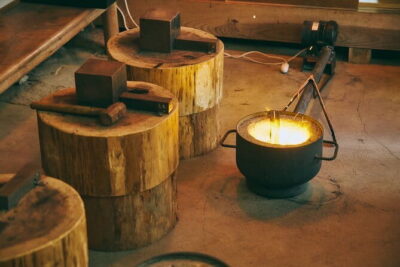
Authentic knife making experience at a blacksmith in Kyoto
Read our review →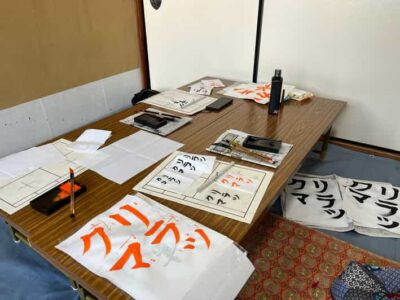
Calligraphy class at Buddhist temple in city center
Read our review →
Roketsu dyeing experience: M course Roketsu Dyeing Experience
Read our review →

Traditional Japanese Washi Papermaking- Kyoto morning
Read our review →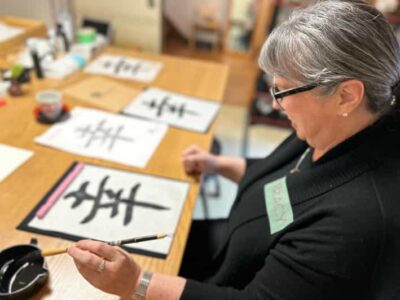
Also filed under