
Reviewed · ARTISAN CRAFT WORKSHOPS
Kyoto: Japanese Pottery Painting Workshop (next-day pickup)
Your Kyoto souvenir comes from your own brushstrokes.
At Mitsuhashi Touho, you pick a ceramic piece and spend about 90 minutes painting your design, from matcha bowls to decorative pieces, learning the techniques and care that keep the craft practical. I love that you leave with a functional keepsake you made yourself, and I love the next-day firing so it actually becomes finished pottery, not just a wet project.
The main thing to watch is timing: your piece is fired and ready about 24 hours later, and the shop has specific closed days (every Wednesday, plus the third Thursday of the month). If your Kyoto days run long or you plan to be away, you will want to line up your pickup schedule early.
In This Review
- Key things I’d flag before you go
- Entering Mitsuhashi Touho: a pottery workshop that feels calm
- Picking your ceramic piece: matcha bowls and more
- The 90-minute painting session: time to make it yours
- Technique and care lessons: practical craft knowledge, not just art time
- Waiting for glazing and firing: how next-day pickup really works
- Value and price: why $103 can make sense
- Who this is best for (and who should skip it)
- Practical tips so your pottery stays beautiful
- Should you book the Kyoto pottery painting workshop at Mitsuhashi Touho?
Key things I’d flag before you go
- Choose your piece in advance during the workshop, so you start painting right away with a clear plan.
- Seasonal motifs or your own imagination guide the design, so it can feel personal without being intimidating.
- Your painting gets glazed and fired and is ready in about a day, turning effort into a real usable item.
- Learn how to care for painted pottery so your design stays looking good at home.
- Pickup depends on shop open days, with Wednesday and the third Thursday off-limits.
Entering Mitsuhashi Touho: a pottery workshop that feels calm
This workshop is set up as hands-on craft time, not a rushed demo. You will be painting in a space surrounded by ceramics, which matters more than you might think. When you are surrounded by finished pieces and pottery forms, you naturally start thinking about shape, glaze, and how your design will sit on the object.
You also have a live guide (English and Chinese) for a private group. That is a big deal for a craft activity, because you can ask practical questions as you work, instead of trying to guess what certain brush techniques or design choices are meant to do.
Picking your ceramic piece: matcha bowls and more
One of the best parts is choosing from a wide selection of pottery shapes. You can go classic with items like a matcha bowl or plate, or pick something more decorative, depending on what you want to use back home.
Think of this choice as half the experience. A curved bowl gives you a natural canvas for seasonal patterns, while a flatter piece can be easier if you want cleaner, centered designs. If you like the idea of making daily life in your kitchen more Japanese, a functional piece like a bowl is a satisfying direction.
Also, since your pottery is going to be glazed and fired, your design needs to translate well onto the final surface. Your guide can help you make sure the placement makes sense before you commit.
Make something with a Kyoto craftsman
- Authentic knife making experience at a blacksmith in Kyoto
★ 4.8 · 350 reviews - Kyoto: Calligraphy class at Buddhist temple in city center
★ 5.0 · 167 reviews - Roketsu dyeing experience: M course Roketsu Dyeing Experience
★ 5.0 · 163 reviews - Kyoto: Japanese Calligraphy Class
★ 4.8 · 89 reviews
The 90-minute painting session: time to make it yours
You are given roughly 1 to 1.5 hours to paint, and that time is the heart of the activity. You can take it slow, build your design step by step, and work at your own pace. It helps that the workshop setting is described as relaxing, because painting is one of those activities where a calm pace leads to better results.
Your inspiration can come from a few directions:
- Seasonal motifs suggested in the workshop approach
- Traditional potteries displayed around you
- Your own imagination
That combination works well for different styles. If you want something meaningful but not complicated, seasonal motifs are a friendly starting point. If you are confident with drawing or pattern-making, your own concept can fit just fine as long as you consider where the artwork will land on the ceramic.
Technique and care lessons: practical craft knowledge, not just art time
A key value here is that you learn more than how to hold a brush. The workshop focuses on the techniques and the care behind this centuries-old pottery painting approach, including what happens after your paint goes on.
Why this matters: painted ceramics can look great on day one, but they can also wear out if you treat them like normal dishware. So the care guidance you get is not an afterthought. It is part of getting your finished work of art to last.
Here is what you should plan to follow after you get your piece back:
- Wash with mild kitchen detergent and a soft sponge
- Avoid prolonged microwave use
- Do not use on direct flame, in an oven, or in a dishwasher
Also, if the paint is applied too thickly in some areas, it may peel off. That is a helpful warning while you paint. If something feels like it is getting heavy, it is usually smarter to build gradually rather than trying to get full color in one thick layer.
Waiting for glazing and firing: how next-day pickup really works
After your workshop, your pottery goes through glazing and firing. Your finished piece is ready for pickup about 24 hours later, which is exactly the sweet spot for a short Kyoto activity. You get the fun, hands-on work during your session, and then the studio takes care of the hard part that turns paint into ceramic.
But your schedule needs to match the shop’s open days. The shop is closed every Wednesday. It also closes on the third Thursday of each month. The practical takeaway is simple: plan for pickup on an open day, not just the next calendar day.
If you are in Kyoto on a Tuesday, you may need to pick your piece up on Thursday, since Wednesday is closed. If your trip overlaps with the third Thursday, you’ll want to adjust so you do not show up on a day the shop is shut.
Value and price: why $103 can make sense
At $103 per person for a 90-minute private workshop, you are paying for more than a seat at a craft table. The price includes:
- The pottery painting workshop itself
- Glazing and firing of your piece
- Pickup-ready production within about 24 hours
That matters because firing is the part you cannot realistically do on your own. If you try to DIY this with store-bought ceramics and paint, you still end up needing a kiln process to get stable results. Here, that production step is included.
You are also not paying for extras like food and drinks, so you can plan your meal separately without worrying your workshop cost bundles in costs you might not care about. For me, that makes the math cleaner, especially if you already have a favorite spot for ramen or kaiseki.
One more value point: private group format. A pottery painting class works better when you can ask questions and get feedback while you are working, not after.
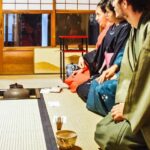
A quieter way to spend a day in Kyoto


Who this is best for (and who should skip it)
This workshop is ideal if you want a Kyoto souvenir that is personal and functional. If you enjoy making things with your hands, and you like the idea of bringing home a matcha bowl or plate you helped design, this fits nicely.
It is also a good choice if you like quiet, skill-based activities. Painting is not high-energy, and the workshop is designed to feel relaxed, which makes it easier to enjoy even if your Kyoto itinerary is already full.
You might skip it if you cannot realistically do next-day pickup. The closed-day schedule (every Wednesday and the third Thursday) can mess with plans if you are hopping hotels, leaving Kyoto early, or staying only briefly.
Practical tips so your pottery stays beautiful
A few smart moves help you get better results and better longevity.
First, paint with your final use in mind. If you picked a bowl for everyday use, remember that thickness and care habits matter. Use the guide’s advice and avoid going too heavy in one area.
Second, think about drying and layers. You do not want rushed, thick strokes that could peel after firing. If you want strong color, build it gradually instead of piling it on.
Third, after pickup, treat it as painted pottery, not generic dishware. Stick to the mild detergent and soft sponge rule, skip the dishwasher, and keep microwaving time limited.
Finally, plan your pickup like it is part of the tour. Because it is. Your whole experience depends on you getting the fired piece back after the glazing and firing window.
Should you book the Kyoto pottery painting workshop at Mitsuhashi Touho?
Book it if you want a creative Kyoto souvenir that is genuinely yours, and you like the idea of taking home something you can use at the table. The value is strongest when you can align your pickup with the studio’s open days, since Wednesday and the third Thursday are out.
I would also book it if you appreciate guided craft instruction. A live guide available in English and Chinese can help you make better choices during painting, and the care instructions help you avoid common “it looked great until it didn’t” problems later.
Skip it if your Kyoto schedule is too tight for next-day pickup. In a city where you might be moving around a lot, losing a day to a closed shop can be frustrating.
If you can handle the pickup timing, this is one of those rare activities where your time turns into an object you will actually keep using, not just something to store in a closet.
New This Season
- Koyasan Day Trip by Private Car from Kyoto
- Old Port Town and Ultimate Sake Tasting Private Tour From Kyoto
- Kyoto: 5 Types of Sushi Making
- Sacred Peak & Ancient Paths: Kurama-Kibune Hiking Experience
- Kyoto’s Timeless Charm: 3hr Exploration of History and Peace
- Kyoto: Exclusive ZEN practice at Manpukuji temple in Uji
- Kyoto: Private Seasonal Aroma Yoga Class
- Traversing Kyoto’s Scenic West – Arashiyama to Kinkakuji
Artisan Craft Workshops, compared.
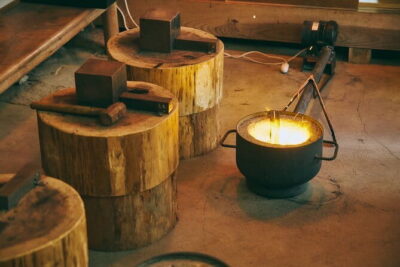
Authentic knife making experience at a blacksmith in Kyoto
Read our review →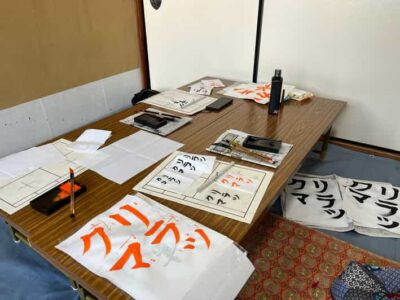
Calligraphy class at Buddhist temple in city center
Read our review →
Roketsu dyeing experience: M course Roketsu Dyeing Experience
Read our review →

Traditional Japanese Washi Papermaking- Kyoto morning
Read our review →
Also filed under