Reviewed · KIMONO & YUKATA RENTALS
Kyoto Kimono Rental mimosa Samurai Plan|Feel the History
Wear samurai style, then walk Kyoto.
This Kyoto Kimono Rental mimosa Samurai Plan turns you into a real-life character for the day, with the Samurai style look built around dignity and courage, not just costumes. I love that the mimosa Kodaiji Store is a 2-minute walk from Kodaiji Temple and about 10 minutes on foot to Kiyomizu Temple, so you can start sightseeing fast. I also love the practical comfort support, with staff able to help you through fit and first-time worries, plus English and Chinese availability so you are not guessing.
One thing to think about: if you care a lot about photos, the optional photographer experience is the part where quality can vary. It is still fun, but you should set expectations that you may end up with a few shots that are less perfect if the camera timing is not careful.
In This Review
- Key things that make this plan worth your time
- Samurai style in Higashiyama, right by Kodaiji and Kiyomizu
- What you get for $58: the Samurai set, not just a costume
- Dressing time: fit, sandals, and first-time calm
- The walkable plan: use your 1 day like a local
- Photographer option: when you want the sword-and-kimono story on film
- Extras and seasonal comfort: shawls, umbrellas, and bags
- Price and value: why $58 can feel fair in Kyoto
- Who should book, and who should skip
- Should you book the Kyoto Kimono Rental mimosa Samurai Plan?
- FAQ
- What is included in the Samurai Plan price?
- What is the store location and how close is it to major sights?
- What are the store hours and when do I need to return?
- Are English or Chinese supported?
- Can I arrange a photographer, and what are the options?
- Are there any optional extras and what do they cost?
Key things that make this plan worth your time
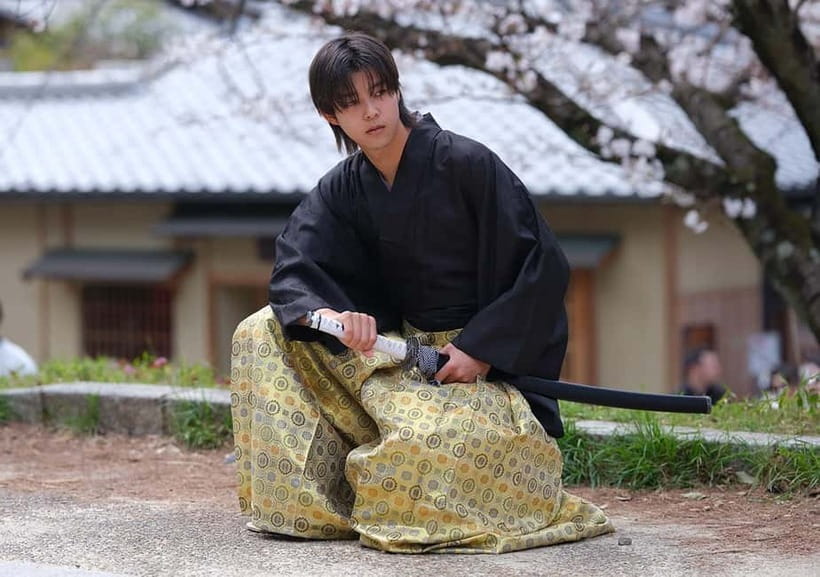
- Prime Higashiyama location for easy temple walking, starting right by Kodaiji
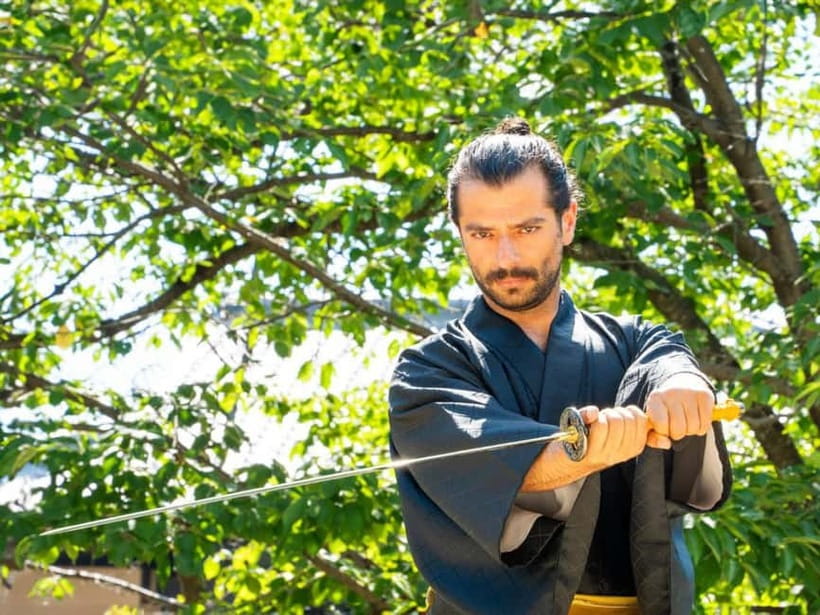
- Samurai look included with kimono, obi, sandals, and a sword prop
- Staff support that gets you comfortable (including sandal fitting help)
- English and Chinese help so first-time kimono days feel manageable
- Optional photographer add-on with 1, 2, or 3-hour time blocks
- Easy add-ons like shawls for colder months, umbrellas, and a carry bag
Samurai style in Higashiyama, right by Kodaiji and Kiyomizu
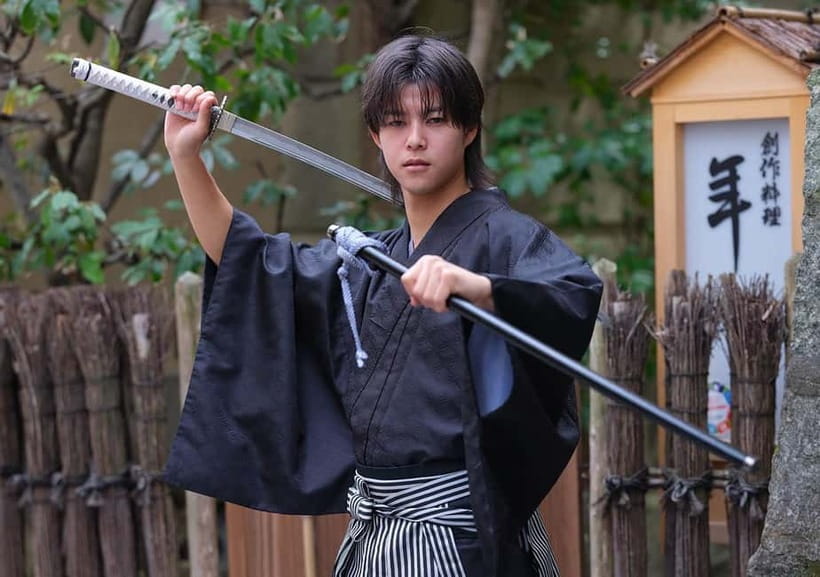
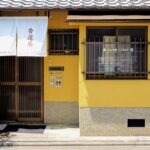
What makes this rental special is the location game. You are not taking a long transfer just to get into costume. The mimosa Kodaiji Store sits in Higashiyama, an area that feels like classic Kyoto streets rather than a generic tourist zone.
From there, you can plug into one of the easiest sightseeing patterns in Kyoto. Kodaiji is about a 2-minute walk. Kiyomizu Temple is roughly a 10-minute walk. That means you can do real wandering in stages. You can also stop for snacks and small shopping breaks without feeling like your kimono time is getting wasted.
Higashiyama also makes the whole outfit make sense. When you are in a samurai-style kimono near temples and old lanes, the clothing becomes part of the street story. You are not wearing it to a mall. You are wearing it where Kyoto culture is visible.
And for transit, you have nearby bus stop options mentioned around Higashiyama Yasui and Kiyomizu-michi, so even if you shift your route mid-day, you have ways to reconnect.
What you get for $58: the Samurai set, not just a costume
The price is $58 per person for a 1-day rental. That number matters because the package is not skimpy on essentials. You come to the store and you do not need to bring the whole outfit shopping list.
Included in the Samurai plan:
- Kimono
- Obi (sash)
- Sandals
- Sword, etc.
That is a big deal for value. Kimono rentals often nickel and dime you for the basics, and it is easy to lose track of the total. Here, the core look is included up front, so you can budget the extras only if you actually need them.
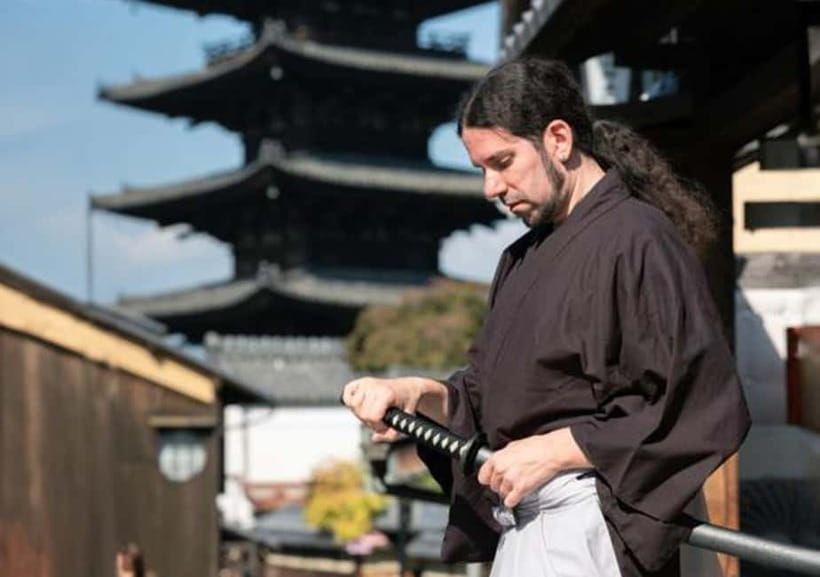
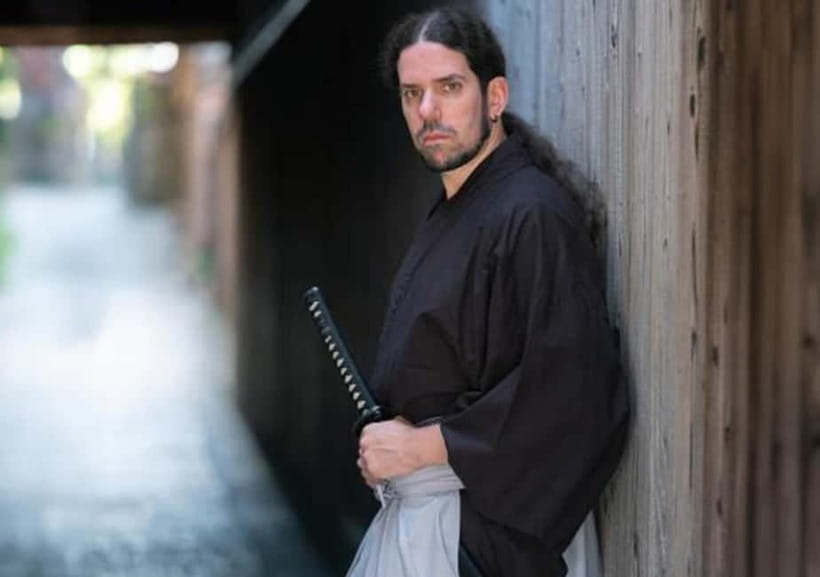
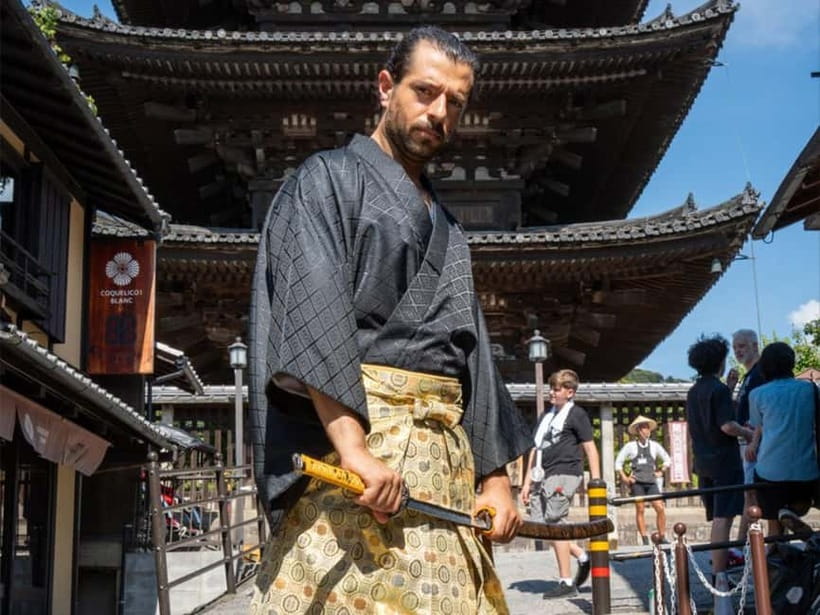
The sword prop is part of the Samurai style concept. Some people worry about whether it feels respectful, but the vibe here is clearly meant to be done with care. One reviewer mentioned they initially had a concern about the katana, but it ended up being the opposite, with people on the street happy to pose and compliment the look.
Practical note: if you have any anxiety about wearing the sword prop or carrying it in crowded lanes, tell the staff at the start. The point of a rental shop is to help you get through the first uncomfortable minutes.
Pick up a sword for an afternoon
- Kyoto Samurai Experience
★ 5.0 · 1,294 reviews - Kyoto: Kendo and Samurai Experience with Uniform and Gear
★ 4.9 · 815 reviews - Kyoto: Samurai Sword Class by Experts in Traditional Arts
★ 4.9 · 657 reviews - Skip the lines Basic Ticket at SAMURAI NINJA MUSEUM KYOTO
★ 4.5 · 632 reviews
Dressing time: fit, sandals, and first-time calm
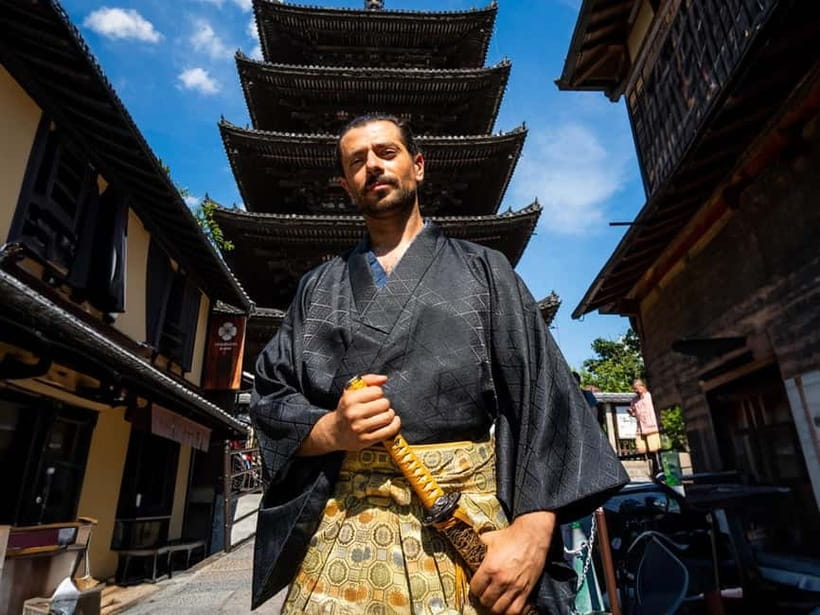
The staff approach is one of the best parts of this experience. You are not just handed a stack of fabric and told good luck. You get guidance while you get dressed.
One review highlighted a very real detail, the sandal fit. The person needed multiple changes, around six attempts, before finding a comfortable pair. That tells me something important: staff will keep working until you can actually walk.
This matters because Kyoto walking is not gentle on your feet. If your sandals are even slightly off, you will feel it fast, especially once you start moving between temple areas and side streets.
So my advice is simple:
- Take the fitting seriously, ask for adjustments without embarrassment
- Wear the right socks if you normally do
- Move slowly at first until the obi and sandals feel stable
If you are planning to shop or take photos, that first comfort step pays off later. The less you worry about your outfit, the more you notice Kyoto.
Also, there is mention of storage support where you can leave your clothing at your hotel, which helps you avoid hauling extra items while you are in kimono mode. That is a quality-of-life win, especially when you are pairing temples with cafés and souvenir stops.
The walkable plan: use your 1 day like a local
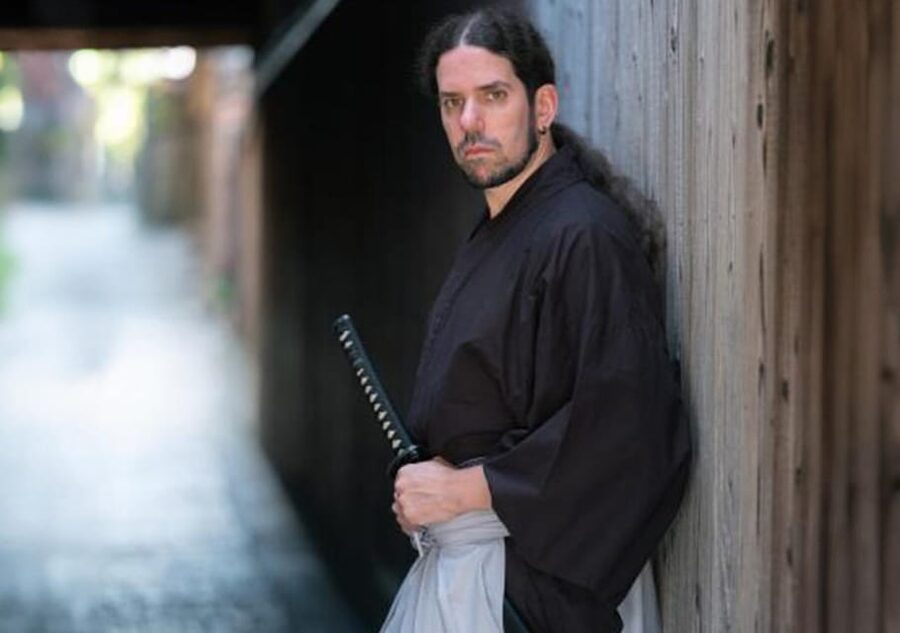
This rental gives you a flexible day. There is no heavy schedule forced on you in the information you provided. You show up, get dressed, then spend the time exploring.
With your base near Kodaiji and Kiyomizu, here is how I would structure a practical route that fits how most people actually enjoy Kyoto.
Start near Kodaiji first
Because you are two minutes away, you can begin your day with less stress. You also avoid the common trap of arriving late and feeling rushed. If you want quieter moments, starting early is your friend.
Then move toward Kiyomizu Temple by foot
About 10 minutes on foot. That is perfect for kimono pacing. You can stop for snacks, small shops, and little photo breaks without feeling like you are in sprint mode.
Use the bus stops only if you need them
Higashiyama is walkable, but your feet will decide the rhythm. Having nearby stops like Higashiyama Yasui and Kiyomizu-michi gives you an escape route if you want to shorten a leg.
Work in cafés and souvenir browsing
The area is full of cafés, restaurants, and souvenir stores, and that is exactly where kimono time shines. You can treat the day like a themed stroll, rather than a temple checklist.
Keep your eye on the return timing
The store hours are 8:00 to 19:00, with return by 19:00. So plan your last stretch. You do not want to be scrambling at the end of the day while wearing a full outfit.
One small thing: kimono days can be slower by default. Build in time for photos, bathroom breaks, and just standing still to watch a street scene.
Photographer option: when you want the sword-and-kimono story on film
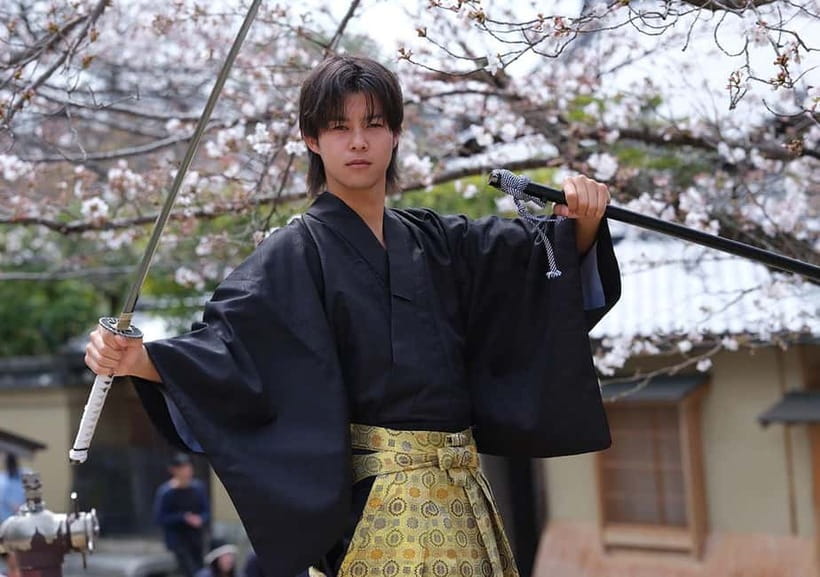
You can arrange a photographer. The options listed are:
- 1 hour: ¥18,000
- 2 hours: ¥36,000
- 3 hours: ¥54,000
This is optional, and it is worth thinking about what you want out of your kimono day.
If you care about dramatic shots, a photographer can help you get images that look like a Kyoto costume story, with the outfit and the street background matched up. One review mentioned getting really good photos, with the photographer looking focused while taking pictures.
But here is the caution from another review. The photographer may click many times. If the timing is not selective, you can end up with a lot of photos that do not look great, like odd angles or closed eyes. That does not mean the experience is bad. It just means your value is tied to whether the photographer takes enough time to get clean, usable moments.
My practical approach: if you book the photographer, communicate what you want. For example, ask for a few posed shots, then a few walking shots. That way you are less likely to get a pile of near-misses.
If you do not book the photographer, you still can get great photos on your own, just be ready to ask for help from strangers politely.
Extras and seasonal comfort: shawls, umbrellas, and bags
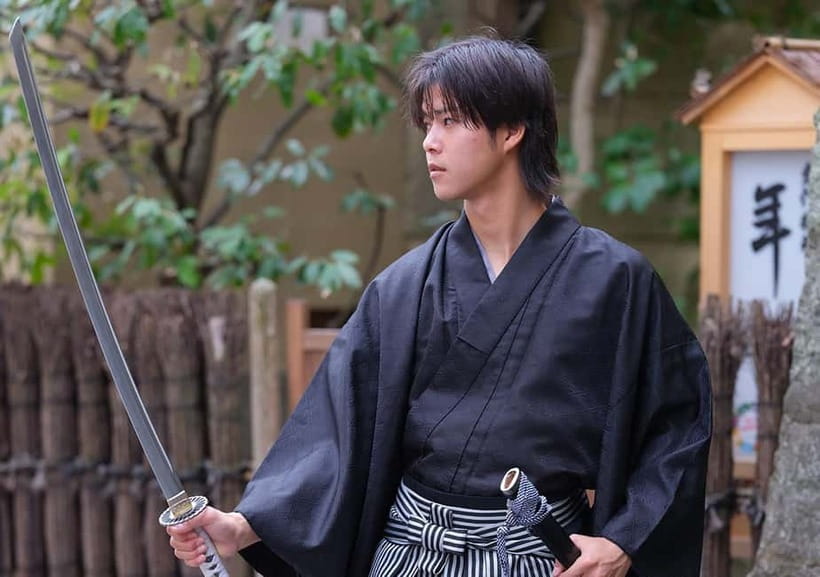
The base set includes kimono, obi, sandals, and sword prop. But you might want a few extras depending on season and weather.
Optional items listed:
- Shawl: ¥880, limited to fall and winter
- Drawstring bag: ¥550
- Japanese umbrella: ¥1,100
- Next day return or hotel return: ¥1,000
These extras are not random upsells. They can genuinely change your comfort. In cooler months, a shawl can keep you warm while you stand around in temple areas. An umbrella is obvious, but it also helps with wind and crowd movement if weather turns.
If you plan to carry your essentials, the drawstring bag can prevent you from awkwardly holding items. That keeps your kimono look tidy.
If you want to keep exploring without carrying everything, the next day return or hotel return option is a useful flexibility tool. It can help you keep the day light.
Walk the old streets in kimono

Price and value: why $58 can feel fair in Kyoto
At $58 per person, this feels like good value if you use the time well.
Here is why. You are paying for:
- A full kimono outfit setup
- The obi and sandals
- The Samurai-style sword prop
- Staff support for fit and getting you dressed
- English and Chinese availability
In Kyoto, time and convenience are part of the price. This store is in a walking-friendly spot by Kodaiji and near Kiyomizu. That cuts down transportation friction, which is a real hidden cost for many experiences.
Also, the shop seems to focus on comfort. Multiple sandal changes and careful fitting are not typical of an assembly-line model. If the staff will keep adjusting until your feet work, you are paying for better odds of enjoying the day.
Then think about what you do during the rental. If you are walking between temples, stopping for food, and doing photos, you are getting multiple hours of use from the outfit. The rental becomes an activity itself, not just a service you buy and immediately forget.
Who should book, and who should skip
This plan is a strong fit if you want:
- A temple day with a costume that feels culturally connected
- An outfit experience with English or Chinese support
- A shop location that makes it easy to start near Kodaiji and reach Kiyomizu
It is not suitable for:
- Children under 13
- People over 80
That is probably tied to how dressing and walking can work for different ages. So if you are bringing family members, double-check everyone fits the guidance.
If you have mobility limits, the walkability is convenient, but Kyoto still means uneven surfaces and lots of standing. In that case, decide based on your comfort, and be ready to shorten the route.
Should you book the Kyoto Kimono Rental mimosa Samurai Plan?
Book it if you want a low-stress kimono day with a Samurai style theme and a prime starting point in Higashiyama. The included setup, the support from friendly staff, and the near-immediate access to Kodaiji and Kiyomizu make it feel like you spend more time enjoying, less time managing logistics.
Skip or reconsider if you are very photo-obsessed and want guaranteed flawless results from the optional photographer. You might get amazing images, but photo quality can depend on how carefully shots are planned rather than just how many are taken.
If you want a fun, walkable way to see Kyoto while wearing something that turns heads in a respectful way, this is a solid pick. Just go in calm, get your fit right, and let the day flow at samurai pace.
FAQ
What is included in the Samurai Plan price?
The set includes a kimono, obi (sash), sandals, a sword, etc., and you can come to the store empty-handed.
What is the store location and how close is it to major sights?
The mimosa Kodaiji Store is in Higashiyama. It is about a 2-minute walk to Kodaiji Temple and roughly a 10-minute walk to Kiyomizu Temple.
What are the store hours and when do I need to return?
The store hours are 8:00 to 19:00, and you need to return by 19:00.
Are English or Chinese supported?
Yes. English and Chinese are available.
Can I arrange a photographer, and what are the options?
A photographer can be arranged with 1 hour for ¥18,000, 2 hours for ¥36,000, or 3 hours for ¥54,000. This is selected during reservation.
Are there any optional extras and what do they cost?
Optional extras include a shawl for ¥880 (fall and winter only), a drawstring bag for ¥550, a Japanese umbrella for ¥1,100, and next day return or hotel return for ¥1,000.
Historical Tours of Kyoto
New This Season
- Koyasan Day Trip by Private Car from Kyoto
- Old Port Town and Ultimate Sake Tasting Private Tour From Kyoto
- Kyoto’s Timeless Charm: 3hr Exploration of History and Peace
- Kyoto: 5 Types of Sushi Making
- Sacred Peak & Ancient Paths: Kurama-Kibune Hiking Experience
- Kyoto: Exclusive ZEN practice at Manpukuji temple in Uji
- Kyoto: Private Seasonal Aroma Yoga Class
- Traversing Kyoto’s Scenic West – Arashiyama to Kinkakuji
Kimono & Yukata Rentals, compared.
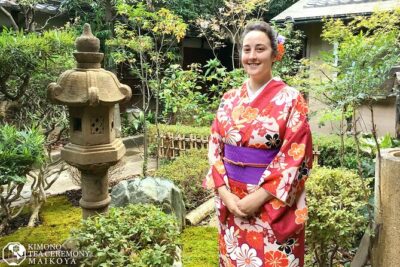
Kimono Tea Ceremony at Kyoto Maikoya, NISHIKI
Read our review →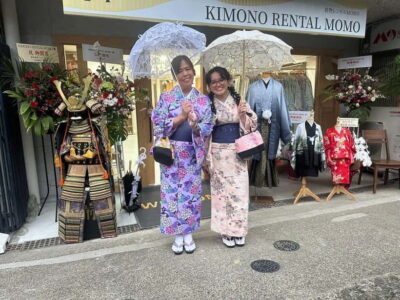
KYOTO Tea Ceremony with kimono near by Imamiya Jinjya Shrine
Read our review →
Kimono and Tea Ceremony Experience at Cultural Asset
Read our review →