
Reviewed · ARTISAN CRAFT WORKSHOPS
Kyoto: Make Your Own “Daruma” Craft & Painting Workshop
Two hours, one handmade Kyoto keepsake. I love that you create a papier-mâché figurine yourself and take it home, plus you get a complimentary drink and Japanese confectionery while you paint. One possible drawback is the session is only 2 hours, so you should not expect a full, ultra-detailed art project.
This is a small group workshop (up to 4) in a renovated boutique studio, taught in English by a local crafts master, often the host Mei or May. If you want something calmer than temple lines and souvenir shopping, this is a great fit.
In This Review
- Key things to know before you paint your Daruma
- Why a DIY Daruma craft beats the usual Kyoto routine
- What you make in 2 hours, papier-mâché cat, Daruma, kitsune, and more
- The workshop setting, a renovated boutique studio with real hands-on help
- Painting with purpose, how symbolism turns into a personal souvenir
- What is included in the price and why it is good value at $25
- Drink, tea, and sweets, part of the calm rhythm
- Group size up to 4, what that means for your experience
- Rainy day reality, how to protect your painted piece
- Pair it with nearby temples and shrines without overplanning
- Shopping inside the studio, extra handmade gifts you might want to add
- Who this Kyoto Daruma workshop is best for
- Who might find it less ideal
- Should you book this Kyoto Daruma workshop? My decision checklist
Key things to know before you paint your Daruma
- Small group pace: limited to 4 participants, so you get real help without feeling managed.
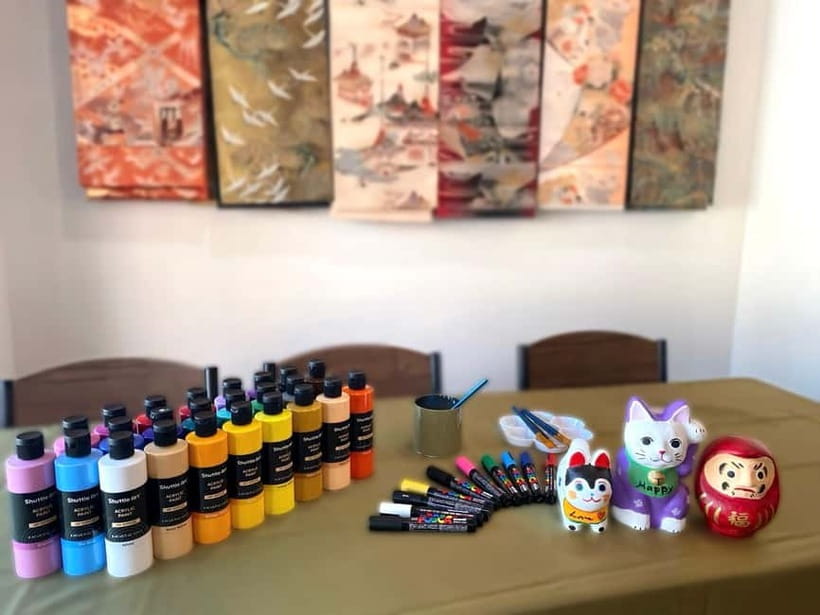
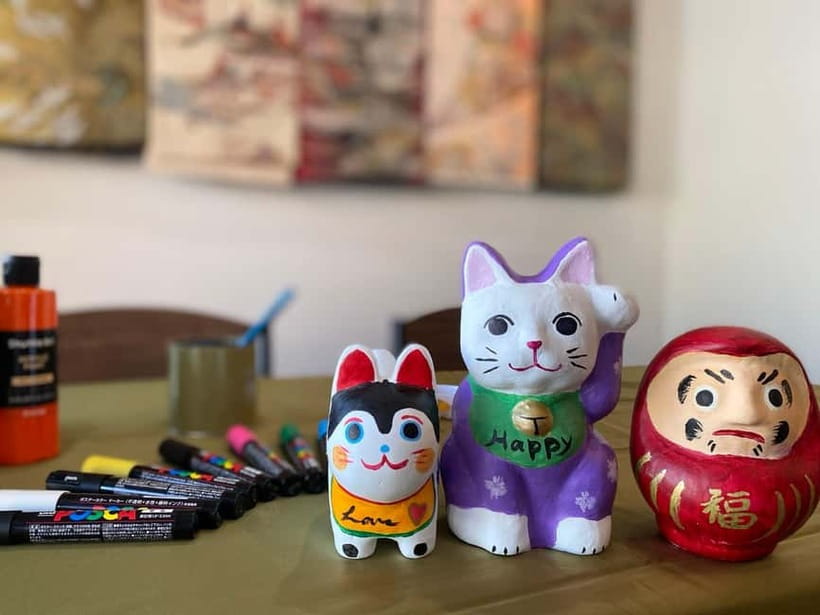
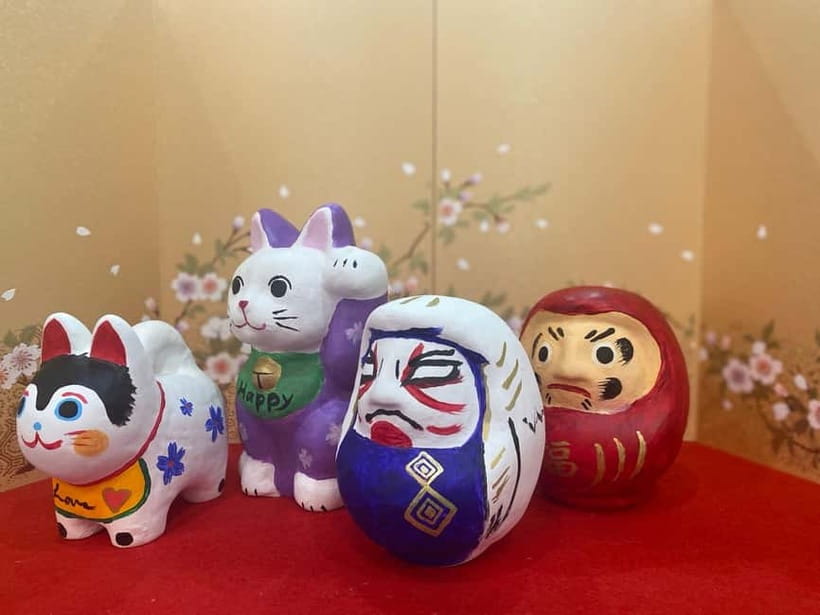
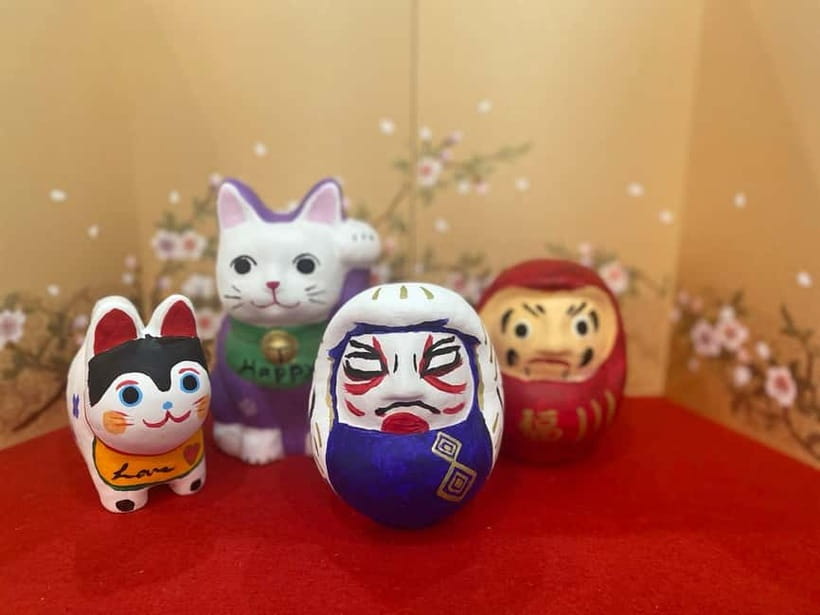
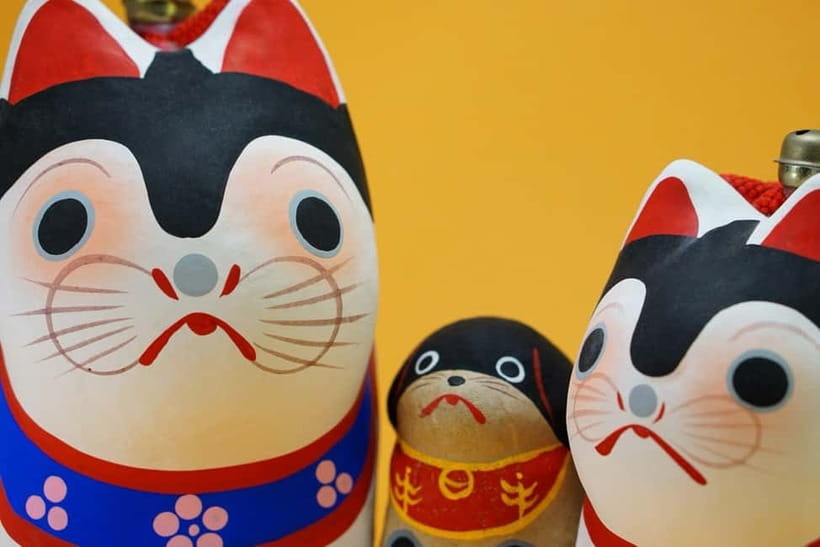
- Choose your figurine: Daruma, lucky cat, dog, and kitsune (fox) style options, painted in your own way.
- Materials included: the workshop provides what you need, plus an English instructor to guide the process.
- Take-home memento: you leave with a personalized piece you made, not a mass-produced trinket.
- Studio plus neighborhood time: the workshop area is near historically significant temples and shrines, so it’s easy to pair with sightseeing.
Why a DIY Daruma craft beats the usual Kyoto routine
Kyoto can feel like a parade of stops. This workshop gives you a different rhythm, slower and more personal, with your hands doing the work. For a day that already includes temples and streets, it is a smart reset.
What I like most is the simplicity of the idea: you paint a traditional shape that people recognize, then you make it yours. You also get that instant payoff that comes with finishing something physical, in the middle of a trip full of photos.
The other big win is the small group. Even when you are traveling solo, you are not stuck in a big class where nobody really notices your questions.
What you make in 2 hours, papier-mâché cat, Daruma, kitsune, and more
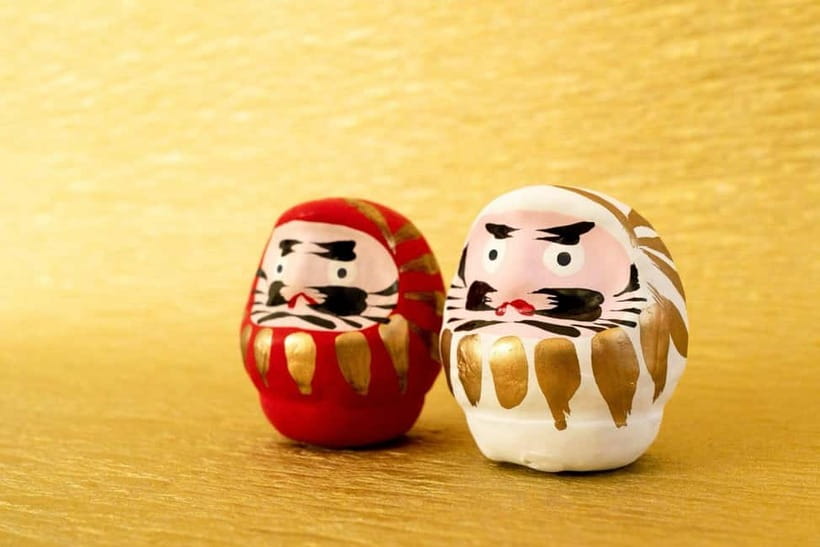
You will paint a papier-mâché figurine in the style of a beckoning cat, Daruma, dog, or kitsune (fox). The figurine base is ready, so you are focused on color, pattern, and personality, not construction.
The workshop guides you on how these shapes connect to Japanese symbolism, so it does not feel like you are just copying decoration. Instead, you are giving meaning through your choices, like which colors you use and how bold you go with patterns.
You do not need skill or prior art experience. Several people highlight that the instruction is encouraging, and the setup makes it easy for adults and kids to contribute at their comfort level.
Make something with a Kyoto craftsman
- Authentic knife making experience at a blacksmith in Kyoto
★ 4.8 · 350 reviews - Kyoto: Calligraphy class at Buddhist temple in city center
★ 5.0 · 167 reviews - Roketsu dyeing experience: M course Roketsu Dyeing Experience
★ 5.0 · 163 reviews - Kyoto: Japanese Calligraphy Class
★ 4.8 · 89 reviews
The workshop setting, a renovated boutique studio with real hands-on help
This class happens inside a renovated boutique workshop where your host greets you when you arrive. There is no complicated meet-up. Just enter the workshop space and wait to be welcomed.
Expect a calm craft environment rather than a hectic tourist counter. People in the feedback describe it as peaceful, relaxing, and unhurried, which matters because you are creating something with paint, so you want time to think and adjust.
The group size is capped at 4. That small number shows up in how the session feels, because the instructor can answer questions, offer suggestions when asked, and still let you work independently.
If you care about comfort, this activity is also listed as wheelchair accessible, so it is built to be practical for different needs.
Painting with purpose, how symbolism turns into a personal souvenir
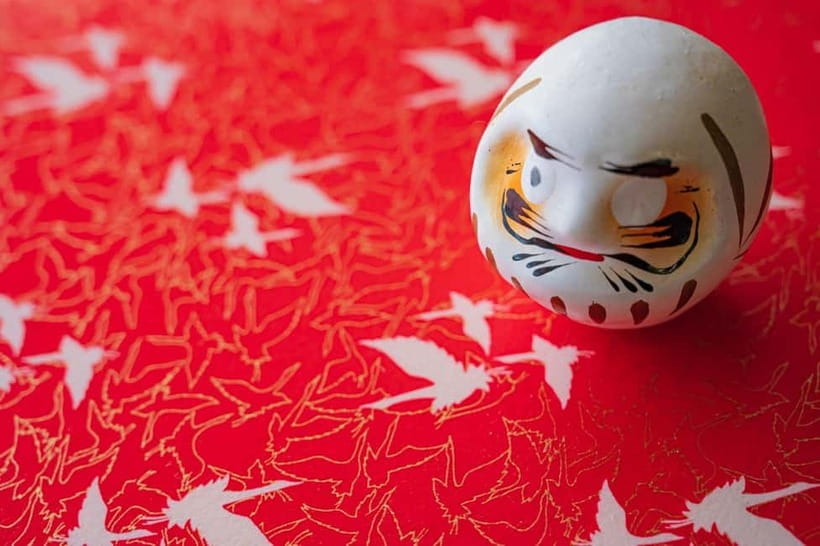
A Daruma, a lucky cat, a kitsune fox, and a dog each carry their own cultural meanings. In this workshop, you do not just learn the fact and move on. You craft with the idea in mind, which makes the finished piece feel more like a story from your trip.
Here is what you will feel in practice: you start with a blank surface, then you make deliberate choices. Even if your style is simple, the instructor’s guidance helps you connect your paint job to the traditional form.
Guests also mention that the host chats during the session, including time to learn about local meaning and traditions. That matters because Kyoto is full of context, and this workshop gives you a small piece of it, right while you are creating.
What is included in the price and why it is good value at $25
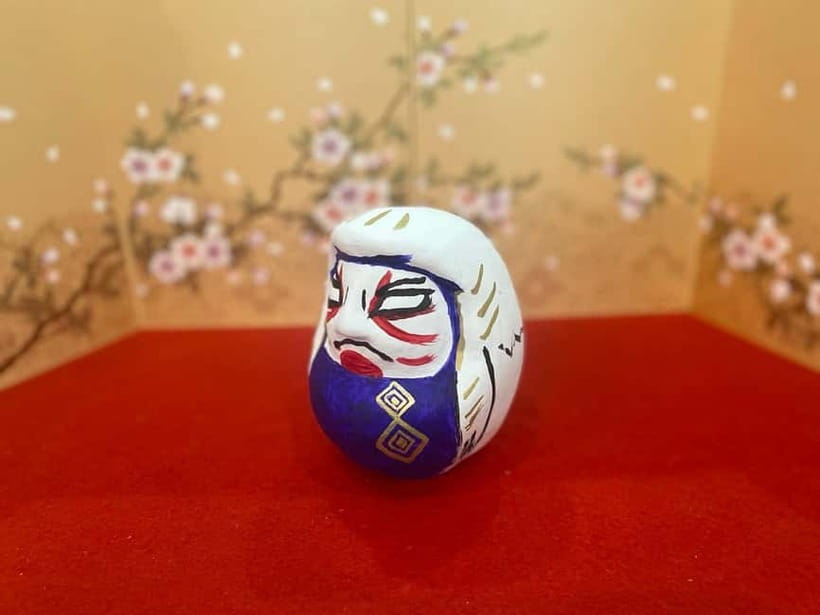
At $25 per person for a 2-hour workshop, you are not just paying for materials. You are paying for a guided, English-led craft experience where you leave with a handmade keepsake.
Included items are clear:
- All necessary materials for the crafting and painting process
- A complimentary drink
- Traditional Japanese confectionery of your choice
- A local crafts master and workshop instruction
That combo is what makes the price feel fair. You are getting a structured activity, plus a cultural snack break, plus the souvenir you made yourself.
On top of that, this tends to be a smaller operation than the big ticket tours. People specifically call it a small business and highlight how personal the interaction feels.
Drink, tea, and sweets, part of the calm rhythm
You choose the traditional Japanese confectionery, and you get a complimentary drink. In the feedback, guests mention matcha and tea alongside cookies, which turns the session into something closer to a break with art, not a rushed class.
This matters for two reasons:
- It helps you slow down, so you actually enjoy painting instead of rushing.
- It gives you a natural moment to chat with the host and ask about the neighborhood, local customs, or what to do next.
If you want a Kyoto activity that feels like a pause, this snack-and-drink setup is a big part of the appeal.
A quieter way to spend a day in Kyoto
Group size up to 4, what that means for your experience
A small group does more than reduce crowd noise. It changes how feedback works.
In a group of 4, you can ask questions and get a real answer. You are also less likely to feel like you are being steered into one correct way to paint. Several guests describe the session as self-directed, with suggestions offered only when asked.
For couples, parent-child trips, or solo travelers who want calmer interactions, that is a real advantage. One visitor even mentions it was basically just them and the host, which made the conversation feel personal.
Rainy day reality, how to protect your painted piece
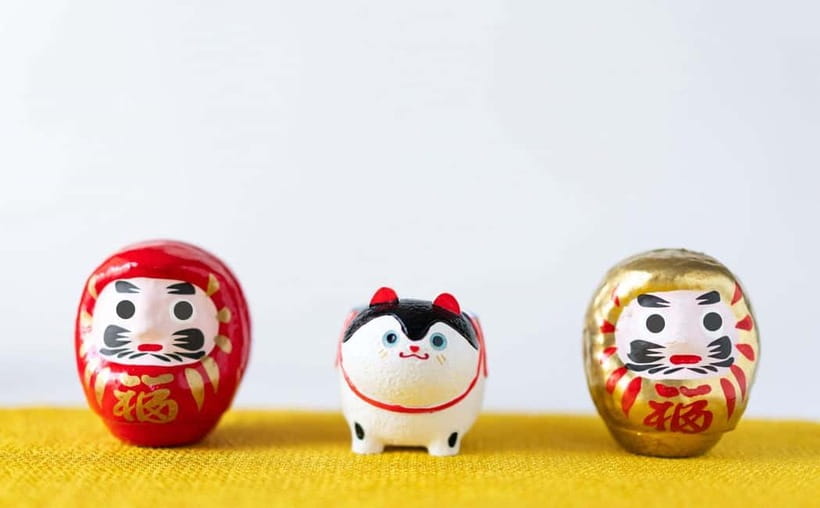
If Kyoto weather throws rain at you, plan one small thing: protect your creation on the way home. One practical note from the feedback is that the paints are acrylic, so if it is raining, you may want to wrap your figurine so it does not get damaged.
That is not a reason to skip the workshop. It is just a reminder to bring (or ask about) a way to keep your piece dry and safe after class.
A good approach is to have a small bag or wrapping option ready, especially if you are walking from the studio to nearby sights.
Pair it with nearby temples and shrines without overplanning
The workshop includes a chance to discover historically significant temples and shrines in the surrounding area. The key here is that you are not stuck with a rigid schedule of far-flung transport.
So you can do this in a practical way:
- If you start in the afternoon, you can schedule light temple or shrine time before or after
- If you are already doing a main-spot morning, this workshop becomes a calm mid- or late-day activity
Because the class is only 2 hours, it also fits neatly into a day that already has walking. You can treat it like a planned break, then return to sightseeing with renewed energy.
Shopping inside the studio, extra handmade gifts you might want to add
This workshop takes place in a shop environment. People mention that the host sells items like handmade handbags and lacquer boxes, and there are also examples of clothing such as silk kimono items.
This is not required. But if you like the idea of supporting the maker behind the experience, it is worth browsing before you leave. Even one small purchase can feel more meaningful because it matches the craft focus of your own souvenir.
Who this Kyoto Daruma workshop is best for
This works especially well if you:
- Want a break from temples and crowds
- Like hands-on cultural activities
- Travel with kids or family and need something easy to join
- Prefer a small group setting over a big tour
- Want an authentic souvenir that is actually made by you
Because there is no prior art experience required, it is also a good choice if your creative confidence is low. The instruction is designed to keep you moving and still let you pick your style.
Who might find it less ideal
If you are looking for a long immersive art course, this probably will not satisfy you. It is a focused 2-hour session, so you will finish in time to continue your day, but you will not have days to build layers of detail.
Also, if your ideal souvenir is something you can buy quickly and move on, this workshop asks you to slow down and paint. The payoff is personal, but the process requires your attention.
Should you book this Kyoto Daruma workshop? My decision checklist
Book it if you want a handmade keepsake, a relaxed pace, and a small-group environment where you can create at your own speed. The inclusion of materials plus a drink and Japanese confectionery makes the $25 price feel like you are paying for an experience, not just a product.
Think twice if your schedule is extremely tight and you hate any kind of sitting still. This is a craft class, so you will be working steadily for the full 2 hours.
If you want one Kyoto activity that feels personal, supportive, and doable even on a rainy day with the right protection, this Daruma painting workshop is a strong choice.
New This Season
- Koyasan Day Trip by Private Car from Kyoto
- Old Port Town and Ultimate Sake Tasting Private Tour From Kyoto
- Kyoto’s Timeless Charm: 3hr Exploration of History and Peace
- Kyoto: 5 Types of Sushi Making
- Sacred Peak & Ancient Paths: Kurama-Kibune Hiking Experience
- Kyoto: Exclusive ZEN practice at Manpukuji temple in Uji
- Kyoto: Private Seasonal Aroma Yoga Class
- Traversing Kyoto’s Scenic West – Arashiyama to Kinkakuji
Artisan Craft Workshops, compared.
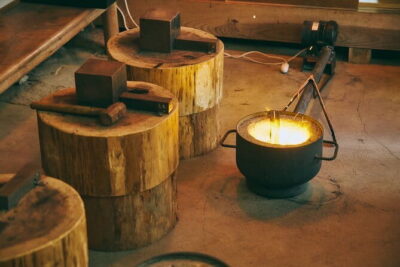
Authentic knife making experience at a blacksmith in Kyoto
Read our review →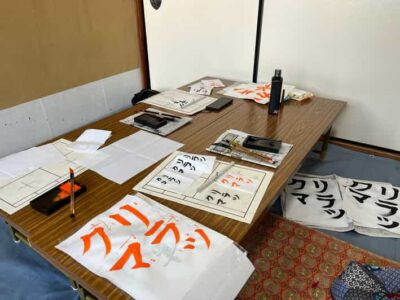
Calligraphy class at Buddhist temple in city center
Read our review →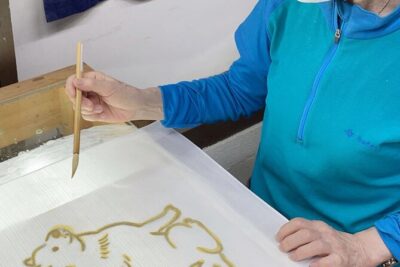
Roketsu dyeing experience: M course Roketsu Dyeing Experience
Read our review →

Traditional Japanese Washi Papermaking- Kyoto morning
Read our review →
Also filed under