Reviewed · TEA CEREMONIES
Kyoto: Nighttime Zen Meditation and Matcha Tea Experience
Night calm in Kyoto feels almost unreal. This 90-minute experience at Keishunin, a Myoshinji sub-temple, pairs illuminated gardens with guided zazen, then ends with matcha and a traditional Japanese sweet. You walk at night through four gardens that are treated as nationally designated historical sites and scenic spots, while a local guide helps you connect what you see with what the temple is doing and why.
My favorite part is how it slows you down on purpose. You do not just look at lantern-lit scenes, you sit with the process. The only real drawback is practical: it is a night visit, so plan for cold weather, and note that it is not suitable for wheelchair users or children under 12.
In This Review
- Key things that make this Kyoto night session special
- Keishunin Temple, in Kyoto’s bigger Myoshinji family
- The nighttime garden walk, four gardens lit like a story
- Sehakuan tea room and Kano Sansetsu fusuma paintings
- Zazen meditation with Yasumasa Arashima: what the session is really like
- Matcha tea ceremony energy, plus a sweet to reset you
- Price and timing: does $206 feel worth it?
- Who should book this Kyoto night Zen and matcha experience
- Should you book this tour?
- FAQ
- How long is the Kyoto Nighttime Zen Meditation and Matcha Tea experience?
- What is included in the price?
- Do I need to speak Japanese to join?
- What should I bring, and what is not allowed?
- What is the cancellation policy for a full refund?
- Is this experience suitable for kids or wheelchair users?
Key things that make this Kyoto night session special
- Keishunin after dark in a calm, temple-led setting at night, not during daytime crowds
- Four illuminated gardens tied to nationally designated historical and scenic recognition
- Sehakuan tea room tour plus viewing fusuma paintings by Kano Sansetsu
- Zazen guidance led by the temple’s Deputy Chief Priest, Yasumasa Arashima
- Matcha and Japanese sweets tasting at the end, when your mind is already quiet
Keishunin Temple, in Kyoto’s bigger Myoshinji family
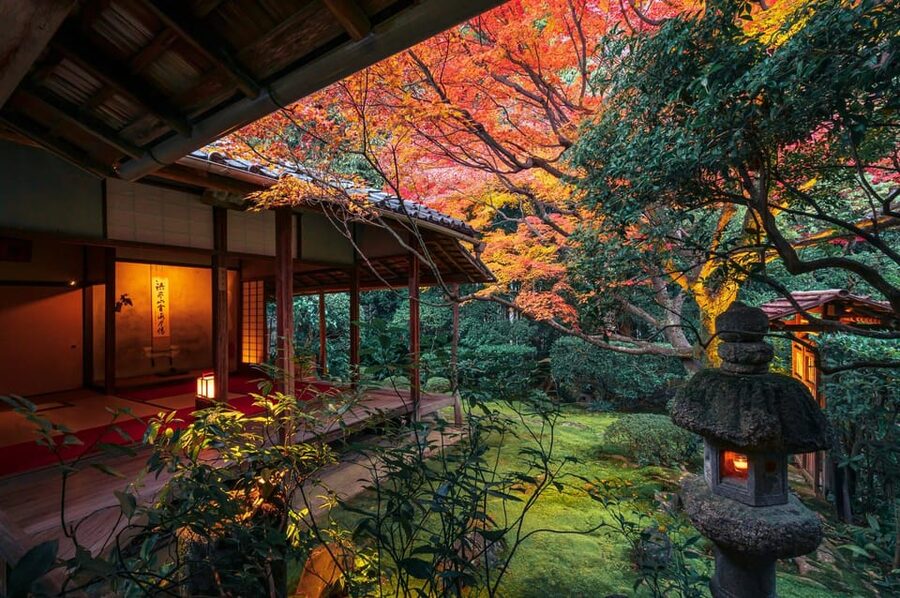
Keishunin is a sub-temple of Myoshinji Temple in Kyoto, and that matters because the vibe is less like a theme park and more like a working religious space. On this night visit, you meet your guide at the temple and start by getting oriented to what you are about to experience.
Instead of jumping straight to the prettiest photos, you get context first. The guide explains the history and culture of Keishunin, and it helps you see why the gardens are not just scenery. They are part of how the temple frames attention, even when you are outside walking paths under lights.
If you love Kyoto for the spiritual side, this is a useful counterweight to shrine hopping. If you only want the loudest highlights, you might find it too quiet. But if you enjoy being guided, this format is a great fit.
The nighttime garden walk, four gardens lit like a story
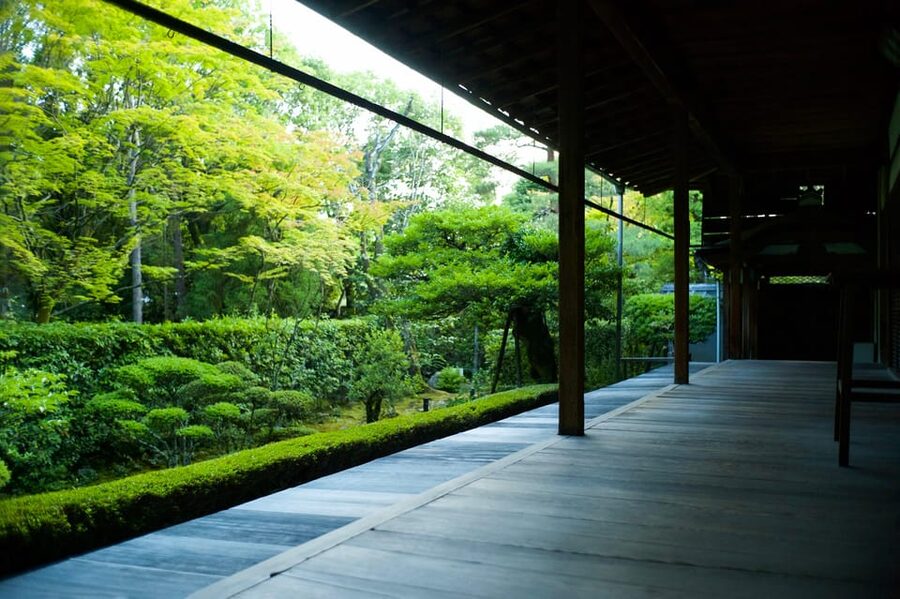
The heart of the experience is your walk through the temple grounds at night. You will specifically see the four gardens, which the program describes as nationally designated historical sites and scenic spots. The lights are not random decorations. They are meant to help you notice forms and rhythms without bright daytime glare.
As you move between garden areas, you are learning how to look. The guide’s job is basically to teach your eyes to slow down. You start recognizing patterns, like how sightlines are shaped, and how the light changes the feel of stone, plants, and paths even if the layout stays the same.
A practical tip: dress for temperature. Kyoto nights can be cold, especially if you pause for meditation later. Comfortable clothes help too, because you will be standing and moving through a calm, guided pace.
What to watch for as you go: the way the lights guide you forward. You are not trying to conquer every angle in one pass. You are learning what it feels like to move through a place that expects quiet.
Sit in silence at a Zen temple
- Kyoto Zen Meditation & Garden Tour at a Zen Temple with Lunch
★ 5.0 · 441 reviews - Kyoto: Zen Experience in a Hidden Temple
★ 5.0 · 437 reviews - Kyoto: Tea Ceremony Meditation – Make Matcha with Tea Master
★ 4.8 · 406 reviews - Kyoto: Zen Meditation at a Private Temple with a Monk
★ 5.0 · 202 reviews
Sehakuan tea room and Kano Sansetsu fusuma paintings
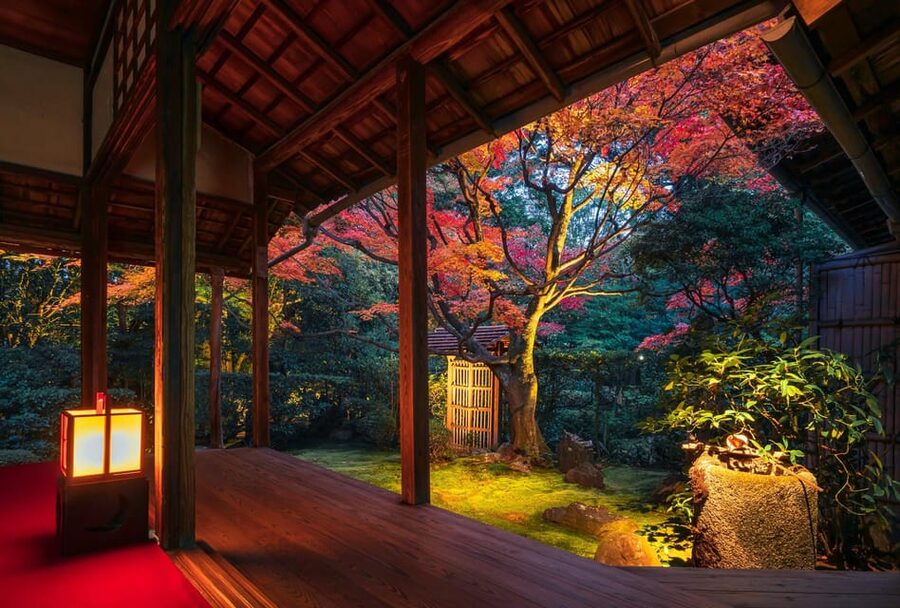
One of the best reasons to book this is what happens inside. You get a tour of the hidden tea room Sehakuan, plus you view fusuma paintings by Kano Sansetsu. This is the kind of cultural detail many temple visits skip because most schedules are built around quick photo stops. Here, the room time signals that the temple’s art and tradition are the point, not an add-on.
Seeing fusuma paintings in person can be surprisingly grounding. They are not just wall art, they are part of how the room controls atmosphere and transitions. At night, when you are already in a quieter mood, you can actually pay attention to the experience of being in the space.
The program also frames this as a way to understand Keishunin’s culture, not only admire decoration. If you like to know what you are looking at, you will appreciate the guide stepping in with context for the tea room and the artworks.
If you are traveling with someone who thinks tea rooms are boring, this part can change their mind. It is calmer than a classroom, but it gives enough detail to feel like you learned something real.
Zazen meditation with Yasumasa Arashima: what the session is really like
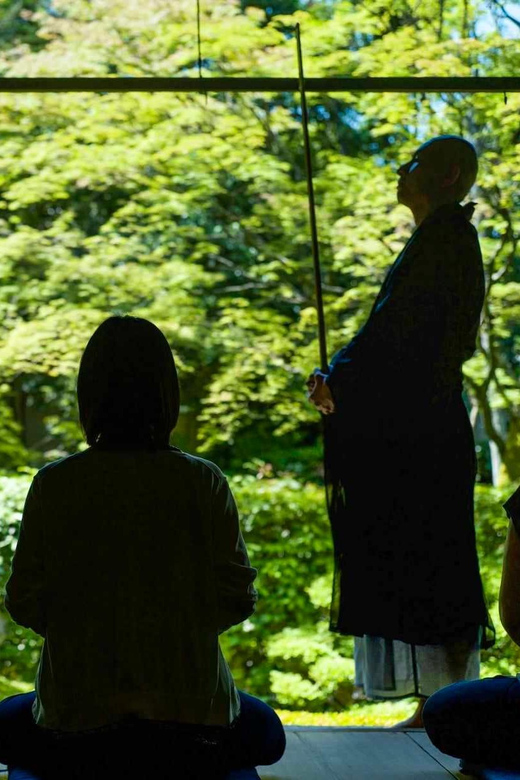
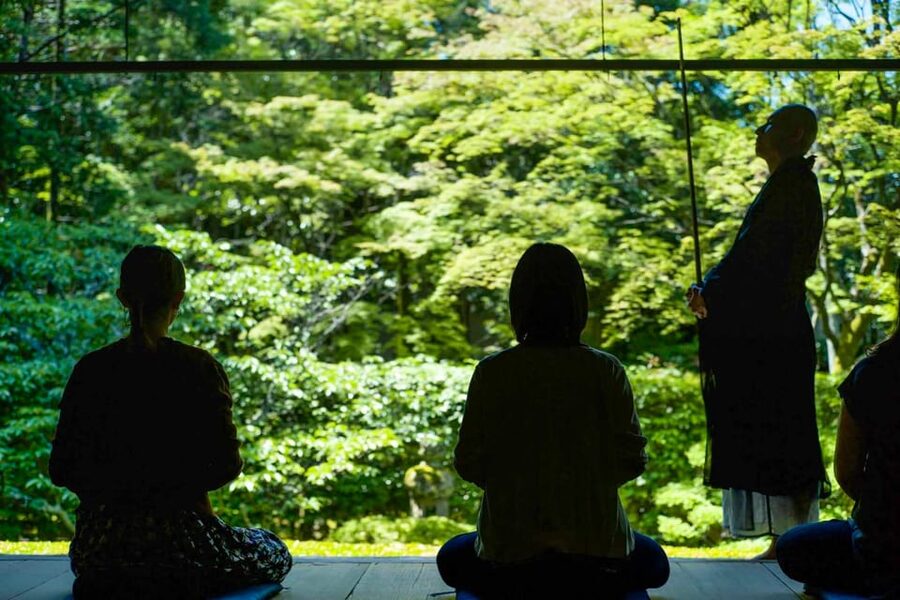
After the garden walk and art viewing, you move into zazen meditation. The experience includes a zazen meditation practice, led by Keishunin’s Deputy Chief Priest Yasumasa Arashima. This is not a vague mindfulness seminar. You are guided into a traditional sitting practice in a temple setting.
In one review-style account I found especially useful, the person noted that there is a custom for when a practitioner feels too tired and needs a refreshing reminder to keep going. I would treat that as a gentle permission slip. The goal is not to be perfect at sitting. The goal is to stay with the practice and adjust when you need to.
What you should expect from this part:
- You will be instructed on how to sit as part of the meditation
- You will have guidance during the practice, rather than being left alone
- The session happens in a calm space where talking is not the point
Because the whole event is only 90 minutes, the meditation is likely designed to be accessible, not exhausting. Still, bring the right mindset. This is better if you can accept silence, cold air, and the fact that your brain might resist at first.
A helpful detail from the experience format: the event is taught with a live tour guide who speaks English and Chinese, so you are not relying on luck or guessing.
Matcha tea ceremony energy, plus a sweet to reset you
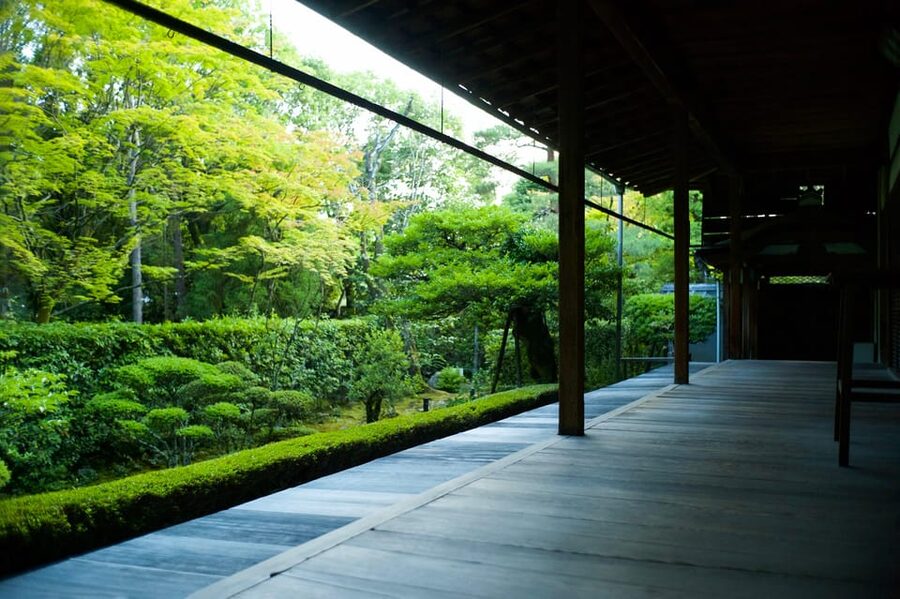
Once you finish zazen, the pacing changes. You are guided to try matcha tea and Japanese sweets by Deputy Chief Priest Yasumasa Arashima. This is a classic move in Japan: after structured quiet, you close the loop with a warm, sensory ritual.
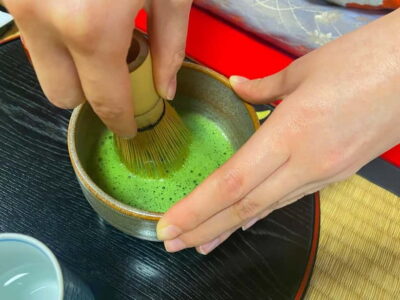
Matcha in this setting does not feel like a souvenir drink. It feels like the finishing note to the practice. The bitterness and smoothness of matcha, plus the sweetness of the Japanese confection, gives you something to focus on besides your thoughts.
This is also where the experience becomes more human. You typically get a chance to enjoy the tea and sweet calmly before you move on. In the reviews I saw, people described the atmosphere as intimate and respectful, like the group is meant to exhale after sitting still.
If you are deciding whether you will like the tea part, here is the honest take: even if you are not a huge matcha fan, you might still enjoy it here because it is tied to the temple moment. The sweetness is a simple but comforting end point.
Price and timing: does $206 feel worth it?
At $206 per person for 90 minutes, this is not cheap. But the value is not only the gardens or only the tea. You are paying for a tight package that includes:
- A special night visit to Keishunin
- A tour of four illuminated gardens
- A tour of the Sehakuan tea room
- Viewing fusuma paintings by Kano Sansetsu
- Zazen meditation guidance led by Yasumasa Arashima
- Matcha tea and Japanese sweets tasting
- Skip the ticket line
To judge whether it is worth it for you, think about what you want to buy in Kyoto. If you mainly want photos and you will DIY everything else, you can probably find cheaper temple time. But if you want a guided cultural night with structured meditation and indoor art access, the cost makes more sense.
Also, nighttime reduces the usual friction of daytime temple logistics. You get guided flow rather than you figuring out what to do next in the dark.
One more point: since transportation to and from the meeting place is not included, you should factor that into your total budget. The experience cost covers the temple-based program, not getting there.
Whisk your own bowl of matcha


Who should book this Kyoto night Zen and matcha experience
This experience fits best if you like experiences that slow you down on purpose. You will probably enjoy it if you:
- Want a calmer Kyoto evening that is not just walking streets
- Are curious about zazen and want guided instruction
- Enjoy tea culture and want it tied to a real temple setting
- Like when someone explains what you are seeing, especially art like fusuma paintings
It might be less ideal if:
- You need a wheelchair-friendly route, because it is not suitable for wheelchair users
- You are traveling with children under 12, because it is not suitable for that age group
- You hate cold weather and do not like waiting in quiet settings
Group style is listed as a private group, with live interpretation available in English and Chinese. That combination often helps if you want personal questions answered without feeling swallowed by a large crowd.
Should you book this tour?
If your Kyoto plan includes temples but you also want a moment that feels like it belongs to you and your schedule, I think this is a smart booking. The standout value is the combination of four illuminated gardens, Sehakuan tea room access, fusuma paintings by Kano Sansetsu, and guided zazen with matcha and sweets afterwards. That is a lot to pack into 90 minutes, and it is packed with intention.
Book it if you can dress warm, respect quiet rules, and actually want the meditation portion to be the main event, not an afterthought. Skip it if you are chasing easy motion and lots of walking without sitting, or if accessibility and young-child needs do not match the program limits.
FAQ
How long is the Kyoto Nighttime Zen Meditation and Matcha Tea experience?
The experience lasts 90 minutes.
What is included in the price?
The included items are a special night visit to Keishunin Temple, tours of the four gardens and the hidden tea room Sehakuan, viewing Kano Sansetsu fusuma paintings, zazen meditation, and matcha tea plus Japanese sweets tasting.
Do I need to speak Japanese to join?
No. The live tour guide offers English and Chinese.
What should I bring, and what is not allowed?
Bring warm clothing and comfortable clothes. Smoking is not allowed, and flash photography is not allowed.
What is the cancellation policy for a full refund?
You can cancel up to 3 days in advance for a full refund. The information also states free cancellation within 72 hours.
Is this experience suitable for kids or wheelchair users?
It is not suitable for wheelchair users. It lists primary school students and above as welcome, but it also says the activity is not suitable for children under 12. For junior high school age, each guest must be accompanied by one parent or guardian.
Traditional Tea Ceremonies
New This Season
- Koyasan Day Trip by Private Car from Kyoto
- Old Port Town and Ultimate Sake Tasting Private Tour From Kyoto
- Kyoto’s Timeless Charm: 3hr Exploration of History and Peace
- Kyoto: 5 Types of Sushi Making
- Sacred Peak & Ancient Paths: Kurama-Kibune Hiking Experience
- Kyoto: Exclusive ZEN practice at Manpukuji temple in Uji
- Kyoto: Private Seasonal Aroma Yoga Class
- Traversing Kyoto’s Scenic West – Arashiyama to Kinkakuji
Tea Ceremonies, compared.
Tea Ceremony in a Traditional Tea House in Kiyomizu
Read our review →
Kimono Tea Ceremony at Kyoto Maikoya, NISHIKI
Read our review →
Tea Ceremony in 100-year-old Kyo-Machiya Townhouse
Read our review →