
Reviewed · ARTISAN CRAFT WORKSHOPS
KYOTO SOBA DOJO – Making SOBA & Crafting Dashi Experience –
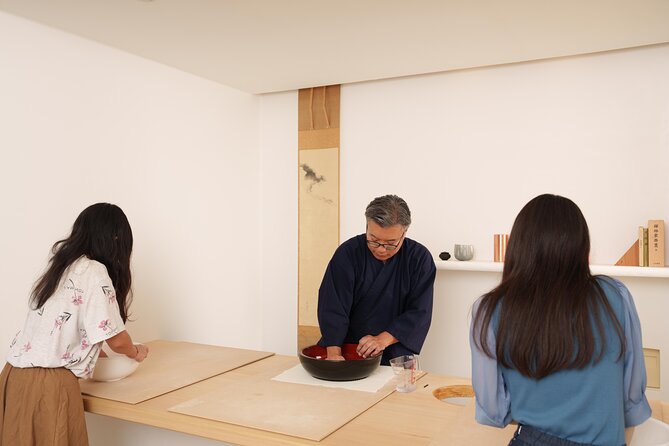
Knife skills in Kyoto, sans stress. In this KYOTO SOBA DOJO class, you make soba from scratch and learn how its flavor changes when paired with dashi, plus you eat it your way, cold and warm. It is the kind of hands-on food lesson that turns into real confidence, not just a quick taste.
I love that the workshop focuses on the core steps, kneading, rolling, cutting, and cooking your own noodles. You do not just watch, you get to work the dough, handle the cutter, and see what fresh soba looks and feels like when it is hot off the boil.
One thing to consider: this is a buckwheat class, and people with a soba (buckwheat) allergy cannot participate. If you are even slightly unsure about ingredients, skip this one and choose a different Kyoto cooking experience.
In This Review
- Quick highlights you can plan around
- Getting to Chanoyu The KYOTO in Uzumasa
- The 1.5 hour rhythm of a soba dojo class
- Kneading, rolling, cutting, and cooking your own soba
- Zaru and kake-soba style tasting, plus how to vary the sauce
- Crafting dashi flavor, the part that ties everything together
- Small group size and why it changes the class
- Price and value in Kyoto terms
- What to wear and how to get the most out of the hands-on part
- Who this Kyoto soba making class fits best
- Should you book KYOTO SOBA DOJO?
- FAQ
- How long is the KYOTO SOBA DOJO experience?
- Where does the experience start?
- Is there a mobile ticket?
- Is a vegetarian or vegan option available?
- Can I join if I have a soba (buckwheat) allergy?
- Is free cancellation available?
Quick highlights you can plan around
- Small group size (max 8), so you are not lost in a crowd
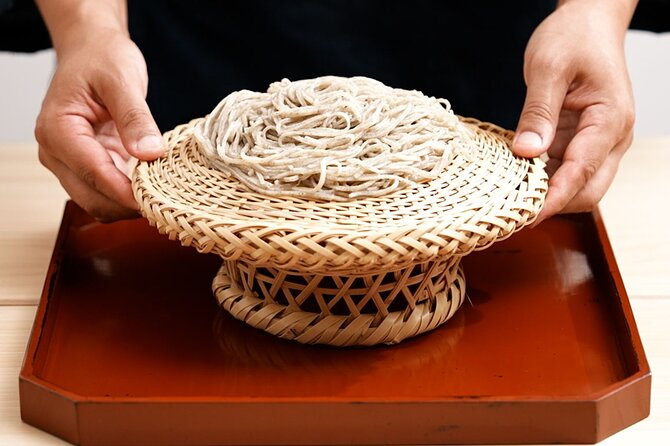
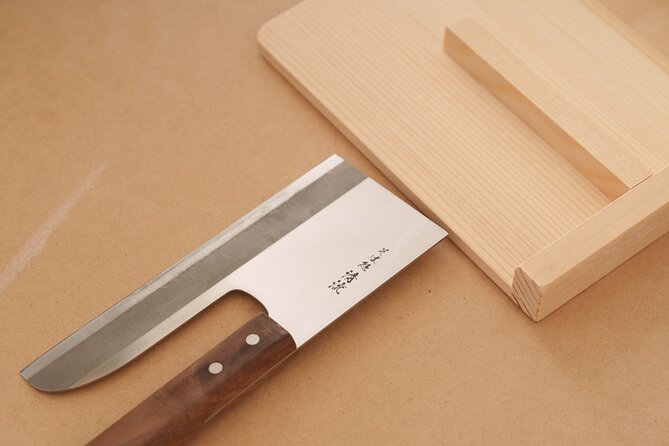
- Hands-on soba making, including kneading, rolling, cutting, and cooking
- Dashi-focused flavoring, the key sauce that changes how soba tastes
- Cold and hot soba options, including zaru-style and kake-soba-style servings
- A newer, well set-up kitchen workspace, which makes the class feel smooth
- Professional instruction, especially helpful if it is your first time making noodles
Getting to Chanoyu The KYOTO in Uzumasa
This class meets at Chanoyu The KYOTO Uzumasa (TEA CEREMONY) in Ukyo Ward, Uzumasa Izumishikibuchō, with the address listed as 616-8101 Kyoto, Ukyo Ward, Uzumasa Izumishikibuchō, 19 北1階. It is marked as being near public transportation, which is a big deal in Kyoto, where traffic and crowds can mess with your timing.
Plan to arrive a few minutes early. Cooking classes run better when you have time to settle, wash up, and get oriented before you start handling ingredients. Also, since the activity ends back at the meeting point, you will not be stuck hunting for your next connection after your meal.
The 1.5 hour rhythm of a soba dojo class
The whole experience runs about 1 hour 30 minutes, which is a sweet spot in Kyoto. Long enough to actually do the work, short enough that you can still enjoy the rest of your day without feeling like you are on a tight leash.
Here is how I think about the pacing. You start with a brief intro, then move into the physical sequence of making soba dough and shaping it into noodles. Then you cook and eat right away, because fresh noodles are the whole point.
This format suits first timers. The class is designed so you can enjoy it with confidence, even if you have never kneaded dough or cut noodles before. Just come prepared to get a little flour on your hands and learn by doing.
Make something with a Kyoto craftsman
- Authentic knife making experience at a blacksmith in Kyoto
★ 4.8 · 350 reviews - Kyoto: Calligraphy class at Buddhist temple in city center
★ 5.0 · 167 reviews - Roketsu dyeing experience: M course Roketsu Dyeing Experience
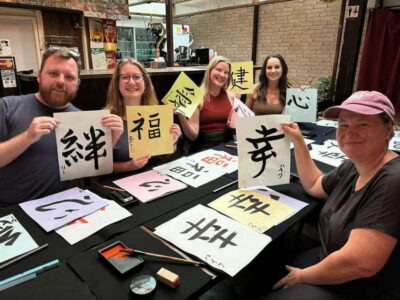
★ 5.0 · 163 reviews - Kyoto: Japanese Calligraphy Class
★ 4.8 · 89 reviews
Kneading, rolling, cutting, and cooking your own soba
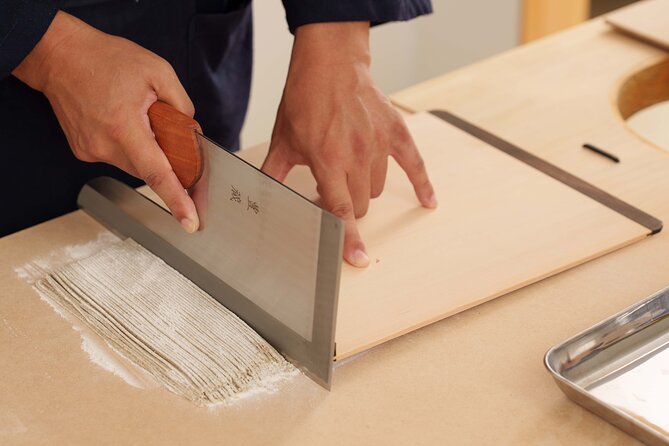
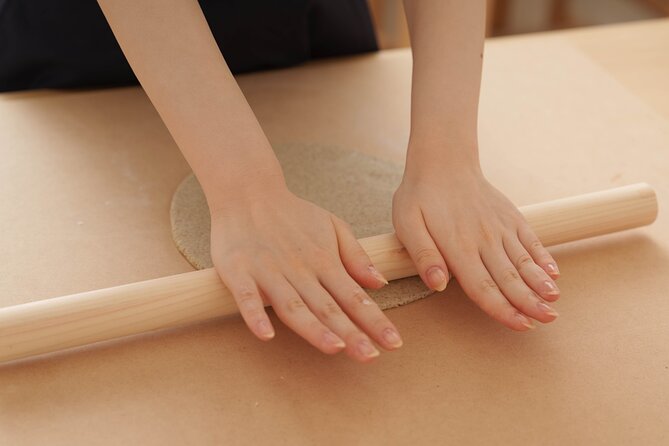
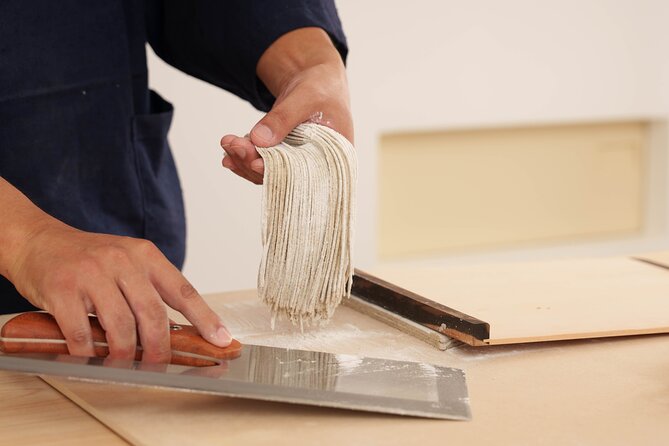
The heart of this experience is the process. You will learn the traditional art of making soba from scratch: kneading, rolling, cutting, and cooking your own noodles, guided by a skilled instructor.
What you should pay attention to is not perfection, it is consistency. Your goal is evenly handled dough, and even noodle thickness so the cooking is balanced. When you cut fresh soba, you get immediate feedback from the texture and appearance. That feedback loop is why workshops like this feel more memorable than dining experiences where everything is already finished.
And because you are cooking your own noodles, you understand the difference between raw dough and ready-to-eat soba. It is a small moment, but it changes how you think about the dish when you order it later in Kyoto. Suddenly, that bowl is not just a menu item, it is a process you have done with your own hands.
Zaru and kake-soba style tasting, plus how to vary the sauce
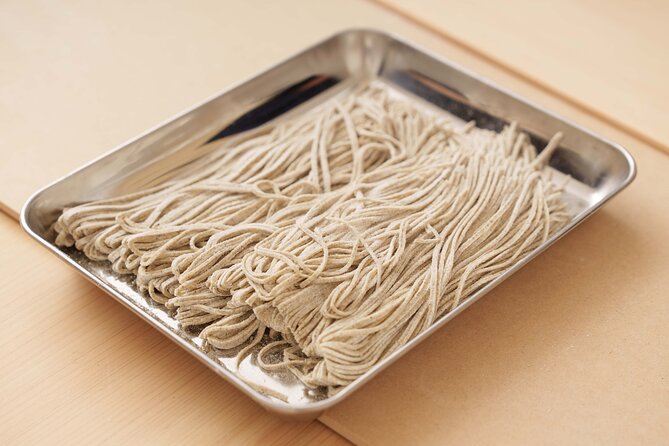
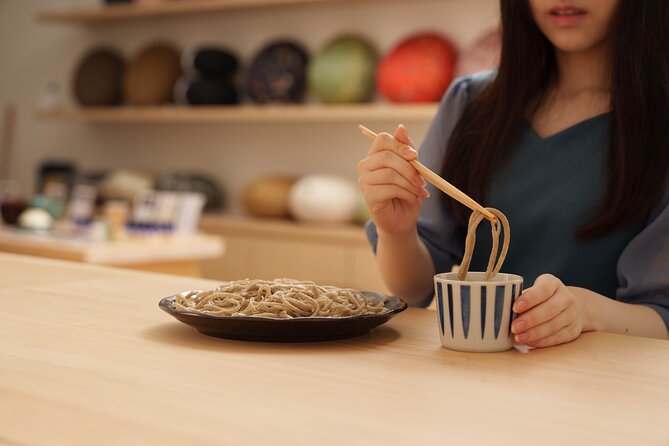
After the noodle work, the class moves into eating and flavor. You will enjoy freshly boiled soba in different styles, including cold soba served chilled in zaru-style, with options like a touch of salt or dashi. You can also enjoy it hot as kake-soba, a lighter broth version that feels gentle and delicate.
This is where the experience becomes more than “we made noodles.” The workshop helps you understand soba as a flexible dish. You can eat it refreshing and chilled, or warm and comforting. You can also pair it with various condiments and change up the dipping sauce, which means you are not locked into one flavor profile.
For value, I like this approach because you leave with something practical. You will know what you prefer, and you will have a clearer sense of how dashi changes the whole bowl. That makes future meals easier to order and easier to appreciate.
Crafting dashi flavor, the part that ties everything together
Soba is important, but dashi is the quiet boss. The experience highlights the unique flavor of dashi alongside soba, and it is easy to see why once you taste it paired with the noodles.
Dashi is what gives a bowl depth without feeling heavy. When it is used for dipping or in a warm broth, it turns plain buckwheat flavor into something more layered and rounded. It is also one of the reasons soba tastes distinct from generic noodle dishes.
Even if you never become a dashi expert overnight, you can still learn a key takeaway: the broth or dipping base is not a footnote. It is a major part of how the noodles taste. If you pay attention during the tasting, you will start to notice what tastes salty, what tastes savory, and what tastes clean and light.
Small group size and why it changes the class
This activity limits to 8 travelers. That matters more than it sounds. In a small group, you are more likely to get hands-on guidance when your dough behaves differently than you expected, or when you are figuring out the cut.
It also means the kitchen stays manageable. One of the strongest pieces of praise tied to this experience is that the kitchen area is new and works well as a workspace. A clean, well set kitchen reduces distractions, which keeps the class fun instead of frustrating.
And instruction quality is part of the value. The class is described as being taught by a professional instructor who is great at teaching. That combination, solid guidance plus a workable workspace, is what turns a cooking class into a highlight rather than a checkmark.
A quieter way to spend a day in Kyoto
Price and value in Kyoto terms
At $129.65 per person for about 1.5 hours, this is not a budget activity. But for Kyoto, where experiences can be pricey and food can be tempting everywhere, the cost makes more sense when you look at what you get:
- You make the noodles yourself, from scratch.
- You cook and eat what you make.
- You learn how soba and dashi interact in both chilled and warm formats.
- The group is capped at 8, which usually means more attention than larger workshops.
If you are traveling with a partner, this kind of class also works well as a shared activity. You both get the same learning moment, then you eat together, which is harder to replicate with a walking tour or a museum stop.
One more practical point: the experience is booked about 34 days in advance on average. That is not a guarantee, but it suggests you should reserve earlier if your travel dates are fixed, especially in busy seasons.
What to wear and how to get the most out of the hands-on part
Soba making is practical work. You will want comfortable clothing you do not mind getting a little flour on. Tie back long hair, and plan for the fact that your hands will be involved, not just your eyes.
Also, arrive with a small appetite. You are making noodles and eating them as part of the experience, including cold and warm soba. If you schedule a huge meal right before, you might enjoy the class less, because your appetite will be distracted.
Finally, bring curiosity about taste. This is a dashi and soba experience, not a generic cooking demo. If you focus on how the same noodles taste when served cold versus warm, and how dashi changes the flavor, you will get more than a meal. You will get a new way to order and evaluate soba on future trips.
Who this Kyoto soba making class fits best
I think this works best for people who want a real food skill, not just a photo stop. If you enjoy cooking, if you like understanding what makes a dish taste the way it does, or if you want an authentic Kyoto hands-on activity, this is a strong match.
It is also a good option if you are traveling with someone and you both want to do one meaningful thing together. The structured timing and small group size make it feel personal, without turning into an awkward private lesson.
It is not a fit if you have a soba (buckwheat) allergy, because participation is not allowed. It is also not ideal if you absolutely hate kitchen mess or hands-on cooking, since the class is fundamentally about working with dough and noodles.
Should you book KYOTO SOBA DOJO?
Book it if you want a hands-on Kyoto food experience with real takeaways. The format, fresh soba you make yourself, a dashi-focused flavor lesson, and a kitchen setup that feels new and functional add up to good value for the time you spend.
Skip it if you have any buckwheat allergy concern, or if your travel style is strictly hands-off and sightseeing only. Also, consider whether you prefer longer experiences, because 1 hour 30 minutes is focused, and it moves quickly once the cooking starts.
If your goal is to learn soba making as a craft and taste it in multiple styles, you are likely to love the way this class gives you both a skill and a stronger understanding of what you are eating.
FAQ
How long is the KYOTO SOBA DOJO experience?
The duration is about 1 hour 30 minutes.
Where does the experience start?
It starts at Chanoyu The KYOTO Uzumasa (TEA CEREMONY), 616-8101 Kyoto, Ukyo Ward, Uzumasa Izumishikibuchō, 19 北1階, and it ends back at the same meeting point.
Is there a mobile ticket?
Yes, the tour includes a mobile ticket.
Is a vegetarian or vegan option available?
A vegetarian option is available. If you want a vegan option, you need to contact the provider after booking.
Can I join if I have a soba (buckwheat) allergy?
No. Individuals with a soba (buckwheat) allergy cannot participate.
Is free cancellation available?
Yes, you can cancel for a full refund up to 24 hours in advance of the experience start time.
New This Season
- Koyasan Day Trip by Private Car from Kyoto
- Old Port Town and Ultimate Sake Tasting Private Tour From Kyoto
- Kyoto’s Timeless Charm: 3hr Exploration of History and Peace
- Kyoto: 5 Types of Sushi Making
- Sacred Peak & Ancient Paths: Kurama-Kibune Hiking Experience
- Kyoto: Exclusive ZEN practice at Manpukuji temple in Uji
- Kyoto: Private Seasonal Aroma Yoga Class
- Traversing Kyoto’s Scenic West – Arashiyama to Kinkakuji
Artisan Craft Workshops, compared.
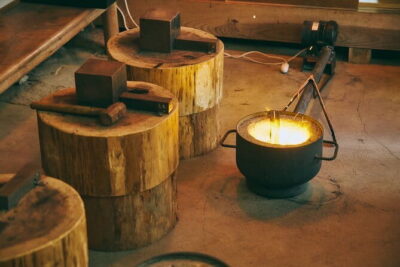
Authentic knife making experience at a blacksmith in Kyoto
Read our review →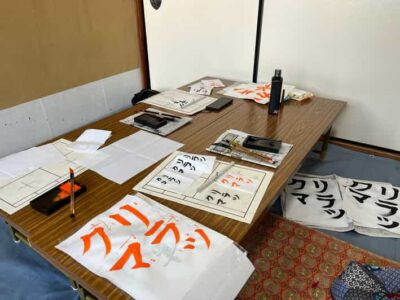
Calligraphy class at Buddhist temple in city center
Read our review →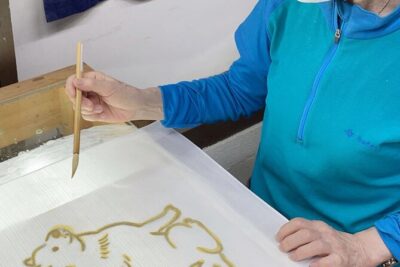
Roketsu dyeing experience: M course Roketsu Dyeing Experience
Read our review →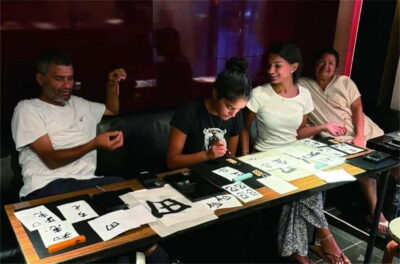

Traditional Japanese Washi Papermaking- Kyoto morning
Read our review →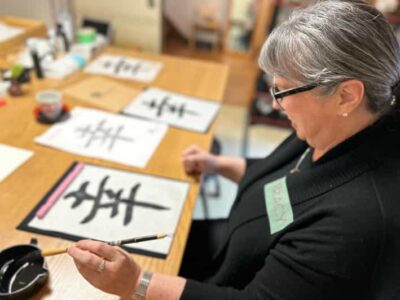
Also filed under