
Reviewed · FUSHIMI INARI SHRINE WALKS
Near Fushimiinari: Kyoto Home Cooking Class & Supermarket tour
Food lessons beat souvenir hunting in Kyoto. This Fushimi Inari area cooking class pairs hands-on lunch with a quick supermarket ingredient hunt.
I like that it is a real local-house setup, not a showy kitchen demo, and you still get lots of guidance along the way. The small group size means you can ask questions and move at a comfortable pace.
One consideration: drinks are not included, so have a plan for water or tea during the meal and shopping stop.
In This Review
- Key Points Before You Go
- A Kyoto Home-Cooking Class Where Location Actually Matters
- Entering a Traditional House: Tatami, Garden Views, and Dashi
- Hands-On Cooking: About Five Dishes and Real Kitchen Time
- The Lunch Part: A Meal You Sit Down For
- Supermarket Tour: Learning How to Buy Japanese Ingredients
- Price and Value: Why $118.92 Can Make Sense
- Timing and Practical Tips for a Smooth 9:30 Start
- Who Should Book This Cooking and Supermarket Combo
- Should You Book? My Decision Guide
- FAQ
- What time does the Kyoto Home Cooking Class & Supermarket tour start?
- How long is the experience?
- How many people are in the class?
- Is the class taught in English?
- What dishes will I learn to make?
- What is included in the price?
- Is the supermarket stop included, and can I buy ingredients?
Key Points Before You Go
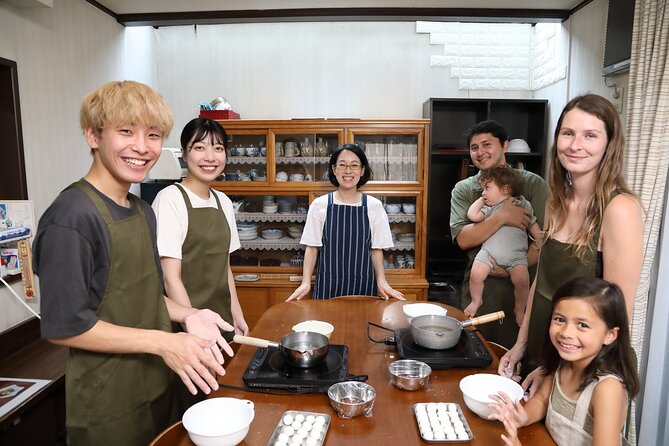
- Small group of up to six gives you time to ask questions while you cook
- Dashi-focused start helps you understand the flavor engine behind many Japanese dishes
- Hands-on cooking of about five dishes means you do more than watch
- Supermarket tour for about 30 minutes shows you what to buy and how ingredients are labeled
- English instruction with licensed guide interpreters keeps the lesson easy to follow
- Take-home recipes help you recreate the dishes after you’re back home
A Kyoto Home-Cooking Class Where Location Actually Matters
Kyoto is easy to over-plan. You can spend your whole day hopping between sights and still feel like you ate mostly convenience-store snacks. This experience keeps things human-sized: it starts near Fushimi Inari, then turns into an immersive food lesson in a real Japanese home setting, followed by a local supermarket walk.
The “near Fushimi Inari” part is practical. You can fit it into a normal Kyoto day without needing complicated transport gymnastics. And because the class is designed for conversation and questions, it is also a smart choice if you are traveling solo. You will share the kitchen and dining time with a small group, so the day does not feel like sitting next to strangers for hours.
If you want one learning outcome that really sticks, aim for this: you are not just tasting Japanese food. You are learning the ingredients and techniques that make Japanese home cooking work, then you get a recipe set you can take home.
Entering a Traditional House: Tatami, Garden Views, and Dashi
The class takes place in a traditional Japanese home setting. You will eat in a tatami room, and you will have a garden view while you share your meal. That matters more than it sounds. The quiet setting helps you focus, and it makes the food feel like something made for everyday life, not a performance.
The lesson begins with dashi, the Japanese soup stock that shows up in nearly all Japanese cuisine. That is a big deal, because dashi is the flavor base many dishes build on. Once you understand how it fits into the bigger picture, sauces and soups start making more sense on your own later.
You learn dashi early, then you move into hands-on cooking. Expect instructors to demonstrate before you take over. This pacing is helpful if you are new to Japanese cooking. It also keeps the group moving, especially with a maximum of six people.
Language support is another strength. The class is conducted entirely in English, and the instructors are licensed guide interpreters. That is exactly what you want when cooking terms get specific. You can ask follow-ups without worrying that you missed a key step because of language.
Still climbing through the orange gates?
- Kyoto: Fushimi Inari, Kinkakuji, Bamboo Grove 1 Day Bus Tour
★ 4.8 · 4,316 reviews - Fushimi Inari Hidden Hiking Tour (Private Option Available)
★ 5.0 · 1,750 reviews - Osaka/Kyoto:Kinkakuji,Arashiyama,FushimiInariShrine,NaraPark
★ 4.1 · 1,596 reviews - Kyoto/Osaka: Nara, Fushimi Inari Taisha, Arashiyama Bus Tour
★ 4.7 · 1,275 reviews
Hands-On Cooking: About Five Dishes and Real Kitchen Time
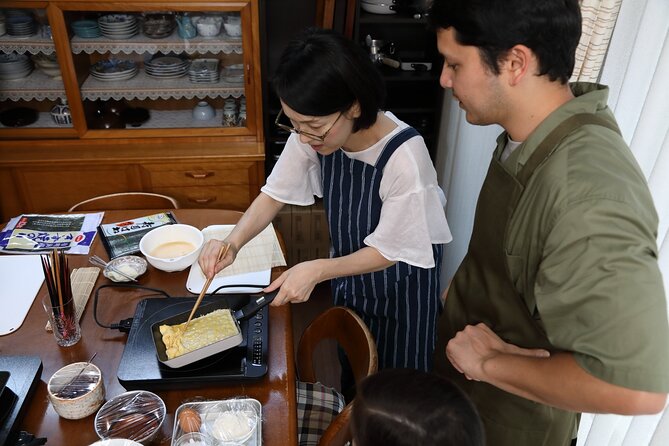
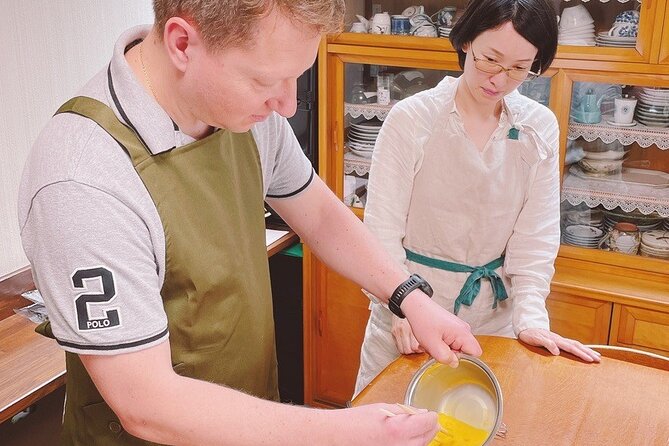
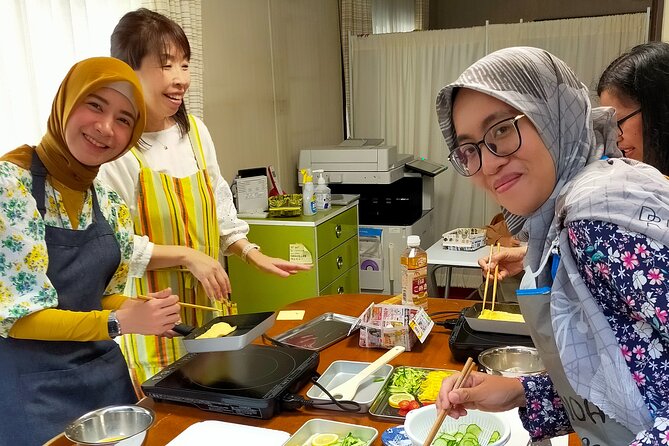
This is not a “watch and clap” class. You will prepare about five dishes yourself, either with a partner or with your own hands if the setup allows. The instructors demonstrate some dishes in front of you first, then it becomes your turn.
From the dishes listed in the experience, you may cook items such as miso soup, matcha, sushi, spinach salad, and tempura. The cooking also includes techniques that go beyond one dish. You are learning how to build flavor, handle ingredients, and understand common Japanese cooking approaches.
One thing I really appreciate in the structure is how it mixes overview and repetition. You start with key foundations like dashi, then you cook several dishes in a cluster. That makes it easier to remember what you used and why it mattered.
At the end of the meal, the fun does not stop at lunch. Many classes like this end at a polite goodbye. Here, there is often a sweet finish that includes mochi, made by the group. You can ask questions while you cook and also learn how the sweet finishing step works, which makes the whole day feel like a complete meal, not just a snack workshop.
The Lunch Part: A Meal You Sit Down For
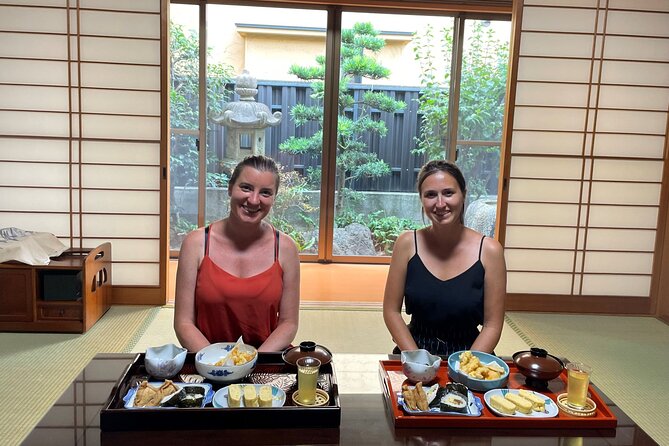
After cooking, you will sit together and eat in the traditional room. The timing is set up so you can actually enjoy the food, not rush through it standing up. That matters, because your senses help you learn. You taste, you compare textures, and you notice flavor differences you might not catch from a recipe alone.
The class includes lunch, and the ingredients and seasonings for cooking are provided. So you are not showing up with uncertainty about what you will need to bring, other than your own curiosity and appetite. You are also taking home recipes, which is one of the best forms of value. In Kyoto, “value” is not only the price. It is whether you leave with something usable.
If you are vegetarian, check how it is handled. The information you have indicates the class can cater to vegetarians, and that is exactly what you hope for in Japan, where menu clarity can vary.
Supermarket Tour: Learning How to Buy Japanese Ingredients
The supermarket visit is about 30 minutes, which is short enough to stay efficient but long enough to be useful. This stop is not random wandering. It is tied directly to what you cooked, so the ingredients you see in the aisles connect back to the lesson.
That connection is the real payoff. Japanese ingredients can look similar, have different names, or be labeled in a way that can confuse non-Japanese shoppers. When you walk through the store with the instructor, you learn practical answers like:
- What specific items did you use in class
- How ingredients are commonly packaged and sold
- What to look for so you can recreate flavors later
The supermarket tour also gives you a chance to buy the ingredients if you want to. You can take them back for family and friends, which is a nice way to turn your Kyoto day into a small home-cooking project later.
One careful note: the class includes the ingredients for cooking and a lunch, but drinks are not included. If you want bottled water or tea during the supermarket walk, budget for that.
Price and Value: Why $118.92 Can Make Sense
At $118.92 per person for about 4 hours, this class is not a bargain-basement activity. But it can be strong value for three reasons.
First, you are getting a full meal plus ingredients plus recipe handouts. Cooking classes that only give you a light tasting can feel overpriced. Here, you cook and then sit down to eat what you make.
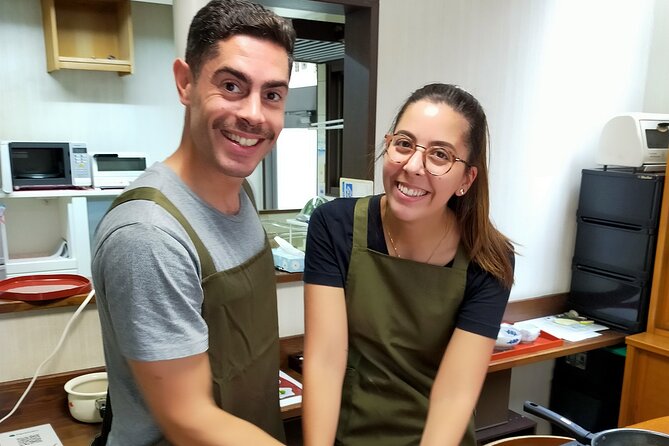
Second, the group size helps you get more of the instructor. With a maximum of six travelers, you are not fighting for attention. You can ask why something works and how to replicate it.
Third, you leave with a practical skill. Most Kyoto activities end when your photo uploads. This one continues into your kitchen because you have recipes and ingredient knowledge.
If you are comparing costs, I would think like this: you are paying for (1) instruction, (2) ingredients, (3) lunch, and (4) the supermarket walkthrough that turns recipes into shopping confidence.
A quieter way to spend a day in Kyoto


Timing and Practical Tips for a Smooth 9:30 Start
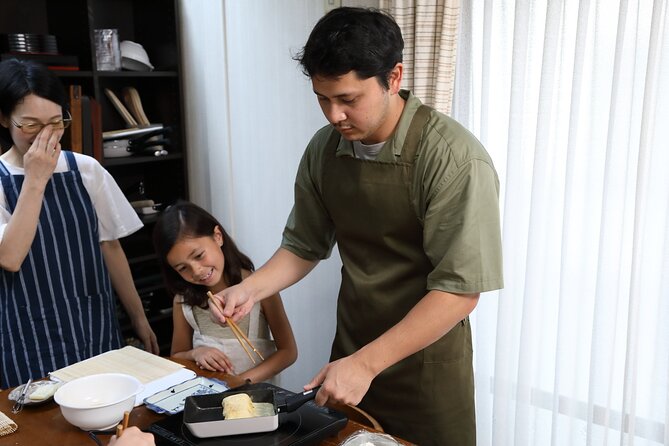
The class starts at 9:30 am. That means you should eat a light breakfast or plan a snack beforehand so you are ready to cook. The day includes lunch, so you do not need to come hungry in a stressful way, but you also do not want your energy tanked before tempura or other hands-on steps.
You are meeting at 38-4 Fukakusa Watamorichō, Fushimi Ward, Kyoto, 612-0022, Japan. Since hotel pickup and drop-off are not included, you will rely on public transportation or your own route planning. The good news: it is listed as near public transportation.
Wear comfortable shoes. You will be moving between the kitchen space and the supermarket area. And because this experience requires good weather, it is worth wearing layers you can manage if the day is warm or slightly changeable.
If you are someone who likes to ask questions, this setup will suit you. The class language is English, and the instructors are licensed guide interpreters, so you can get clear explanations. If you are shy, no worries, the small group format helps the tone stay friendly and low-pressure.
Who Should Book This Cooking and Supermarket Combo
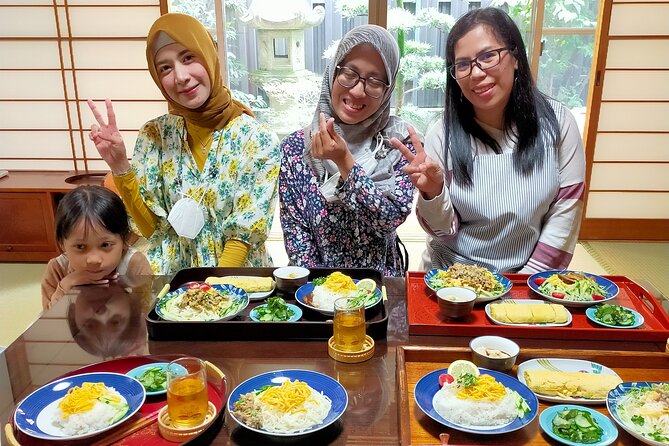
This is a great fit if you:
- Want a more local experience than a restaurant meal
- Are a solo traveler who likes meeting people in a small-group setting
- Like structured learning, especially if you want to go home and cook again
- Want a practical supermarket lesson, not just a food stop
It is also a good match for people who have tried Japanese cooking at home but felt stuck on ingredients. The supermarket portion helps you solve that exact problem.
If you strongly prefer a silent, self-guided activity, this might feel too interactive. But if you like talking, cooking, and learning as you go, it is one of those Kyoto days that feels like you got something real out of your time.
Should You Book? My Decision Guide
Yes, I would book it if your goal is to leave Kyoto with usable Japanese cooking skills. The combination is what makes it work: dashi understanding, hands-on cooking of about five dishes, a shared meal in a traditional room, and a targeted supermarket tour tied to what you made.
The only reasons to hesitate are simple. If you dislike shopping stops, or if you do not want to plan for drinks not being included and an early 9:30 am start, pick a different style of experience.
If those are not dealbreakers for you, this is an excellent way to spend a half day in Kyoto with real instruction and real food, plus recipes you can actually use.
FAQ
What time does the Kyoto Home Cooking Class & Supermarket tour start?
It starts at 9:30 am.
How long is the experience?
The duration is about 4 hours.
How many people are in the class?
The class has a maximum of 6 travelers.
Is the class taught in English?
Yes, the class is conducted entirely in English, with instructors who are licensed guide interpreters.
What dishes will I learn to make?
You will prepare about five dishes, and examples mentioned include miso soup, matcha, sushi, spinach salad, and tempura. The experience also includes making mochi as part of the class.
What is included in the price?
Included items are lunch, all seasonings and ingredients for cooking, an English-speaking instructor, and a supermarket tour for about 30 minutes.
Is the supermarket stop included, and can I buy ingredients?
Yes, there is a supermarket tour for about 30 minutes, and if you like, you can buy the ingredients used in the class.
More Workshops in Kyoto

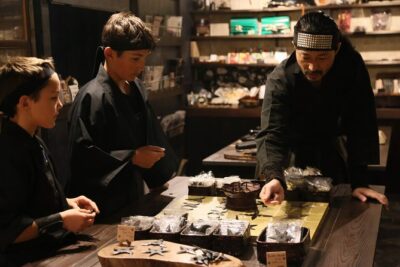
New This Season
- Koyasan Day Trip by Private Car from Kyoto
- Old Port Town and Ultimate Sake Tasting Private Tour From Kyoto
- Kyoto’s Timeless Charm: 3hr Exploration of History and Peace
- Kyoto: 5 Types of Sushi Making
- Sacred Peak & Ancient Paths: Kurama-Kibune Hiking Experience
- Kyoto: Exclusive ZEN practice at Manpukuji temple in Uji
- Kyoto: Private Seasonal Aroma Yoga Class
- Traversing Kyoto’s Scenic West – Arashiyama to Kinkakuji
Fushimi Inari Shrine Walks, compared.
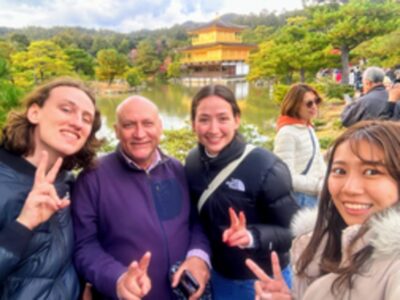
Fushimi Inari, Kinkakuji, Bamboo Grove 1 Day Bus Tour
Read our review →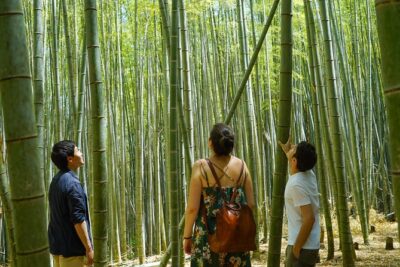
Fushimi Inari Hidden Hiking Tour (Private Option Available)
Read our review →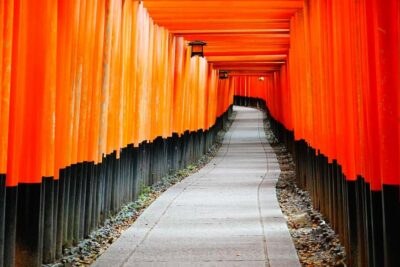
Kinkakuji,Arashiyama,FushimiInariShrine,NaraPark
Read our review →
Nara, Fushimi Inari Taisha, Arashiyama Bus Tour
Read our review →
Arashiyama, Nara & Fushimi Inari Shrine w/Lunch
Read our review →
Nijo Castle, Kiyomizu & Fushimi Inari Guided Tour
Read our review →
Nijo, Kinkaku-ji, Arashiyama, Kiyomizu & Fushimi Inari
Read our review →
Also filed under