
Reviewed · ARTISAN CRAFT WORKSHOPS
Sekka Cotton Furoshiki Class
Kyoto dyeing, made by hand. This private sekka shibori lesson at the Kyoto Shibori Museum gives you a clear, hands-on craft process, and then time to see museum pieces while your fabric dries. You’ll leave with a finished cotton furoshiki that works as a practical souvenir for travel.
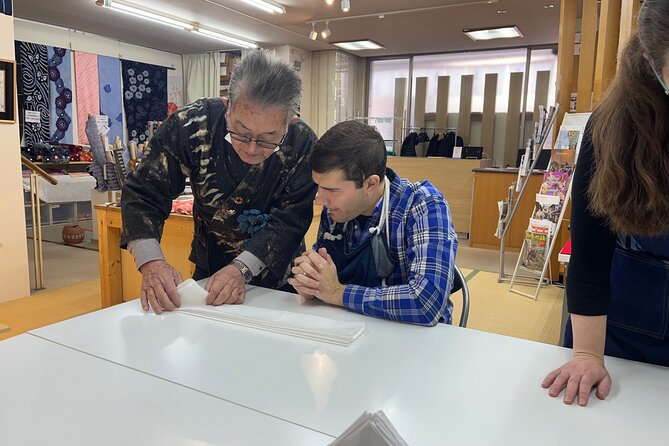
I love that you’re not just watching a demo. You pick a color, fold the fabric using the method taught in class, place it between two boards, and dye it with guidance from your instructor.
One possible drawback: the dyeing is structured, so the hands-on folding-and-dye steps can feel a bit standardized if you’re hoping for lots of personal variation.
In This Review
- Key things to know before you go
- Sekka shibori and the Kyoto Shibori Museum, what you’re really doing
- What the 1-hour experience includes (and what it doesn’t)
- Price and value: why $43.35 can make sense in Kyoto
- Meeting up at Kyoto Shikiamicho, then getting started fast
- Folding, boards, and dyeing: the step you’ll remember
- The “drying time” museum tour that makes the class feel worth it
- Taking home your cotton furoshiki, and how to use it after Kyoto
- English support, family-friendliness, and who should book this
- Book it or skip it? My honest recommendation
- FAQ
- Where is the Sekka Cotton Furoshiki Class meeting point?
- How long does the class take?
- Is this class private?
- What do I make during the class?
- How does the dyeing process work?
- What do I do while my fabric is drying?
- Is there a museum visit included?
- Do I need to print a ticket?
- How early should I book?
- What is the cancellation policy?
Key things to know before you go
- Private lesson for just your party: You get the full attention of the instructor instead of sharing time with strangers.
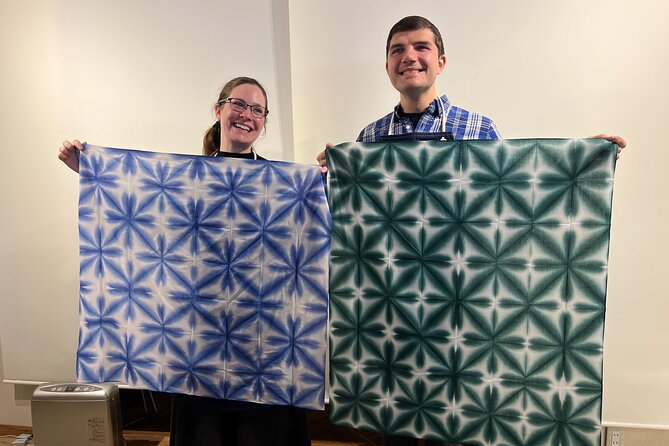
- You make a real Kyoto souvenir: The class ends with an 86 cm x 89 cm cotton furoshiki you can use or gift.
- Sekka shibori, specifically: You’re learning a particular shibori approach tied to this museum’s program.
- Two-part flow: You dye first, then use the drying time to explore museum displays.
- Great for families and teens: The experience is designed to be straightforward and welcoming, even if you’re doing textile craft for the first time.
Sekka shibori and the Kyoto Shibori Museum, what you’re really doing
This workshop centers on sekka shibori, a shibori dyeing method that creates patterns through folding and binding before dye hits the fabric. In plain terms, you’re learning how to shape the cloth first, so the dye later can only reach it in certain ways.
The Kyoto Shibori Museum is the right setting for this kind of lesson. You’re in a place built around textiles, tools, and finished examples, so your class doesn’t feel like a random side activity. It fits Kyoto in a very specific way: crafts aren’t treated like trivia, they’re treated like the main event.
What the 1-hour experience includes (and what it doesn’t)
The class runs about 1 hour total, with the dyeing workshop itself typically described as 30 to 60 minutes per class. Your time splits into two phases, and that matters because it keeps the experience from feeling rushed or purely instructional.
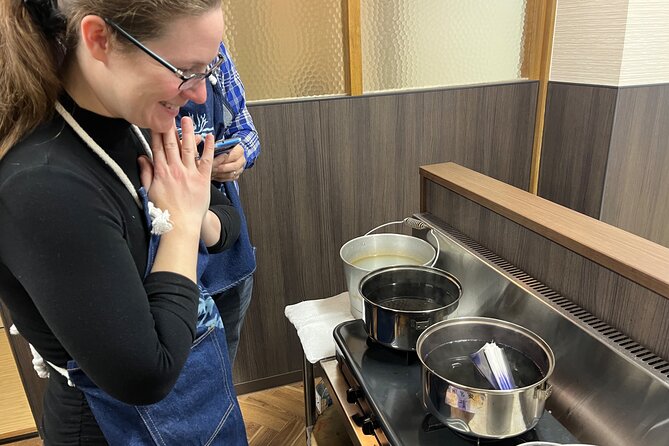
First, you follow the method the instructor teaches: choosing a color, folding your cotton furoshiki in a particular way, then placing the folded fabric between two boards before dyeing. After that, you’re done with the hands-on dye stage and shift to the museum portion while your fabric dries, about 30 minutes.
What it doesn’t include based on the info you have here: you’re not shown doing multiple different craft techniques or making several items. You’re focused on one clear outcome, and the museum experience supports it.
Make something with a Kyoto craftsman
- Authentic knife making experience at a blacksmith in Kyoto
★ 4.8 · 350 reviews - Kyoto: Calligraphy class at Buddhist temple in city center
★ 5.0 · 167 reviews - Roketsu dyeing experience: M course Roketsu Dyeing Experience
★ 5.0 · 163 reviews - Kyoto: Japanese Calligraphy Class
★ 4.8 · 89 reviews
Price and value: why $43.35 can make sense in Kyoto
At $43.35 per person, this is a budget-friendly “make something with your hands” workshop by Kyoto standards. It’s also not just a paid viewing experience, because you take home the cotton furoshiki you dyed.
Here’s the value math I’d use before booking:
- You get a private, instructor-led lesson, so your teaching time isn’t diluted.
- You take home a sizable finished item (86 cm x 89 cm), not a tiny sample.
- The museum time is part of the same experience flow, so you get context for what you’re doing while you wait.
Also, the price seems realistic because the program is structured around a single technique and a single final product. That structure is also what makes the class easy to schedule into a day without blowing up your itinerary.
Meeting up at Kyoto Shikiamicho, then getting started fast
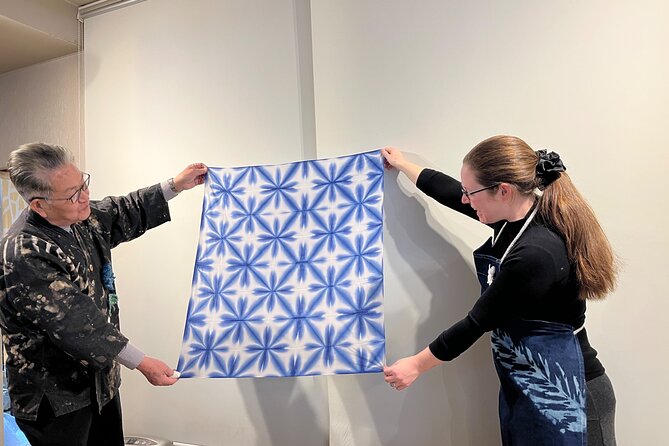
You meet at Kyoto Shibori Museum, 135-5 Shikiamichō, Nakagyo Ward, Kyoto, 604-8261, Japan. The activity ends back at the meeting point, which is handy if you like not thinking about logistics afterward.
It’s near public transportation, so you’re not forced into a car-heavy plan. That is a big deal in Kyoto, where transit can change minute by minute depending on where you’re staying.
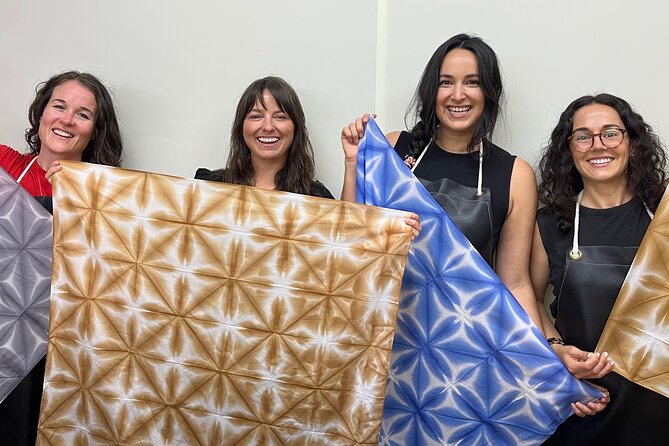
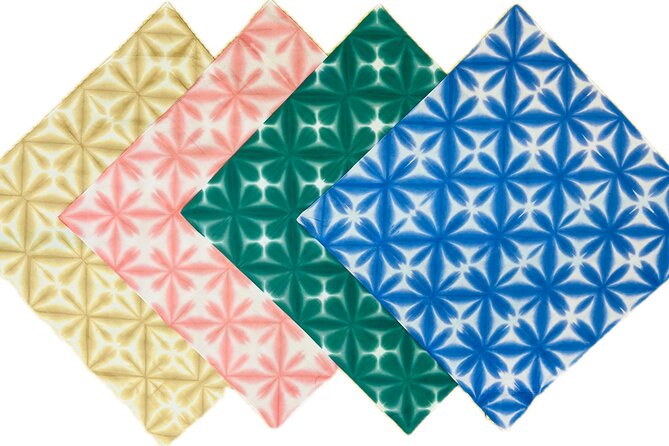
Once you arrive, the class begins with the core decision: you’ll choose a favorite color. That choice is more than cosmetic. It becomes the anchor for everything else you’ll do in class, because the folding method is what determines how the dye patterns show up.
Folding, boards, and dyeing: the step you’ll remember
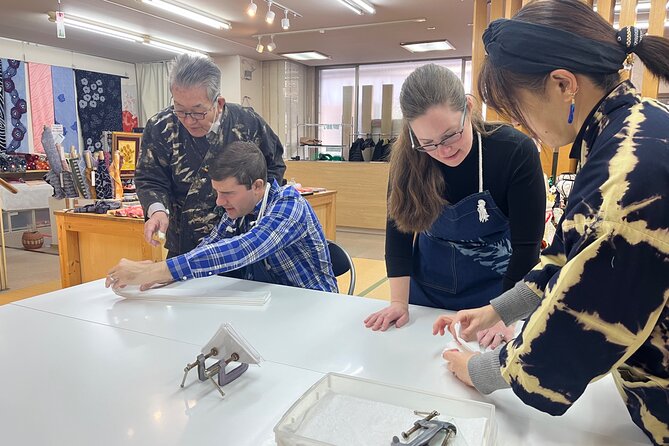
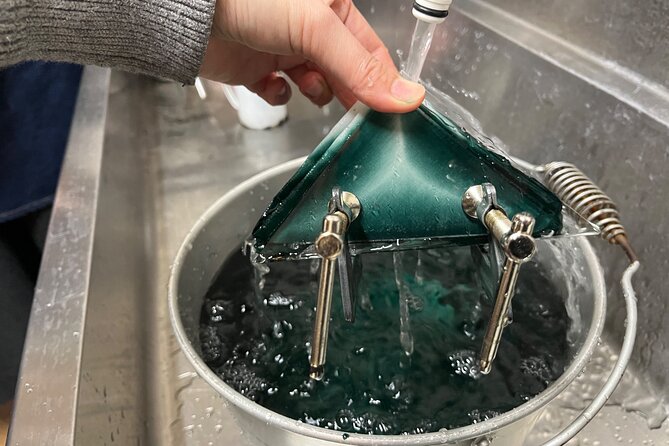
This is the part you should look forward to if you like learning by doing. You’re taught how to fold the fabric in a particular way, then you place the folded material between two boards. Only after that comes dyeing.
Even with a set method, there’s still something satisfying and human about it. You’re physically shaping the fabric, and you can see your choices in the final pattern once the dye process completes.
A key practical point: you’re working with an 86 cm x 89 cm cotton furoshiki. That’s large enough to feel substantial, but the process is still manageable within the short class window. If you’re coming with kids or teens, this size and time length can work well because the steps are concrete and don’t drag on for hours.
The “drying time” museum tour that makes the class feel worth it
While your fabric dries for about 30 minutes, you shift from making to learning. You’ll browse museum pieces, tools, and samples displayed upstairs. This is where the craft becomes understandable, not just pretty.
This part is more than waiting. It’s where you learn more about shibori as a technique, and you see examples that help explain how the folding-dye method translates into pattern and texture.
The museum collections are a big highlight for many people. One featured aspect is an exhibition created by 50 artisans over 50 years, which gives you a sense of scale and patience behind textile art. Even if you’re only in town briefly, it helps you see shibori as a craft practice, not a one-off souvenir machine.
If shopping is your weakness, the museum shop also sells shibori items, souvenirs, and fabrics. It’s smart to decide ahead of time whether you want to browse with extra money ready, because you’ll likely see things you want right away.
A quieter way to spend a day in Kyoto
Taking home your cotton furoshiki, and how to use it after Kyoto
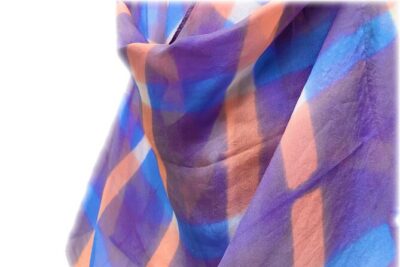
You leave with a cotton furoshiki dyed using the sekka shibori method. A furoshiki is a wrapping cloth, so it’s not just decorative wall art. It can be used to wrap gifts, pack small items, or style travel photos because it has that handmade Kyoto character.
Because this is an 86 cm x 89 cm piece, it’s large enough to function as a real wrap. That makes it more useful than many craft souvenirs that stay in a drawer.
One more practical advantage: since the class is designed to be family-friendly and straightforward, it’s less likely you’ll come out feeling like you wasted money. The structure helps you finish with something you can actually take home and be proud of.
English support, family-friendliness, and who should book this
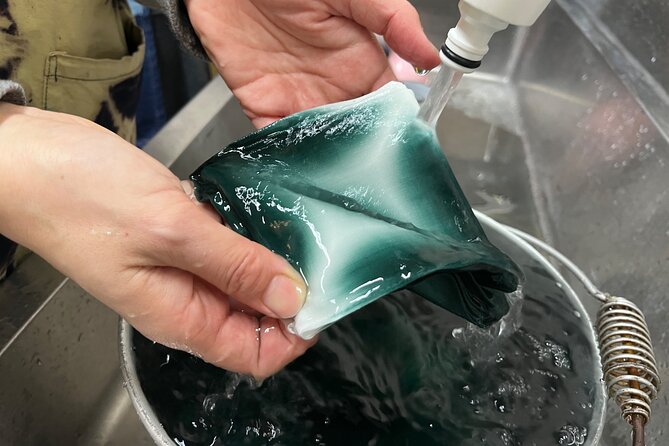
This experience is set up to work for most travelers, and it’s described as having staff and individuals who communicate in English. That makes the process easier if your Japanese is limited, because you can ask questions and follow instructions without guessing.
It’s also a good choice if you’re traveling with teens or want a craft activity that doesn’t feel too complicated. The hands-on portion is taught step by step, and while it’s not positioned as ultra-freeform, it’s engaging enough to feel like you did real work.
If you’re the type who loves hands-on workshops and wants a Kyoto-made souvenir you can actually use, you’ll probably enjoy it. If you want a long, open-ended art session with lots of personal customization, the structure might feel limiting.
Book it or skip it? My honest recommendation
I’d book this if you want:
- a private craft class in Kyoto focused on a single, memorable technique
- a tangible souvenir you dye yourself
- time inside a museum that explains what you’re doing while you wait for your fabric to dry
I’d skip it if:
- you’re chasing maximum creativity and customization, and the idea of a guided folding-and-dye method feels too structured
- you don’t want to spend time in a museum shop area afterward, since buying opportunities are part of the experience
For most people who want one authentic Kyoto craft stop that isn’t overly complicated, this is a strong choice.
FAQ
Where is the Sekka Cotton Furoshiki Class meeting point?
The meeting point is Kyoto Shibori Museum, 135-5 Shikiamichō, Nakagyo Ward, Kyoto, 604-8261, Japan.
How long does the class take?
The experience is approximately 1 hour. Classes are usually individual and take 30 minutes to 60 minutes per class.
Is this class private?
Yes. It’s a private tour or activity, and only your group participates.
What do I make during the class?
You dye a cotton furoshiki (wrapping cloth) using the sekka shibori method. The cloth size is 86 cm x 89 cm.
How does the dyeing process work?
You choose a color, fold the fabric in a particular way, place the folded fabric between two boards, and then dye it.
What do I do while my fabric is drying?
About 30 minutes of drying time is paired with time to learn more about shibori and browse art pieces, tools, and samples at the museum.
Is there a museum visit included?
Yes. During the drying period, you’ll browse museum displays, and the experience includes time in the museum as part of the activity.
Do I need to print a ticket?
No. The experience uses a mobile ticket.
How early should I book?
On average, this is booked 19 days in advance.
What is the cancellation policy?
Free cancellation is available up to 24 hours in advance for a full refund. If you cancel less than 24 hours before the experience start time, the amount paid is not refunded.
New This Season
- Koyasan Day Trip by Private Car from Kyoto
- Old Port Town and Ultimate Sake Tasting Private Tour From Kyoto
- Kyoto’s Timeless Charm: 3hr Exploration of History and Peace
- Kyoto: 5 Types of Sushi Making
- Sacred Peak & Ancient Paths: Kurama-Kibune Hiking Experience
- Kyoto: Exclusive ZEN practice at Manpukuji temple in Uji
- Kyoto: Private Seasonal Aroma Yoga Class
- Traversing Kyoto’s Scenic West – Arashiyama to Kinkakuji
Artisan Craft Workshops, compared.
Authentic knife making experience at a blacksmith in Kyoto
Read our review →
Calligraphy class at Buddhist temple in city center
Read our review →
Roketsu dyeing experience: M course Roketsu Dyeing Experience
Read our review →
Traditional Japanese Washi Papermaking- Kyoto morning
Read our review →
Also filed under