
Reviewed · ARTISAN CRAFT WORKSHOPS
Traditional Japanese Flower Styling Workshop – Ikebana in Kyoto
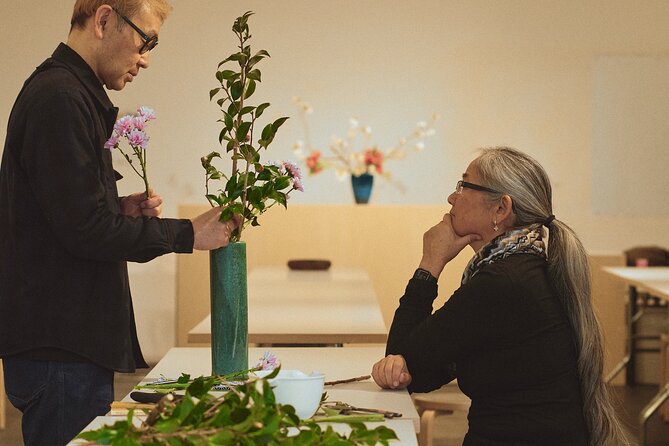
Kyoto, but make it floral and personal. This Traditional Japanese Flower Styling Workshop at Sogetsu WEST is a hands-on way to learn ikebana basics, plus the thinking behind the arrangements. You do the work in the studio, then you leave with practical ideas you can repeat later.
Two things I really like here: the teaching style and the take-home usefulness. Master Fooraku guides you in a relaxed way, and the class focuses on making arrangements you can recreate at home even without special flowers or traditional vases.
One consideration: if you came to Kyoto mainly for a long sightseeing route, this is an indoor, craft-centered experience that lasts about 1 hour 45 minutes. It is not a temple-hopping tour, so you will want to plan your sightseeing time separately.
In This Review
- Key takeaways before you go
- Why This Kyoto Ikebana Class Feels Different Than a Basic Craft Workshop
- Sogetsu WEST in Shimogyo Ward: A Serious Studio Without the Stuffiness
- What You Make: Ikebana Styles You Can Recreate at Home
- Master Fooraku: Calm Guidance and Clear English
- The Workshop Flow at Sogetsu WEST (What Happens During Your 1h45)
- 1) Start with the basics and how to see the composition
- 2) Learn techniques for fresher flowers and longer-lasting results
- 3) Create your own arrangement with guided support
- 4) Photo time and a relaxed conversation
- Why the Philosophy Piece Is Worth Your Time
- Containers, Line, and Balance: The Practical Lessons You’ll Actually Use
- Taking It Home: Slides by Email and the Skill You Keep
- Price and Value: What You Get for About $104
- Who Should Book This Ikebana Workshop in Kyoto
- Quick Tips to Get the Most Out of Your Class
- Should You Book This Ikebana Workshop in Kyoto?
- FAQ
- Where is the workshop located?
- How long is the ikebana workshop?
- Do I need special vases or tools to participate?
- Is this a private experience?
- Will I be able to take a photo of my arrangement?
- Can I get materials after the workshop to practice again?
Key takeaways before you go
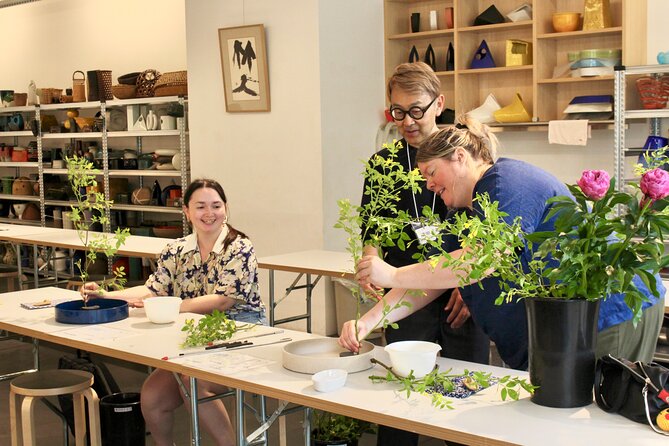
- Master Fooraku leads the class with decades of study and clear English
- No special tools or traditional containers required to learn the core forms
- Sogetsu WEST has over 300 container types so you see how shape and line change everything
- You learn techniques to keep flowers fresh, not just how to make one arrangement
- You take a photo of your work and can request slides by email for later practice
- Private setup for your group means more Q and A during the relaxed chat afterward
Why This Kyoto Ikebana Class Feels Different Than a Basic Craft Workshop
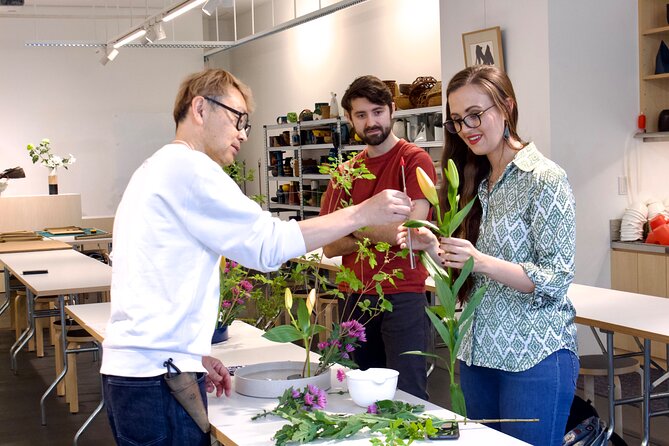
Kyoto is full of culture. This workshop adds a very specific one, flower styling as a language. Ikebana is not just decoration, it is about proportion, line, and the way seasonal change shows up in everyday life.
What makes this class especially appealing is that the goal is not only to finish something pretty on the table. You learn how to think like an ikebana arranger, including the history and philosophy behind the craft. That mental framework is what helps your arrangement still make sense when you try again at home.
I also like the practical promise in the approach: you do not need special tools or traditional Japanese containers to get started. Even better, the workshop teaches you styles in a way that you can keep using after you leave Kyoto.
Sogetsu WEST in Shimogyo Ward: A Serious Studio Without the Stuffiness
The workshop meets at Sogetsu WEST in Shimogyo Ward, Kyoto, at 20-4 Sujakudōnokuchichō, 600-8842. It ends back at the meeting point, so it is easy to plug into your day.
Why the studio matters: Sogetsu WEST is described as a premier ikebana space in western Japan and it is home to over 300 flower containers. That is not a small detail. In ikebana, the container is part of the composition. Seeing many types in one place helps you understand how container shape influences the lines, balance, and overall mood.
Also, the location is listed as near public transportation. That matters in Kyoto, where getting across town can be slower than you expect. If you can reach the area without a long slog, you stay fresh for the hands-on work.
Make something with a Kyoto craftsman
- Authentic knife making experience at a blacksmith in Kyoto
★ 4.8 · 350 reviews - Kyoto: Calligraphy class at Buddhist temple in city center
★ 5.0 · 167 reviews - Roketsu dyeing experience: M course Roketsu Dyeing Experience
★ 5.0 · 163 reviews - Kyoto: Japanese Calligraphy Class
★ 4.8 · 89 reviews
What You Make: Ikebana Styles You Can Recreate at Home
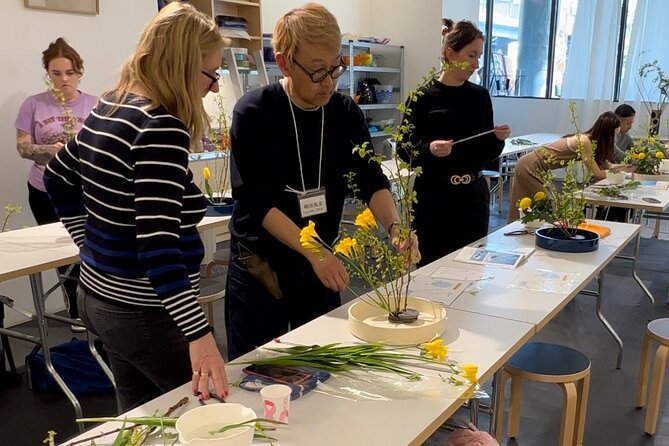
The heart of the experience is creating your own ikebana arrangement during the session. The class covers the basics and introduces you to multiple styles, so you are not just copying one pattern.
A key selling point is the emphasis on getting results without special supplies. The workshop explains how you can create ikebana styles even without special flowers or vases once you are back home. For me, that is the real value, because Kyoto souvenirs are fun, but a skill you can practice later is more rewarding.
You are guided in a way that helps you focus on principles like line and space. Even if your materials differ at home, the approach is meant to carry over. That is also why the instruction includes tips for keeping flowers fresh, because your arrangement will hold its look longer when you understand what helps the stems and leaves stay healthy.
Master Fooraku: Calm Guidance and Clear English
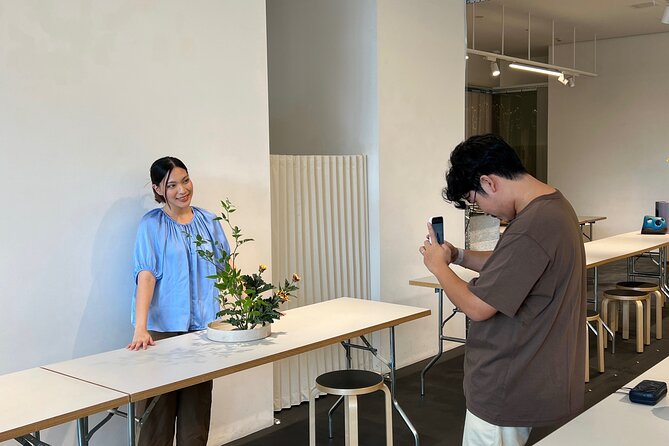
The teacher is Fooraku. One of the most praised aspects in the feedback is how experienced he is and how relaxed the pace feels.
The reviews you can expect from this type of workshop align with what you would hope for: a teacher with serious training and the ability to explain it in plain language. In particular, Master Fooraku is described as studying ikebana for over 30 years, and his English is noted as good. That combination is huge for a craft class. You can actually focus on the work rather than translating everything in your head.
The teaching style also matters for confidence. Ikebana is one of those activities where people worry they might do it wrong. A patient, relaxed instructor reduces that stress fast, and it makes it easier to ask questions when something feels unclear.
The Workshop Flow at Sogetsu WEST (What Happens During Your 1h45)
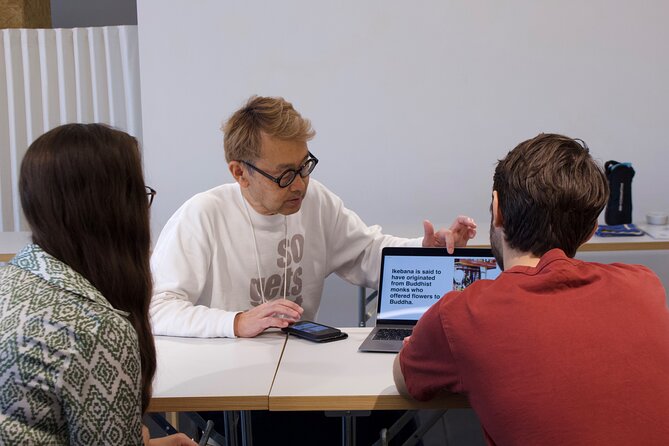
This activity runs about 1 hour 45 minutes. It is a private experience, meaning only your group participates, so you are not squeezed between strangers and a clock.
Here is what you should expect from the session structure based on what the workshop emphasizes:
1) Start with the basics and how to see the composition
You begin with instruction on ikebana foundations. The class frames arranging as a balance of intention and technique, not a random placement of stems.
You also get background on the history and philosophy of ikebana. That is not trivia for trivia’s sake. It gives you a reason for the choices you are making, like where you place the longest line element and how you think about negative space.
A quieter way to spend a day in Kyoto

2) Learn techniques for fresher flowers and longer-lasting results
A lot of flower classes end with a finished piece and you walk away. This one also includes technique for keeping flowers fresh. That helps because you are not just building a photo moment, you want the arrangement to look good after the class, too.
Even small freshness tips can make a visible difference. If you remember how to handle stems and how to support the look of your materials, your arrangement stays more stable as days pass.
3) Create your own arrangement with guided support
Then you build your own ikebana masterpiece. The guidance is meant to help you create a result that follows the style you are learning.
The workshop also emphasizes that you can do this without needing special tools or traditional containers. So you focus on the arrangement principles rather than chasing the perfect vase.
4) Photo time and a relaxed conversation
Once your arrangement is complete, the session includes taking a picture of your creation to commemorate it. After that, you unwind with post-session conversation.
One nice touch is that you can ask questions about Japanese food, culture, or traditions. If you are comfortable sharing your own country or background, the guide encourages conversation. For me, this is where you turn the class into a genuine cultural chat, not just a technical lesson.
Why the Philosophy Piece Is Worth Your Time
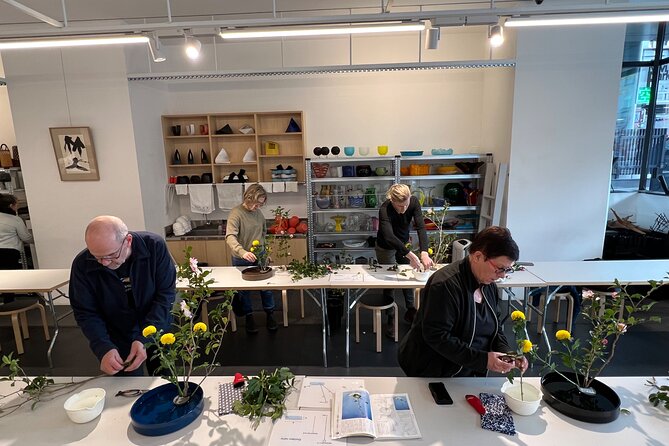
It is tempting to treat ikebana like a craft where you copy shapes. But the workshop includes the philosophy for a reason.
When you understand what ikebana is trying to express, the arrangement becomes easier to interpret and easier to repeat. The class highlights the Japanese aesthetic sense and the joy of seasonal change, so you connect the work to something real in daily life.
That matters because most people do not want a one-time project. You want your second arrangement to feel more natural than the first. Philosophy plus technique is a shortcut to that.
Containers, Line, and Balance: The Practical Lessons You’ll Actually Use
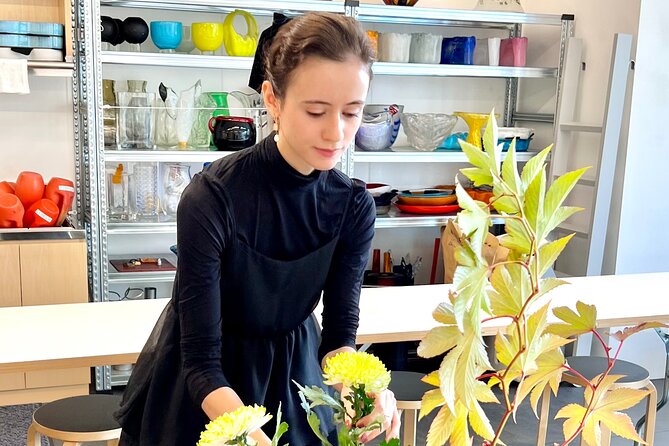
One of the standout details is the studio’s access to over 300 different types of flower containers. Even if you do not use them all in your arrangement, you will likely get a strong sense of how container choice changes the style.
In practical terms, here is what you can take away from that kind of environment:
- You learn to think about the container as part of the message, not just an accessory.
- You start recognizing how shape and height affect balance.
- You understand why the same stems can feel totally different depending on the setup.
That is the sort of insight that makes the class more than a how-to for one arrangement. You can adjust your approach later at home with what you have.
Taking It Home: Slides by Email and the Skill You Keep
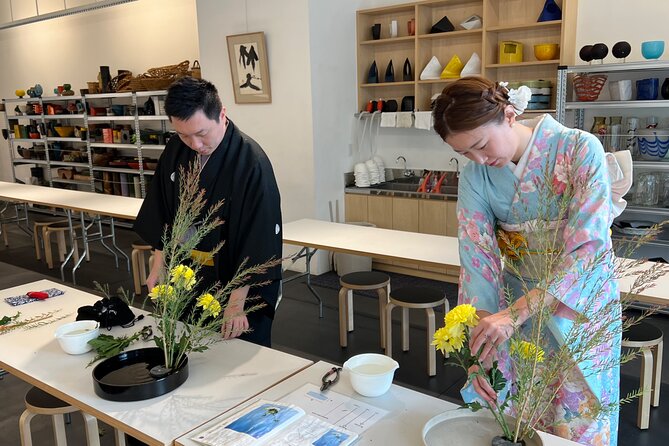
A great add-on here is the offer of session slides by email upon request. That matters for a class like this because you might remember the feel of the guidance, but not every detail you were shown.
With slides, you can review the structure and try again later without guessing. If you have ever tried to recreate a craft from memory, you know how quickly details fade.
You also leave with your photo, so you have something to compare against when you repeat the arrangement. That kind of small reference helps you improve.
And because the workshop stresses that you can create styles without special vases or flowers, it is designed for repeat practice. That is the real “souvenir,” your ability to do ikebana at home.
Price and Value: What You Get for About $104
The price is listed at $104.24 per person, with an average booking window of 26 days in advance. The duration is about 1 hour 45 minutes, and the experience is private for your group.
Here is the value math I would use:
- You are paying for expert, personalized instruction from Master Fooraku, not a quick demo.
- You get a complete guided session that includes history and philosophy plus techniques, not just stem placement.
- You receive a photo of your work and can request slides by email, which increases the take-home value.
If you like hands-on cultural activities and you want something you can repeat, the price starts to make a lot of sense. If you only want casual sightseeing time or you are not interested in learning a skill, you might find this more satisfying when paired with another Kyoto plan.
Who Should Book This Ikebana Workshop in Kyoto
This is a strong choice if you fall into one or more of these categories:
- You like culture that you can touch, not just read about
- You want a Kyoto experience with a clear skill outcome
- You enjoy conversation and Q and A, since the session includes post-workshop chatting
- You are curious about Japanese aesthetics and want context behind the technique
It might be less ideal if you want a full-day tour with multiple stops. This class is focused and indoor. Think of it as a creative pause in your Kyoto schedule, not the center of a packed itinerary.
Quick Tips to Get the Most Out of Your Class
Because this is hands-on, you will get better results if you show up mentally ready to slow down.
- Dress comfortably for sitting and working at a table. Nothing fancy is required based on what the experience is about.
- Keep an open mind about technique and philosophy. Even if you just want a nice arrangement, the structure helps you do it right.
- After the workshop, ask your own questions. The guide invites discussion about Japanese food and culture, so bring a topic you actually care about.
- If you want the slides, request them during or soon after the class, while the details are fresh.
Should You Book This Ikebana Workshop in Kyoto?
If you want a Kyoto experience that feels personal and practical, this is an easy yes. The combination of Master Fooraku’s experience, the relaxed teaching style, and the focus on methods you can use later makes it worth your time.
Book it if you value a calm, skill-based cultural activity. It is also a nice fit for couples, friends, or solo travelers who enjoy creative learning without the pressure of a huge group.
Skip it if your priority is checking off Kyoto landmarks all day long. This is about learning ikebana at Sogetsu WEST, and you will get the most satisfaction when you treat it like the main event for a block of your schedule.
FAQ
Where is the workshop located?
It takes place at Sogetsu WEST, 20-4 Sujakudōnokuchichō, Shimogyo Ward, Kyoto, 600-8842, Japan. The activity ends back at the meeting point.
How long is the ikebana workshop?
The duration is about 1 hour 45 minutes.
Do I need special vases or tools to participate?
No. The class is designed so you can learn basic ikebana styles without needing special tools or traditional Japanese containers.
Is this a private experience?
Yes. It is a private tour or activity, so only your group will participate.
Will I be able to take a photo of my arrangement?
Yes. After you finish your arrangement, the session includes taking a picture to commemorate your work.
Can I get materials after the workshop to practice again?
You can receive session slides by email upon request.
New This Season
- Koyasan Day Trip by Private Car from Kyoto
- Old Port Town and Ultimate Sake Tasting Private Tour From Kyoto
- Kyoto’s Timeless Charm: 3hr Exploration of History and Peace
- Kyoto: 5 Types of Sushi Making
- Sacred Peak & Ancient Paths: Kurama-Kibune Hiking Experience
- Kyoto: Exclusive ZEN practice at Manpukuji temple in Uji
- Kyoto: Private Seasonal Aroma Yoga Class
- Traversing Kyoto’s Scenic West – Arashiyama to Kinkakuji
Artisan Craft Workshops, compared.
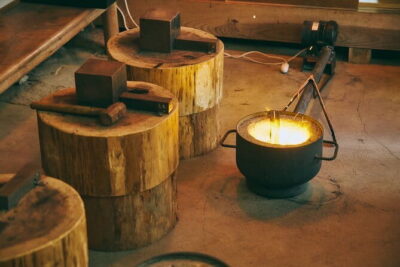
Authentic knife making experience at a blacksmith in Kyoto
Read our review →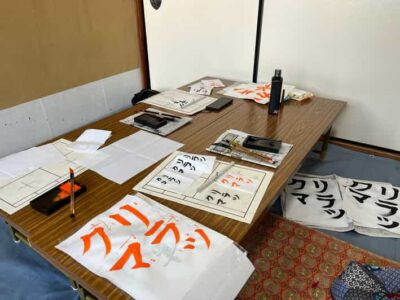
Calligraphy class at Buddhist temple in city center
Read our review →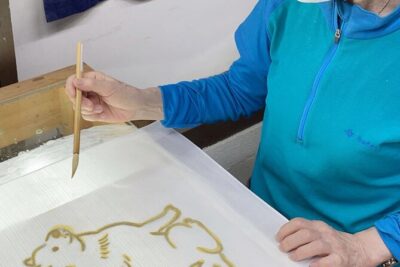
Roketsu dyeing experience: M course Roketsu Dyeing Experience
Read our review →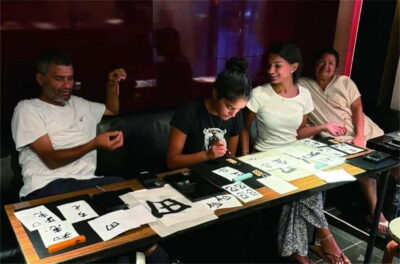

Traditional Japanese Washi Papermaking- Kyoto morning
Read our review →
Also filed under