
Reviewed · SUSHI-MAKING WORKSHOPS
Kyoto: Cooking class, learning how to make authentic sushi
Sushi lessons in Kyoto feel personal. In this 90-minute class near Takeda Station, you learn how to make sushi rice (shari or sumeshi) the right way, then shape nigiri using fresh toppings. Two things I really like: you wear a rented Happi robe during the experience, and the instructor uses English so the how and why actually land.
One possible drawback to plan for, though: the final plate is focused, usually eight pieces of sushi plus a very simple roll, so if you expect a big menu of variations, you might feel the course is a bit basic for the price.
In This Review
- Key Highlights You’ll Care About
- Sushi Rice Comes First, Not the Fancy Fish
- Shaping Nigiri: What You Actually Do in 90 Minutes
- The Happi Robe, Japanese Spirits Talk, and Why It Matters
- The Food Plan: Eight Pieces of Sushi Plus One Simple Roll
- Price and Value: Is $113 Worth It?
- Logistics Near Takeda Station, Without Stress
- Dietary Notes and Allergies: You Can Plan Ahead
- Small Rules That Keep the Class Comfortable
- Who This Sushi Class Suits Best
- Should You Book This Kyoto Sushi Class?
- FAQ
- How long is the Kyoto sushi cooking class?
- What is included in the price?
- Are vegetarian, vegan, or Muslim-friendly options available?
- Do you need to pay extra for fish or special ingredients?
- Is the class wheelchair accessible?
- Is drinks included?
- Where is the meeting point?
- Is cancellation allowed, and what is the refund policy?
- Are children welcome?
Key Highlights You’ll Care About
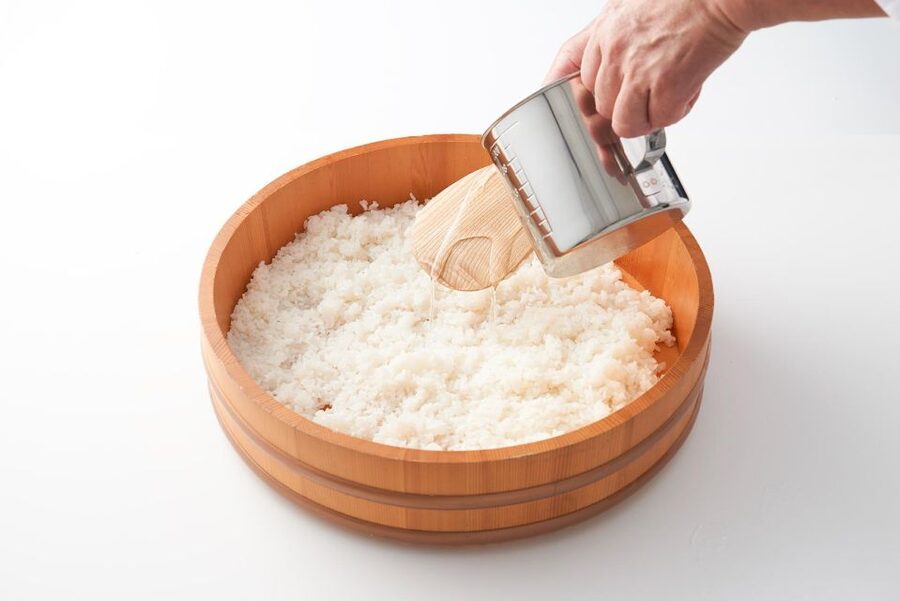
- Vinegar rice technique first, so your sushi doesn’t fall apart or taste flat
- Pre-cut ingredients, making it beginner-friendly from minute one
- Happi robe + Japanese spirit experience, a fun cultural add-on beyond cooking
- Pick your own toppings, including ginger and green onion, to match your tastes
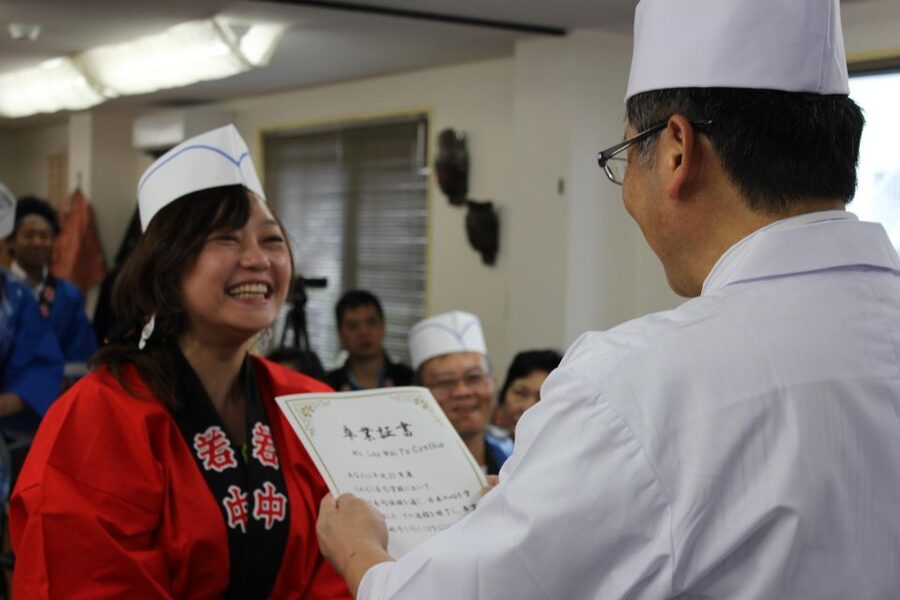
- 8 pieces of sushi you made yourself, with a certificate and graduation ceremony
- Dietary options supported, including vegetarian, vegan, and Muslim-friendly menus
Sushi Rice Comes First, Not the Fancy Fish
Most sushi classes start with the cool part, the fish. This one flips the order where it matters. Before you touch anything fancy, you learn to make shari or sumeshi, the vinegar rice that drives the flavor and texture of everything that follows.
You’ll mix specially blended sushi vinegar with freshly cooked rice. The idea is simple, but it is not effortless. The class emphasizes there is a trick to mixing it well, and that is exactly where you usually see beginners struggle. If the rice is too wet, it clumps. If you mix too roughly, you crush grains. If you do it right, you get rice that holds together and tastes balanced, not sour or one-note.
I also like that the course is built for beginners. Ingredients for toppings are prepared in advance and cut already. That means you spend your time learning technique instead of wrestling with knives and raw prep. If you want to go further and learn fish cutting, you can ask, but you are not required to.
Shaping Nigiri: What You Actually Do in 90 Minutes
Here is the practical truth about a hands-on class: you need time for both technique and eating what you make. With a 90-minute pace, this course keeps a clear focus.
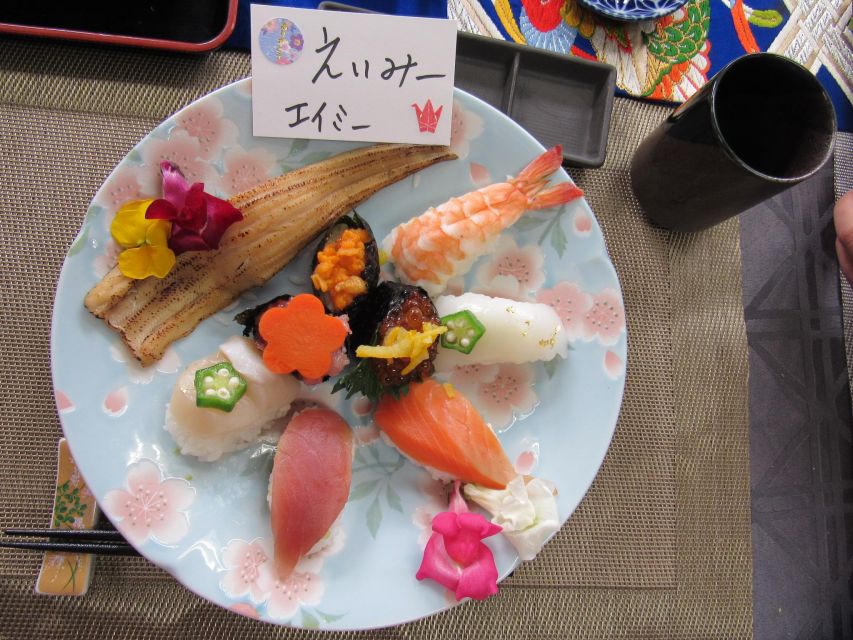
You’ll go through a lecture first on how to make sushi, then you move into the hands-on part. In the final stage, you assemble your own sushi and build eight pieces, plus a simple roll. The toppings can vary by season, but the class notes include choices like green onion and ginger, and they also mention you may encounter premium fish options such as extra fatty tuna or a sweet, creamy style fresh red shrimp when available.
Two helpful details for your expectations:
- You are selecting toppings you like, not just following a single rigid script.
- You are working with ingredients that are already prepped, so your learning curve is about shaping and flavor, not heavy cooking.
If you love learning by doing, this format works. You leave with a mental checklist for sushi rice and a sense for how tight you should shape nigiri. If you’re hoping to master lots of different sushi styles in one session, it may feel narrow. One review specifically felt the content was quite basic for the price, and I can see that viewpoint if your goal is maximum variety.
Learn to roll your own sushi
- Sushi Making in Kyoto! Same-day bookings welcome!
★ 5.0 · 713 reviews - The Original Small-Group Sushi Making Class in Kyoto
★ 5.0 · 436 reviews - Kyoto: Small-Group Authentic Sushi Making Workshop
★ 5.0 · 137 reviews - Sushi – Authentic Japanese Cooking Class – the best souvenir from Kyoto!
★ 5.0 · 93 reviews
The Happi Robe, Japanese Spirits Talk, and Why It Matters
Cooking classes in Japan can be more than food. This one adds atmosphere in a deliberate way.
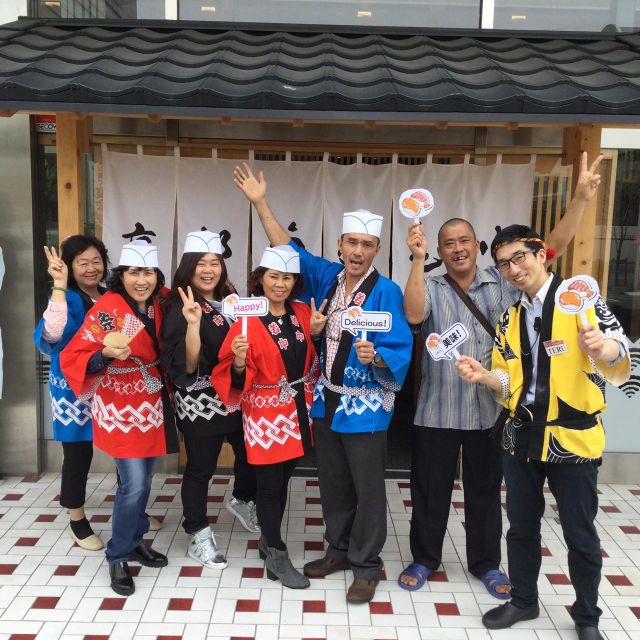
You can rent a traditional Japanese outfit, and you’ll wear a Happi robe during the experience. That does not just look good for photos, it changes how you participate. You act less like a distant spectator and more like a participant in a small, local ceremony.
There is also an experience tied to Japanese spirits included in the class. You get a lecture about it as part of the overall sushi-making experience. I like add-ons like this when they stay connected to what you are doing. Here, the lesson supports the idea that sushi is not only a recipe, it is a craft with cultural context.
Even if you are not the type to care about ceremony, the Happi moment keeps the class fun and memorable, and it helps break the tension for first-timers. You get a light cultural experience without turning the event into a lecture-only show.
The Food Plan: Eight Pieces of Sushi Plus One Simple Roll
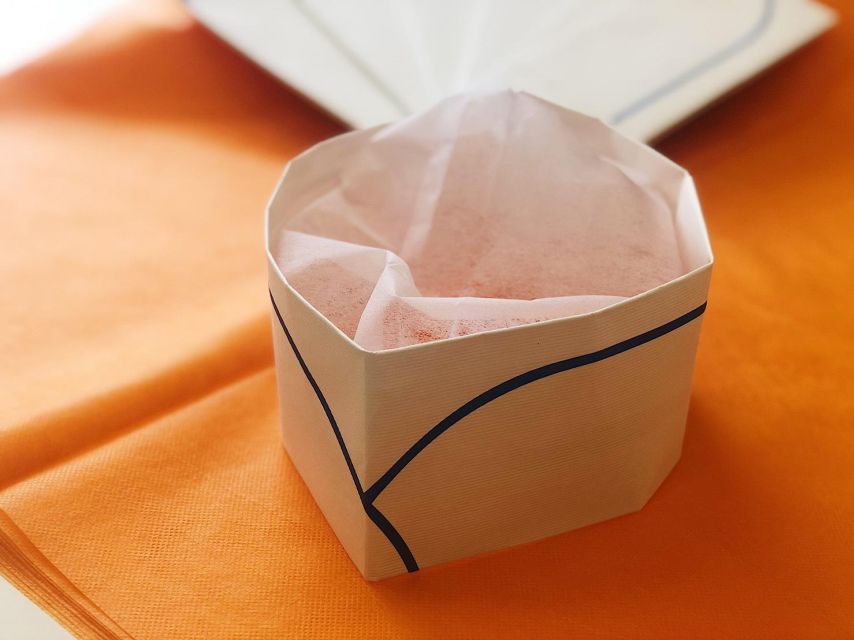
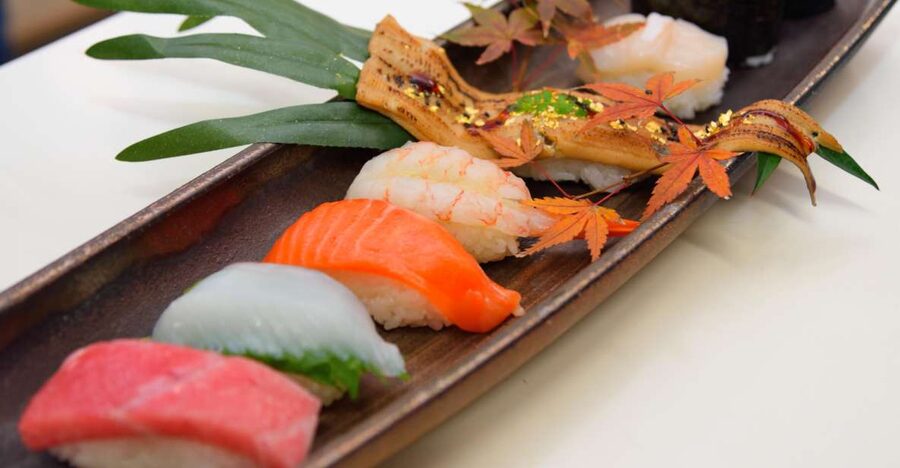
You’ll eat what you make, and that is the best kind of class investment. Instead of watching, taking notes, then leaving hungry, you get your own sushi plate.
The included meal is typically:
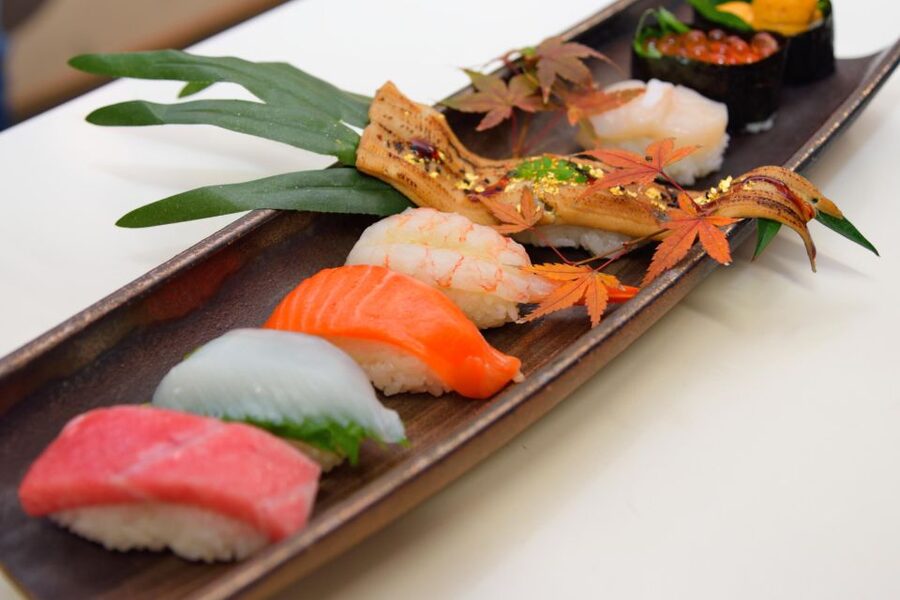
- 8 pieces of sushi you make yourself
- A very simple roll, depending on the course flow
The exact toppings can shift seasonally. The class also mentions you may have options like gourmet, extra fatty tuna and a sweet, almost creamy fresh red shrimp. You can also choose various toppings such as ginger and green onion. And if you’re vegetarian, vegan, or Muslim, the class says a menu-friendly version is available.
Worth knowing: drinks are not included. If you want something to sip during or after, you will need to plan on buying it separately.
In my view, the best value here comes from the combination of technique and taste. You learn the rice process, then you apply it immediately, and then you eat the results without waiting for a separate dinner reservation.
Price and Value: Is $113 Worth It?
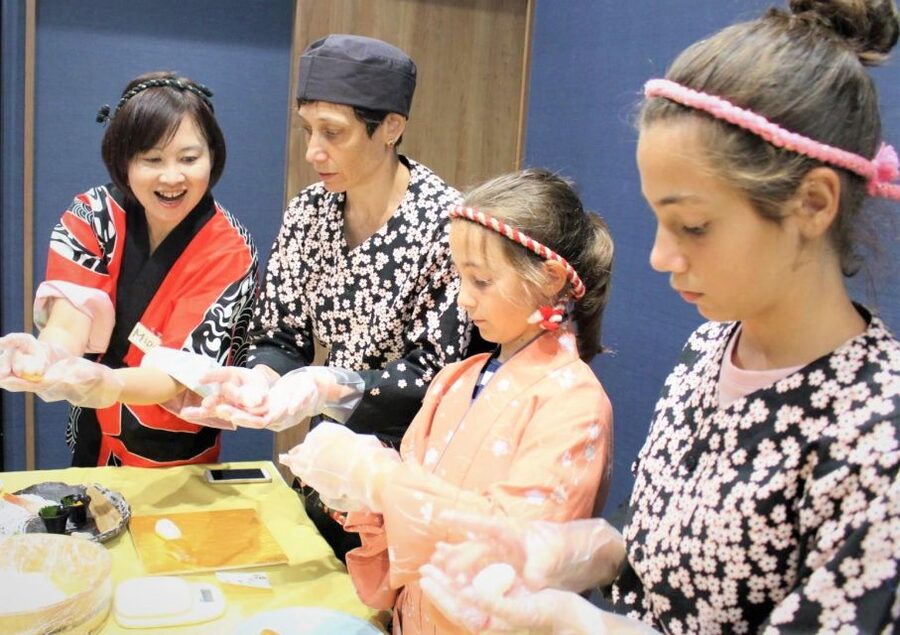
Let’s talk money in a way that helps you decide.
At about $113 per person for a 90-minute experience, you are paying for three things:
- Instruction in sushi-making basics, including the rice technique
- The full activity package, not just food (Happi rental, spirit-related experience, certificate, and photo time)
- A guided, English-friendly setup that works for beginners
If your goal is to learn the core sushi skill, especially vinegar rice and nigiri technique, then the class can feel fair. You finish with a practical result: sushi you made yourself, plus a completion certificate and a sense of confidence you can apply later if you keep practicing.
If your goal is variety and advanced technique, the price can feel tight. That lower rating you might come across makes sense on one point: the structure can feel focused rather than expansive. You end up making a limited set of pieces. You are not doing a long, multi-course sushi training program.
My advice: book this if you want a strong foundation and a fun cultural cooking moment. Skip it if you’re looking for a sushi boot camp with multiple different rolls, multiple sauces, and deep fish-prep training.
Logistics Near Takeda Station, Without Stress
The meeting point is in the Takeda Station area on Honshu, Japan. Here’s the simplified version so you do not overthink it on a busy day.
Get off at the west entrance of Takeda station on the Kintetsu line or the Subway Line. Then take a city bus and get off at the bus stop in front of Puls Plaza. From there, walk down the street, turn right at the first corner, and you’ll see the school on your right.
A couple practical notes that matter:
- The class happens regardless of weather.
- The building is near public transportation.
- There is no elevator, and staff can help with stairs for elderly or disabled participants.
If you’re traveling light, you’ll be fine. If you arrive late, you might feel rushed, because sushi rice needs timing. Give yourself extra buffer around transit.
A quieter way to spend a day in Kyoto
Dietary Notes and Allergies: You Can Plan Ahead
This class is designed to work for different diets. The details you should trust here:
- Vegetarian and vegan friendly menus are offered.
- A menu friendly for Muslims is offered.
- Allergies are available, and non-raw options and gluten-free options are available too.
Also, the class notes that ingredients like toppings may vary by season. That is normal for sushi in Japan, but it matters for dietary planning. If you have a specific allergy or ingredient you must avoid, you should confirm your needs ahead of time so the kitchen can respond.
If you’re thinking about bringing very young kids: the course is not suitable for children under 3 years. There are no special infant meals, so plan accordingly for families.
Small Rules That Keep the Class Comfortable
This is a cooking studio environment, so basic house rules apply. Here are the ones listed:
- No pets allowed (assistance dogs allowed)
- No smoking indoors
Also, plan for a photo moment. The class includes souvenir photography, plus a certificate of completion and graduation ceremony. If you’re the type who likes to document your food journey, you’ll leave with more than just your memories.
Who This Sushi Class Suits Best
This is a smart match for you if:
- You want to learn the foundation of sushi-making, starting with vinegar rice
- You are a beginner and want ingredients prepared so you can focus on technique
- You want an activity that includes both culture (Happi, spirit experience) and food
- You need dietary accommodations such as vegetarian, vegan, or Muslim-friendly options
- You like English instruction and a clear structure
It might not be your best pick if:
- You are chasing advanced mastery and lots of different sushi styles in one class
- You expect heavy fish cutting training as part of the standard flow
- You strongly prefer courses with bigger variety across multiple rolls and sauces
The reviews you might see lean positive on atmosphere, friendliness, and the fact that you eat what you make. One review did criticize the content as basic for the price, so your expectations really matter here.
Should You Book This Kyoto Sushi Class?
Book it if you want a hands-on, beginner-friendly sushi workshop that teaches the core skill you can reuse later, and you also want a cultural touch with the Happi robe and spirit experience. For the money, it is strongest when you value instruction plus an end result you can eat, not when you demand a huge menu of sushi types.
Skip it or at least temper your expectations if you need lots of variety. You’ll make a limited set of pieces, usually 8 nigiri and one simple roll, and the class is intentionally a quick 90-minute foundation session.
If you’re in Kyoto and you want an efficient way to learn sushi properly, this is a solid choice. You’ll walk away with technique, food, and the kind of small ceremony that makes the meal feel special.
FAQ
How long is the Kyoto sushi cooking class?
The class runs for 90 minutes.
What is included in the price?
You get a lecture on how to make sushi, an experience of Japanese spirits, 8 pieces of sushi, rental Happi clothing, toppings you can choose (such as green onion and ginger), a completion certificate and graduation ceremony, souvenir photography, and an English-speaking instructor.
Are vegetarian, vegan, or Muslim-friendly options available?
Yes. The class offers a menu that is friendly to vegetarians, vegans, and Muslims.
Do you need to pay extra for fish or special ingredients?
The class provides toppings and ingredients for you to use. It also notes that ingredients may vary depending on the season. If you want to learn fish cuts, you can ask, but details of extra fees are not stated.
Is the class wheelchair accessible?
Yes, it is wheelchair accessible. However, there is no elevator, and staff can help with the stairs for elderly or disabled participants.
Is drinks included?
No, drinks are not included.
Where is the meeting point?
You should get off at the west entrance of Takeda station, take a city bus to the bus stop in front of Puls Plaza, then walk down the street, turn right at the first corner, and the school will be on your right.
Is cancellation allowed, and what is the refund policy?
Free cancellation is available up to 24 hours in advance for a full refund.
Are children welcome?
The experience is not suitable for children under 3 years, and there are no special infant meals.
More Workshops in Kyoto

New This Season
- Koyasan Day Trip by Private Car from Kyoto
- Old Port Town and Ultimate Sake Tasting Private Tour From Kyoto
- Kyoto’s Timeless Charm: 3hr Exploration of History and Peace
- Kyoto: 5 Types of Sushi Making
- Sacred Peak & Ancient Paths: Kurama-Kibune Hiking Experience
- Kyoto: Exclusive ZEN practice at Manpukuji temple in Uji
- Kyoto: Private Seasonal Aroma Yoga Class
- Traversing Kyoto’s Scenic West – Arashiyama to Kinkakuji
Sushi-Making Workshops, compared.
Sushi Making in Kyoto! Same-day bookings welcome!
Read our review →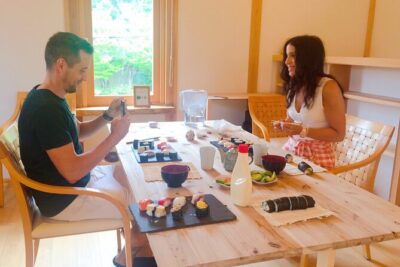
The Original Small-Group Sushi Making Class in Kyoto
Read our review →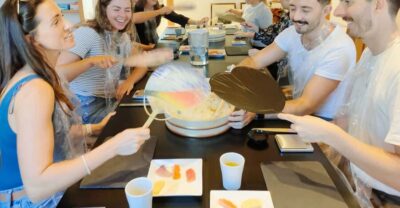
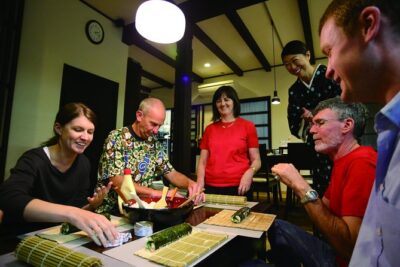
Sushi – Authentic Japanese Cooking Class – the best souvenir from Kyoto!
Read our review →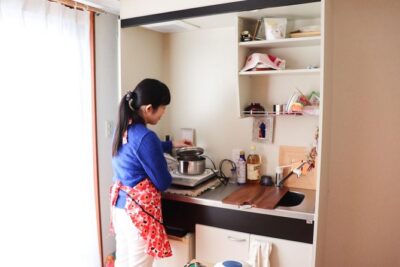
Private Kyoto Sushi Cooking Class & Tea Ceremony with Emika
Read our review →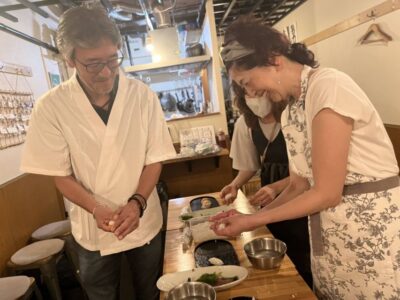
Enjoy Sushi & Market Tour! Best for Family & Couple!
Read our review →
Sushi or Traditional Japanese Cuisine in a Kyoto Home with Emika
Read our review →Also filed under