
Reviewed · SUSHI-MAKING WORKSHOPS
Kyoto: Enjoy Sushi & Market Tour! Best for Family & Couple!
Sushi lessons feel like a Kyoto shortcut. This class-style experience centers on fresh fish bought on the morning of your session, and you learn how to use Kyoto staples like soy sauce and miso so your food tastes more like the city and less like a souvenir. Two things I really like are the hands-on practice with multiple sushi styles and the clean, straightforward kitchen setup. One possible drawback to consider: it is only about 1 hour 30 minutes, so you will learn a lot fast, but you will not get a slow, long meal with unlimited extra practice.
What makes it work is the structure. You start from basics, vinegar rice included, then move through sushi types like nigiri plus temari and temaki, then you shift gears to dashi, tasting, miso soup, and tamagoyaki. It’s a compact plan, ideal if you want skills you can repeat at home. And yes, after you eat, you get handmade Kyoto-style dessert and coffee, with optional local alcohol like sake or beer for adults over 20.
For most diets, there’s a plan too. Vegetarian menus are available, and if you want a different ingredient setup, you just need to let them know in advance. It’s capped at 10 travelers, so you are not stuck watching from the sidelines, even if you are new to sushi-making.
In This Review
- Key highlights I’d prioritize
- Fresh fish, Kyoto condiments, and why this feels practical
- The kitchen portion: vinegar rice, nigiri, temari, and temaki
- Beyond sushi: dashi tasting, miso soup, and Kyoto flavor logic
- Tamagoyaki time: the rolled omelet skill you can reuse
- What you eat after class: dessert and coffee, plus optional drinks
- Materials you can use at home (so it does not end at 1 hour 30 minutes)
- Dietary needs: vegetarian menus and ingredient changes
- Price and timing: is $85.64 worth it?
- Where it starts: the meeting point and how to fit it into your day
- Who should book: families, couples, and first-time sushi makers
- The one drawback to weigh
- Should you book this Kyoto sushi and condiments class?
- FAQ
- How long is the Kyoto sushi and cooking experience?
- Where does the tour start and end?
- What will I learn to cook during the class?
- Is fresh fish included?
- Is there a vegetarian option?
- What drinks and dessert are included?
- Is alcohol included?
- Is this tour good for families?
- What group size should I expect?
- Can I cancel for a full refund?
Key highlights I’d prioritize
- Fresh fish on the day of your class so your sushi starts with peak quality
- Multiple sushi styles: nigiri, temari, and temaki, not just one template
- Kyoto condiments in action like soy sauce and miso, plus dashi tasting
- From soup to omelet you also make miso soup and tamagoyaki
- Dessert and coffee after you cook plus optional sake or beer
- Small group energy (max 10) with enough attention to actually try
Fresh fish, Kyoto condiments, and why this feels practical
This is one of those Kyoto experiences that saves you the hard part. You do not need to guess which ingredients matter, or which steps make the difference. The focus is taste and technique, and the class uses fish purchased on the morning of your experience day, not something that has been sitting around for days.
That matters for two reasons. First, better fish means your sushi tastes right even when you are still learning. Second, it teaches you what good inputs look and feel like, so you can make better choices later when you cook at home.
I also like that the flavor education is not vague. You get hands-on experience with traditional Kyoto seasonings such as soy sauce and miso, so you can connect what you are eating to what you are making. In plain terms, it’s not just instruction, it’s ingredient literacy.
The kitchen portion: vinegar rice, nigiri, temari, and temaki
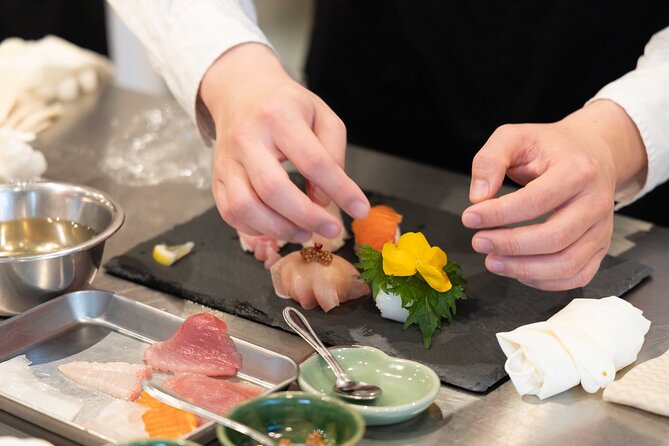
You start with making vinegar rice. That step is the foundation for everything that follows, because sushi rice texture and seasoning affect the balance of the final bite. Expect the kind of guidance that helps you avoid the most common mistakes, like rice that is too wet, too dry, or unevenly seasoned.
Next comes sushi preparation in a few styles:
- Nigiri, which is sushi you shape by hand
- Temari, which are small, round sushi bites
- Temaki, which are hand-formed cones
This is where the class feels especially valuable. Many cooking experiences teach one approach and call it a day. Here, you get three recognizable formats, which means you learn how sushi can change even when you work with similar ingredients. The result is not just a nice meal, it’s a better mental map for how sushi is built.
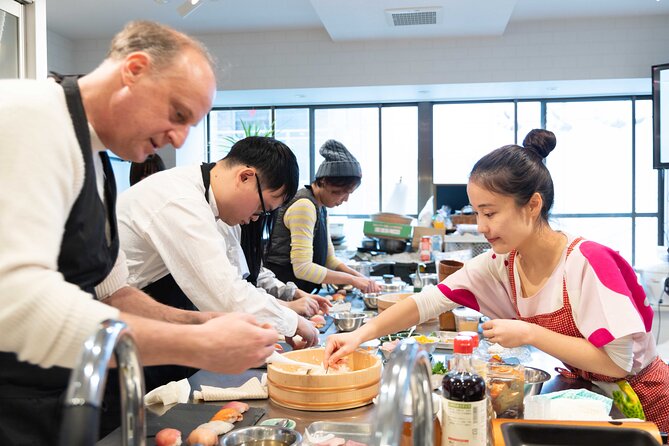
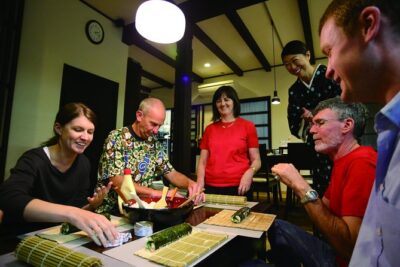
From the reviews, the clean kitchen setup is a standout. That’s a big deal for families too, because you want a space that feels organized and easy to work in. One review also highlighted that you can make the sushi types with ease, which is what you want if you are traveling with kids or you are simply not a kitchen expert.
Learn to roll your own sushi
- Sushi Making in Kyoto! Same-day bookings welcome!
★ 5.0 · 713 reviews - The Original Small-Group Sushi Making Class in Kyoto
★ 5.0 · 436 reviews - Kyoto: Small-Group Authentic Sushi Making Workshop
★ 5.0 · 137 reviews - Sushi – Authentic Japanese Cooking Class – the best souvenir from Kyoto!
★ 5.0 · 93 reviews
Beyond sushi: dashi tasting, miso soup, and Kyoto flavor logic
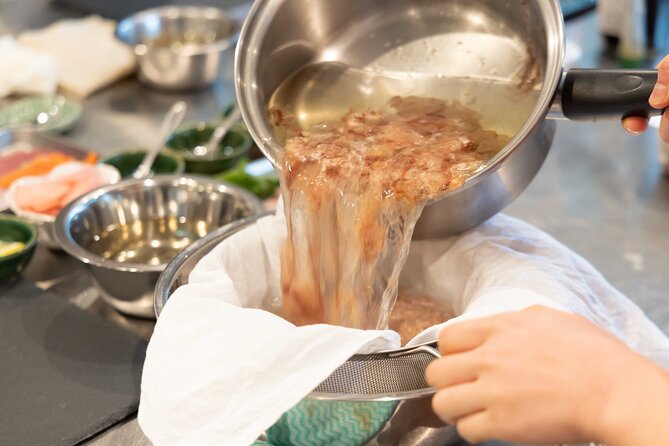
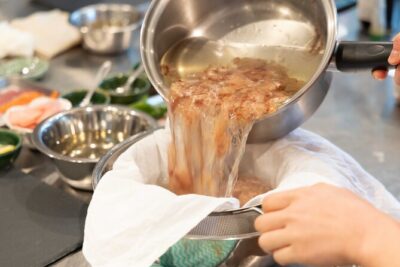
After sushi prep, the class shifts to Japanese soup fundamentals with how to make dashi. Even if you have eaten dashi-based soup before, there is something different about learning it step by step. It turns a comforting flavor into a method you can reproduce.
Then you get a tasting and comparison component. That part is practical, because it trains your palate to notice differences rather than just memorizing a recipe. You learn how miso fits into the bigger picture too, including making miso soup from scratch.
This section is one of the reasons this class works well as a Kyoto experience. Kyoto is known for thoughtful seasoning, and miso and soy sauce show up constantly in local food. When you taste and compare, you start understanding why those condiments matter beyond being general staples.
Tamagoyaki time: the rolled omelet skill you can reuse
Then you move to tamagoyaki, the Japanese rolled omelet. This is a satisfying skill for two reasons. It gives you a different cooking technique than the sushi rice work, and it’s the kind of dish you can keep using long after your trip.
Tamagoyaki also complements the rest of the class. You’ve already worked with vinegar rice and soup flavors, so this final cooking activity rounds out a full Japanese meal feel. You are not just learning how to make one item, you are building a small set of core Japanese skills.
What you eat after class: dessert and coffee, plus optional drinks
Once your cooking is done, you enjoy the meal you created. Then dessert and coffee are provided.
The dessert is described as handmade and typical of Kyoto. You can also take it away, which is a small but useful bonus if you are pacing your day or want a sweet treat for later.
There are also optional local beverages. For an extra charge, you can enjoy Kyoto local beverages like sake and beer. Alcohol is only served to adults over 20, so if you are traveling with family, you can still enjoy the food and keep things non-alcoholic.
Materials you can use at home (so it does not end at 1 hour 30 minutes)
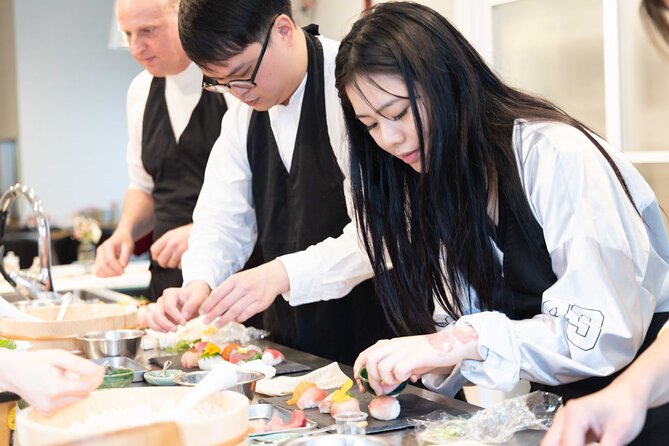
One of the best value signals here comes from the reviews: the class includes materials you can use to make sushi at home. That makes a real difference for your money, because the point is not just the meal you eat today.
If you leave with the ability to replicate what you learned, you get more than a one-time ticket. You get a skill you can use when you are back in your kitchen. For couples, that means a fun at-home sushi night. For families, it means you can repeat the activities without booking another class.
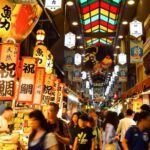
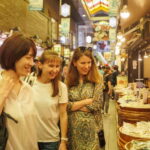
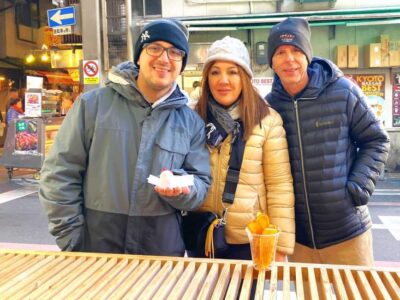
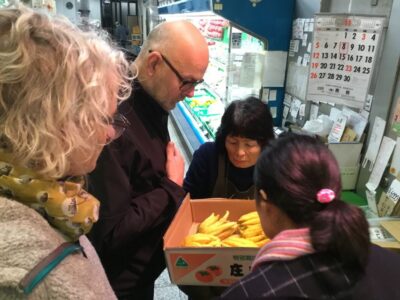
More stalls, more to taste
Dietary needs: vegetarian menus and ingredient changes
This experience explicitly accommodates dietary restrictions. Vegetarian menus are available, and if you want a menu with different ingredients, you can let them know in advance.
That matters because sushi classes can be tricky for vegetarians and picky eaters if the menu is fixed. Here, you have a real chance of getting a meal that fits your needs instead of just swapping one ingredient and calling it done.
If you have allergies, you should still mention them clearly when you book, since the details of ingredient changes are handled by request.
Price and timing: is $85.64 worth it?
At $85.64 per person for about 1 hour 30 minutes, you are paying for guided instruction plus ingredients plus a meal and drinks like dessert and coffee.
Is that a good value? For me, it would be if you want hands-on skills fast. You are not paying for an all-day food tour, you are paying for a concentrated workshop that teaches multiple techniques: sushi rice, sushi shaping (nigiri, temari, temaki), dashi and miso soup, plus tamagoyaki. In other words, you are buying range.
It’s also limited to a maximum of 10 travelers. Small groups usually mean more practical attention. And since the class ends back at the meeting point, it’s a low-stress slot in your day.
If your idea of value is a long sit-down meal, you might want to pair this with a separate dinner elsewhere. But if you want to leave Kyoto with things you can actually make at home, this price starts looking more reasonable.
Where it starts: the meeting point and how to fit it into your day
The meeting point is at 3f, 284 Ōgisakayachō, Shimogyo Ward, Kyoto, 600-8095, Japan, and it ends back at the meeting point.
It is near public transportation, which is what you want in Kyoto. You can build this into either a busy sightseeing day or a lighter one without a lot of complicated transfers.
A practical tip for timing: plan your day so you are not rushing right before class. Cooking is hands-on, and you will get more out of it if you arrive calm, on time, and ready to focus.
Group size is also small, max 10, which helps you feel included rather than shuffled through.
Who should book: families, couples, and first-time sushi makers
This is advertised as best for family and couple, and the experience matches that vibe. One review specifically described a family with two children having a great time in 2024, and the kitchen format sounded easy for kids to handle, not just adults who already know sushi.
I’d also point this toward:
- Couples who want something different than another walking tour, and want a shared activity
- First-time sushi makers who want structure, not guesswork
- Anyone who wants Kyoto flavors, not just Japanese food in general
If you are a confident home cook already, you may still enjoy the dashi tasting and miso soup portion, because it’s a focused sensory lesson. And tamagoyaki is a skill many people want to learn but rarely manage on their own without guidance.
The one drawback to weigh
The biggest consideration is simple: time. At about 1 hour 30 minutes, you will learn a lot, but you will not master every step through repeated practice. If you need extra time to get comfortable with shaping nigiri or rolling tamagoyaki, you may wish the class were longer.
Still, the structure and small group size help reduce that problem. You are guided step by step, and the materials you can use at home help you continue learning after your trip.
Should you book this Kyoto sushi and condiments class?
I’d book it if you want Kyoto in your hands, not just on your plate. The combination of fresh fish, multiple sushi styles, and the extra work with dashi, miso soup, and tamagoyaki gives you more than a single dish. Plus, dessert and coffee are included, and the option of sake or beer adds a nice adult-friendly touch for those who want it.
Skip it if you mainly want a sightseeing-focused market stroll with lots of wandering. Based on what’s described here, the heart of the experience is the kitchen lesson, not open-ended touring.
One smart way to decide: if you think you will cook at home again, book. If you rarely cook, you may still enjoy the meal and learning, but the value rises a lot when you can repeat the techniques later.
FAQ
How long is the Kyoto sushi and cooking experience?
It lasts about 1 hour 30 minutes.
Where does the tour start and end?
It starts at 3f, 284 Ōgisakayachō, Shimogyo Ward, Kyoto, and it ends back at the meeting point.
What will I learn to cook during the class?
You’ll learn vinegar rice, sushi preparation (nigiri, temari, and temaki), how to make dashi and miso soup with tasting and comparison, and how to make tamagoyaki.
Is fresh fish included?
Yes. Fresh fish is purchased on the morning of the experience day.
Is there a vegetarian option?
Yes. Vegetarian menus are available. If you want a menu with different ingredients, you should let them know in advance.
What drinks and dessert are included?
Dessert and coffee are provided after your meal. For an extra charge, you can enjoy local beverages like sake and beer.
Is alcohol included?
Alcohol is not automatically included. You can enjoy sake or beer for an extra charge, and alcohol is only served to adults over 20.
Is this tour good for families?
It’s described as best for families, and one review mentioned a family with two children having a great experience.
What group size should I expect?
The class has a maximum of 10 travelers.
Can I cancel for a full refund?
Yes, free cancellation is available. You can cancel up to 24 hours in advance for a full refund. If you cancel less than 24 hours before the start time, the amount paid will not be refunded.
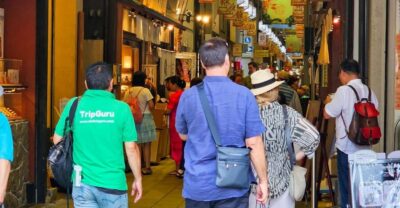
Shopping Around Kyoto
New This Season
- Koyasan Day Trip by Private Car from Kyoto
- Old Port Town and Ultimate Sake Tasting Private Tour From Kyoto
- Kyoto’s Timeless Charm: 3hr Exploration of History and Peace
- Kyoto: 5 Types of Sushi Making
- Sacred Peak & Ancient Paths: Kurama-Kibune Hiking Experience
- Kyoto: Exclusive ZEN practice at Manpukuji temple in Uji
- Kyoto: Private Seasonal Aroma Yoga Class
- Traversing Kyoto’s Scenic West – Arashiyama to Kinkakuji
Sushi-Making Workshops, compared.
Sushi Making in Kyoto! Same-day bookings welcome!
Read our review →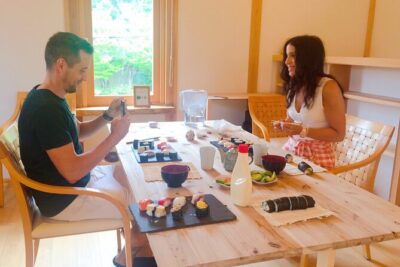
The Original Small-Group Sushi Making Class in Kyoto
Read our review →
Sushi – Authentic Japanese Cooking Class – the best souvenir from Kyoto!
Read our review →
Private Kyoto Sushi Cooking Class & Tea Ceremony with Emika
Read our review →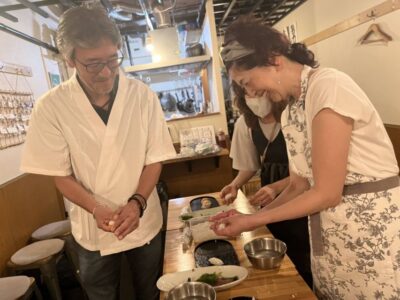
Enjoy Sushi & Market Tour! Best for Family & Couple!
Read our review →
Sushi or Traditional Japanese Cuisine in a Kyoto Home with Emika
Read our review →Also filed under