Reviewed · SAMURAI TRAINING EXPERIENCES
Kyoto : Family-Friendly Sword Lesson at Samurai Ninja Museum
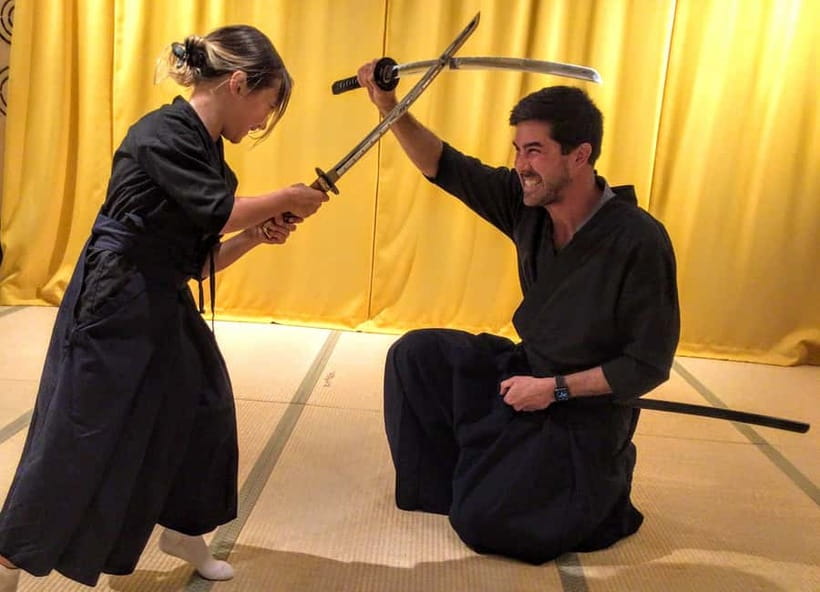
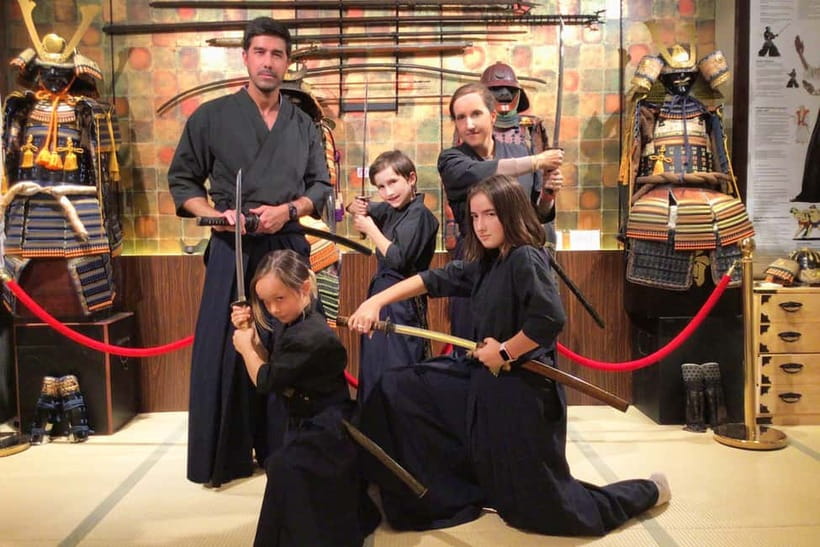
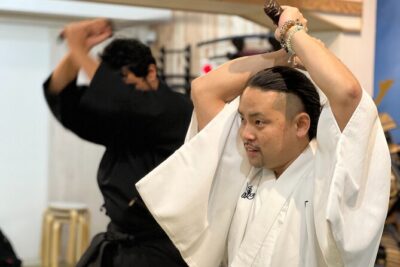
If swords are your thing, this is a win. You dress up in real-looking samurai gear and learn katana basics in a hands-on lesson, not just a show. I also like that you get to pose in front of studio-style, samurai-themed settings that actually look like period action shots.
The other big plus is the pacing. You watch an instructor demonstrate proper swinging before you practice yourself, then you move into the museum part for more sword-adjacent fun, including ninja weapons trial time. One thing to consider: children under 3 cannot enter the samurai venue, so it is not a fit for the very young.
In This Review
- Key Things I’d Prioritize Before You Go
- Inside Your 2 Hours of Samurai Sword Work in Kyoto
- Dressing the Part: Hakama, Helmet, and Armor
- Katana Basics, Kata, and Samurai History (The Part That Feels Real)
- From Sword Practice to Ninja Weapon Trial at the Museum
- Photo Ops That Actually Look Like Samurai Scenes
- Price and Value: Is $66 Worth It?
- Timing and Getting There From Kyoto Proper
- Who This Is Best For (And Who Might Find It Meh)
- Should You Book This Samurai Sword Lesson in Kyoto?
- FAQ
- How long is the Kyoto family-friendly samurai sword lesson?
- What is the price per person?
- Is the instruction provided in English?
- What’s included in the experience?
- Do I learn sword movements, or is it only a demo?
- Is there a museum visit as part of the activity?
- What about group size?
- Can very young children join?
- Is transportation to and from the activity included?
- Is the activity accessible and close to transit?
- What if I need to cancel?
Key Things I’d Prioritize Before You Go
- Hakama, helmet, and armor included, so you skip the costume hunt and go straight to the fun part
- Katana instruction with demonstration, then you try it yourself
- Small groups capped at 10, which means more time with the instructor
- Museum time plus ninja weapons trial, so it is not only sword class
- English instruction and a max group size for the overall activity, so expect a structured session
Inside Your 2 Hours of Samurai Sword Work in Kyoto
This is one of those Kyoto activities where you can turn a theme into a skill. You spend about two hours learning how to hold and move with a katana, guided by an English-speaking instructor. The aim is to make you feel like a modern samurai, while still covering basics and context.
You start by getting pulled into the experience fast. The setup is designed to put you in costume early, so you are already in character when the instruction begins. Then comes the practical part: watching a demonstration and trying movements yourself.
The group is small, limited to about 10 participants, and the overall activity has a maximum of 22 people. That matters because it keeps the session from turning into a long waiting line. You also get a skip-the-ticket-line setup, which helps when you are trying to stack Kyoto sights without losing half your day to check-in.
Dressing the Part: Hakama, Helmet, and Armor
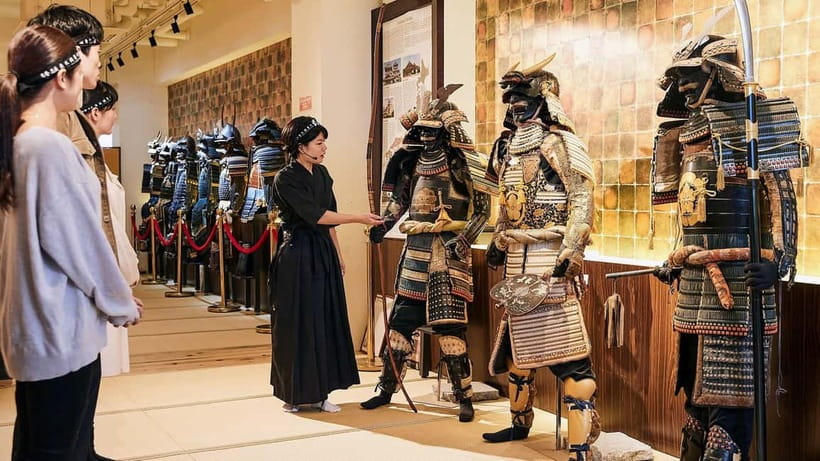
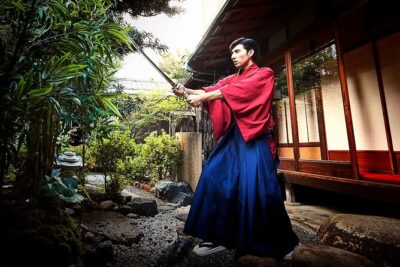
Getting dressed is not just extra. It changes how you move and how you pay attention. When you put on hakama and the samurai helmet and armor pieces, you naturally sit up straighter and commit to the role, which makes the instruction easier to follow.
It also improves the photos, because you are not mixing casual clothes with swords. The outfit gives you the silhouette people expect from samurai imagery, especially when you pose in front of themed backgrounds or a studio-like area. The result is that your pictures look like a real activity, not a random costume photo.
If you care about comfort, I suggest you plan on wearing the outfit as intended and follow the instructor’s cues about what goes where. You do not need to be flexible like a gymnast, but you should be ready to stand, practice arm positions, and move through short sequences.
Throw stars and learn to move unseen
- Skip the lines Basic Ticket at SAMURAI NINJA MUSEUM KYOTO
★ 4.5 · 632 reviews - Ninja 1-hour Hands-on Lesson by Japanese master in Kyoto -Entry
★ 5.0 · 489 reviews - Kyoto: Ninja Weapon Forging Experience
★ 4.8 · 478 reviews - Ninja 2-hour Hands-on Lesson by Japanese master in Kyoto -Medium
★ 5.0 · 218 reviews
Katana Basics, Kata, and Samurai History (The Part That Feels Real)
The lesson is built around two stages: you watch first, then you try. You see how to swing a sword properly, then you practice the movements under guidance. This is the difference between posing with a prop and actually learning something with your body.
You also get some historical context about samurai. Even when the main goal is fun, the history element gives the movements meaning. It helps you understand that what you are doing is not just dramatic for photos, it connects to how samurai training was structured.
In a couple of lessons, instructors were praised for teaching specific kata sequences, meaning short, repeatable movement patterns. For example, Maestro Ken was mentioned in a review as teaching two kata with the katana, and the same overall impression was that kids loved repeating the sequences. That kind of structure is great for confidence, because you finish with a sense of accomplishment rather than only a few scattered moves.
You may be taught by different instructors depending on your session. Names that came up in feedback include Raito and Ken, and people also mentioned Nobu and Jukia for their instruction and overall experience. In any case, the key point is that you get coaching in English, so you can ask questions if something feels unclear.
From Sword Practice to Ninja Weapon Trial at the Museum
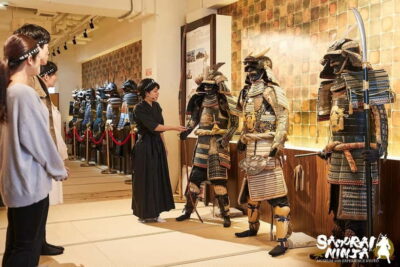
After the sword practice portion, you shift to the museum side. The experience includes a guided visit at the Samurai and Ninja Museum, which adds context to what you did with the katana and gives you a bigger picture of Japan’s martial arts culture.
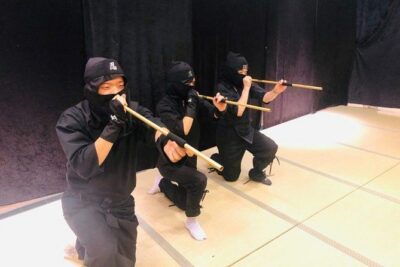
Then comes the part that often steals the show: the ninja weapons trial. Reviews specifically point to trying shuriken (often spelled shuroken in feedback) at a target. This is a different skill set from sword swinging, and that contrast is why it feels worth doing.
You get to experience both worlds in one session, samurai first, ninja second. That is also how the activity avoids becoming one-note. If you only wanted swords, you might feel done early. If you like the ninja angle, the target practice gives you something active and measurable.
A practical note: because this is a short, structured 2-hour block, you should arrive on time and keep your focus. The flow is designed so you move from dressing and instruction to museum time without the usual slow tourist gaps.
Photo Ops That Actually Look Like Samurai Scenes
The photo opportunities are built into the program on purpose. You are not left to ask random staff to take random pictures, and you are not stuck with only one boring background.
Expect posing with swords in front of studio or samurai-themed backgrounds. The outfits and props do a lot of the heavy lifting, but your instructor also helps you get into positions that look right. That is why the experience feels more satisfying than a standard “costume and done” setup.
If you want better photos, I recommend doing your photo poses right after you finish the movements you practiced. You are already in the rhythm of the role, and your muscles remember where to hold the sword.
Also, plan to take a few shots in different stances. One straight-on pose works for a classic portrait, but angle shots in front of the themed background often look more dramatic.
Price and Value: Is $66 Worth It?
At $66 per person for about two hours, this is not a budget activity, but it is also not priced like a full-day private tour. The value comes from what is included, not just the lesson itself.
You are getting:
- A samurai sword lesson with demonstration and hands-on practice
- Hakama, helmet, and armor included
- Themed photo opportunities
- Ninja weapons trial
- A guided museum visit component
When you price it out mentally, the costume, the instructor time, and the structured photos usually cost more if you try to do them separately. The small-group format also matters here. With fewer people, you get more attention and less waiting.
If you are the type of traveler who loves making memories with photos but also wants real content, this hits the sweet spot. If you already know sword basics or you want a deep, long-form training session, you might find two hours brief. But for most people, it lands in the fun-and-meaning category.
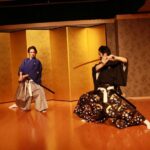
Pick up a sword for an afternoon
Timing and Getting There From Kyoto Proper
The activity runs around 2 hours and is offered at scheduled starting times. Because transportation to and from the activity is not included, your main planning task is figuring out how you will reach it efficiently.
The good news is that it is near public transportation. That means you can combine it with other Kyoto stops without turning the day into a logistics puzzle.
If you are traveling with a stroller or you need wheelchair access, the activity is listed as wheelchair and stroller accessible. Still, because there is a costume and practice component, I suggest you think about comfort and mobility once you are inside the space.
Who This Is Best For (And Who Might Find It Meh)
This experience fits best for families and first-timers who want an active, story-based activity in Kyoto. Reviews included strong praise for how much children enjoyed it, while adults still had a memorable time. If you are traveling with kids, this is one of the rare activities that can satisfy both “do something” energy and “take photos” expectations.
It also works well if you like martial arts themes, but you are not looking for a serious training program. You are learning enough to feel like you understand the basics and can perform a few kata-like sequences with coaching.
Who might skip it:
- Very young kids, because children under 3 cannot enter the samurai venue
- People who want hours of technical instruction rather than a two-hour introduction
- Anyone who hates structured group activities, since it is a small-group format with a planned flow
Should You Book This Samurai Sword Lesson in Kyoto?
I’d book it if you want Kyoto that feels interactive. The combination of dressing up, learning kata-style movements, then trying ninja shuriken at the museum is a strong package for the time.
I would pause and reconsider if you are traveling with very young children or if you already have a lot of sword training and want a longer, more specialized session. In that case, you may want a different kind of martial arts experience.
If you do book, come ready to stand, move, and follow instructor cues. That mindset makes the difference between only taking pictures and actually leaving with a skill you can talk about.
FAQ
How long is the Kyoto family-friendly samurai sword lesson?
It lasts 2 hours.
What is the price per person?
The price is $66 per person.
Is the instruction provided in English?
Yes, the instructor teaches in English.
What’s included in the experience?
You get a samurai sword lesson, use of hakama, a samurai helmet, samurai armor, themed photo opportunities, and a ninja weapons trial.
Do I learn sword movements, or is it only a demo?
You watch a demonstration of how to swing a sword properly, and then you try it yourself.
Is there a museum visit as part of the activity?
Yes, the experience includes time at the Samurai and Ninja Museum.
What about group size?
It is a small group limited to 10 participants.
Can very young children join?
Children under 3 years cannot enter the samurai venue.
Is transportation to and from the activity included?
No, transportation to and from the activity is not included.
Is the activity accessible and close to transit?
It is listed as wheelchair accessible and stroller accessible, and it is near public transportation.
What if I need to cancel?
You can cancel up to 24 hours in advance for a full refund.
More Workshops in Kyoto


Kyoto Museums
New This Season
- Koyasan Day Trip by Private Car from Kyoto
- Old Port Town and Ultimate Sake Tasting Private Tour From Kyoto
- Kyoto’s Timeless Charm: 3hr Exploration of History and Peace
- Kyoto: 5 Types of Sushi Making
- Sacred Peak & Ancient Paths: Kurama-Kibune Hiking Experience
- Kyoto: Exclusive ZEN practice at Manpukuji temple in Uji
- Kyoto: Private Seasonal Aroma Yoga Class
- Traversing Kyoto’s Scenic West – Arashiyama to Kinkakuji
Samurai Training Experiences, compared.
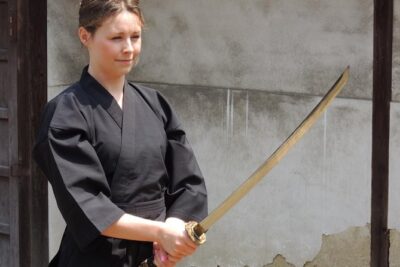
Kendo and Samurai Experience with Uniform and Gear
Read our review →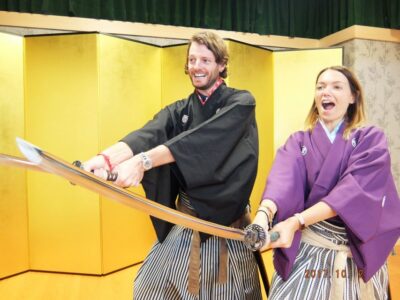
Samurai Sword Class by Experts in Traditional Arts
Read our review →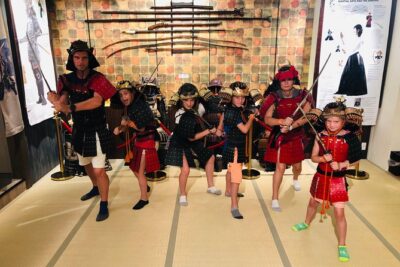
Skip the lines Basic Ticket at SAMURAI NINJA MUSEUM KYOTO
Read our review →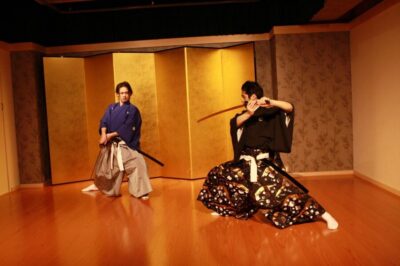
Samurai Training with Modern day Musashi in Kyoto
Read our review →