Reviewed · GION GEISHA QUARTER WALKS
KYOTO GION Walking PRIVATE Tour and Customized Kappo Dinner
Gion can feel like a movie set, but this tour gives it structure and food payoff. In a tight 3-hour private plan, you walk classic streets, pause at respected shrines, then finish with a customized Kappo dinner where you sit up close and can talk with the chef. It is a great match for people who want Kyoto after-hours atmosphere, without spending your whole evening in transit.
What I like most is how the night is paced. You get Tatsumi Daimyojin Shrine, a scenic break on Tatsumi Bridge, then you continue to Yasaka Shrine, before dinner takes over for about two hours. That sequence keeps the walking calm and the payoff big.
One thing to consider: guide quality can make or break this kind of tour, and at least one prior booking specifically flagged that the guide was not good. If you are picky about commentary, it is worth keeping an eye on that detail.
In This Review
- Key highlights you will feel right away
- Gion After 5:00 pm, when the streets slow down
- Your 3-hour game plan, shrine stops before dinner
- Tatsumi Daimyojin Shrine, calm that feels like a pause button
- Tatsumi Bridge over the Shirakawa River, a photo spot with breathing room
- Yasaka Shrine, lanterns and Kyoto’s recognizable spiritual core
- 210-2 Nishinochō Kappo, sit at the counter and watch technique in action
- How customized Kaiseki-style Kappo works for your preferences
- The value question: why $131.06 can be fair, depending on what you want
- Getting started: where to meet and how to show up smoothly
- Who this tour fits best, and who might feel underwhelmed
- Booking timing and confirmation, in plain terms
- Should you book this Gion Kappo Combo Tour?
- FAQ
- How long is the Kyoto Gion walking tour and customized Kappo dinner?
- What time does the tour start?
- Is this tour private or shared?
- What stops are included during the walking part?
- Do the shrine stops require an admission ticket?
- Can I change or get a refund if my plans change?
Key highlights you will feel right away
- A 5:00 pm start that lines up with evening Kyoto moods
- Three free-to-enter shrine stops (Tatsumi Daimyojin, Tatsumi Bridge area, Yasaka Shrine)
- Counter-style Kappo experience with chances to chat while dishes are prepared
- A flexible, preference-based menu built around your needs
- True private timing for just your group, not mixed crowds
Gion After 5:00 pm, when the streets slow down
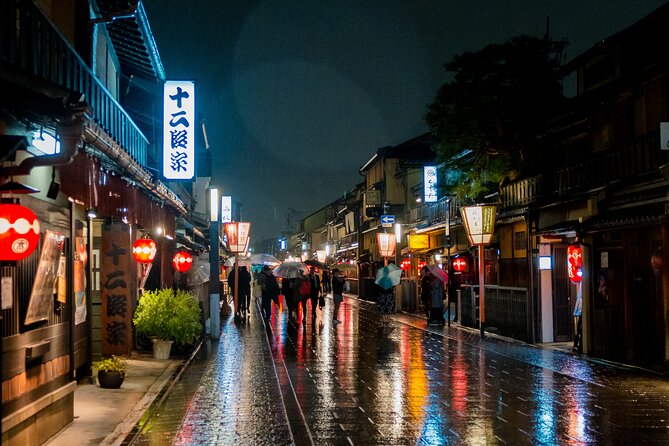
This tour starts at 5:00 pm from Sanjo Station (the meeting point is at Sanjo Bridge East side, in Higashiyama Ward). That timing matters. Late afternoon and early evening is when Gion begins to feel less rushed, and the walk becomes more about small moments, lantern glow, and quiet turns rather than shoulder-to-shoulder sightseeing.
The plan also respects real-life energy. You are not asked to do a full-day temple marathon. Instead, it is a focused 3 hours approx. that combines short cultural stops with a long dinner landing. If you hate the feeling of sightseeing hunger, this format usually works well because dinner is not an afterthought.
You will also appreciate that this is a private setup. Only your group goes, so you are not stuck waiting for other pace styles. That is especially helpful in Kyoto, where side streets can bottleneck and where a group that moves smoothly will enjoy more.
Your 3-hour game plan, shrine stops before dinner
Here is how the flow works, in plain terms. First you step into the shrine side of Kyoto, then you get a quiet river-and-bridge moment, then you hit a Kyoto signature shrine, and finally you switch gears fully to food.
The order helps you get your bearings. Shrines give you a sense of place and tradition, and the walk between them is short enough that you can stay present. Then dinner at the restaurant becomes the highlight event, with time set aside so you are not rushing through courses.
One small practical note: because dinner is a big chunk of the schedule (about 2 hours at the restaurant), you should plan to arrive a touch early to the meeting point. You want your shoes comfortable and your mind ready for sitting and eating well, not negotiating late starts.
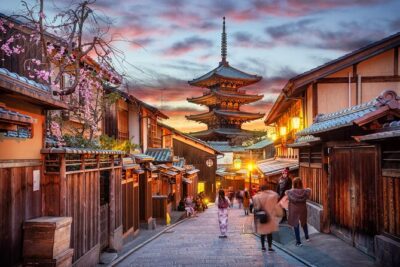
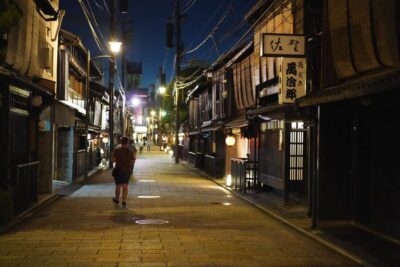
Lantern-lit streets of the geisha quarter
- Kyoto Geisha Walking Tour: Gion District & Hidden Gems
★ 4.7 · 3,273 reviews - Kyoto: Gion Magical Night Walking Tour with Geisha Trivia
★ 4.9 · 2,393 reviews - Kyoto: Gion Geisha District Walking Tour – Stories of Geisha
★ 4.7 · 2,187 reviews - Best of Kyoto: Gion, Geisha, Pagodas & Cobblestones
★ 4.9 · 2,058 reviews
Tatsumi Daimyojin Shrine, calm that feels like a pause button
Stop one is Tatsumi Daimyojin Shrine. It is described as a sanctuary with ancient beauty and tranquility, and it is said to grant wishes. Even if you are not the type to make a big ritual out of it, this kind of stop is useful because it gives you a mental reset before you start photographing and walking.
You get about 20 minutes, and admission is free. That is a sweet spot: long enough to take in the setting, short enough that you do not feel like you are stuck in one place while your dinner clock gets closer.
What you should do here is simple. Take a slow lap, look for small details in the shrine setting, then let the guide’s context connect it to the broader Kyoto mood. A calm first stop makes the rest of the evening feel intentional instead of random.
Tatsumi Bridge over the Shirakawa River, a photo spot with breathing room
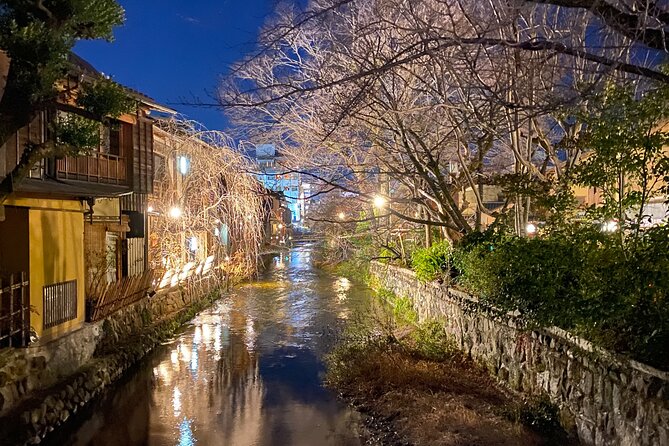
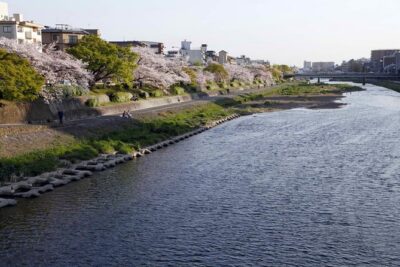
Next you head to Tatsumi Bridge, spanning the Shirakawa River. The description focuses on timeless beauty, and the bridge is framed as especially pretty around cherry blossoms. Even if you are not visiting in peak blossom season, you still get the core idea: river views and a Kyoto walking rhythm.
Again, you get about 20 minutes, and admission is free. That matters because it keeps this from turning into a rushed scenic stop. It is long enough for a few photos, but short enough that you stay energized for the shrine before dinner.
If you want to get value from this moment, keep your expectations realistic. You are not here for a big paid attraction. You are here for a quiet reset and a viewpoint that helps you understand why people romanticize Kyoto riverside paths.
Yasaka Shrine, lanterns and Kyoto’s recognizable spiritual core
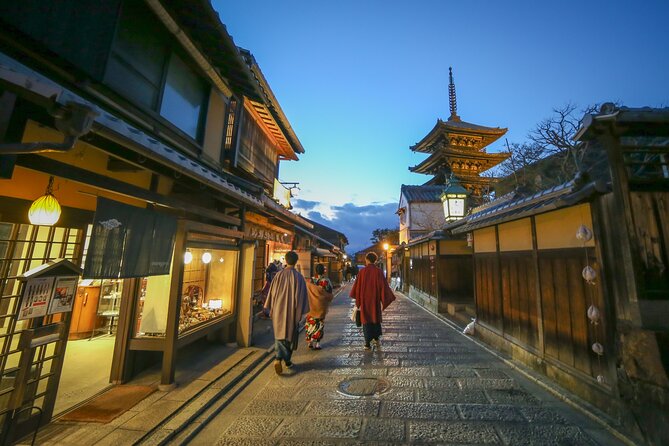
Stop three is Yasaka Shrine, another 20-minute stop with free admission. The atmosphere is described as serene, with iconic lanterns and strong traditions, and it is positioned as a must-see in central Kyoto.
This is the stop where the evening starts to look and feel more like the Kyoto you see in photos. It is also the stop that can help you connect the earlier calm to a more public, recognizable setting. The guide’s job here is important, because the shrine will feel meaningful even if you only understand a few key cultural points.
Practical tip: wear comfortable shoes. Even in a short time window, shrine areas often involve gentle walking, crowd filtering, and small detours around lanterns and paths. Then you will be ready to transition into dinner without feeling wiped out.
210-2 Nishinochō Kappo, sit at the counter and watch technique in action
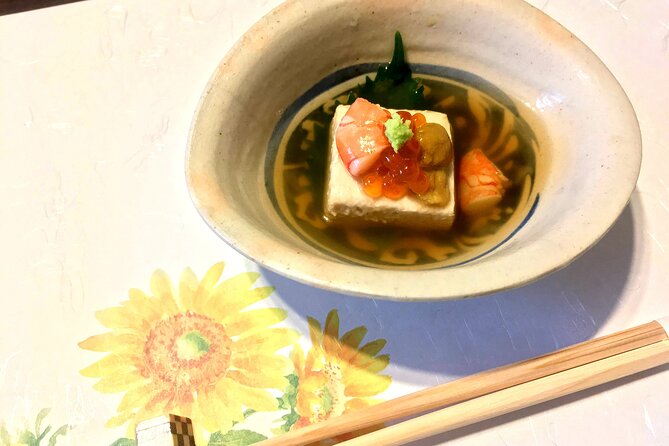
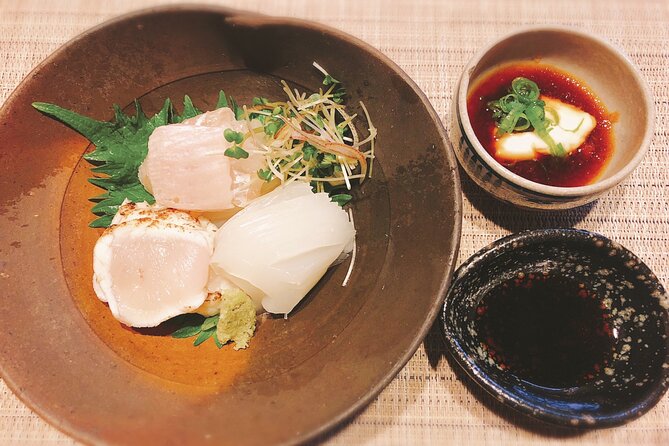
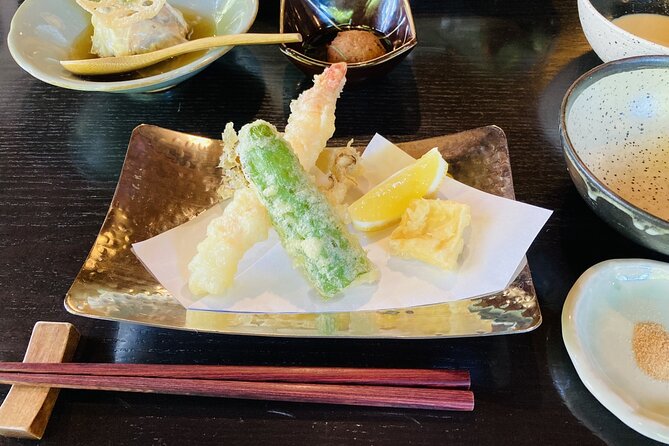
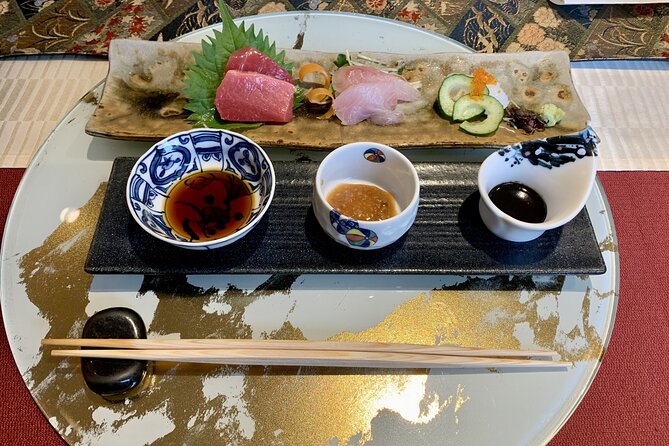
Dinner is the main event, and it is built around Kappo cuisine at the restaurant address listed as 210-2 Nishinochō. The idea is classical Kyoto dining style, with an emphasis on seasonal ingredients and careful chef technique.
You should expect about two hours here, which is a big clue about the tone. This is not a quick meal between attractions. It is a paced experience where the food becomes part of the storytelling.
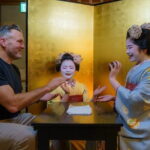
The experience is also described as counter-style dining, with you able to engage with the chef. That is a huge difference from standard restaurant seating. When you are close to the kitchen process, you can better appreciate what Kappo does well: it turns ingredients into a series of small, deliberate moments rather than one big plate after another.
One detail from a prior booking is especially worth noting. The meal was praised as delicious, and that person highlighted being able to watch the chef and his mother as they prepared the Kappo dinner, with conversations happening during the work. If you like food theatre and real human interaction, this is exactly the kind of setup that can make your dinner memorable.
Where to eat once the sun sets

How customized Kaiseki-style Kappo works for your preferences
The dinner is described as customized with a flexible menu that caters to preferences. That means your meal is not a rigid set menu that assumes everyone wants the same things.
For you, that matters in two ways. First, you can steer the meal toward what you enjoy. Second, you can reduce stress. Food is a big part of Kyoto travel, and having a menu adapted to you keeps the experience from turning into guesswork.
The description also calls out Kyoto Kaiseki style, with delicate flavors and traditional techniques. Even if you do not know the terminology, you will recognize it in how the meal arrives. Kaiseki-style dining is typically designed for balance: seasons, temperature, texture, and taste progression. The counter setting makes those shifts more noticeable because you see the pace of preparation.
If you have dietary needs, this is where you benefit most from a customized approach. Just be ready to communicate clearly when your preferences are collected. The tour framing makes it sound like they will work with you, but you still own the details on what you can and cannot eat.
The value question: why $131.06 can be fair, depending on what you want
At $131.06 per person, you are paying for more than a walk. You are paying for a private guide time plus a full evening anchored by a Kappo dining experience that lasts about two hours.
For value, split it mentally into parts. A private walking tour in Kyoto can already cost a meaningful chunk. Add a dinner event that is positioned as Kappo and Kaiseki style, plus the counter interaction element, and the total price starts to look less like sightseeing and more like a planned food night.
Your best indicator is how you feel about dinner. If you want a normal restaurant meal, this price may feel steep. If you want an evening where the meal is the highlight and you also enjoy shrine walking, it can feel like money well spent.
One other value factor is the private nature. Being private is not just comfort. It also reduces friction. You are not competing with mixed groups for the guide’s attention at shrine stops, and you are not stuck with a slow or fast group eating pace.
Getting started: where to meet and how to show up smoothly
You meet at Sanjo Station at the Sanjo Bridge East side area (Ōhashichō). The tour ends back at the meeting point, so you are not left stranded across town after dinner.
Because it is near public transportation, you should find it easy to reach. Still, Kyoto in the evening can be confusing if you are arriving after dark, so I would treat “near public transportation” as a hint to arrive a few minutes early and confirm you are at the right side of the bridge approach.
You also get a mobile ticket, which is helpful. Bring your phone with enough battery. Dinner timing is tight enough that it is better not to troubleshoot tech right before you sit down to eat.
Who this tour fits best, and who might feel underwhelmed
This tour is a strong match if you want a Kyoto night with two ingredients: calm sightseeing and a serious food experience. If you care about Kyoto’s culinary side and you like the idea of sitting at the counter while the chef prepares dishes, you will probably enjoy the structure.
It is also a good fit for people who want privacy. If your group prefers not to share a guide with strangers, or if you want to move at your own walking pace, the private format helps a lot.
On the other hand, you might feel underwhelmed if you want lots of stops or big ticket attractions. This is not built for that. It is built for short shrine segments and then a long dinner anchor.
And remember the one caution from prior booking feedback: the dinner got praise, but guide quality was criticized in that report. If you are the type who relies on the guide for most of your enjoyment, you may want to pay extra attention to how your guide experience is described during confirmation.
Booking timing and confirmation, in plain terms
On average, this experience is booked about 37 days in advance, and you should expect confirmation within 48 hours of booking, depending on availability. That means you should not procrastinate if you have a set date and want the counter dinner experience rather than a last-minute substitute.
The tour is listed as most travelers can participate, which is a general sign it is not a specialized physical activity. It is still a walking experience, and it includes shrine areas, so comfortable shoes are a smart call.
Finally, the activity is private and your group only participates. So even if you book as a couple or solo, you are still getting the private pacing, not a mixed group experience.
Should you book this Gion Kappo Combo Tour?
I would book it if your ideal Kyoto evening looks like this: a short, well-structured walk through meaningful spots in Gion and nearby shrine areas, then a Kappo dinner that you can customize and watch closely at the counter. The combination of shrine calm plus a chef-led dining experience can be a very efficient way to get more from one night.
I would pause if you are highly dependent on guide commentary. One piece of feedback flagged that the guide was not good, while the meal itself was praised as delicious and fascinating. If you know your enjoyment depends on narration and pacing from the guide, make sure you are comfortable with that risk.
In short: if food and close-up Kappo technique matter to you, this is a promising pick. If you are expecting a long list of major sights, or if guide performance is your top priority, consider your priorities before booking.
FAQ
How long is the Kyoto Gion walking tour and customized Kappo dinner?
The duration is about 3 hours.
What time does the tour start?
The start time listed is 5:00 pm.
Is this tour private or shared?
This is a private tour/activity, and only your group participates.
What stops are included during the walking part?
The tour includes Tatsumi Daimyojin Shrine, Tatsumi Bridge, Yasaka Shrine, and then dinner at 210-2 Nishinochō.
Do the shrine stops require an admission ticket?
Admission for the listed shrine-related stops is free.
Can I change or get a refund if my plans change?
No. This experience is non-refundable and cannot be changed for any reason.
More Walking Tours in Kyoto
Sit-Down Dining in Kyoto
New This Season
- Koyasan Day Trip by Private Car from Kyoto
- Old Port Town and Ultimate Sake Tasting Private Tour From Kyoto
- Kyoto’s Timeless Charm: 3hr Exploration of History and Peace
- Kyoto: 5 Types of Sushi Making
- Sacred Peak & Ancient Paths: Kurama-Kibune Hiking Experience
- Kyoto: Exclusive ZEN practice at Manpukuji temple in Uji
- Traversing Kyoto’s Scenic West – Arashiyama to Kinkakuji
- Kyoto: Private Seasonal Aroma Yoga Class
Gion Geisha Quarter Walks, compared.
Kyoto Geisha Walking Tour: Gion District & Hidden Gems
Read our review →
Gion Magical Night Walking Tour with Geisha Trivia
Read our review →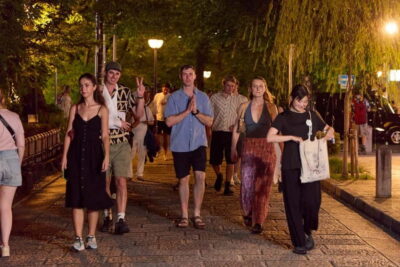
Gion Geisha District Walking Tour – Stories of Geisha
Read our review →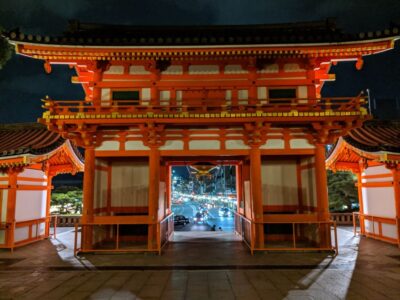
Best of Kyoto: Gion, Geisha, Pagodas & Cobblestones
Read our review →
Kyoto Night Foodie Tour in Gion (9+ dishes + 6 Sake tastings)
Read our review →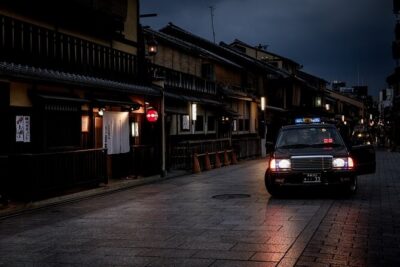
Kyoto Gion Geisha District Walking Tour – The Stories of Geisha
Read our review →