Reviewed · GION GEISHA QUARTER WALKS
Kyoto kiyomizu Temple : Maiko and Samurai Family Photoshoot
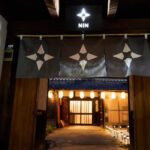
Kyoto turns into a costume set for 3.5 hours. I love how you can step into maiko and samurai roles, then get photographed inside classic Japanese rooms and a tea-room style space. It’s not just a quick snapshot, you get a real makeover first, then multiple photo moments planned around traditional settings.
One thing to think about up front is the pacing and the group size. This is a small group setup, and the “family” plan is built around a Maiko, Samurai, and Child pairing for three people, so if your group is larger, you’ll need to add people in-store. Also, the stop-and-walk to the studio needs a little attention, since clear store directions matter once you get off the bus.
In This Review
- Quick reasons this Kyoto maiko and samurai photo shoot works
- From Kiyomizu-michi to Studio Shiki: your 3.5-hour flow
- Dressing as a Maiko, Samurai, or Child: what the makeover includes
- For women: makeup is part of the plan, but you control it
- For men: kimono dressing and the right look
- For the child: a dedicated Child role with strict sizing
- Choosing your kimono: the selection matters more than you think
- The photo settings: Japanese room, tea room, garden, gold screen
- Japanese room
- Japanese tea room
- Japanese garden
- Gold folding screen
- How the family photo plan is built
- Posing, photos, and what you take home
- Included photo deliverables
- Extra people and extra pictures
- Optional strolling: when you want Kyoto daylight with your costumes
- Price and value: is $161 per person fair?
- 1) You’re paying for work, not just for a costume
- 2) You get curated photos plus real take-home items
- 3) The small group format helps quality
- Who should book this Kyoto maiko and samurai family photoshoot
- FAQ
- FAQ
- How long is the maiko and samurai family photoshoot in Kyoto?
- What photo roles can you take in the studio?
- How many people are included, and what if my group is bigger?
- Where do we meet, and how do we get there?
- Can we choose the background location for our photos?
- What do you take home after the shoot?
- Is white makeup required, and is it suitable for everyone?
- Should you book this Studio Shiki Kyoto photo experience?
Quick reasons this Kyoto maiko and samurai photo shoot works
- Makeup, false lashes, and wigs make the transformation feel complete, not just clothing
- Hundreds of kimono options (listed as 100 in the highlights and 200 in the women’s plan details), so you can pick a style that fits your taste
- You choose the photo setting from a Japanese room, Japanese tea room, Japanese garden, or a gold folding screen
- Family-friendly structure that supports Maiko and Samurai looks, plus a Child photo role (with a specific height range)
- You get both instant organization and time to breathe, including a 10-minute self-photo window
- Photo deliverables that travel well, a 4-page photo book plus a USB containing all pictures
From Kiyomizu-michi to Studio Shiki: your 3.5-hour flow
The experience starts when you arrive at the Kiyomizu-michi bus stop. You hop off the city bus, then it’s about a 10-minute walk to the studio. The whole plan runs around 3 to 3.5 hours, so build your day with a little breathing room before and after.
Here’s the practical part I’d plan around. In Kyoto, “10-minute walk” can feel longer if you’re trying to line up directions, especially near popular areas. One small heads-up from past guests: store directions in apps and signage could be easier to spot. I’d do two simple things to keep stress low. Bring a screenshot of the meeting point/store name, and get there a touch early so you can find the entrance calmly.
Once you’re checked in, the structure is pretty clear: you’ll pick kimono, get your hair and makeup done, then move through the photo sessions. If you’re the kind of person who gets nervous in front of a camera, this setup helps because the shoot is paced and staged. The photographer also selects the best images, which means you’re not stuck staring at 200 near-duplicates.
Dressing as a Maiko, Samurai, or Child: what the makeover includes
The “magic” of this experience is the transformation step. You’re not just borrowing a costume and jumping into a shot. You choose traditional attire, then you get professional help with hair and makeup so the look reads clearly on camera.
The wooden stage above the hillside
- Kyoto: Tea Ceremony in a Traditional Tea House in Kiyomizu
★ 4.9 · 3,519 reviews - Kyoto: Nijo Castle, Kiyomizu & Fushimi Inari Guided Tour
★ 4.7 · 700 reviews - Kyoto: Nijo, Kinkaku-ji, Arashiyama, Kiyomizu & Fushimi Inari
★ 5.0 · 699 reviews - Kyoto Tea Ceremony & Kiyomizu-dera Temple Walking Tour
★ 5.0 · 115 reviews
For women: makeup is part of the plan, but you control it
The women’s package includes white makeup options, plus false eyelashes. It also includes a natural wig, with a choice between a normal wig and no wig. The plan notes that if you dislike the white makeup, you do not need to do it. That’s a thoughtful detail. It means you can keep the look more subtle if you want, while still getting the rest of the transformation.
You’ll also get kimono dressing, and the women’s plan includes free Japanese socks. Small detail, but it matters. Proper socks help you stay comfortable while you’re in traditional footwear and posing for pictures.
For men: kimono dressing and the right look
The men’s portion focuses on dressing kimono. The data doesn’t list makeup for men in the included items, so the main transformation is the clothing and styling for photos.
For the child: a dedicated Child role with strict sizing
Children are included as a Child role with its own kimono dressing. There are options for both girls and boys, and both list a height range of 110 cm to 145 cm. The child package includes white makeup, false eyelashes, and a natural wig.
If you’re traveling with a child, be aware of the age and fit constraints. This experience is not suitable for children under 4 years, and the included child role is limited by height range. That’s not a deal-breaker, just something to check early so you don’t lose time at the studio.
Choosing your kimono: the selection matters more than you think
One of the biggest upgrades you can get from a “dress up and photo” experience is choice. Here, the options are meaningful. The highlights talk about choosing from 100 kimonos, while the women’s plan details say you can choose your favorite from 200 kimonos. Either way, the point is the same: you’re not stuck with one generic outfit.
Why you should care:
- Different kimono styles photograph differently. Patterns and fabric color can shift the entire mood of your portrait.
- If your family has multiple looks (Maiko, Samurai, Child), coordinating fabrics and colors can make the group photo feel intentional rather than accidental.
When you arrive, you’ll have time to work with the staff on dressing. Then the transformation continues into hair and makeup adjustments, so you’re not just picking clothes and leaving.
Pick up a sword for an afternoon
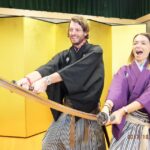

The photo settings: Japanese room, tea room, garden, gold screen
The shoot happens in traditional indoor spaces, and you get a choice of where your photos take place. The plan lists several options:
- a Japanese room
- a Japanese tea room
- a Japanese garden
- a gold folding screen
Each of these does a different job for your final images.
Japanese room
A Japanese room style backdrop gives you clean visual lines and strong cultural cues. It’s especially good for a portrait where you want the kimono to be the star and the background to support rather than distract.
Japanese tea room
The tea room setup tends to feel more intimate. It also helps your photos look “themed” and not like a studio backdrop. If you want that calm, traditional atmosphere, the tea room choice makes sense.
Japanese garden
A garden setting adds a more natural feel. Even if you’re not out walking the whole time, the background can soften the look of a kimono portrait.
Gold folding screen
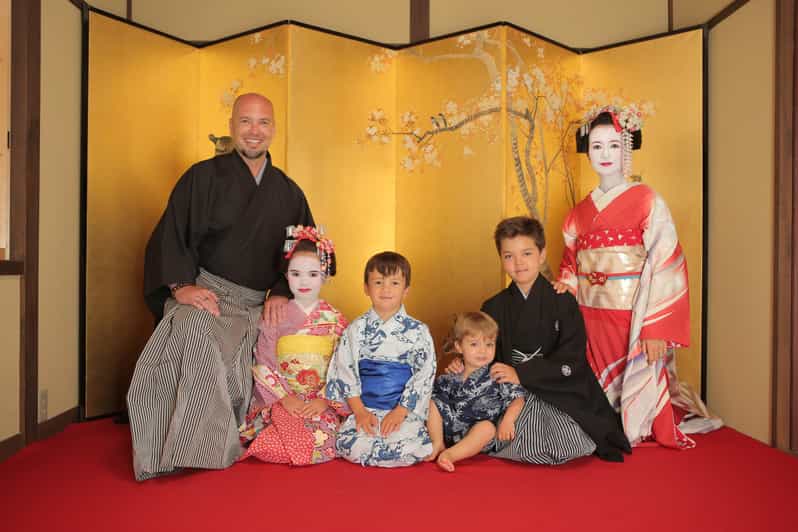
This is the one that feels most dramatic on camera. A gold screen creates a celebratory glow, and it can make the Maiko and Samurai roles look extra cinematic.
You’ll also get free time to take pictures by yourselves for 10 minutes. That’s useful. You can try a few angles, check how your hair and kimono sit, and capture moments that feel more personal before the photographer moves on.
How the family photo plan is built
This experience is set up around a family style pairing: Maiko, Samurai, and Child, typically for a group of three people. It’s also designed around group portraits with up to one child as Maiko or Samurai.
If your group is larger than three people in total, the plan says you’ll add extra people at the store. That’s why it’s smart to count everyone in your party before you book, not just the people who will be in the main transformation roles.
Here’s a simple way to think about it:
- If you want one person as Maiko, one as Samurai, and one child role, the structure fits neatly.
- If you want more portraits for siblings, grandparents, or extra adults, you’ll likely need additional add-ons.
The package includes 4 pictures total. You can do together pictures or single pictures, and those are the photos used for the 4-page photo book. The idea is that you end up with a small set of strong images, not a chaotic stack.
Posing, photos, and what you take home
The photographer guides you through the shoots, and they pick the best pictures afterward. That last part matters. When you’re doing costume portraits, you can end up with uneven frames, awkward angles, or slightly off focus if you’re trying to manage everything alone. Having a photographer curate the selection improves the final results.
Included photo deliverables
At the end, you receive:
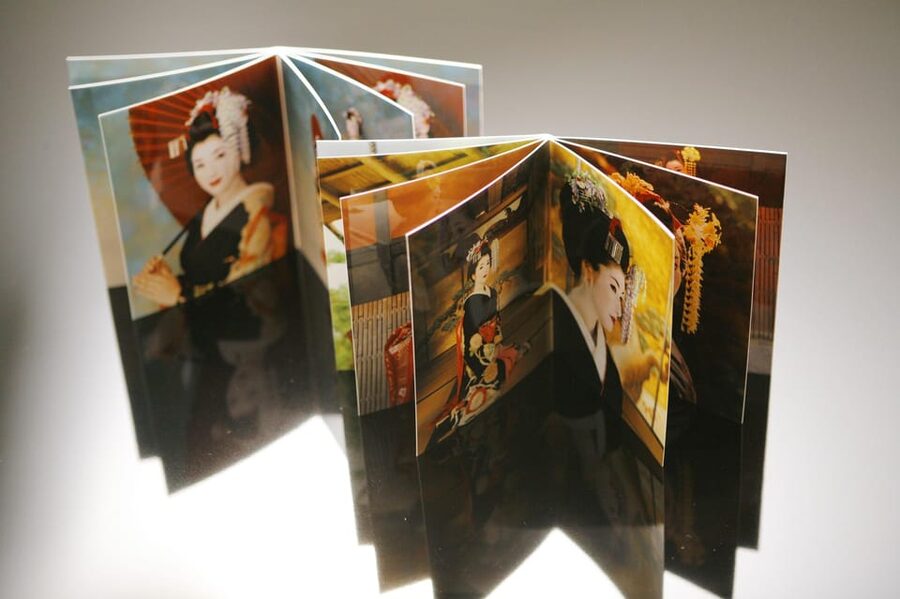
- a 4-page photo book
- a USB that includes all pictures from the shoot
The shoot includes 4 pictures (together or single pictures). The photo book is sized at 203 mm by 145 mm, which is a nice, pocketable format you can actually keep without it turning into an awkward keepsake.
Extra people and extra pictures
If you add additional people, the plan lists 13,200 yen per additional person for women or girls, and it notes that the add-on includes one more picture. That’s valuable if you want siblings or multiple daughters to each have their own set of images rather than being squeezed into one group shot.
Optional strolling: when you want Kyoto daylight with your costumes
You can add an optional strolling plan for extra time. The options listed are:
- 30 minutes for 2,200 yen per person
- 60 minutes for 3,465 yen per person
There’s an important condition: additional outdoor walks are not available in the rain. If you’re booking on a drizzly season day, I’d think of the core indoor shoot as your main plan, and treat strolling as the bonus.
Why strolling can be worth it:
- It helps your kimono look connect to Kyoto’s streets, not just a studio background.
- It gives you more opportunities for candid-feeling portraits after the staged photos.
But if your priority is convenience and maximum photo output within a fixed timeline, you may not need it. The core package already covers the transformation, themed interiors, and the full deliverables.
Price and value: is $161 per person fair?
The listed price is $161 per person, with the exact total depending on the family setup and any add-ons. I look at value here in three buckets.
1) You’re paying for work, not just for a costume
This includes dressing, hair and makeup (for women and for the child role), false eyelashes, and wigs. That’s a lot of production time, and it’s hard to replicate by yourself if you don’t already have a stylist.
2) You get curated photos plus real take-home items
The 4-page photo book is included, and you also get a USB with all pictures. Many photo sessions give you a few edited prints but charge extra for the rest. Here, the USB means you can review, share, and print later if you want.
3) The small group format helps quality
The experience is limited to 3 participants. That usually means you spend less time waiting and more time getting the attention you need for poses and fitting adjustments.
So is it worth it? If you want family portraits that look like a story, not like a quick rental-and-go, this is the right kind of spend. If you already have kimono experience skills, or you only need one casual photo, you might find cheaper alternatives. But for “makeover plus themed portraits plus curated results,” it’s reasonably structured.
Who should book this Kyoto maiko and samurai family photoshoot
This is a great fit if:
- You want a traditional dress-up experience that looks polished in photos
- Your group includes one child and you want the whole family included in the visual story
- You care more about getting great portraits than managing every last detail yourself
- You’d like to choose between a Japanese room, tea room, garden, or gold folding screen
It may not be the best fit if:
- You’re traveling with someone who doesn’t meet the child height range for the Child role
- You’re expecting this to work like a flexible “drop in anytime” shoot, since it has a set duration and small group format
- You’re pregnant, since the plan explicitly says it is not suitable for pregnant women
FAQ
FAQ
How long is the maiko and samurai family photoshoot in Kyoto?
The experience runs about 3 to 3.5 hours.
What photo roles can you take in the studio?
You can take photos as a maiko and a samurai, and the family plan also includes a Child role. The experience notes group photos can include up to one child as a maiko or samurai.
How many people are included, and what if my group is bigger?
The family plan is described as Maiko, Samurai, and Child per 3 people, and the small group is limited to 3 participants. If there are more than three people in total, the plan says you need to add them at the store.
Where do we meet, and how do we get there?
The start point is Kiyomizu-michi bus stop. After you get off the bus, it is about a 10-minute walk to the store. The activity ends back at the meeting point.
Can we choose the background location for our photos?
Yes. You can choose a Japanese room, Japanese tea room, Japanese garden, or a gold folding screen.
What do you take home after the shoot?
You get a 4-page photo book and a USB that includes all the pictures from the shoot.
Is white makeup required, and is it suitable for everyone?
White makeup is included for the women and child plans, but it also states you do not need to do the white makeup if you dislike it. The experience is not suitable for children under 4 years and not suitable for pregnant women.
Should you book this Studio Shiki Kyoto photo experience?
I’d book it if you want a Kyoto keepsake that feels produced and intentional: makeover first, then themed portraits in real traditional settings. The small group format, the included wigs and false eyelashes, and the take-home photo book plus USB make it feel like a complete package, not a half-done “just put on a kimono” stop.
If your budget is tight or you only want one simple photo, you might skip. But if you’re traveling as a family, or you want a maiko and samurai visual story with classic backdrops, this is one of the clearest ways to get there in a single afternoon.
Gion Geisha Quarter Walks
Temples and Shrines

New This Season
- Koyasan Day Trip by Private Car from Kyoto
- Old Port Town and Ultimate Sake Tasting Private Tour From Kyoto
- Kyoto’s Timeless Charm: 3hr Exploration of History and Peace
- Kyoto: 5 Types of Sushi Making
- Sacred Peak & Ancient Paths: Kurama-Kibune Hiking Experience
- Kyoto: Exclusive ZEN practice at Manpukuji temple in Uji
- Kyoto: Private Seasonal Aroma Yoga Class
- Traversing Kyoto’s Scenic West – Arashiyama to Kinkakuji
Gion Geisha Quarter Walks, compared.
Kyoto Geisha Walking Tour: Gion District & Hidden Gems
Read our review →
Gion Magical Night Walking Tour with Geisha Trivia
Read our review →
Gion Geisha District Walking Tour – Stories of Geisha
Read our review →
Best of Kyoto: Gion, Geisha, Pagodas & Cobblestones
Read our review →

Kyoto Night Foodie Tour in Gion (9+ dishes + 6 Sake tastings)
Read our review →
Kyoto Gion Geisha District Walking Tour – The Stories of Geisha
Read our review →