Reviewed · KIYOMIZU-DERA TEMPLE VISITS
Kyoto Tea Ceremony & Kiyomizu-dera Temple Walking Tour
Three hours, Kyoto classics, matcha included. This tour strings together Kiyomizu-dera (UNESCO Water Temple) and a hands-on tea ceremony, with guide-led cultural context as you walk. One thing to plan around is that the Otowa Waterfall area can have a line, and the schedule is paced, so you will want to start on time.
I also love the mix of sights and atmosphere. You will stroll Kiyomizuzaka with old teashops and sweet shops, then pop into Yasaka Koshin-do, famous for its wish balls hanging overhead. If you get a guide like Akiko, you should expect clear, practical explanations about shrines and temples, but you will also want to stay attentive during transitions so you do not miss the tea ceremony slot.
In This Review
- Key things to know before you go
- Yasaka Shrine to Kiyomizuzaka: the walk that sets the tone
- Street snacks plus local culture, without turning into a food tour
- Yasaka Koshin-do: the colorful wish balls stop that actually has meaning
- Entering Kiyomizu-dera, UNESCO Water Temple energy
- Otowa Waterfall: the line you might face, and what to do with it
- Tea ceremony room: matcha-making you can actually repeat
- Guides and photos: small touches that make the route easier
- Price and value: what $63 buys you in real terms
- Timing, crowds, and what to bring for a smoother day
- Who should book this Kyoto tea ceremony and Kiyomizu-dera tour
- Should you book this tour?
- FAQ
- Where do I meet for the tour?
- How long is the tour?
- What is included in the price?
- Is the tea ceremony included, and will I make matcha?
- Is lunch included?
- Are there any age limits?
- Is the tour wheelchair or stroller accessible?
- Can you accommodate allergies or dietary restrictions?
- Is there likely to be a line at Otowa Waterfall?
- What language is the tour in?
Key things to know before you go
- Meet at Yasaka Shrine Nishiromon Gate (arrive 10 minutes early for a prompt start)
- Yasaka Koshin-do wish balls are the quick, colorful photo stop that adds meaning
- UNESCO Kiyomizu-dera plus the Otowa Waterfall viewpoint from the wooden platform
- Make matcha in a tea ceremony room with Japanese sweets and proper tools
- Street food samplings break up the walking, with extra purchases on your own
- Weather and lines matter in summer, bring water and plan for possible Otowa queues
Yasaka Shrine to Kiyomizuzaka: the walk that sets the tone
The day starts at Yasaka Shrine, at the Nishiromon Gate area. You meet in front of the statue, and you are asked to arrive 10 minutes early. That matters here, because this tour runs on a tight 3-hour rhythm and they start promptly.
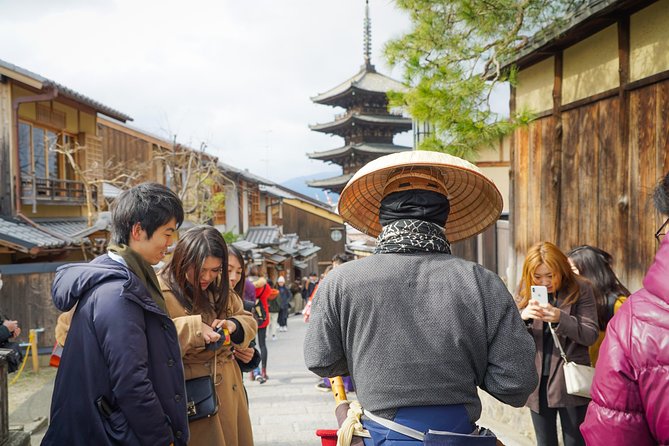
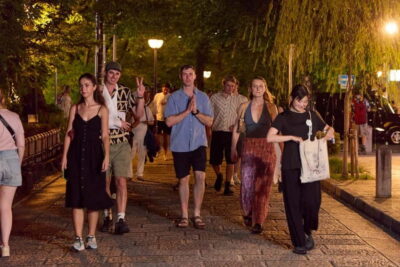
Right away, you shift from a big landmark mindset into Kyoto’s human scale. The walking route takes you through Kiyomizuzaka, a hillside street known for its old-style shopfronts and snack stops. You will see traditional teashops, sweet shops, and stalls selling sun-dried foods, the kind of places that feel like Kyoto never changed its mind.
One neat detail: the street is also a classic background for people-watchers. The route passes near where you may spot maiko and geisha moving through the area. Even if you do not, the street still delivers the Kyoto vibe that most first-timers hope for.
Practical note for comfort: shoes help. The tour includes walking around temple slopes and shop streets, and the stops are not all reachable with a wheelchair or stroller.
Street snacks plus local culture, without turning into a food tour
You will stop at several eateries along the way for a few local samplings. The key word is sampling, not full meals. You get tastes guided by your host, and then you can choose your own extras later, if you feel like it.
I like this approach because it keeps the tour balanced. You are not stuck tracking down menus while the group is waiting, and you are not spending the whole 3-hour window eating. Instead, the food is a cultural side note that makes the history feel more lived-in.
Also, plan on bringing some cash. Extra drinks, extra food, and souvenirs are not included, and the tour specifically nudges you to have cash for those add-ons. If you hate carrying cash, at least make sure you have your payment method ready, but the safer move is bringing some yen.
Diet notes you should not ignore: there is no guarantee of allergy-free handling, and the food may be prepared in kitchens that are not part of the tour provider. If you have allergies or dietary requests, you must inform them at least one day before the tour. If you wait until day-of, you should expect limited options.
The wooden stage above the hillside
- Kyoto: Tea Ceremony in a Traditional Tea House in Kiyomizu
★ 4.9 · 3,519 reviews - Kyoto: Nijo Castle, Kiyomizu & Fushimi Inari Guided Tour
★ 4.7 · 700 reviews - Kyoto: Nijo, Kinkaku-ji, Arashiyama, Kiyomizu & Fushimi Inari
★ 5.0 · 699 reviews - Kyoto Tea Ceremony & Kiyomizu-dera Temple Walking Tour
★ 5.0 · 115 reviews
Yasaka Koshin-do: the colorful wish balls stop that actually has meaning
After wandering the street scene, you head to Yasaka Koshin-do, often described as one of Kyoto’s most colorful temple stops. The star of the show is right above you: lots of colorful balls hanging from the ceiling, each with wishes written on them.
What I like about this stop is that it is quick but not empty. It gives you a visual hook you can remember later, and it also connects you to the way many Japanese religious sites include everyday hope and prayer rather than just big architecture and silence. Your guide’s explanations matter here, because you will get more out of those wish balls when you understand what people are doing and why.
This is also where you can get your best simple photos without fighting for view angles at the largest temple sites. In other words, it is a nice decompression moment in the middle of the day.
Entering Kiyomizu-dera, UNESCO Water Temple energy
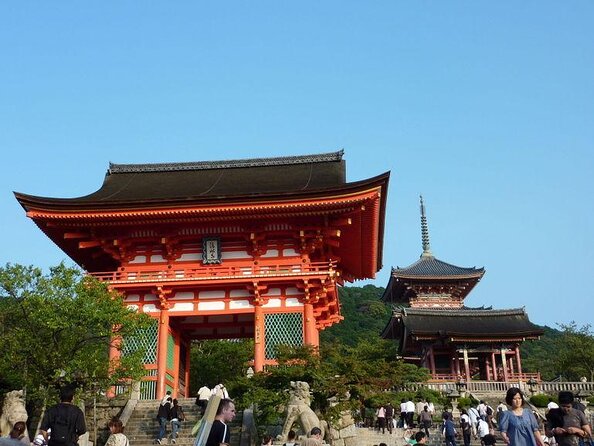
Next up is Kiyomizu-dera Temple, a UNESCO World Heritage Site. This is one of Japan’s most famous temple complexes, so expectations are high. The tour handles it well by giving you a planned route through a crowded area, rather than dumping you into the site with no help.
Kiyomizu-dera is nicknamed the Water Temple, tied to the Otowa Waterfall site. You will hear that context, then stand on the wooden platform for the main viewpoint. From there, you can look out over Kyoto with trees and the city stretching away in the distance.
Even if you have seen photos before, the wooden platform changes how it feels. It is not a museum view. It is a place where the building, the slope, and the waterfall story all come together at eye level. You feel why it became a must-see.
Otowa Waterfall: the line you might face, and what to do with it
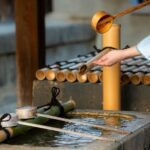
After the platform viewpoint, you visit the Otowa Waterfall and drink from the clear water there, which is said to bring good luck. There can be a line, and that is explicitly called out. If you arrive and there is a queue, do not panic. Just treat it like part of the experience.
A small practical tip: if you are traveling in hot, humid summer weather, take your time to hydrate before you join the line, not after. The tour reminds you summer can be intense, and you will walk between stops.
Another consideration: the exact flow can feel slower when the waterfall area is crowded. That is the main reason this tour’s pace can feel tight. If you are the type who likes to wander and linger for 30 minutes at each viewpoint, you may want more independent time in Kiyomizu-dera on another day. This tour is designed to hit highlights, not to replace a full temple exploration day.
Tea ceremony room: matcha-making you can actually repeat
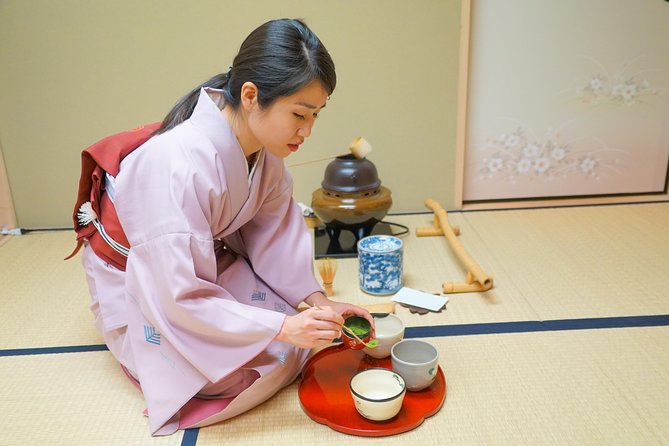
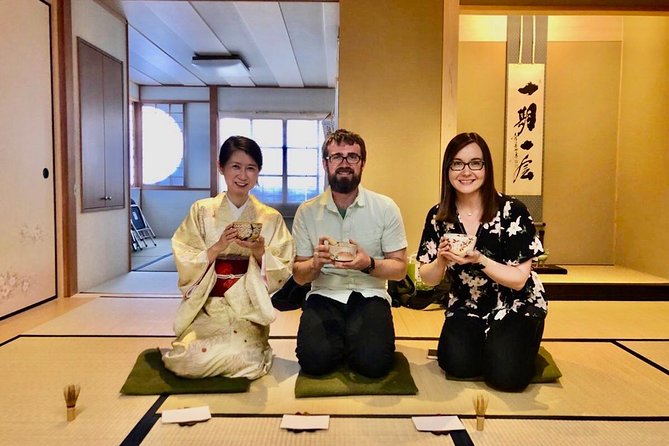
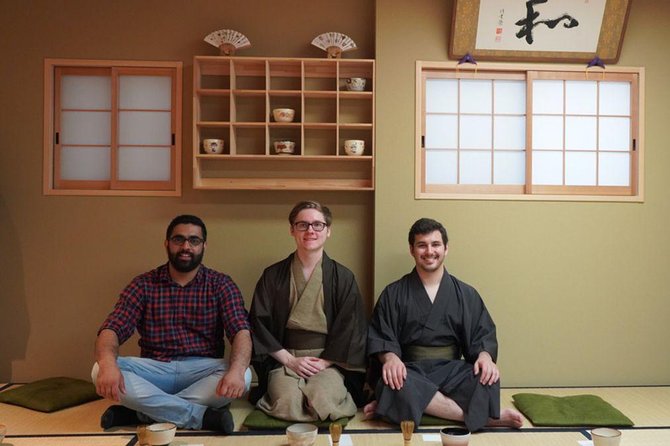
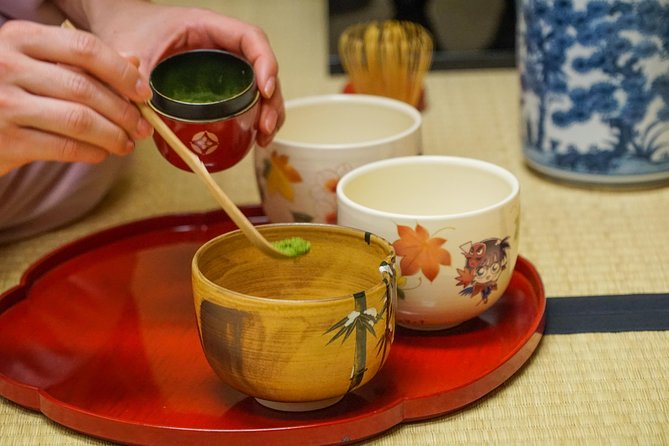
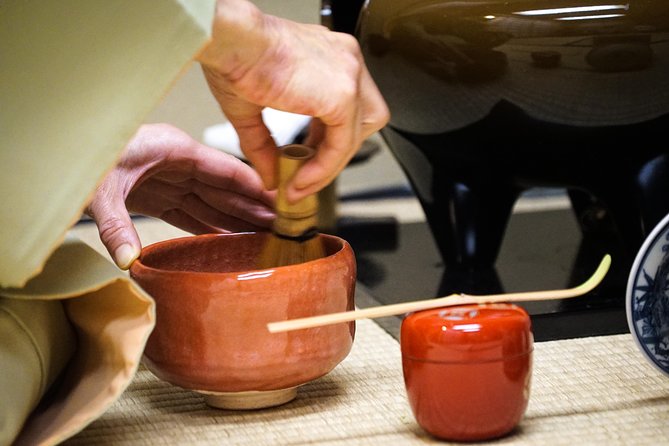
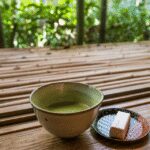
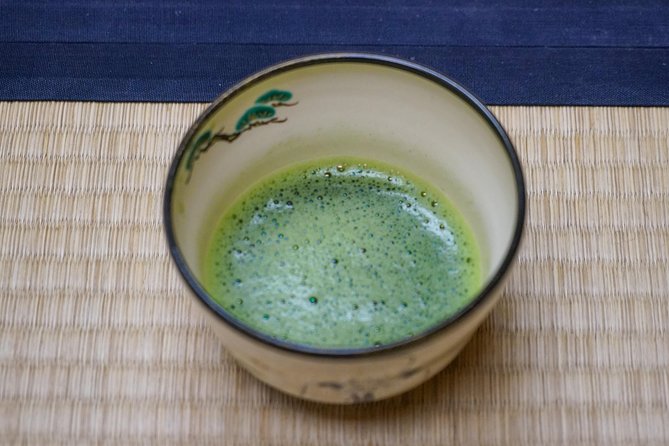
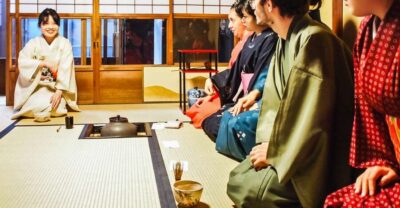
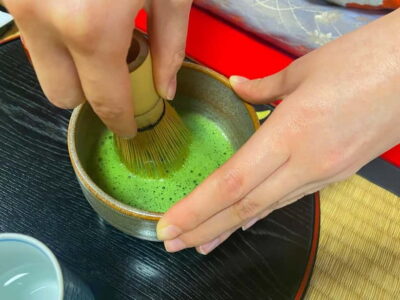
The finale is the traditional tea ceremony, including Japanese sweets and a hands-on matcha experience. This part tends to be the emotional payoff for many visitors because it slows time. Instead of more walking, you get a calm room, structured steps, and the feeling of learning something you can bring home.
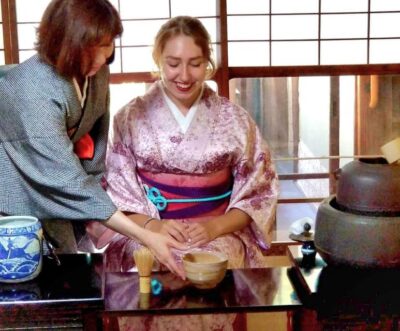
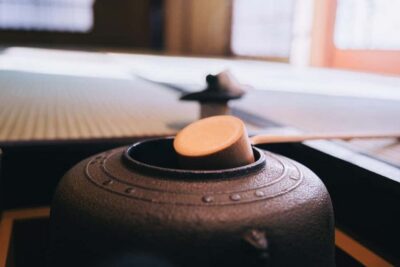
In the ceremony, you will learn about the history and steps of making matcha. You will also see and use tea utensils such as a bamboo whisk and unique tea bowls. The setup matters because tea ceremonies are built on small actions done carefully. It is not just tasting. It is learning the rhythm.
You will also hear some Japanese phrases tied to the ceremony. That is a fun bonus, even if you only memorize a couple of simple expressions. It helps the whole experience feel connected to the culture instead of being a scripted performance.
Because this portion is included and the time is limited, timing accuracy matters. If you have a train connection later, or a tight next booking, build buffer time into your day. If something runs late at one stop, it can compress the rest of the schedule, and that can affect whether you make the tea slot comfortably.
More rooftops worth a detour

Guides and photos: small touches that make the route easier
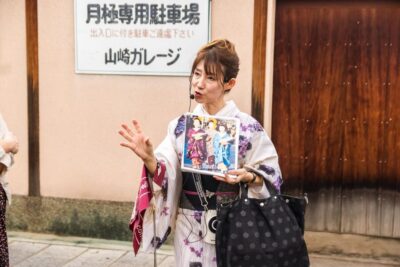
This tour includes a local guide and photos during the tour. For a site-heavy day like Kyoto, that is a practical value. You get fewer moments where you need to shuffle around trying to figure out angles, and you also get a record of the stops without relying on selfie arms.
If you are the sort of traveler who likes context, the guide is a real advantage. You are not just moving from temple to temple. You are learning why these places matter to Kyoto religious culture, and that helps you notice details you would otherwise skip.
One more perk: the experience is offered in English. That matters in tea ceremony settings and at shrine sites, where a few key words can change what you think you are looking at.
Price and value: what $63 buys you in real terms
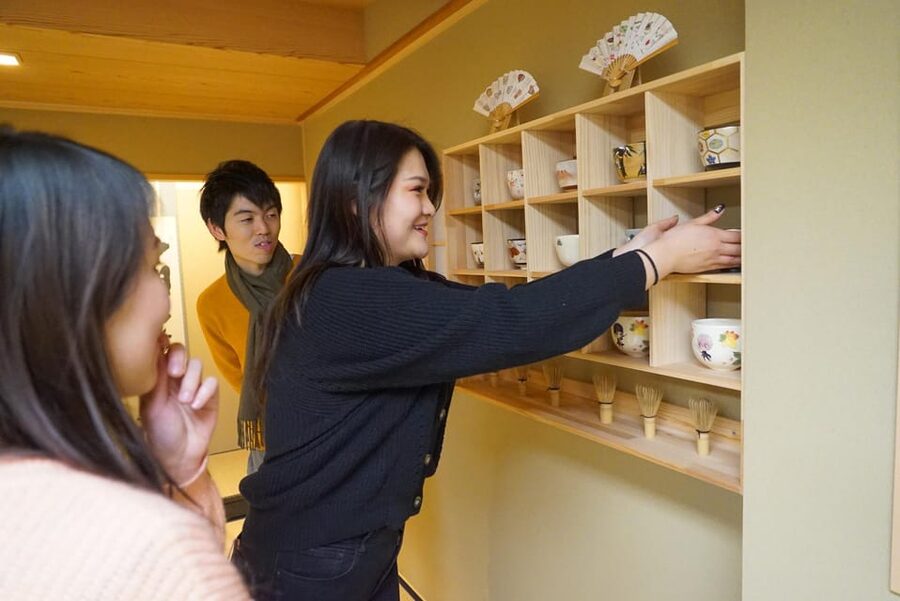
At $63 per person for a 3-hour tour, the big value is combining three paid experiences into one guided block:
- Kiyomizu-dera entrance fee is included
- The tea ceremony experience is included
- You also get a few samplings plus photo support
Add the guide time, and the tour starts to make sense as a convenience purchase. Instead of spending your morning figuring out logistics, you get a guided circuit with cultural explanations and a structured finish.
Is it cheap? Not really. But it is also not a high-ticket, all-day private tour. For many first-time Kyoto visitors, it is a solid way to get the must-sees plus a hands-on activity without burning half the day planning.
Where you should think about value tradeoffs: if you already know Kyoto well and you prefer total freedom, you might resent the fixed pacing. On the other hand, if you want a well-run “greatest hits plus meaning” introduction, the price feels reasonable.
Timing, crowds, and what to bring for a smoother day
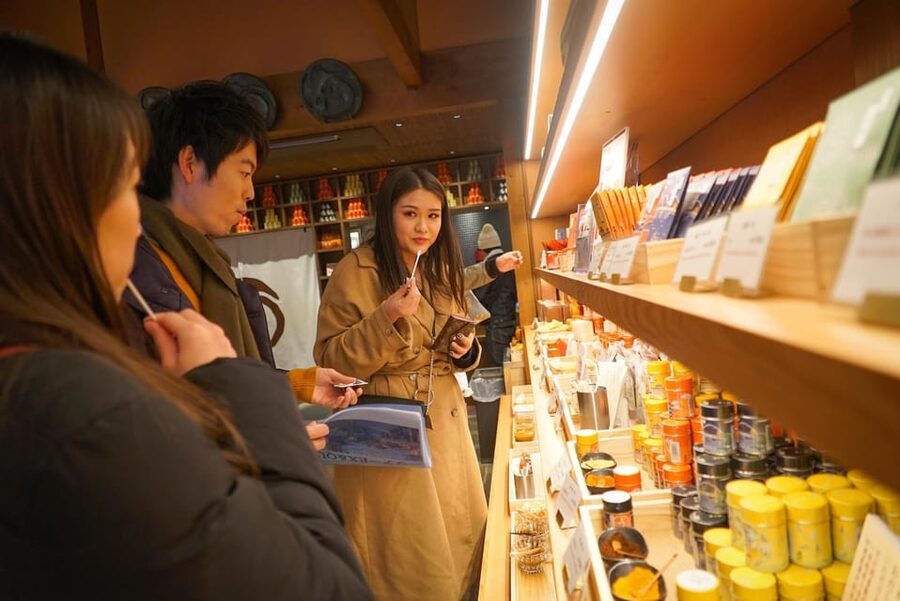
The tour explicitly warns about summer heat and humidity. That means you should go prepared, even if you are used to walking in cities. Bring water, wear a hat, and plan to take short breaks when the group pauses for photos or explanations.
Also, remember:
- The tour starts promptly, so arrive early at the meeting point.
- The Otowa Waterfall area might have a line.
- Some stops are not wheelchair or stroller accessible.
For clothing, aim for comfort and coverage. Temple areas are not the place for fragile shoes. If you want better photos, you will be standing and looking up at Yasaka Koshin-do’s ceiling wish balls, then standing still at platform viewpoints. Comfortable soles matter more than you think.
Finally, be practical about food and drinks. Extra purchases are on you, and you might want cash on hand for snacks or souvenirs along the way.
Who should book this Kyoto tea ceremony and Kiyomizu-dera tour
This is best for you if:
- You want UNESCO Kiyomizu-dera plus a tea ceremony in one tight window
- You like a guide explaining shrines, temples, and everyday religious customs
- You enjoy walking Kyoto’s classic streets for the atmosphere, not just the postcard view
It may be less ideal if:
- You need full wheelchair or stroller access, since some included locations are not accessible
- You have strict allergy requirements and need guaranteed substitutions, because allergy-free handling is not guaranteed
- You want lots of free time to wander inside the temple grounds without any time pressure
Also, children under 6 are not allowed. If you are traveling as a family, this tour may not work for the youngest members.
Should you book this tour?
I would book it if you want a structured, culturally guided introduction that hits the big Kyoto moments without turning into a full-day grind. The combination of Kiyomizu-dera, the Otowa Waterfall experience, and a real matcha-making tea ceremony makes the 3-hour format feel efficient, not rushed.
I would skip or modify your plan if you dislike queues or you are sensitive to timing. The Otowa line is a real possibility, and the tour’s fixed flow can compress your flexibility. If your day is already packed, or you have an evening commitment, give yourself buffer time.
If you do book, come ready to walk, bring water, and be on time at the meeting point. That is how you turn a popular Kyoto route into a calm, satisfying one.
FAQ
Where do I meet for the tour?
You meet in front of the statue of Yasaka Shrine. The guide will be holding a board that says MagicalTrip, and you should arrive 10 minutes early.
How long is the tour?
The tour lasts 3 hours.
What is included in the price?
The tour includes the Kiyomizu-dera entrance fee, the tea ceremony experience, a few samplings, photos during the tour, and a local guide.
Is the tea ceremony included, and will I make matcha?
Yes. The tea ceremony is included, and you will make your own green tea.
Is lunch included?
Only a few samplings are included. Extra food and drinks are available for purchase, and you should bring cash if needed.
Are there any age limits?
Children under 6 years old are not allowed on this tour.
Is the tour wheelchair or stroller accessible?
The itinerary includes locations that are not accessible by a wheelchair or stroller.
Can you accommodate allergies or dietary restrictions?
Allergy-free or dietary guarantees are not provided. You should inform the company at least one day before the tour if you have dietary requests or allergies.
Is there likely to be a line at Otowa Waterfall?
It is possible there will be a line to visit the Otowa Waterfall.
What language is the tour in?
The tour is offered in English.
More Walking Tours in Kyoto
Traditional Tea Ceremonies
New This Season
- Koyasan Day Trip by Private Car from Kyoto
- Old Port Town and Ultimate Sake Tasting Private Tour From Kyoto
- Kyoto’s Timeless Charm: 3hr Exploration of History and Peace
- Kyoto: 5 Types of Sushi Making
- Sacred Peak & Ancient Paths: Kurama-Kibune Hiking Experience
- Kyoto: Exclusive ZEN practice at Manpukuji temple in Uji
- Kyoto: Private Seasonal Aroma Yoga Class
- Traversing Kyoto’s Scenic West – Arashiyama to Kinkakuji
Kiyomizu-dera Temple Visits, compared.
Tea Ceremony in a Traditional Tea House in Kiyomizu
Read our review →
Nijo Castle, Kiyomizu & Fushimi Inari Guided Tour
Read our review →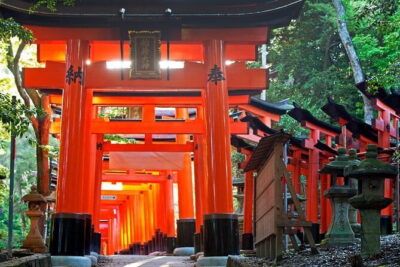
Nijo, Kinkaku-ji, Arashiyama, Kiyomizu & Fushimi Inari
Read our review →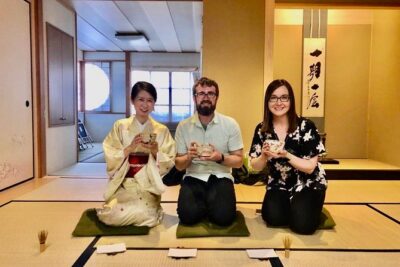
Kyoto Tea Ceremony & Kiyomizu-dera Temple Walking Tour
Read our review →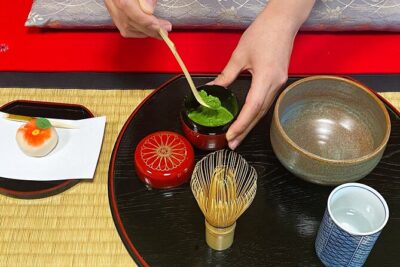
Kyoto Kiyomizu Tea Ceremony with Scenic Garden Views
Read our review →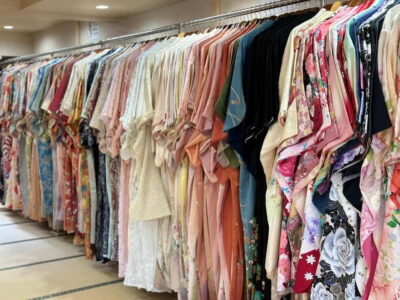
Kimono/Yukata Rental 5 Minute from Kiyomizu-dera
Read our review →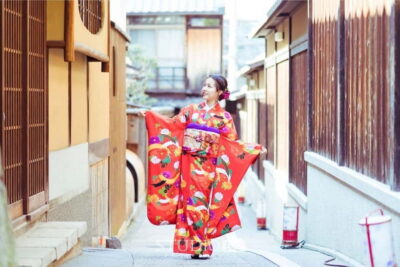
Kyoto Gion Kiyomizudera Kimono Yukata Hairstyle | Photoshoot
Read our review →