Reviewed · TEA CEREMONIES
Kyoto Walking Tour with Kimono Rental Lunch and Tea Ceremony
Kyoto in a kimono feels like time travel. I especially loved the matcha tea ceremony with wagashi and the sense of stepping into real neighborhood Kyoto during the garden and shrine stops. One thing to plan for: lunch is not included in the price, and you need to declare dietary restrictions in advance if you have them.
This is a private, about 8-hour day that starts at Ume Sakura in Nakagyo Ward (10:30 am) and ends back at the same meeting point. I like that you get a guide for your group, and you get practical explanations that make the rituals and sights easier to understand, not just photograph.
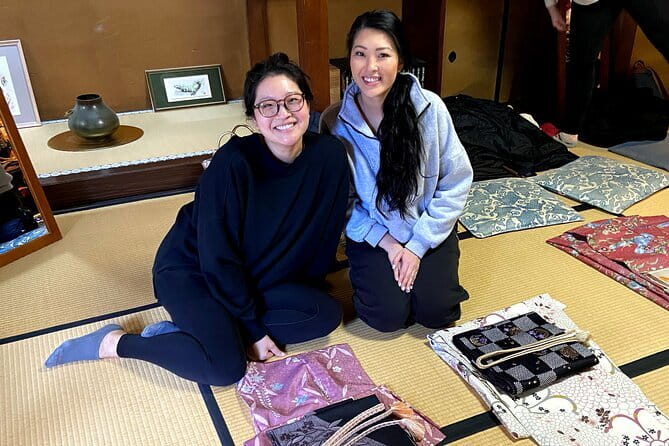
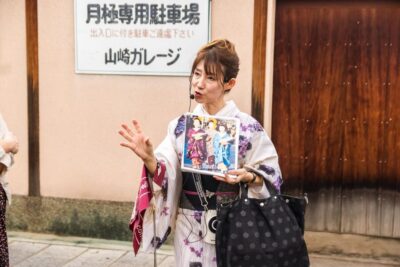
At the beginning, you can choose the kimono option and get dressed by licensed professionals. Basic hairstyling is included, but makeup is something you do in advance, so show up ready.
In This Review
- Key highlights worth planning around
- Kyoto kimono mornings and a walking day that stays human
- Ume Sakura kimono dressing: what’s included, what you must do
- The garden stroll that sets the tone for Kyoto’s calmer side
- Old Mitsui Family Shimogamo Villa: preserved details, not just views
- Shimogamo Jinja: a 1,000+ year shrine visit in a relaxed block
- Teramachi Yoshikura lunch in a Machiya: choose, sit, and reset
- Tea ceremony with Chisato: matcha, wagashi, and the explanations that make it click
- How the 8-hour plan works, from meeting point to end of day
- Price and value: where the $117.06 goes
- Who this tour suits best (and who should skip it)
- Should you book this Kyoto walking tour with kimono and tea?
- FAQ
- How long is the Kyoto walking tour?
- Where does the tour start, and what time does it begin?
- Is lunch included?
- What is included with the tea ceremony?
- What admissions are included for the sightseeing stops?
- Can you cancel and get a refund?
Key highlights worth planning around
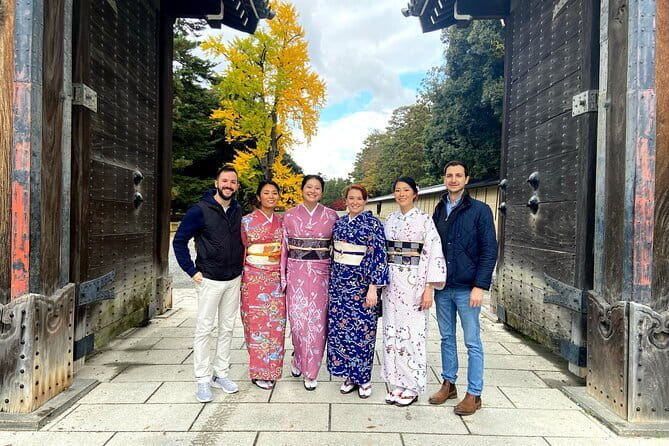
- Kimono dressing at Ume Sakura with basic hairstyling included, and makeup you do before you arrive
- Old Mitsui Family Shimogamo Villa entry included for a preserved villa visit
- Shimogamo Jinja with a 1,000+ year perspective, and admission listed as free
- Tea ceremony with Chisato in an intimate setting, with explanations and wagashi
- Machiya lunch stop at Teramachi Yoshikura where you pick meal options, but lunch admission is not included
Kyoto kimono mornings and a walking day that stays human
A full Kyoto day can turn into a blur. This one works better because it’s built around short, focused blocks of time and experiences that make sense together: kimono, gardens, shrine, lunch, then tea.
You start in the morning, which matters in Kyoto. The light is kinder for photos, the streets feel calmer, and you’re less likely to get cooked before the tea ceremony. The tour also runs about 8 hours, which is long enough to feel like you did something meaningful, but not so long that you’re dragging yourself around in a kimono.
The biggest value for me is that this is a private tour for just your group, not a crowd-shuffle. That means you can ask questions, and the guide can tailor the pace. In one of the reviews, the standout praise was personal insights about life in Japan as a foreigner and about Japanese culture in general. That’s the sort of thing you only get when you’re not competing with five other families for attention.
Ume Sakura kimono dressing: what’s included, what you must do
The day starts at Ume Sakura, and if you choose the kimono option, you’ll get dressed there by licensed professionals. This is where the tour’s “Kyoto makeover” magic begins, but it also comes with a couple of practical realities.
Here’s what you can count on:
- Basic hairstyling is included as part of the kimono dressing step
- Makeup is expected to be done by you in advance
That makeup detail is easy to miss when you’re excited about getting into a kimono. Don’t assume the team can handle it on the spot. If you normally do minimal makeup, plan to bring what you need anyway. You’ll also want a little patience here. Dressing time takes longer than you think, especially with careful hairstyling.
Logistically, the meeting point is near public transportation, and you’ll have a mobile ticket. That helps if you’re juggling train stations and carrying a few essentials like water, tissues, and any small bag you’re using to store items while you’re dressed.
One more practical point: kimono days can be more comfortable than you’d expect if you’re wearing the right under layers. Even if you’re not given specific clothing guidance, you’ll enjoy the walking more if you keep it simple and comfortable underneath.
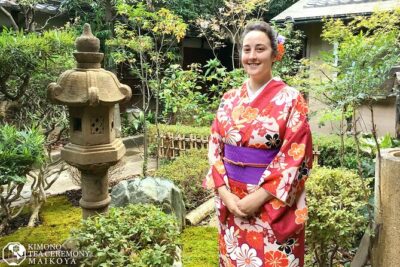
Walk the old streets in kimono
- Kimono Tea Ceremony at Kyoto Maikoya, NISHIKI
★ 5.0 · 911 reviews - Kyoto: Kimono Rental with Hairstyling and Accessories
★ 4.8 · 653 reviews - Kyoto: Kimono Tea Ceremony at Orizuruya Gion
★ 4.9 · 618 reviews - KYOTO Tea Ceremony with kimono near by Imamiya Jinjya Shrine
★ 5.0 · 343 reviews
The garden stroll that sets the tone for Kyoto’s calmer side
After your kimono step, the day shifts into the quiet, scenic side of Kyoto. You’ll stroll through the grounds connected to a former Imperial family home. Even though gardens in Kyoto vary by season, the key idea is the same: these spaces were designed for walking, noticing, and taking your time.
Why this stop works:
- It acts like a reset button after dressing, so you’re not immediately hit with fast, crowded landmarks
- Gardens give you a different Kyoto “texture” than temples on a main street
- You get context for why these places feel important even when you’re just walking through them
A potential drawback is weather. When you’re out in gardens for a short block of time, rain can happen fast. Bring a compact umbrella or light rain layer if your trip dates are in a rainy shoulder season. Since this is about an 8-hour day, you’ll appreciate anything that keeps you comfortable for the whole arc, not just one photo.
Old Mitsui Family Shimogamo Villa: preserved details, not just views
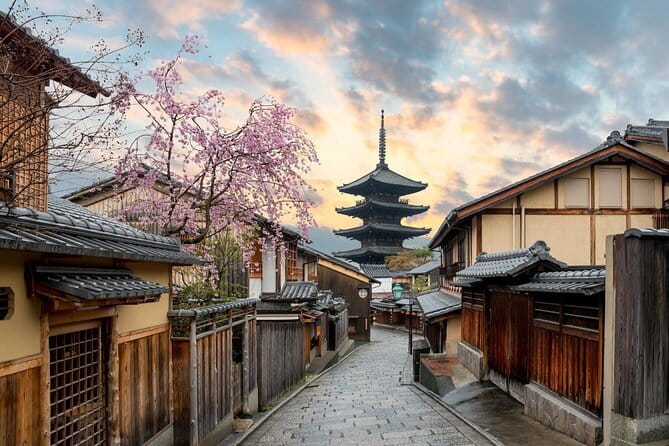
Next up is the Old Mitsui Family Shimogamo Villa. You’ll visit for about 30 minutes, and admission to this place is included.
This stop is valuable because a villa visit is different from temple sightseeing. You’re not only looking at buildings and gates, you’re seeing how wealth and daily life shaped space. A preserved villa also gives you an easier frame for understanding Kyoto’s layering: residential elegance alongside religious and civic sites nearby.
What to expect in your time here:
- A focused walkthrough that lets you take in the property without rushing
- A chance to notice materials, layout, and the feeling of “lived-in” space
The drawback is simple: 30 minutes goes quickly. If you’re the type who likes to linger at one spot for 15 photos, plan to prioritize. Pick one or two angles, then move. With a guide and a schedule, the trick is to enjoy the highlights rather than trying to photograph the entire property.
Shimogamo Jinja: a 1,000+ year shrine visit in a relaxed block
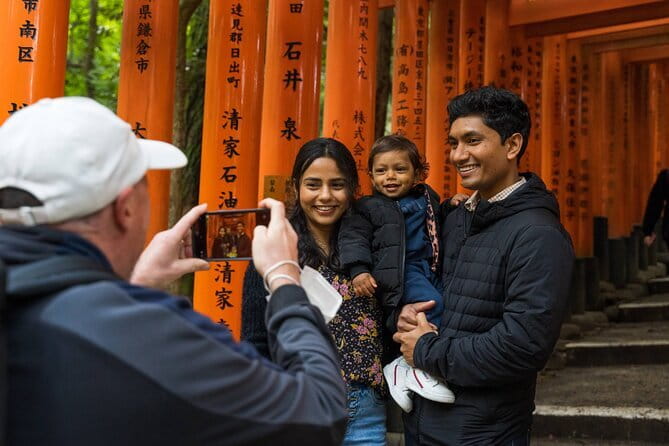
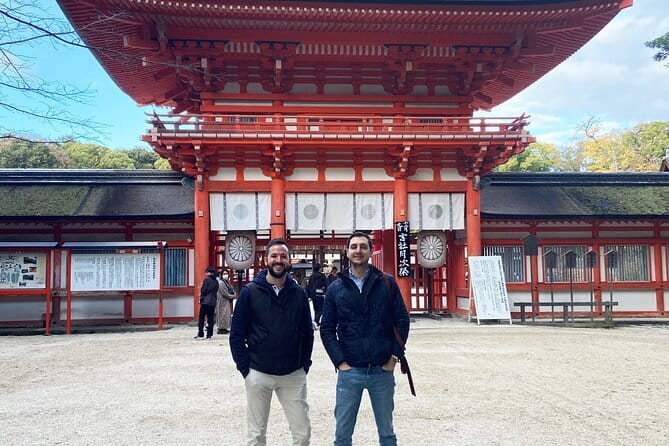
Then you’ll head to Shimogamo Jinja. The stop is about 30 minutes, and admission is listed as free.
Shimogamo Jinja is one of those places that rewards basic knowledge. If you know what you’re looking for, the visit feels richer. In a guided setting, you’re more likely to understand what the shrine represents and why it’s treated as important across centuries, not just as a pretty stop on a route.
Why this timing makes sense:
- It lands after the villa, so you’ve already switched from “home and garden” mode to “sacred space” mode
- You’re not exhausted yet, so the walking and standing still feel manageable
A consideration: free admission does not mean short lines or open space. Shrines can get busy around weekends and seasonal moments. The tour is private, which helps. Still, if crowds make you anxious, go into the visit with the mindset that you might get a few blocked views before it clears.
Teramachi Yoshikura lunch in a Machiya: choose, sit, and reset
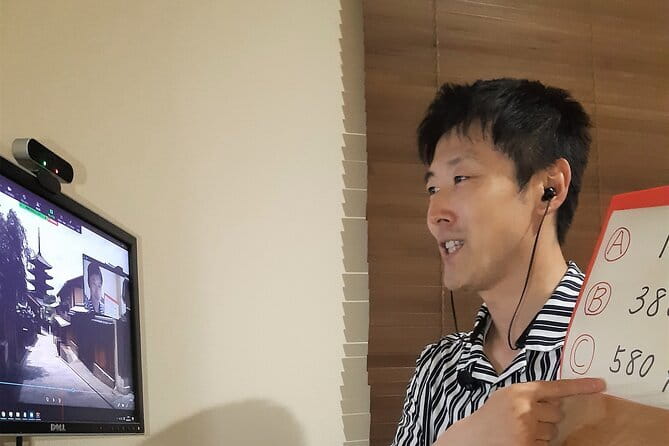
Lunch is at Kyoto cuisine Teramachi Yoshikura in a renovated Machiya, a traditional Kyoto townhouse style. The lunch stop is about 1 hour, and guests will be invited to choose meal options.
Important note: lunch is not included. The tour description frames this as a lunch stop where you select your options, but you’ll pay for what you order.
So how do you get value from this? You’re not hunting for a restaurant on your own while your day is already scheduled and you’re dressed for sightseeing. You’re getting placed into a Machiya setting, which is part of the Kyoto experience itself. Plus, when you’re with a guide, you can get practical help translating menus or understanding what’s most comfortable to eat.
Dietary restrictions matter here. The tour info says dietary restrictions must be stated in advance, and depending on the request, they may not be able to accommodate you. If you have allergies or strict limits, don’t wait until the day of. Message the operator clearly when you book.
What I’d do if you want the smoothest lunch: eat something lighter if you plan to do more walking afterward in the afternoon, and save the heavier meal for another day.
More bowls, poured the traditional way
Tea ceremony with Chisato: matcha, wagashi, and the explanations that make it click
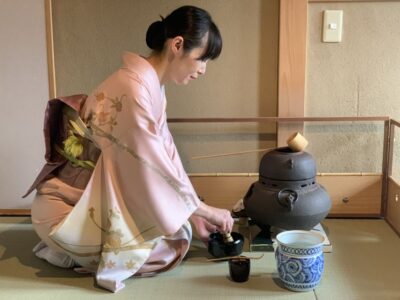
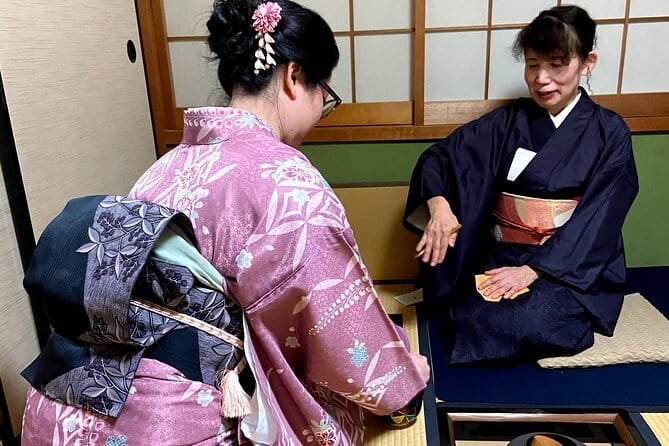
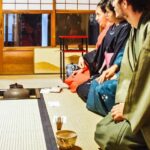
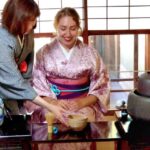
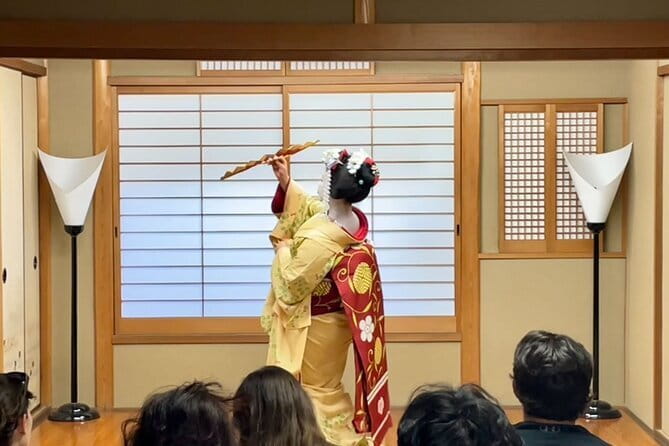
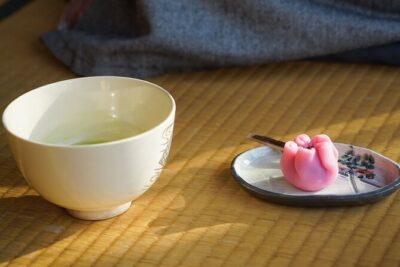
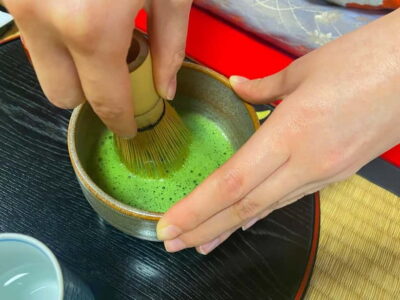
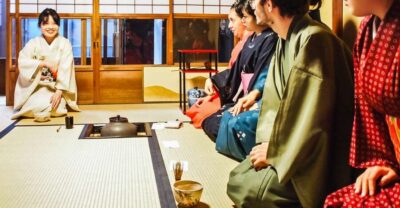
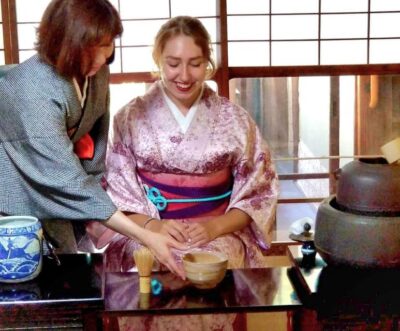
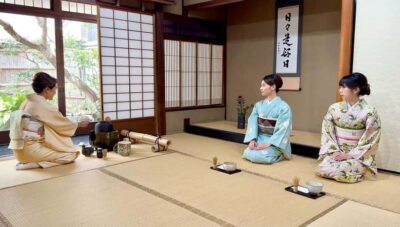
The day closes with a tea ceremony experience with Chisato. It runs about 1 hour and includes the tea ceremony plus wagashi.
This is one of the most praised parts of the experience, and I can see why. Tea ceremonies are easy to treat like a show. The best version is when someone explains what you’re seeing and why certain steps matter. Here, the description promises explanations from the host and guide, and that matches what the reviews highlight: personal cultural insight that goes beyond the surface.
In a good tea ceremony, you’re not just drinking matcha. You’re learning:
- How the ritual shapes attention
- How wagashi fits into the flavor balance and timing
- What the ceremony is trying to teach through small movements
The intimate setting is also a plus. You’re not shouting across a room full of strangers. It’s calmer, and that helps you actually enjoy the moment instead of rushing to capture it.
The main practical consideration is timing. You may feel a little sleepy after a long walking morning. That’s normal. Tea is a gentle reset, and the calm pace is part of the charm. Just plan to arrive ready to slow down, even if your phone wants to rush to the next photo.
How the 8-hour plan works, from meeting point to end of day
The tour starts at 10:30 am at 38 Fujikicho, Nakagyo Ward, Kyoto, and ends back at the same meeting point. That round-trip format is underrated. Kyoto is dense, and having the tour return you to where you started means fewer navigation headaches at the end of the day.
Duration is listed as about 8 hours. That’s enough time to cover:
- Kimono dressing and a garden stroll
- A villa visit
- A shrine visit
- A lunch stop
- A tea ceremony
It’s also a long enough window that you should plan your energy. Bring water, even if you don’t drink it constantly. Comfortable shoes are a must, but also remember that kimono season means you’ll be walking while dressed. If you can, wear socks or under-shoe layers that reduce friction.
Since it’s private, you’ll likely get a steadier pace than on typical group walking tours. You’ll spend time where the experience matters most, not where the bus can drop people off.
Also, the tour runs with a mobile ticket. That’s usually easier than keeping track of paper confirmations, especially when you’re hopping between trains and buses.
Price and value: where the $117.06 goes
The price is $117.06 per person. You’re buying a full set of experiences, and the included items help clarify the value.
Included:
- Tea ceremony
- Admission to Mitsui Shimogamo
Not included:
- Lunch
Kimono rental is part of the experience concept, with dressing at Ume Sakura. The data doesn’t list kimono as an included line item in the “included” section, so think of it as something you select through the kimono option. In any case, you are paying for guided time plus the specialized components that are hard to DIY well, especially the tea ceremony format and the villa entry.
So is it a good deal? For many visitors, yes, because you’re not trying to coordinate multiple separate bookings across Kyoto. A tea ceremony and a villa admission alone can take time to plan, and a guide compresses that into one smooth day.
Where you might feel the price more: if you already plan to do lunch on your own in a place you like and you do not care about kimono. But even then, the combination of tea ceremony plus guided visits to Shimogamo Jinja and the preserved villa is still a strong mix for a day that moves at a reasonable tempo.
One more booking clue: on average, this is booked about 64 days in advance. That suggests it’s popular. If your dates are fixed, don’t wait until the last few weeks.
Who this tour suits best (and who should skip it)
This tour is a strong fit if you want a Kyoto day that feels traditional, guided, and structured without being frantic. I’d especially recommend it if you care about:
- Matcha tea ceremony as a cultural experience, not just a photo stop
- Seeing Shimogamo Jinja and the villa area with context
- A kimono dressing moment handled by professionals
It’s also ideal for groups who want privacy. Since it’s private for only your group, it works well for couples, friends, and families who don’t want to share a guide.
Skip or at least reconsider if:
- You dislike walking for much of the day
- You have very specific dietary needs and you know you might not be able to get accommodations
- You’re budget-strapped and want everything fully included, since lunch is not included
Should you book this Kyoto walking tour with kimono and tea?
If you want a Kyoto day with a real ritual moment, I think it’s worth booking. The tea ceremony with Chisato, with explanations and wagashi, is the kind of experience that becomes a memory, not just a stop. Add in admission to Mitsui Shimogamo and the structured flow of gardens, villa, and shrine, and you get a balanced day that still leaves room to breathe.
My practical go/no-go advice:
- Book it if you want guided cultural context and are open to paying extra for lunch.
- If you’re choosing kimono, plan your makeup in advance and wear comfortable footwear underneath.
- If you have dietary restrictions, send them when you book so you know what’s possible.
If you want flexibility, this experience offers free cancellation up to 24 hours before the start time for a full refund, so you’re not locked in too early.
FAQ
How long is the Kyoto walking tour?
The tour duration is about 8 hours.
Where does the tour start, and what time does it begin?
It starts at Ume Sakura, 38 Fujikicho, Nakagyo Ward, Kyoto, and begins at 10:30 am. It ends back at the meeting point.
Is lunch included?
No. Lunch at Kyoto cuisine Teramachi Yoshikura is listed as part of the day, but lunch is not included in the tour price.
What is included with the tea ceremony?
The tea ceremony experience includes the tea ceremony and wagashi. It lasts about 1 hour and includes explanations from the host and guide.
What admissions are included for the sightseeing stops?
Admission to Old Mitsui Family Shimogamo Villa (Mitsui Shimogamo) is included. Shimogamo Jinja lists admission as free.
Can you cancel and get a refund?
Yes. Free cancellation is available up to 24 hours in advance for a full refund.
More Walking Tours in Kyoto
Lunch in Kyoto

New This Season
- Koyasan Day Trip by Private Car from Kyoto
- Old Port Town and Ultimate Sake Tasting Private Tour From Kyoto
- Kyoto’s Timeless Charm: 3hr Exploration of History and Peace
- Kyoto: 5 Types of Sushi Making
- Sacred Peak & Ancient Paths: Kurama-Kibune Hiking Experience
- Kyoto: Exclusive ZEN practice at Manpukuji temple in Uji
- Kyoto: Private Seasonal Aroma Yoga Class
- Traversing Kyoto’s Scenic West – Arashiyama to Kinkakuji
Tea Ceremonies, compared.
Tea Ceremony in a Traditional Tea House in Kiyomizu
Read our review →
Kimono Tea Ceremony at Kyoto Maikoya, NISHIKI
Read our review →
Tea Ceremony in 100-year-old Kyo-Machiya Townhouse
Read our review →