
Reviewed · WALKING TOURS
Kyoto: Wholesale Fish Market Walking Tour
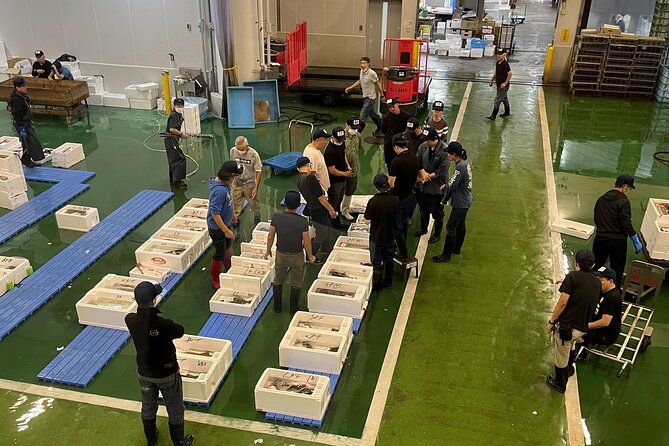
Kyoto before breakfast is a whole different world. This 2-hour Kyoto wholesale fish market walking tour puts you in the Kyoto City Central Wholesale Market when the action starts, with a real look at fish bidding and the people who make the seafood supply chain run.
I especially like two parts: the English-speaking guide who explains what you are seeing, and the traditional breakfast stop at 村上食堂 (Murakami Shokudo) that turns the morning into something you can actually taste. Kats, one English-speaking guide whose clear explanations show up in the feedback, is a good example of what this tour aims for: practical answers, not vague sightseeing talk.
The main drawback is simple: it is early. You will need to be on time at the meet-up point at Umekōji-Kyōtonishi Station, or you will miss the best part of the fish bidding.
In This Review
- Key highlights that make this tour worth your morning
- Why Kyoto’s fish bidding feels like the real city
- Getting to Umekōji-Kyōtonishi and starting on time
- Kyoto City Central Wholesale Market No. 1: what you actually see
- Watching fish bidding without feeling lost
- Murakami Shokudo breakfast: why the food stop matters
- What the English-speaking guide changes for you
- Price and value: what $41 buys in real terms
- Your 2-hour flow: from market to a finished morning
- Who should book this Kyoto fish market walking tour
- Practical tips to enjoy it more
- Should you book this tour or skip it?
- FAQ
- How long is the Kyoto wholesale fish market walking tour?
- Where do you meet the guide?
- What is included in the price?
- Where does the tour finish?
- Is it a small group tour?
- What should I bring?
Key highlights that make this tour worth your morning
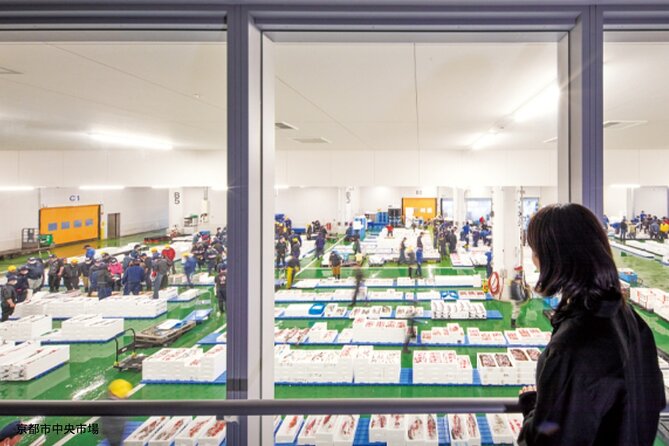
- Fish bidding at Kyoto City Central Wholesale Market (No. 1 Marketplace), with you watching the deal-making energy up close
- Small group (limited to 9), so the guide can explain and you can actually see what is happening
- English-speaking guidance, including Q and A help from guides like Kats
- Traditional Japanese breakfast at 村上食堂 (Murakami Shokudo), included in the price
- Tour timing that fits a 2-hour window, then you finish at Tambaguchi Station
Why Kyoto’s fish bidding feels like the real city
If you only see Kyoto at temple-photo speed, you miss a big chunk of how the city feeds itself. This tour focuses on one place where the morning has urgency, with traders gathering, negotiating, and moving fast because seafood freshness matters and schedules matter even more.
The Kyoto City Central Wholesale Market is a working market, not a theme park. That is why the experience clicks: you are not just looking at seafood, you are watching the moment decisions get made. The energy is different from restaurants and souvenir streets because everything is connected to supply, timing, and the next step in the process.
I also like that the tour does not end with the market. You get a break built into the schedule, with a traditional Japanese breakfast at 村上食堂. That matters because your brain starts connecting what you saw (fish buying) to what you eat next (Kyoto breakfast flavors), instead of treating it like two unrelated stops.
One practical note: the tour is early morning, so expect a short night and a quick start. If you hate mornings, you might still enjoy it, but you will want to go to bed early the night before.
Getting to Umekōji-Kyōtonishi and starting on time
Meet-up is at the JR Umekōji-Kyōtonishi Station main gate, listed as 梅小路京都西駅. You will want to arrive a little early, because punctuality is essential to catch the full fish bidding experience.
Your guide will be wearing a TripGuru shirt or holding a TripGuru sign. That is helpful in a station area where people are moving in every direction, and it saves you the awkward moment of standing there guessing who is part of the tour.
From there, the tour flows into the market visit, then it ends after breakfast at Tambaguchi Station. Since hotel pick-up and drop-off are not included, plan to get yourself to Umekōji-Kyōtonishi in time. Once the tour ends, Tambaguchi Station is your easy exit point for continuing your day.
This “start at one station, finish at another” setup is great if you like structure. It also means you should build your schedule with a little breathing room after the tour, since you are arriving back in the city during a very active time of day.
More stalls, more to taste
- Nishiki Market Brunch Walking Tour (7 Tastings + Brunch)
★ 5.0 · 1,355 reviews - Kyoto Nishiki Market Food and Culture Walking Tour
★ 5.0 · 412 reviews - Kyoto: Nishiki Market Tea Ceremony with Koto Performance
★ 4.8 · 294 reviews - Kyoto: Local Food Tasting Tour at the Nishiki Market
★ 4.7 · 135 reviews
Kyoto City Central Wholesale Market No. 1: what you actually see
The market stop is 1.5 hours at Kyoto City Central Wholesale Market, specifically No. 1 Marketplace. This is the heart of the morning activity, and it is where the fish bidding takes place.
Here is what makes it interesting for first-timers. You see traders haggling and negotiating deals for seafood, so you understand that the market is about relationships and speed, not just selling fish. People gather around fish, and the conversations are fast and practical. It can look chaotic at first glance, but the guide helps you decode what you are seeing.
For your photo and video plans, think “documentary style,” not “posed shot.” You will likely be moving with the flow of the crowd, so bring your camera ready but keep your hands free. Comfortable shoes matter because this is a walking tour through an active market.
The tour also includes entry to the market, so you are not spending your energy figuring out access rules in the middle of your morning. That is a small thing, but it changes the whole experience. Less time worrying, more time paying attention.
Watching fish bidding without feeling lost
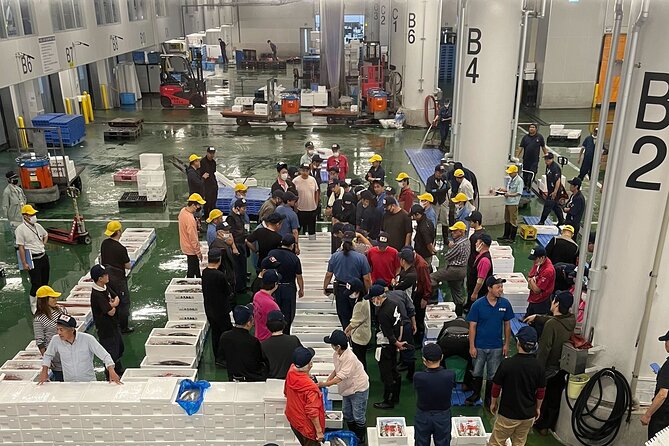
The fish bidding part is the star, but you do not need insider knowledge to enjoy it. The key is paying attention to the rhythm the guide puts into context.
I like the way a good market guide turns the scene into something you can follow. With English-speaking guidance, you can connect what you see, like people gathering and negotiating, to why it is happening right then. You also get the chance to ask questions instead of guessing.
From the feedback tied to this tour, guide Kats is noted for clear, easy-to-understand English and for responding to questions directly. That is exactly what you want here. In a working market, details matter. If you can ask what something means or how the process works, the whole experience becomes more than a photo stop.
A quick practical tip: bring cash if you want flexibility around the rest of your morning. The tour includes breakfast, but personal expenses are not included. Having cash on hand helps if you decide you want a snack or a drink before or after the scheduled time.
Also, plan your camera strategy. You may not have the freedom to stop for long. If you are filming, consider steady, short clips instead of long takes. You will capture the action without blocking others or getting in the way.
Murakami Shokudo breakfast: why the food stop matters
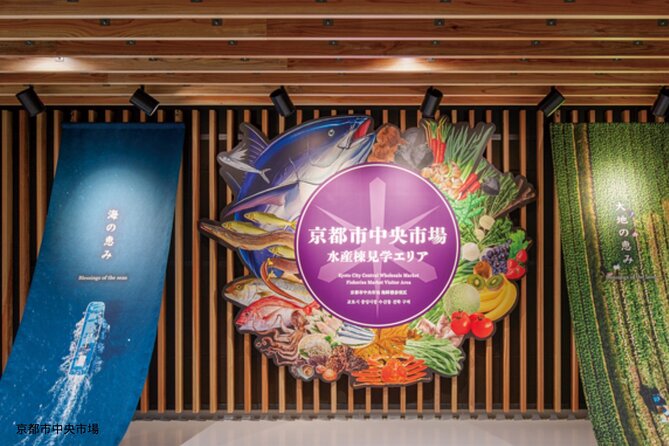
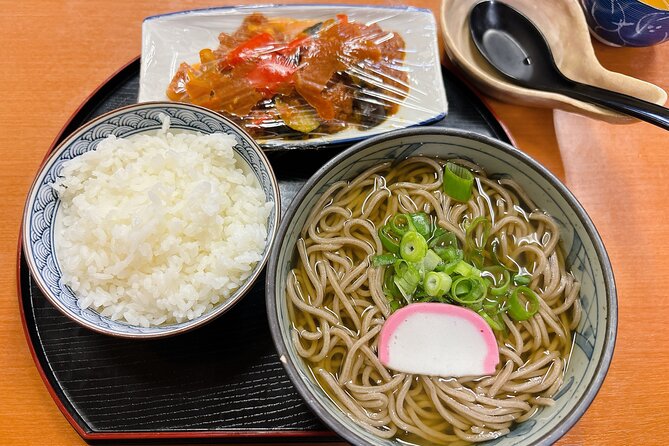
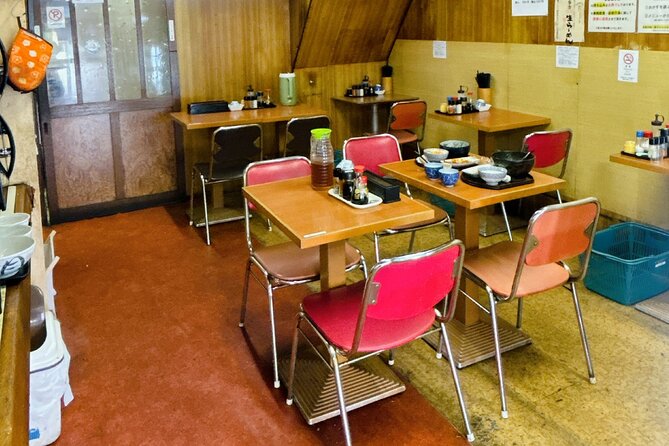
After the market, you head to 村上食堂 (Murakami Shokudo) for breakfast, with a scheduled stop of about 40 minutes. This is not an optional add-on. Breakfast is included, and it is the bridge between the morning’s seafood trading and your own Kyoto eating experience.
This meal is described as a traditional Japanese breakfast, made with locally-sourced ingredients. That framing matters. You are not just eating because it is time to eat. You are eating because it connects back to what the market supplies and how Kyoto approaches food: straightforward, ingredient-forward, and built for the day.
I also appreciate the pacing. 40 minutes is enough time to eat without turning breakfast into a second tour. It is a reset. Your feet get a breather, your head cools down, and you get to enjoy something Kyoto at kitchen-table level, not just market-level visuals.
If you are worried you will feel rushed, do not overthink it. You are in a schedule that fits a 2-hour tour overall. The guide’s job is to keep you moving at the right times, so you can focus on eating and not on timing every step yourself.
What the English-speaking guide changes for you
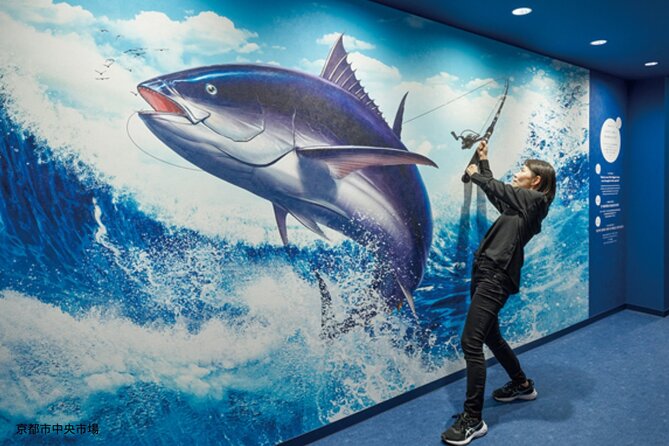
A marketplace tour lives or dies on interpretation. Without it, you might see people and fish and still leave with a vague feeling of, interesting, but what did I learn?
With this tour, the guide is English-speaking and designed to add local insight. The result is that you understand more of the “why” behind the “what.” Even simple answers help, like what you are looking at during bidding or how the market energy flows through the space.
In the experience notes, Kats stands out for patient explanations and very clear English. That kind of guide quality is not just comfort, it is value. You get more meaning per minute, and you do not waste time trying to translate the scene in your head.
Small group size also helps here. Limited to 9 participants, you are not competing with a big crowd for attention. That makes it easier to get answers and easier to see what is in front of you.
If you like practical travel moments, this is the kind of tour where your guide turns your camera roll into a story you understand, not just a pile of pictures.
Pottery, paper, and tea to bring home
Price and value: what $41 buys in real terms
The price is listed at $41 per person for 2 hours. On paper, that seems straightforward. In reality, the value comes from what is included versus what you would otherwise pay to access the experience.
You get:
- An English-speaking guide
- Entry to the Kyoto City Central Wholesale Market
- Breakfast at 村上食堂
When a tour includes both the entry and a meal, it often costs you less than piecing it together on your own, especially if you would have needed a guide to navigate the market at opening hours. Market timing is not forgiving. You cannot casually wander in whenever you feel like it and still see the same bidding activity.
Also, small group tours usually cost more than generic city walks, but here it is limited to 9 participants. For me, that helps justify the price because it improves your viewing experience and the chance to ask questions.
The one extra cost to think about is personal spending. If you plan to buy snacks or drinks beyond the included breakfast, you will want cash and a little buffer.
If you are the type of traveler who likes Kyoto beyond temples, this price can be a bargain because the experience is different from what most people do in Kyoto mornings.
Your 2-hour flow: from market to a finished morning
This is a short tour by design. It starts at Umekōji-Kyōtonishi Station, spends 1.5 hours in the market, then shifts to breakfast at 村上食堂 for about 40 minutes, finishing at Tambaguchi Station.
That schedule is perfect if you want something memorable but you still want to keep your day open for other sights. You also avoid a half-day commitment. Two hours goes fast, especially once the market energy grabs your attention.
The finish at Tambaguchi Station is useful because it gives you an easy jump point. From there, you can connect to your next Kyoto plan without backtracking to the original station.
Just keep your expectations grounded. This is a walking tour, and it is early. Wear shoes you already trust. Bring a camera if you want photos, and bring cash. Those three things will save you stress and help you enjoy the experience at full attention.
Who should book this Kyoto fish market walking tour
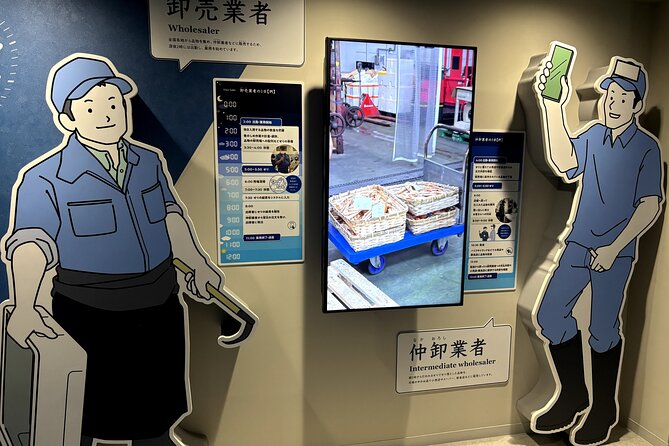
This tour is a strong match if you:
- Want Kyoto food culture that is practical and real, not just restaurant meals
- Like early starts and morning atmosphere
- Enjoy watching everyday work rather than only polished tourist scenes
- Want English explanations so you can understand what you are seeing
It is also a good choice if you travel in a small group or solo and you like the idea of joining a group limited to 9 people. The structure makes it easier to keep up and easier to ask questions.
You might skip it if you do not do mornings well, or if you hate walking and standing in crowded spaces. Early morning is part of the point here, and the fish bidding experience depends on punctuality.
Practical tips to enjoy it more
Bring comfortable shoes. Market floors can be uneven and you will be on your feet. This is not the time for fashion sneakers that look good but feel bad after 10 minutes.
Bring a camera if you want to capture the market scene. Just be mindful of where you place yourself, since you will be working around other people moving through the same space.
Bring cash. The tour includes breakfast, but you may want extras before or after the scheduled meal. Having cash on hand keeps you from making decisions based on convenience alone.
Finally, treat the meeting point like it matters because it does. Umekōji-Kyōtonishi Station main gate is your starting line. Get there on time so you experience the fish bidding portion fully.
Should you book this tour or skip it?
I think you should book if you want Kyoto that goes beyond postcards and into how food actually arrives in the city. The fish bidding is the centerpiece, the English-speaking guide helps you understand it, and the included breakfast at 村上食堂 gives the morning a satisfying end.
Skip it if early mornings grind your gears, or if you prefer slower, purely sightseeing-style tours. This one has a purpose and a pace.
If you can handle an early start, this is a smart way to spend a morning in Kyoto, especially for food-minded travelers who like to learn while they walk.
FAQ
How long is the Kyoto wholesale fish market walking tour?
It lasts about 2 hours total.
Where do you meet the guide?
You meet at the JR Umekōji-Kyōtonishi Station main gate (梅小路京都西駅). Look for a guide wearing a TripGuru shirt or holding a TripGuru sign.
What is included in the price?
The tour includes an English-speaking guide, entry to the Kyoto City Central Wholesale Market, and breakfast.
Where does the tour finish?
It finishes at Tambaguchi Station.
Is it a small group tour?
Yes. The group is limited to 9 participants.
What should I bring?
Wear comfortable shoes and bring a camera and cash. The tour also relies on punctuality because it involves early morning activities.
More Walking Tours in Kyoto
New This Season
- Koyasan Day Trip by Private Car from Kyoto
- Old Port Town and Ultimate Sake Tasting Private Tour From Kyoto
- Kyoto’s Timeless Charm: 3hr Exploration of History and Peace
- Kyoto: 5 Types of Sushi Making
- Sacred Peak & Ancient Paths: Kurama-Kibune Hiking Experience
- Kyoto: Exclusive ZEN practice at Manpukuji temple in Uji
- Kyoto: Private Seasonal Aroma Yoga Class
- Traversing Kyoto’s Scenic West – Arashiyama to Kinkakuji
Walking Tours, compared.
Kyoto Geisha Walking Tour: Gion District & Hidden Gems
Read our review →
Gion Magical Night Walking Tour with Geisha Trivia
Read our review →
Gion Geisha District Walking Tour – Stories of Geisha
Read our review →
Kyoto Gion Geisha District Walking Tour – The Stories of Geisha
Read our review →
Nishiki Market Brunch Walking Tour (7 Tastings + Brunch)
Read our review →
Kyoto Arashiyama Walking Tour: Bamboo, Monkeys, Gardens & Secrets
Read our review →
Kyoto Gion: 2-Hour Geisha Culture & History Walking Tour
Read our review →Also filed under