Reviewed · KIYOMIZU-DERA TEMPLE VISITS
Origami Workshop Near Kiyomizu Dera Temple in Kyoto
Origami in Kyoto feels oddly calming. In a small English workshop near Kiyomizu Dera, you get patient, step-by-step instruction to fold classic designs without needing any experience.
I love that you can actually choose your own colors and patterns, so the finished pieces feel personal, not copied. I also really like how the teachers keep things slow and clear, especially if you are a beginner.
The only catch is time: the session is about one hour, so you will focus on a handful of models, not make a huge set of origami. Still, that’s exactly why it’s a great fit when you want real hands-on culture in a tight Kyoto schedule.
In This Review
- Key highlights you will care about
- Where You Start: Ichinenzaka Cafe362 Near Kiyomizu Dera
- The Workshop Flow: What Happens During the One Hour
- Folding Cranes and the Meaning You Can Actually Use
- Samurais, Photos, and Why Helmets Are Beginner-Friendly
- Frogs and Seasonal Themes: Variety Without the Headache
- Picking Colors and Patterns: Your Personal Kyoto Moment
- Take Home Your Origami in a Mini Envelope
- What the Private Class Really Changes for You
- Price and Value: Is $19.51 Worth It?
- Timing Tips for a Smooth Kyoto Day
- Practical Stuff: Mobile Ticket and Confirmation
- Who Should Book This Origami Workshop?
- Should You Book It?
- FAQ
- Where is the meeting point for the origami workshop?
- How long does the workshop take?
- Is instruction offered in English?
- Do I need prior origami experience?
- What origami designs will we make?
- Is this activity private?
- What is included in the experience?
- What is the price and is there a cancellation window?
Key highlights you will care about
- English-friendly guidance that works even if you have never folded paper before
- Patient, talented instructors, with clear step-by-step coaching
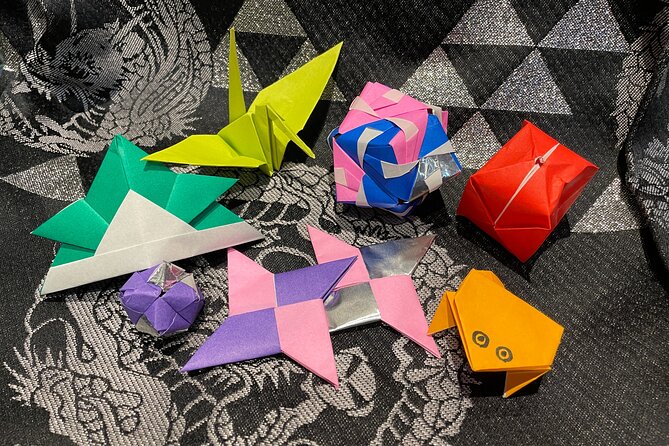
- Classic designs like cranes, frogs, and a samurai helmet, plus seasonal themes
- Color and pattern choice, so your creations look like you made them
- Take-home presentation in a mini envelope made from traditional paper
- Private setting for your group, so you are not crammed into a crowded classroom
Where You Start: Ichinenzaka Cafe362 Near Kiyomizu Dera

You meet at 一念坂 362 Cafe362-3 in Higashiyama Ward. If you are already doing Kyoto’s east-side sights, this puts you close to the action without feeling like you are rushing across the city. It also helps that it is near public transportation, so you can plan it around temple time and dinner time instead of rearranging your whole day.
This location matters because origami workshops go best when you are not stressed. The vibe here is more workshop than performance. You show up, sit down, and focus on folding, not on hunting for a hard-to-find address.
The Workshop Flow: What Happens During the One Hour
The session runs about one hour and ends back at the meeting point. It is a private activity, meaning only your group participates, which makes a big difference if you are traveling with kids or just want a calmer pace.
You start with a staff member introducing the basics. That includes the tools you will use and the types of traditional origami patterns you will work on. Then you choose your favorite colors and patterns, so you are not stuck with whatever paper is left on the table.
After that comes the main event: folding several classic designs. The workshop includes popular themes like a crane, frogs, warrior-style figures such as a samurai helmet, and seasonal themes. You get guidance step by step, so you can follow along even if your only experience with paper art is school projects from years ago.
The wooden stage above the hillside
- Kyoto: Tea Ceremony in a Traditional Tea House in Kiyomizu
★ 4.9 · 3,519 reviews - Kyoto: Nijo Castle, Kiyomizu & Fushimi Inari Guided Tour
★ 4.7 · 700 reviews - Kyoto: Nijo, Kinkaku-ji, Arashiyama, Kiyomizu & Fushimi Inari
★ 5.0 · 699 reviews - Kyoto Tea Ceremony & Kiyomizu-dera Temple Walking Tour
★ 5.0 · 115 reviews
Folding Cranes and the Meaning You Can Actually Use
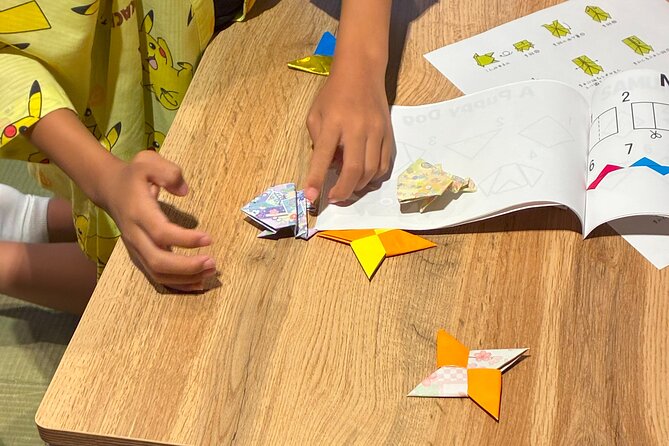
The crane is one of the classic designs for a reason. It is recognizable, it teaches you useful folding logic, and it looks great when you finish. In a short class, the crane is also a smart choice because it gives you momentum early in the session.
You will fold it with instructor guidance, and the teachers keep the steps clear. The crane also has a built-in story, connected to peace and good fortune. You can treat that as a nice cultural touch, not a heavy assignment. You just want to end up with a crane that looks like a crane, and you want to know what makes it special.
Samurais, Photos, and Why Helmets Are Beginner-Friendly

You will also make a samurai helmet style design, and the class builds it for both kids and photo moments. That means the shape is visually fun and dramatic enough that even beginners get a satisfying result.
Helmets are a clever teaching tool in a workshop like this. They help you practice folds that create structure, not just flat shapes. And because the design is recognizable, you get quick feedback from the final look.
You can use the finished helmet as a playful souvenir. It works well in photos because it is sculptural compared with flatter models. If you like your Kyoto memories to look different from the standard keychain, this design helps.
Frogs and Seasonal Themes: Variety Without the Headache
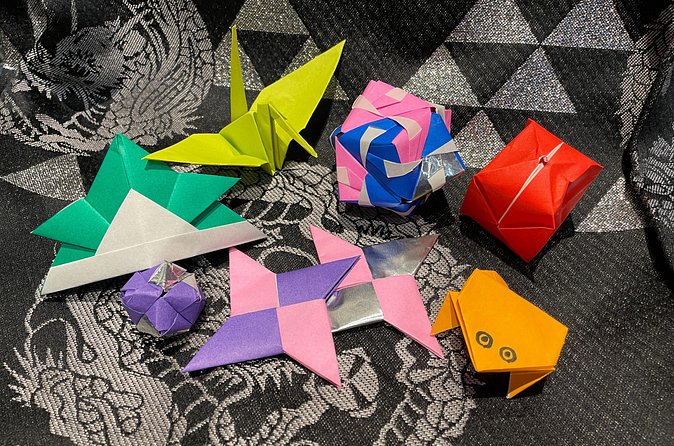
Beyond cranes and helmets, the workshop includes frogs and seasonal themes. This matters because it keeps the class from becoming repetitive. You can try different types of folds, and you also get visual variety in your take-home set.
Seasonal themes are especially good in Kyoto. The city is all about timing, weather, and what feels current, even if you are not doing a formal itinerary. A seasonal paper design turns your workshop into a snapshot of when you were there.
And because the class includes guided steps, you do not have to translate instructions in your head. You watch, fold, and move forward.
Picking Colors and Patterns: Your Personal Kyoto Moment

One of the most enjoyable parts is choosing your own colors and patterns. That sounds like a small detail, but it changes the whole experience. If you already know you like certain shades, you can match the paper to your outfit, your backpack, or just your mood that day.
It also means your finished origami won’t feel like a generic craft. Even if two people fold the same crane pattern, different colors and papers create two different results. This is how a simple workshop becomes something you actually want to keep.
Make something with a Kyoto craftsman

Take Home Your Origami in a Mini Envelope
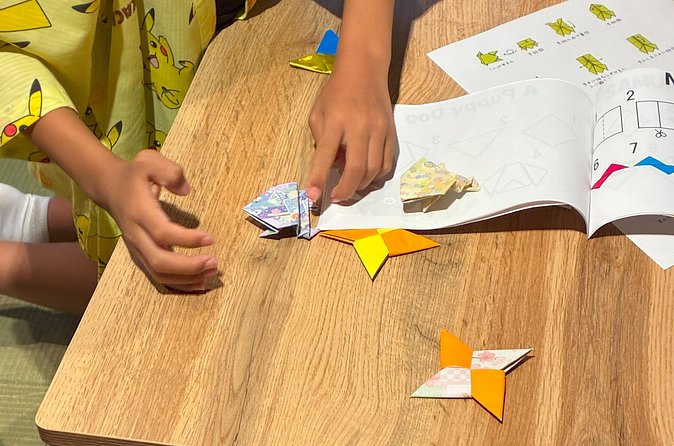
You do not just walk out with folded paper. You take your creations home in a mini envelope made from traditional paper. That is a practical touch you will appreciate later, because origami is fragile and easy to crush if it is loose in your bag.
The envelope also adds a small ceremonial feeling. You can store your pieces neatly, bring them to your hotel without stress, and gift them without improvising packaging. It’s also a nice way to keep everything together as a set, especially if you make multiple designs.
If you are the kind of person who likes to show friends what you did that day, this makes it easier. You can pull out the envelope, set it on a table, and let the designs speak for themselves.
What the Private Class Really Changes for You
Because this is a private activity, you are not competing for attention. That helps beginners most. You can ask small questions without waiting your turn, and you can move at your own pace.
The teaching style is also described as patient and careful. That translates to a real-world benefit: when instructions are slow and clear, your hands catch up to what your brain is trying to do. Origami is simple in theory, tricky in practice, so patience is not a luxury, it is the product.
This is also a good choice for families. The designs include kid-friendly elements like the samurai helmet, and the overall format works for people who want a structured activity rather than a museum-style lecture.
Price and Value: Is $19.51 Worth It?
At $19.51 per person, this is priced like a thoughtful craft experience, not a pricey tour with heavy transportation costs. You are paying for guided instruction in English, traditional origami paper, and time with teachers who help you finish pieces you can actually take home.
The best part is what you get for that money. You are not just buying a souvenir that someone else made. You are making the souvenir yourself, with tools and guidance. That creates a memory you can physically keep, and it often feels more meaningful than shopping for something ready-made.
It also makes sense as a Kyoto add-on. When you are already paying for temple admissions and meals, adding a short workshop near Kiyomizu Dera is a smart way to balance visual sightseeing with a hands-on cultural moment. You get something different without losing half your day.
Timing Tips for a Smooth Kyoto Day
Because the workshop is about one hour, plan it like you would plan a coffee break with a purpose. If you schedule it right after walking in crowded areas, you will probably find it calming, since you switch from sightseeing to sitting and folding.
It is near public transportation, so you can route it to match your day. If your feet are tired, this is a good reset. If you are traveling with kids, the clear structure helps. They know what comes next: tools, color choice, folds, and then take-home time.
Also, consider bringing a little patience for paper work. You will likely spend your first few minutes learning the folds, not finishing perfectly shaped models. That is normal. The point is progress, not perfection.
Practical Stuff: Mobile Ticket and Confirmation
You get a mobile ticket, which keeps things simple. You do not need to hunt for paper vouchers. You will also receive confirmation at the time of booking, which makes it easier to line up with your other Kyoto plans.
These details matter because Kyoto days can be unpredictable. With a mobile ticket and clear confirmation, you can keep moving through town without worrying that you missed something.
Who Should Book This Origami Workshop?
I think this workshop is best if you want a short, guided cultural activity with real outputs. It’s great for first-timers who want English instruction and classic designs like cranes, frogs, and samurai helmets.
It is also a good pick if you are traveling with kids. The teacher support plus fun, photo-friendly designs makes it easier to keep everyone engaged. You also end with something you can pack without turning your bag into a crumpled-paper disaster.
If you hate classes that feel too strict, this is probably your style. The format is relaxed and friendly, with patient coaching and lots of making-your-own choices.
Should You Book It?
If you want a Kyoto experience that is hands-on, beginner-friendly, and actually gives you something to take home, I would book it. The teaching approach is patient, and the class is structured so you do not feel lost. Plus, the take-home mini envelope is the kind of small detail that makes a craft souvenir feel finished, not temporary.
I would hesitate only if you are hoping for a long, deep origami session or a broad set of dozens of models. The session is about one hour, so you get a focused set, not an everything-you-can-fold program.
FAQ
Where is the meeting point for the origami workshop?
The meeting point is 一念坂 362 Cafe362-3, Masuyachō, Higashiyama Ward, Kyoto, 605-0826, Japan.
How long does the workshop take?
The workshop lasts about 1 hour.
Is instruction offered in English?
Yes, the class is offered in English.
Do I need prior origami experience?
No. The workshop is designed for beginners and you do not need prior experience.
What origami designs will we make?
You can expect to learn classic designs such as cranes, frogs, and warrior-style designs including a samurai helmet, plus seasonal themes.
Is this activity private?
Yes, it is a private tour or activity, and only your group will participate.
What is included in the experience?
Japanese origami paper is included.
What is the price and is there a cancellation window?
The price is $19.51 per person. You can cancel for a full refund up to 24 hours in advance of the experience start time.
More Workshops in Kyoto


Temples and Shrines

New This Season
- Koyasan Day Trip by Private Car from Kyoto
- Old Port Town and Ultimate Sake Tasting Private Tour From Kyoto
- Kyoto’s Timeless Charm: 3hr Exploration of History and Peace
- Kyoto: 5 Types of Sushi Making
- Sacred Peak & Ancient Paths: Kurama-Kibune Hiking Experience
- Kyoto: Exclusive ZEN practice at Manpukuji temple in Uji
- Traversing Kyoto’s Scenic West – Arashiyama to Kinkakuji
- Kyoto: Private Seasonal Aroma Yoga Class
Kiyomizu-dera Temple Visits, compared.
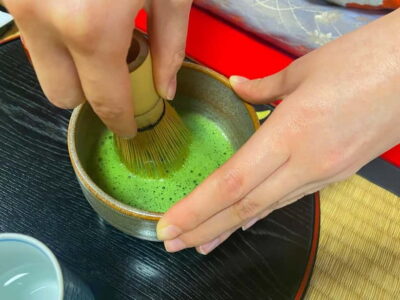
Tea Ceremony in a Traditional Tea House in Kiyomizu
Read our review →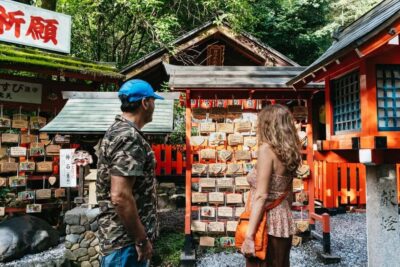
Nijo Castle, Kiyomizu & Fushimi Inari Guided Tour
Read our review →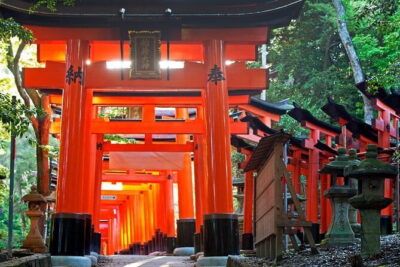
Nijo, Kinkaku-ji, Arashiyama, Kiyomizu & Fushimi Inari
Read our review →
Kyoto Tea Ceremony & Kiyomizu-dera Temple Walking Tour
Read our review →
Kyoto Kiyomizu Tea Ceremony with Scenic Garden Views
Read our review →
Kimono/Yukata Rental 5 Minute from Kiyomizu-dera
Read our review →
Kyoto Gion Kiyomizudera Kimono Yukata Hairstyle | Photoshoot
Read our review →