Reviewed · ARTISAN CRAFT WORKSHOPS
The Way of Tea: Kyoto Crafts, Hidden Temples & Wabi-Sabi Walk
Kyoto tea feels different when you walk into it. This 3.5 hour small-group tour pairs temple visits with matcha culture so the day makes sense instead of feeling like random stops.
I like how the plan is simple and guided. You skip the map headache, and you also get a local’s explanations while you’re actually there in Gion and Higashiyama.
One thing to consider, especially if you’re picky about audio, is that guide communication can vary. If you’re right at the back, you may miss details, so aim to stand where you can hear.
In This Review
- Key things that make this tour worth your time
- Why this Kyoto tea-and-temple route works in real life
- Meeting point in Gion: get positioned early and you’ll glide
- Stop 1 in Gion: learning how matcha and tea connect to daily life
- Kennin-ji Temple: a centuries-old setting with a guide’s context
- Craft shops and Kyoto street culture: small stops, useful contrasts
- Hidden temple and garden plus wabi-sabi ideas you can actually use
- Tea ceremony at Chayu: the real reason this tour ends where it does
- Price and value: why $94.45 can make sense for this specific combo
- Group size, timing, and the one downside to watch for
- Who should book this tour, and who might prefer something else
- Should you book The Way of Tea: Kyoto Crafts, Hidden Temples & Wabi-Sabi Walk?
- FAQ
- Where is the meeting point for this tour?
- How long is the tour and what is the group size?
- What is included in the price?
- Are temple admissions included?
- What happens during the tea ceremony, and is there an age requirement?
- Do I need to bring anything, like cash for tickets?
- What if the weather is bad?
Key things that make this tour worth your time
- Gion tea history first, including a stop at a well-known matcha shop
- Kennin-ji Temple plus another temple and garden, with admission handled
- Raku teacup and ceramics focus, including how each tea bowl has its own character
- Tea ceremony instruction from a tea master in a real Japanese house
- Small group size (max 7), so you can ask questions without shouting
- Photos taken during the tour, so you’re not stuck with only blurry selfies
Why this Kyoto tea-and-temple route works in real life
This tour is built for people who want meaning, not just sightseeing boxes. Instead of running between temples on your own, you follow a guide through the streets of Gion, then into the quieter, older Kyoto feel around the temples and gardens. The payoff is that the tea ceremony at the end doesn’t feel random. You’ve already picked up the mindset behind it, including wabi-sabi ideas.
The pace is also realistic. You get short, focused time blocks at each stop, plus a long enough ending ceremony to actually learn something and not just watch people sip tea like it’s a museum exhibit.
The best part is value in the practical sense. Your ticket covers guide time, temple admissions for two temple stops, and the tea ceremony experience. If you’ve ever priced out Kyoto tea ceremonies plus temple entry separately, this kind of bundled flow usually saves both money and decision stress.
Meeting point in Gion: get positioned early and you’ll glide
You start in Gion, in front of the Statue of Izumo-no-Okuni, right outside Exit 5 of Gion Shijo Station on the Keihan Line. The guide holds an orange signboard reading Magical Trip Tour, which makes it much easier than playing meet-up roulette.
This matters more than it sounds. Kyoto streets can look easy on a map and still feel chaotic when you add crowds. Starting with a clear visual cue helps you get your bearings fast, and it keeps the group moving on time.
Plan to arrive a bit early, because the tour starts on schedule. If you’re late and miss the group, you won’t be able to join and you won’t get a refund or reschedule. In other words, show up on time, relax, then let the guide do the work.
Make something with a Kyoto craftsman
- Authentic knife making experience at a blacksmith in Kyoto
★ 4.8 · 350 reviews - Kyoto: Calligraphy class at Buddhist temple in city center
★ 5.0 · 167 reviews - Roketsu dyeing experience: M course Roketsu Dyeing Experience
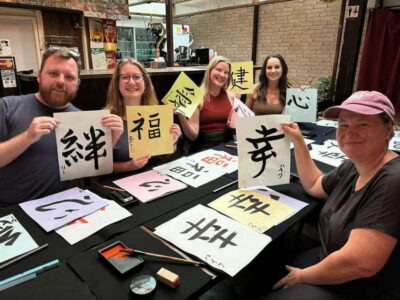
★ 5.0 · 163 reviews - Kyoto: Japanese Calligraphy Class
★ 4.8 · 89 reviews
Stop 1 in Gion: learning how matcha and tea connect to daily life
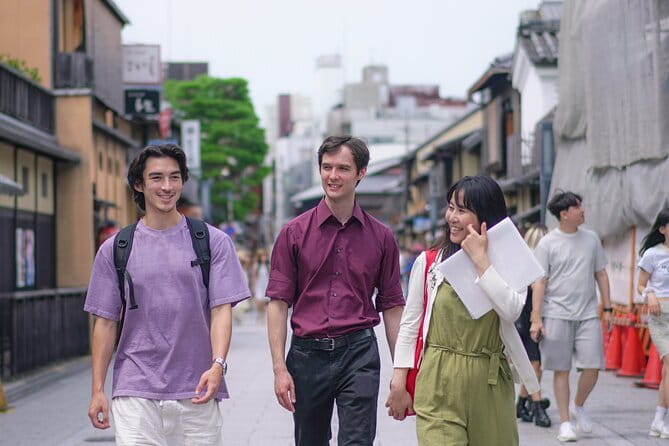
The first real stop takes you into Gion, one of Kyoto’s most recognizable neighborhoods. But you’re not just taking photos in the famous streets. You’re there to learn about Japanese tea history and how tea is made, with a walk that makes the culture feel more human and less ceremonial.
You also visit a matcha shop where you can see how matcha fits into the local tea world. Even if you think you already know matcha, this is a good moment to reset your assumptions. You get context on what matcha is and why it matters, then you’ll carry that into the next temple and garden experiences.
Time here is about 30 minutes. It’s short on purpose, so you don’t get stuck waiting or over-shopping. If you love a lot of browsing, you might want to add a little extra free time later, but for a guided combo tour, this stop has the right length.
Kennin-ji Temple: a centuries-old setting with a guide’s context
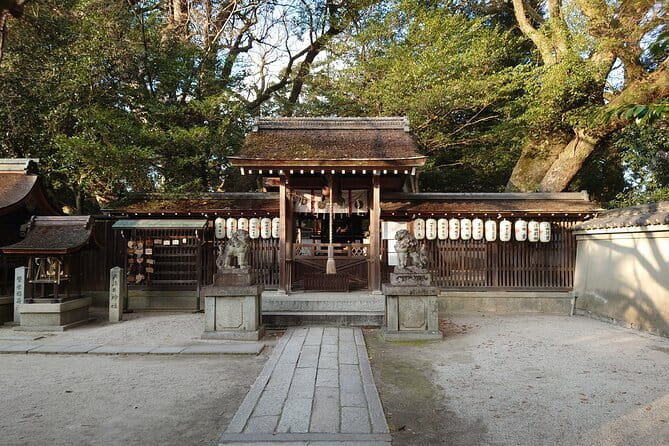
Next up is Kennin-ji Temple, another stop that is handled smoothly with admission included. Kennin-ji has a long-standing presence, and the point of bringing a guide is not to turn it into a lecture. It’s to help you notice the details you might otherwise miss when you’re reading everything at your own pace.
This stop is also about 30 minutes. That means you can look around without feeling rushed, but you should come ready to slow down for a bit. Temples in Kyoto often reward quiet attention: how spaces are arranged, what’s preserved, and how people move through the grounds.
If you’re the type who likes asking questions, this is the moment to use it. A good guide can connect temple design and tea culture through the ideas of refinement, patience, and restraint. Even if you’re not into architecture, you’ll probably leave with a better sense of why Kyoto tea traditions feel tied to place.
Craft shops and Kyoto street culture: small stops, useful contrasts
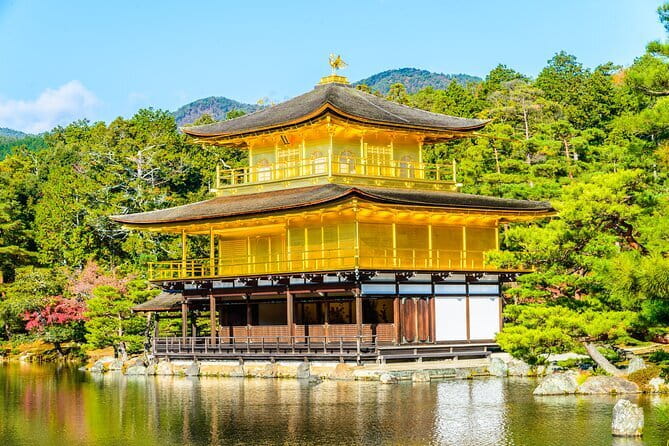
After Kennin-ji, the tour shifts into craft and shopping time in two separate blocks (each about 30 minutes). These are listed as craft shops in Kyoto Prefecture, and the main benefit is that you’re not only learning about tea, you’re seeing the objects tea is served with.
Craft stops work well on a combo tour because they connect the dots. Tea culture is not just about the cup and the powder. It’s also about everyday materials, tools, and aesthetics. When you see ceramics and tea-related items in person, you understand why the ceremony cares about form and condition.
One of the most memorable parts here is the focus on tea bowls, especially the raku teacup. The guide shares how each cup has its own personality, history, and meaning. That might sound poetic, but it’s practical. It’s the reason wabi-sabi matters, and it changes how you look at flaws and unevenness instead of treating them as defects.
A quick heads up: since these are shop stops, you might see items you want to buy. The tour does not mention extra purchases as included, and food and drinks are not included either. If you’re budget-minded, just enjoy the learning portion and decide on shopping later.
Hidden temple and garden plus wabi-sabi ideas you can actually use
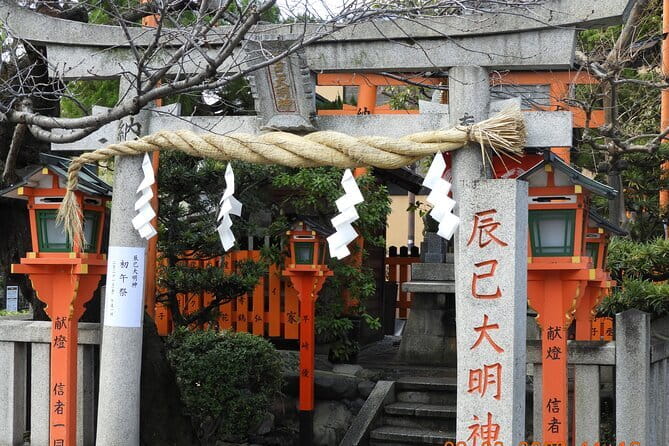
One of the more interesting parts of this itinerary is the hidden temple and garden stop. You’ll get a chance to step into a quieter space and slow your pace down again, which is a nice contrast after Gion’s energy and after the shop areas.
This stop also ties directly into what happens at the tea ceremony. You’re meant to notice wabi-sabi ideas during the walk, and then use those ideas during the tea-making experience.
Wabi-sabi can sound like a big abstract word, but on the ground it’s easier to understand. It’s about accepting imperfection, noticing textures, and valuing simple materials for what they are. A garden stop is perfect for this, because plants, stones, and water features naturally teach the lesson without needing a translation.
Time is around 30 minutes, so don’t plan to treat it like a standalone temple visit. Think of it as a guided intermission where you learn how to look, then carry that into the ceremony at the end.
More rooftops worth a detour

Tea ceremony at Chayu: the real reason this tour ends where it does
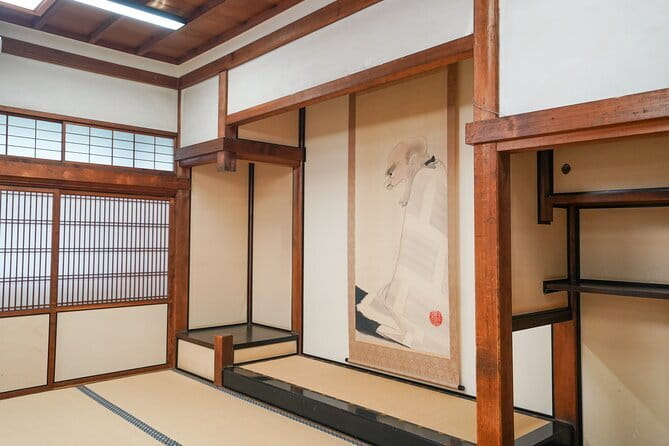
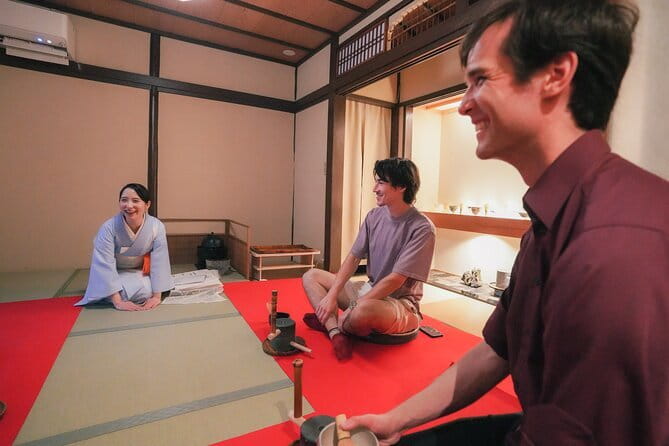
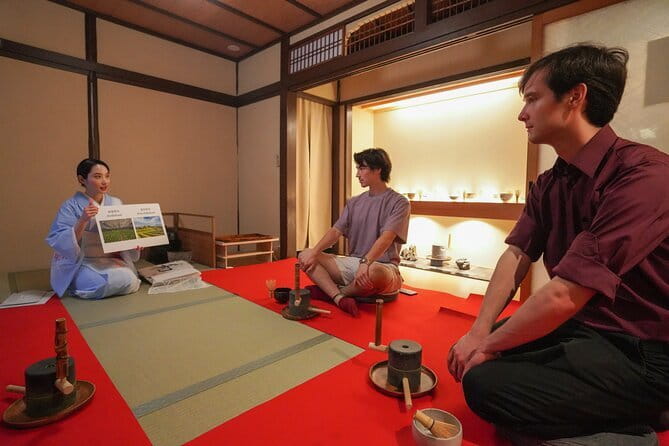
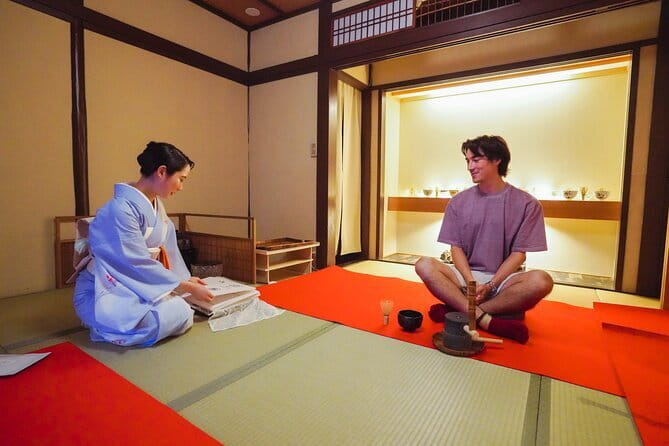
The tour culminates at a tea ceremony experience in a real tea house, listed as Tea Ceremony Chayu. This is about one hour, and it’s a hands-on experience with tea master instruction.
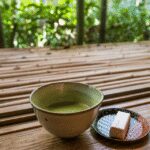
If you’re curious about how tea ceremonies work, this is the part that turns interest into understanding. You’ll drink matcha (green tea), and you’ll get guidance on how the ceremony is performed. The timing is long enough that it doesn’t feel like a quick performance for tourists. You’re learning the steps and the mindset behind them.
What I like about this ending is the connection to the walk. You’ll use what you learned about wabi-sabi to experience the ceremony. So when the tea bowl or setting looks different than what you expect, you have a lens for seeing why it matters.
Age note: the tea ceremony experience can only accommodate people who are 6 years old and older. Children younger than that can be brought, but one adult needs to accompany them outside the facility during the experience. If you’re traveling with kids under 6, this is worth planning around.
Also, the tour includes photos taken during the experience. That’s a small thing, but it helps because tea ceremony moments often feel awkward to photograph. Someone else handling the camera means you can actually participate instead of worrying about angles.
Price and value: why $94.45 can make sense for this specific combo
At $94.45 per person, this is not a budget-only option. But for Kyoto, it hits a few cost centers at once: two temple admissions are included, plus the tea ceremony experience. You also get an English-speaking guide for about 3 hours 30 minutes, and photos are included.
Here’s the practical way to think about it. If you plan to do (1) temple entry, (2) a tea ceremony, and (3) want someone to connect the story between them, you’re buying guidance as much as you’re buying locations. The tour reduces the friction of timing and navigation, which is a real value in busy neighborhoods like Gion.
If you prefer to wander independently and you’re fluent enough to handle temple and ceremony logistics alone, you might spend less DIY. But if you want your day to feel coherent and low-stress, this bundled format is one of the better ways to buy that peace of mind.
Group size, timing, and the one downside to watch for
This tour caps at 7 travelers, which is why it tends to feel more like a conversation than a herd of people being moved around. Smaller groups usually mean your guide can actually answer questions and react to what you’re seeing.
The itinerary also keeps transitions manageable: short stops early in the day, then the longer tea ceremony finale. That helps if you’re tired of long days where you’re rushing from place to place.
The downside is communication. One point to consider from experience with tours like this is that hearing the guide clearly depends on where you stand and on the guide’s speaking volume. If you want full benefit, choose a spot where you can listen well, and ask questions early rather than waiting until the last minutes.
Finally, Kyoto weather can swing hard. The tour notes summer highs can reach 40°C (110°F) and winter lows can be around -5°C (20°F). The tour might also be cancelled in unsuitable weather for safety reasons. Bring water, dress for the season, and don’t assume the day will be mild.
Who should book this tour, and who might prefer something else
I’d put this tour high on the list if you:
- Want a first-timer Kyoto day that mixes iconic places with quieter corners
- Care about matcha and tea culture beyond drinking it
- Like small groups and having time for questions
- Appreciate wabi-sabi ideas shown through real objects like tea bowls, not just abstract talk
You might skip it if you:
- Want long, independent time in one temple, not short guided blocks
- Prefer to pick your own schedule and roam without structure
- Have trouble hearing spoken English in a group setting, since guide clarity matters for the learning parts
Should you book The Way of Tea: Kyoto Crafts, Hidden Temples & Wabi-Sabi Walk?
If you want a Kyoto day with a clear thread, I think this is a smart booking. You get Gion matcha culture, Kennin-ji Temple, a second temple and garden experience, craft-focused ceramics learning, and a tea ceremony with a tea master in a real tea house. It’s the kind of tour where the ending makes sense because you’ve already been coached to look differently.
Book it if you like guided coherence and you want your tea ceremony to feel meaningful. Skip it if you’re mostly after free time and self-guided wandering, or if hearing the guide clearly is a deal-breaker for you.
FAQ
Where is the meeting point for this tour?
The tour starts in front of the Statue of Izumo-no-Okuni, right outside Exit 5 of Gion Shijo Station (Keihan Line). The guide will be holding an orange signboard reading Magical Trip Tour.
How long is the tour and what is the group size?
The tour lasts about 3 hours 30 minutes. It has a maximum group size of 7 travelers.
What is included in the price?
The price includes a 3 hours with a local English-speaking guide, entrance fees of 2 temples, a tea ceremony experience where you drink matcha, and photos taken during the tour.
Are temple admissions included?
Yes. Entrance fees of 2 temples are included in the tour.
What happens during the tea ceremony, and is there an age requirement?
You end with a tea-making experience in a real tea house with tea master instruction, and you’ll drink matcha. The tea ceremony experience can only accommodate guests who are and older than 6 years old. Children under 6 may attend with an adult who stays outside the facility during the experience.
Do I need to bring anything, like cash for tickets?
You receive a mobile ticket. The tour includes temple admissions and the tea ceremony admission, so you do not need extra payment for those parts, though additional food and drinks are not included.
What if the weather is bad?
Japan’s climate can be extreme, and the tour notes that it might be cancelled in unsuitable weather for safety reasons. Dress for the conditions, and plan for the possibility of changes if conditions are unsafe.
More Walking Tours in Kyoto
New This Season
- Koyasan Day Trip by Private Car from Kyoto
- Old Port Town and Ultimate Sake Tasting Private Tour From Kyoto
- Kyoto’s Timeless Charm: 3hr Exploration of History and Peace
- Kyoto: 5 Types of Sushi Making
- Sacred Peak & Ancient Paths: Kurama-Kibune Hiking Experience
- Kyoto: Exclusive ZEN practice at Manpukuji temple in Uji
- Kyoto: Private Seasonal Aroma Yoga Class
- Traversing Kyoto’s Scenic West – Arashiyama to Kinkakuji
Artisan Craft Workshops, compared.
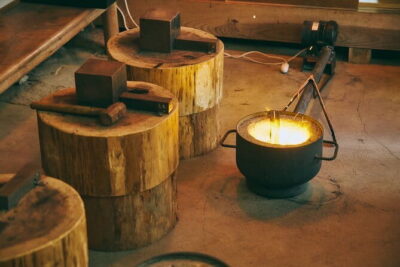
Authentic knife making experience at a blacksmith in Kyoto
Read our review →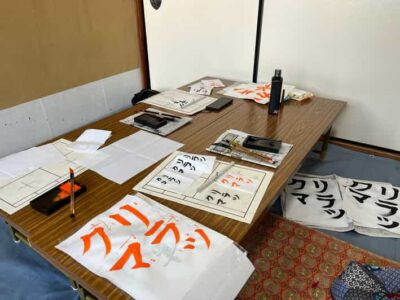
Calligraphy class at Buddhist temple in city center
Read our review →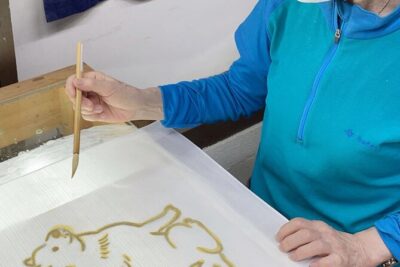
Roketsu dyeing experience: M course Roketsu Dyeing Experience
Read our review →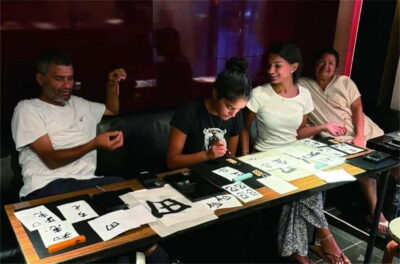

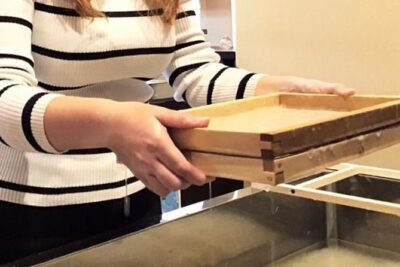
Traditional Japanese Washi Papermaking- Kyoto morning
Read our review →