
Reviewed · TEA CEREMONIES
Authentic Tea Ceremony & Sushi in The Museum of Kyoto
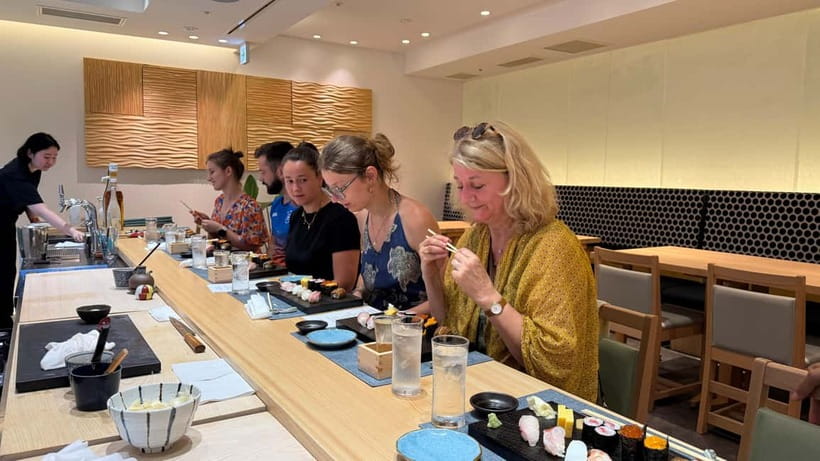
Sushi first, silence after, in Kyoto. This experience pairs master-chef sushi made right in front of you with an authentic chanoyu-style tea ceremony, where you whisk matcha and savor it with Kyoto sweets in calm, Edo-era surroundings.
I especially like the contrast here, showy knife work up front, then slow focus with tea. The other big win is the way the matcha is treated as the star, including a premium rare matcha that tastes different from the typical stuff you may have had.
One possible consideration: this isn’t a fit for everyone. It is not suitable for vegans or vegetarians, and it is also not recommended for children under 10 or people over 95.
In This Review
- Key highlights you’ll feel right away
- A museum setting for Kyoto’s food and tea rituals
- Master-chef sushi at the perfect moment (11:00 vs 13:30)
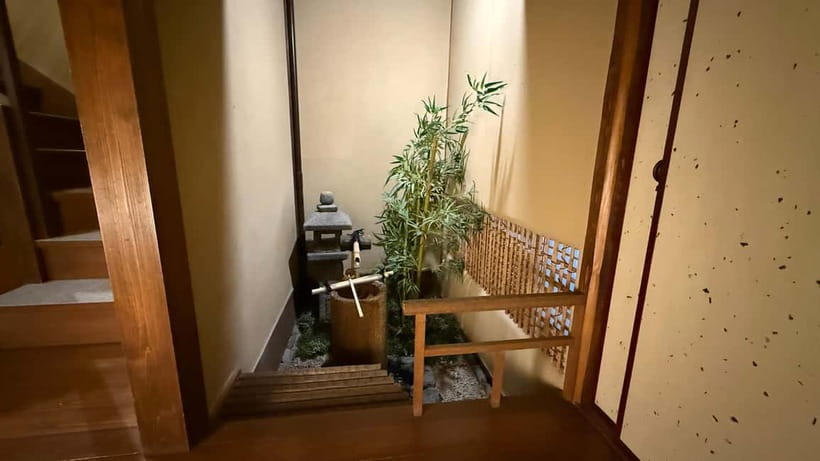
- Entering the Edo-period tea house and miniature garden
- Chanoyu basics: utensils, culture, and your guided matcha whisk
- Kyoto sweets and matcha pairing that actually makes sense
- The haori touch: why dressing like a local matters
- Price and value: what you get for $133
- Who should book this Kyoto sushi and tea ceremony combo
- Before you go: practical tips that help the experience land
- Should you book it?
- FAQ
- Where is the experience located?
- What time sessions are available?
- When is the sushi served in each session?
- What is included in the tea ceremony?
- What languages are offered?
- Who is the experience not suitable for?
- What should I do if I have allergies?
Key highlights you’ll feel right away
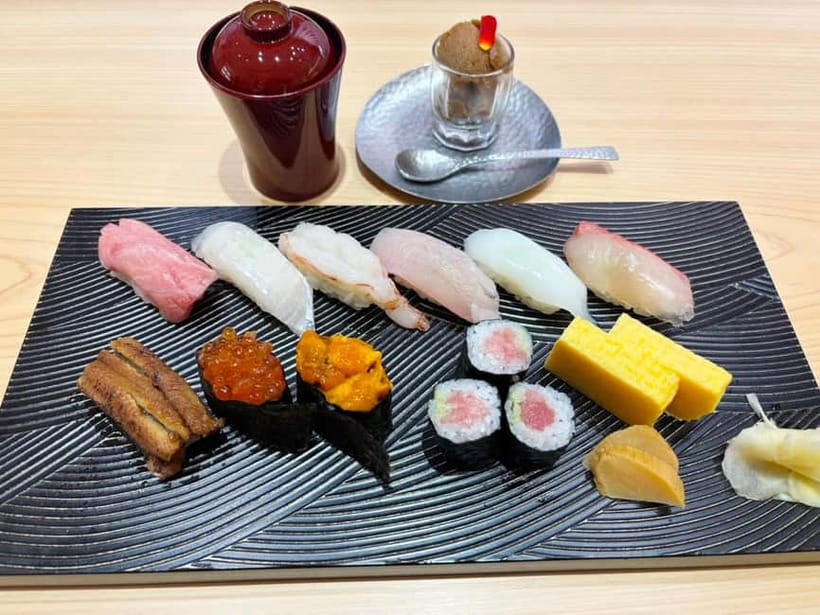
- Sushi prepared in front of you by a chef with years of training
- A real tea ceremony rhythm, including a guided explanation of chanoyu tools and culture
- Premium rare matcha that you whisk yourself, paired with Kyoto sweets
- An Edo-period style setting in a traditional Japanese house below the museum
- A garden view in a carefully designed miniature space
- Traditional haori dressing that makes the whole moment feel more like a ritual
A museum setting for Kyoto’s food and tea rituals
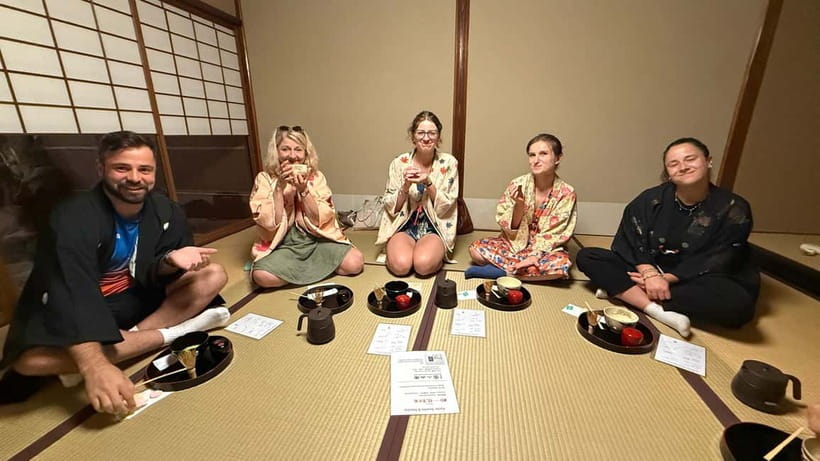
Kyoto is great at mixing the practical with the ceremonial, and this is one of those experiences that does it naturally. You start in a sushi restaurant inside The Museum of Kyoto, then move into a quiet traditional space for tea. The vibe is not showy, it is controlled, calm, and focused on correct manners and attention.
What makes it interesting is the pairing. Sushi and tea can sound like a random combo, but here they work because both are about precision. One sharpens your attention with flavor and texture, the other slows everything down so matcha tastes clearer and sweeter.
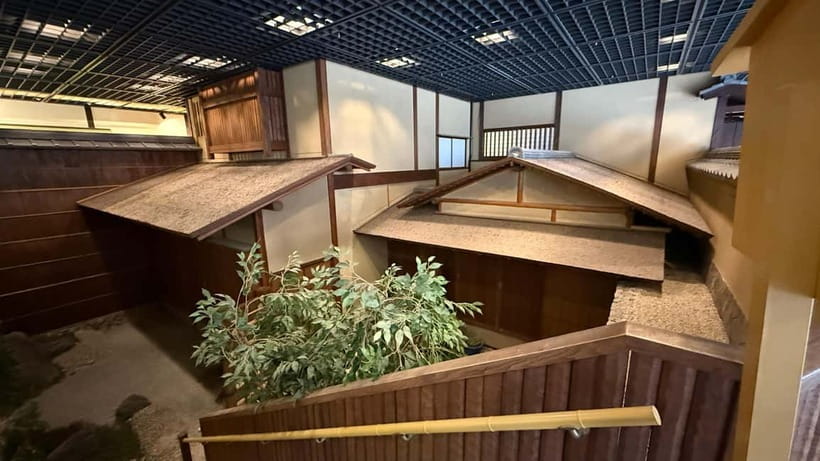
The setting matters too. You’ll be led to a traditional Japanese house on the basement floor with views of a meticulously designed garden. That design choice helps you switch gears fast, so the tea ceremony does not feel like an add-on after dinner plans.
Master-chef sushi at the perfect moment (11:00 vs 13:30)
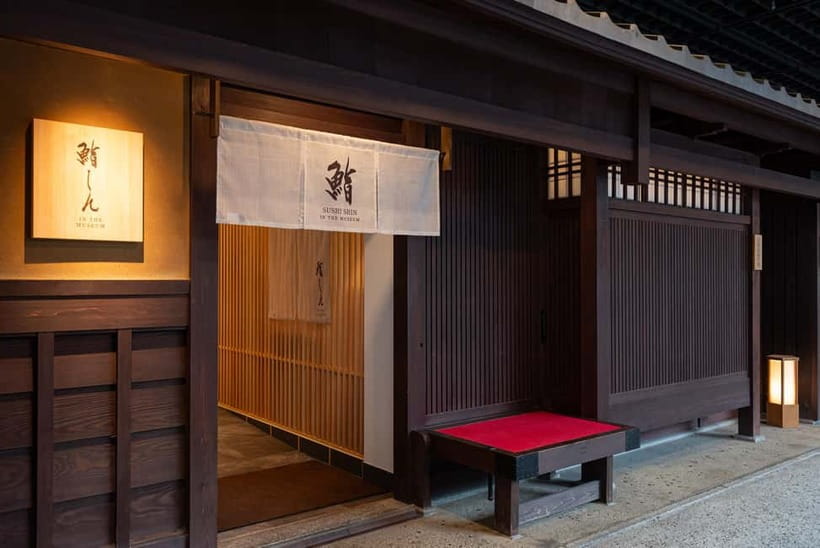
Your start point is the sushi restaurant called sushi Shin in the Museum inside The Museum of Kyoto. From there, the experience is timed around two session options, and that changes the flow.
For the 11:00 session, the sushi is served at the end of the tea experience. For the 13:30 session, the sushi is served at the beginning. Both versions are designed around the same idea: you get the tea ceremony experience as the core event, but the food timing changes how full you’ll be during the matcha part.
I like this flexibility because it lets you match the experience to your day. If you want to eat first and then settle in for tea, choose 13:30. If you prefer tea first and sushi as the finish, choose 11:00.
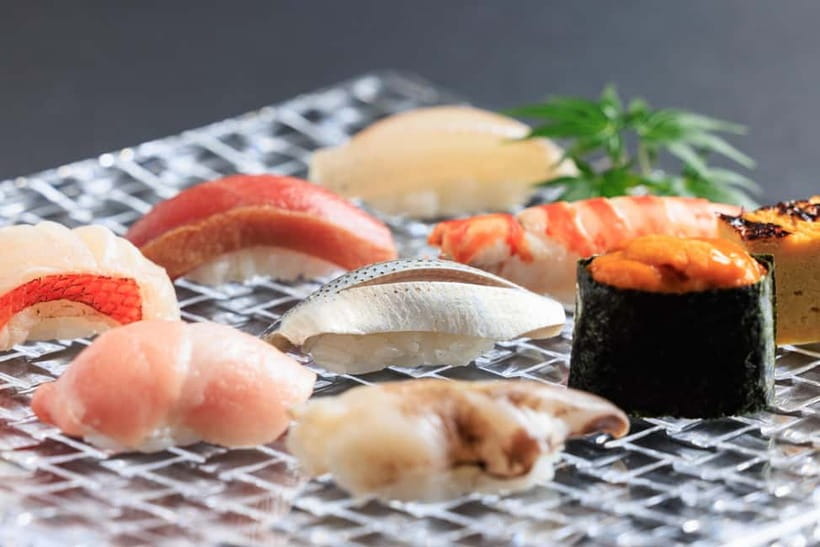
Also, the sushi portion is not generic. You’ll have exquisite sushi crafted by a skilled master chef with years of training, and you can enjoy it as part of the overall program rather than as a separate meal. If you care about freshness, this is the kind of service style where you’re watching the work and eating what’s just been prepared.
Learn to roll your own sushi
- Sushi Making in Kyoto! Same-day bookings welcome!
★ 5.0 · 713 reviews - The Original Small-Group Sushi Making Class in Kyoto
★ 5.0 · 436 reviews - Kyoto: Small-Group Authentic Sushi Making Workshop
★ 5.0 · 137 reviews - Sushi – Authentic Japanese Cooking Class – the best souvenir from Kyoto!
★ 5.0 · 93 reviews
Entering the Edo-period tea house and miniature garden
After sushi, or before it depending on your time slot, you’re guided to a traditional Japanese house on the basement floor. The goal is to place you in a specific mood, not just a room with chairs and a teapot.
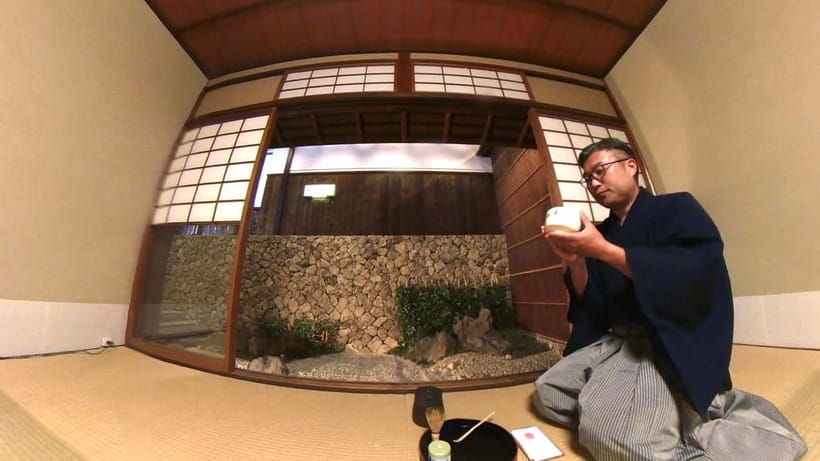
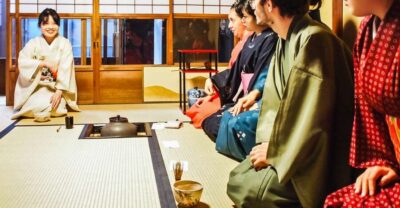
Inside, you’ll feel an Edo period atmosphere through the way the space is set up. There’s also a view of a meticulously designed garden from within the room. Even if you think of gardens as outdoors, the effect here is still strong because the design frames how you look, how you pause, and how long you can stay quiet without feeling awkward.
This is one of the parts you’ll remember later because it teaches you something subtle. Tea ceremony etiquette is partly about what you do, but it’s also about how the environment tells you to slow down. When the room is designed to support stillness, your senses cooperate.
Chanoyu basics: utensils, culture, and your guided matcha whisk
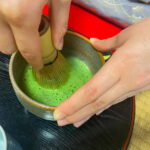
The tea ceremony includes an explanation of chanoyu history and culture, plus an introduction to the utensils used in the ceremony. That matters because matcha can taste like green powder if you treat it like a drink. With the context, you’re more likely to notice texture, bitterness, and the way it changes as you whisk.
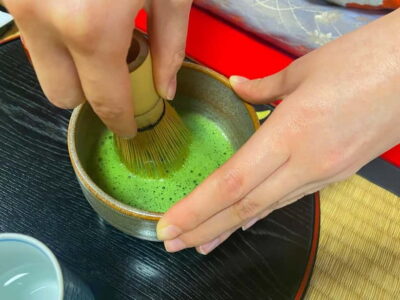
You’ll also have a hands-on moment. You’ll whisk your own bowl of matcha, then enjoy it together with traditional sweet. This is the difference between watching and participating, you are not just observing etiquette, you’re doing the key motion yourself.
I like how the program stays practical. It gives you the why behind the ritual, then gives you the action. That combination helps you understand what you’re tasting instead of just collecting photos.
The matcha itself is a major selling point. The experience highlights premium rare matcha, described as something you likely haven’t tasted elsewhere. In practical terms, that usually means smoother flavor and better balance, so the sweetness and umami feel more natural and less harsh.
Kyoto sweets and matcha pairing that actually makes sense
The sweet is not an afterthought here. You get Kyoto sweets paired with the matcha, so you experience the ceremony as a sequence rather than two separate tastings.
I love this pairing approach because matcha is often bitter. Kyoto sweets can be delicate and gently sweet, which helps you notice the matcha’s character without fighting it. If you usually drink matcha and think it tastes too grassy or too sharp, this kind of pairing can reset your expectations quickly.
There’s also a comfort factor. You whisk your matcha, then you eat something traditional in the same calm pace. That helps your brain stay in the ceremony mode rather than switching to hungry or rushed.
The haori touch: why dressing like a local matters
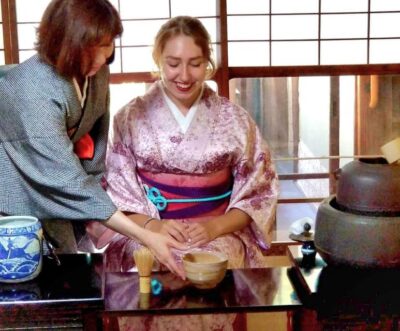
You’ll wear a traditional haori, a kimono-style jacket, during the tea ceremony segment. It might sound like a costume thing, but in this context it works differently because it changes your posture and your sense of ceremony.
When you’re dressed for the moment, you are more likely to behave like the room expects. You also feel the tradition more directly, not as a lecture. It’s a small detail, but it’s one of those touches that makes the experience feel deliberate.
This is also why I think the experience works especially well for people who love cultural details. You’re not only tasting Kyoto, you’re stepping into the visual and behavioral cues that go with it.
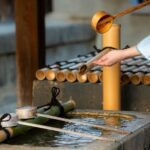
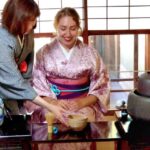
More bowls, poured the traditional way
Price and value: what you get for $133
At $133 per person, this is not a casual snack stop. You are paying for a full cultural package: master-chef sushi, a guided tea ceremony with utensil and culture explanations, a quiet Edo-era style setting with garden views, rare matcha, traditional sweets, and the haori outfit.
The value logic is simple. If you tried to piece this together yourself, you’d likely spend money on at least one restaurant meal and another separate paid tea ceremony experience. Here, both are bundled into one timed session in the museum setting.
The other part of value is the quality of the key ingredients and instructions. The program specifically calls out premium rare matcha and a chef with years of training, and the ceremony is guided rather than self-directed. For many people, that guidance is the difference between understanding tea ceremony basics and just drinking matcha.
One more thing: the matcha whisking plus pairing gives you a repeatable memory. You can’t recreate the exact room and garden view at home, but you can remember how the flavor changes when you whisk properly and sip slowly.
Who should book this Kyoto sushi and tea ceremony combo
This works best for you if you want a cultural experience that is hands-on, not just observational. If you enjoy food craft, you’ll like the sushi portion because it’s prepared by a master chef and served in the context of the program. If you love tea culture, you’ll appreciate the explanation of chanoyu utensils and the chance to whisk matcha yourself.
It’s also a good fit for couples and small groups who want something quieter than a typical city walk. The basement tea house setup and serene silence style make it feel like a reset button in the middle of a busy Kyoto itinerary.
But be honest about dietary needs. It is not suitable for vegans or vegetarians. And since sushi is a core part of the program, you should only consider it if you eat seafood and other non-vegetarian foods comfortably.
Age also matters. It’s not suitable for children under 10, and it is not suitable for people over 95, so plan around that.
Before you go: practical tips that help the experience land
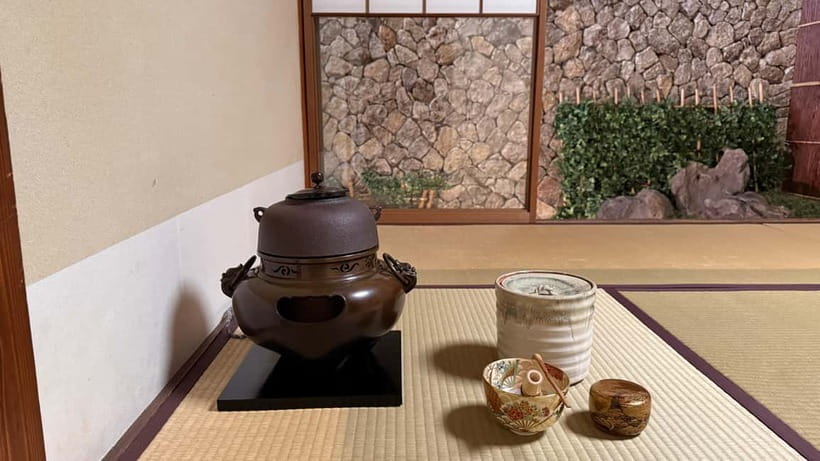
Since the ceremony is guided and includes hands-on whisking, be ready to slow down your pace. Wear comfortable clothing that still works with the haori dressing process, since you’ll be moving from the sushi area into the tea house room.
If you have allergies, inform the provider in advance. The program asks you to share allergy information ahead of time, which is the responsible move because sweets and matcha ingredients can vary.
Language support is available in English and Japanese, which helps you enjoy the explanation portion. If your Japanese is basic, the English option should cover what you need since the key instructions are part of the guided ceremony.
Timing also affects your stomach. The 11:00 option serves sushi at the end, while the 13:30 option serves sushi at the beginning. Pick the session that matches your usual meal rhythm.
Should you book it?
Book this if you want a Kyoto experience that blends two signature rituals: chef-made sushi and guided chanoyu with rare matcha. The setting is unusually calm for something tied to food, and the hands-on matcha whisking is the kind of detail that makes the memory stick.
Skip it if you need vegan or vegetarian food options, or if you’re traveling with kids under 10, or if age limits are a concern. Also, consider the session timing, choose 13:30 if you prefer sushi first, choose 11:00 if you want the tea to start and sushi to finish.
If you’re the type of traveler who likes craft, quiet moments, and cultural explanations you can actually use, this is a strong choice for Kyoto.
FAQ
Where is the experience located?
It starts at the sushi restaurant sushi Shin in the Museum inside The Museum of Kyoto, and it ends back at the same meeting point.
What time sessions are available?
There are two sessions: 11:00 and 13:30.
When is the sushi served in each session?
For the 11:00 session, sushi is served at the end. For the 13:30 session, sushi is served at the beginning.
What is included in the tea ceremony?
You get a haori to wear, an introduction to traditional Japanese tea utensils, a brief explanation of the history and cultural origins of chanoyu, viewing a miniature garden, and kyoto sweets with the finest matcha.
What languages are offered?
The experience is available in English and Japanese.
Who is the experience not suitable for?
It is not suitable for children under 10 years, vegans, vegetarians, and people over 95 years.
What should I do if I have allergies?
If you have any allergies, you should inform the provider in advance.
Kyoto Museums

New This Season
- Koyasan Day Trip by Private Car from Kyoto
- Old Port Town and Ultimate Sake Tasting Private Tour From Kyoto
- Kyoto’s Timeless Charm: 3hr Exploration of History and Peace
- Kyoto: 5 Types of Sushi Making
- Sacred Peak & Ancient Paths: Kurama-Kibune Hiking Experience
- Kyoto: Exclusive ZEN practice at Manpukuji temple in Uji
- Kyoto: Private Seasonal Aroma Yoga Class
- Traversing Kyoto’s Scenic West – Arashiyama to Kinkakuji
Tea Ceremonies, compared.
Tea Ceremony in a Traditional Tea House in Kiyomizu
Read our review →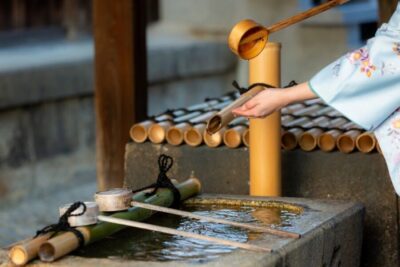
Kimono Tea Ceremony at Kyoto Maikoya, NISHIKI
Read our review →
Tea Ceremony in 100-year-old Kyo-Machiya Townhouse
Read our review →
Also filed under