Reviewed · FUSHIMI INARI SHRINE WALKS
Kyoto Morning Highlights Tour: Fushimi, Kiyomizu-dera & Gion
Morning light turns Kyoto into a slow postcard. I love how this guided morning gets you into Fushimi Inari and up at Kiyomizu-dera before the big crowds, and I love the way the guide, often Ikki, teaches how to act at Shinto shrines and Buddhist temples. One real drawback to plan for: this is a walking tour using public transport, so you need comfortable shoes and you cannot be late to the meeting time, since late arrivals miss the tour with no refund.
In about half a day, you hit Kyoto’s headline sights in a smart order, plus you get practical context that makes the places feel less like checkboxes. The tour also includes a sample of Kyoto traditional sweets, free Wi-Fi, and professional photos taken during the walk.
If you want a stress-free morning with minimal waiting, this works well. If you need wheelchair access or you rely on strollers, it is not the right fit, since those are not allowed.
In This Review
- Key reasons this morning route works so well
- Why the early morning matters at Fushimi Inari and Kiyomizu-dera
- Kyoto Station meetup: the easiest way to not miss the start
- Fushimi Inari torii gates: what to do, where to look, how to photograph
- Kiyomizu-dera: temple views, city scale, and guided context
- Kasuga Grand Shrine: the Shinto prestige you get time to notice
- Gion before it crowds up: walking the old streets in softer light
- The guide matters more than you think, especially with Ikki
- Photos, sweets, and what is actually included
- Walking, timing, and group size: the practical side of enjoying Kyoto
- Price and value: what you are really paying for at $81
- Who should book this Kyoto Morning Highlights Tour
- Should you book? My practical decision checklist
- FAQ
- Is this tour private or small group?
- How long is the Kyoto morning highlights experience?
- What are the main stops during the tour?
- Where does the tour start, and what should I look for?
- What entrance fees and other costs are included?
- What is not included in the price?
- Do I need to pay for Kiyomizu-dera separately?
- Is the tour suitable for wheelchair users?
- What if I am late for the meeting time?
Key reasons this morning route works so well
Early start to avoid the worst crowd crush
A guide who explains how Shinto and Buddhism work in everyday terms
Photo-focused walking route at Fushimi Inari and Kiyomizu-dera
Gion in the quiet hours, before it turns into a daytime spectacle
Kiyomizu-dera entrance fee included, plus a sweet tasting
You get a private or small-group experience, not a cattle-truck pace
Why the early morning matters at Fushimi Inari and Kiyomizu-dera
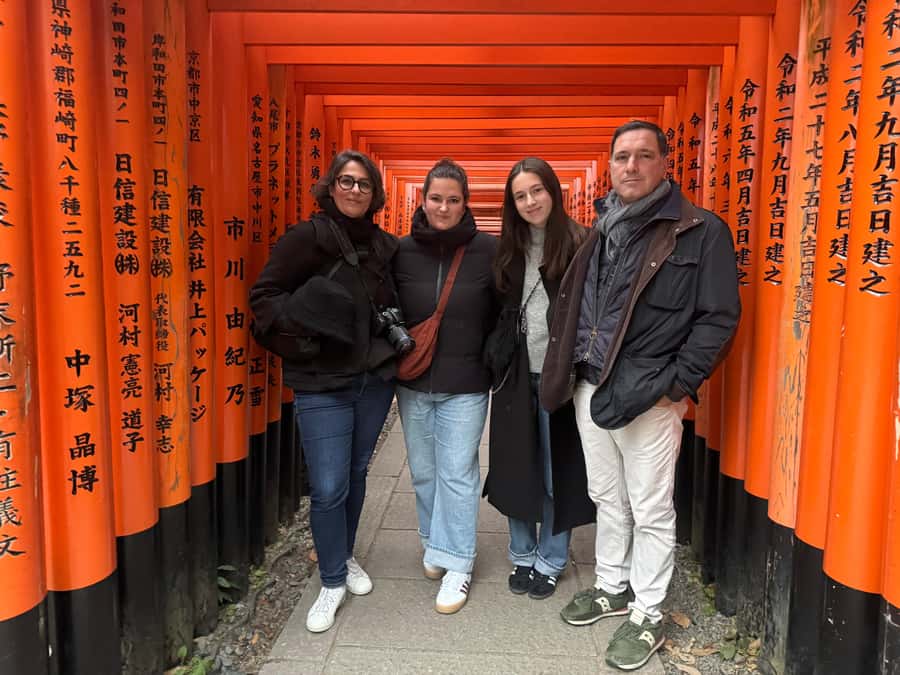
Kyoto can get crowded fast, especially around the top shrines and temple overlooks. This tour is built around a simple idea, see the big icons while the morning air is still cool and the foot traffic is lower. That changes the whole feel. Fushimi Inari turns from a photo bottleneck into a calm walk through thousands of torii gates.
You also benefit from the way the guide times stops and points out what to look for. You are not just moving from one famous gate to another. You learn how to read the spaces, what people are doing, and what matters there.
The second big payoff is that your feet keep moving at a reasonable pace, because it is only half a day. You are not stuck on a long day schedule, but you still get multiple major sights in one outing.
Kyoto Station meetup: the easiest way to not miss the start
The morning begins at the central exit of Kyoto Station, with Kyoto Tower visible nearby. Your guide waits by the yellow map near the central exit, next to the 7-Eleven, holding an OTAKU hopper sign.
This might sound minor, but mornings go sideways when meeting points are vague. The tour notes that if you are late for the meeting time, you cannot join and you will not receive a refund. So I recommend building in a safety buffer, even if you think you are close.
From there, the group uses public transportation and then walks a lot. The tour includes free Wi-Fi, which can help you stay oriented while you are moving between areas.
The wooden stage above the hillside
- Kyoto: Tea Ceremony in a Traditional Tea House in Kiyomizu
★ 4.9 · 3,519 reviews - Kyoto: Nijo Castle, Kiyomizu & Fushimi Inari Guided Tour
★ 4.7 · 700 reviews - Kyoto: Nijo, Kinkaku-ji, Arashiyama, Kiyomizu & Fushimi Inari
★ 5.0 · 699 reviews - Kyoto Tea Ceremony & Kiyomizu-dera Temple Walking Tour
★ 5.0 · 115 reviews
Fushimi Inari torii gates: what to do, where to look, how to photograph

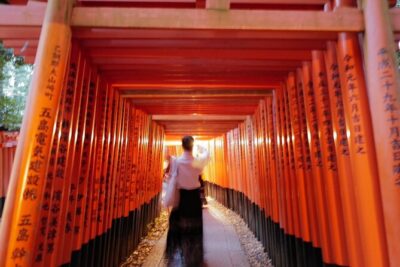
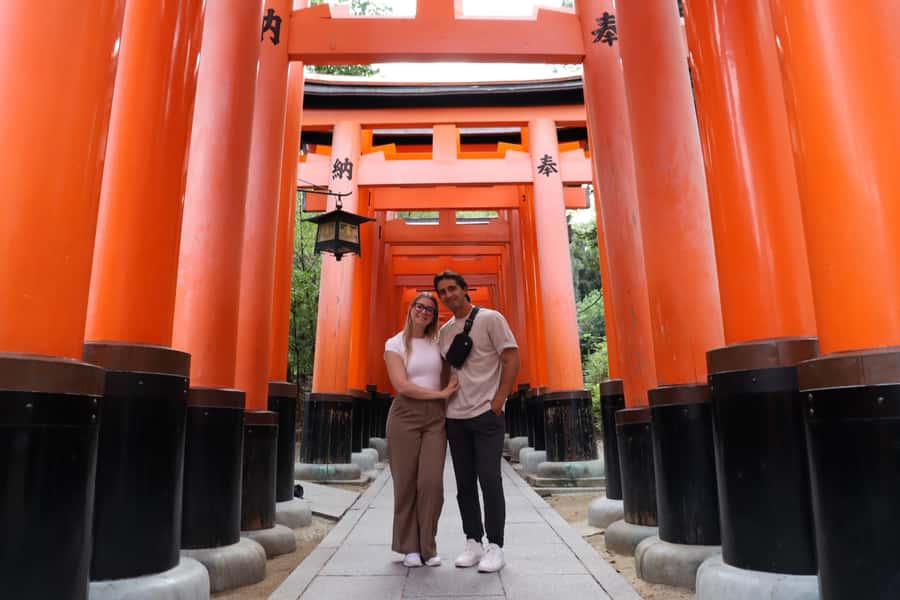
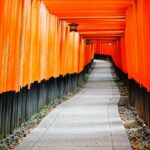
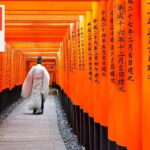
Most people know Fushimi Inari Shrine for the torii gates. The real magic is how the gates shape your walk. Each segment feels slightly different, and that is why being there early helps. You can actually see the path and notice details instead of being pushed along.
On this tour, you walk through the thousands of torii gates in the quieter morning light. The guide also shares practical guidance on temple behavior. That matters because Shinto spaces have their own rhythms. You will likely learn what to do at the shrine, what gestures are for, and how to approach sacred areas without turning it into a sightseeing free-for-all.
Photography is a major part of the experience. You get guidance on good angles and photo spots, and the tour includes professional photos taken during the morning. That is a big value add. Trying to do selfies in a crush is frustrating. Having someone help you frame shots while you focus on actually seeing the shrine is far more relaxing.
One more consideration: this is a walking experience with a moderate amount of walking. Even if you do not do the longest routes, plan for time on your feet and bring water if you need it, since meals and drinks are not included.
Kiyomizu-dera: temple views, city scale, and guided context
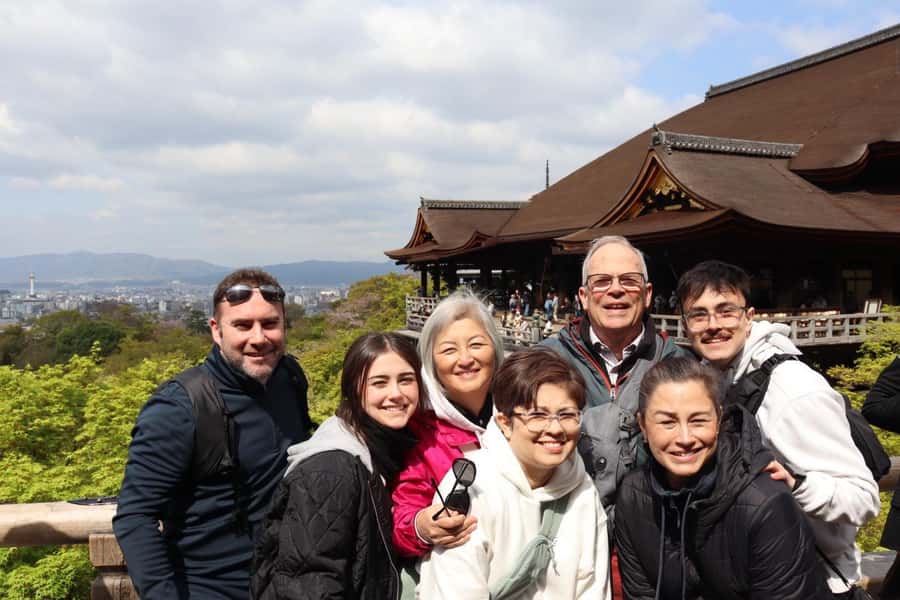
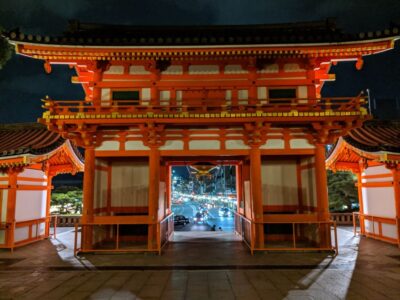
Next comes Kiyomizu-dera, one of Kyoto’s best-known temple names. The highlight here is the viewpoint, you get sweeping views of the city, and you can feel why people come back for this spot again and again.
This tour includes the Kiyomizu-dera entrance fee (500 yen), so you are not stopping to handle tickets mid-morning. It is one less logistics task while you are trying to keep the flow.
What makes this stop more satisfying than a quick walk-by is the guide’s explanations. You will learn differences between traditions and how people understand the gods and practices in everyday terms. This matters because the architecture and rituals can look familiar at first glance, but the meaning takes a guide to make it click.
You also get help with how to move through the space at a respectful pace. That makes the whole experience feel smoother, and it helps you enjoy the big views without feeling like you are intruding.
Kasuga Grand Shrine: the Shinto prestige you get time to notice
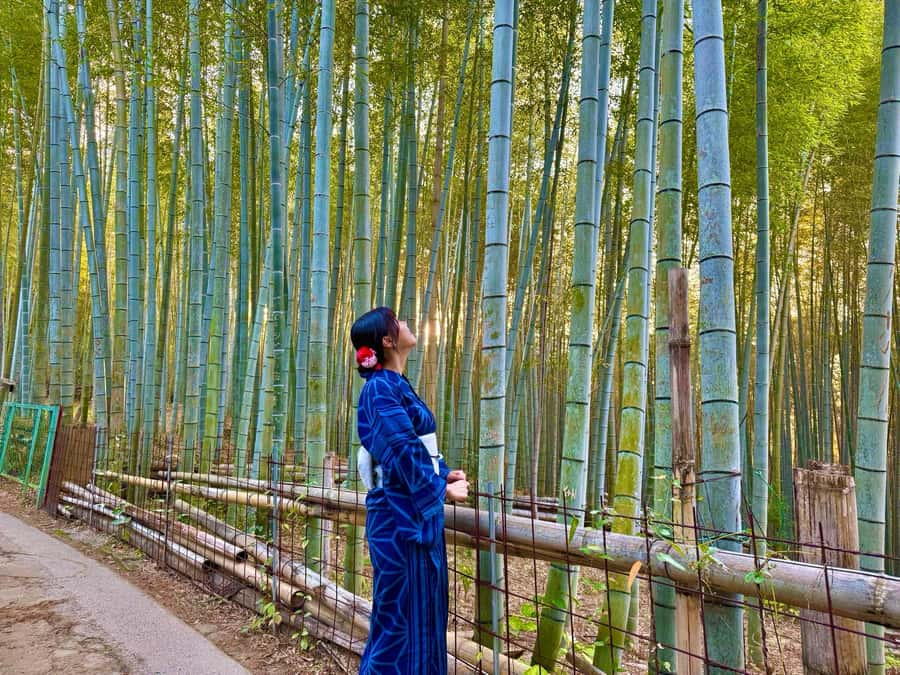
The tour also includes a look at Kasuga Grand Shrine, described as a prestigious Shinto site. This is the kind of stop that can be overlooked if you only chase the most obvious postcards.
What you gain here is time for details. The morning format keeps you from feeling rushed. And with a guide explaining what to notice, you are more likely to catch the cues that tell you what is important in this shrine setting.
If you like Japanese culture beyond the most famous photos, this is where you tend to get the most payoff. It feels less like a checklist and more like a guided conversation with the place.
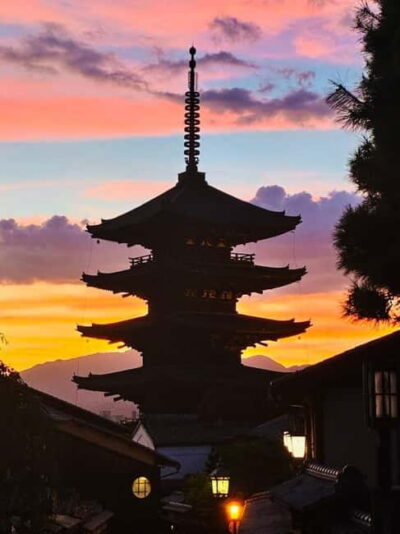
Gion before it crowds up: walking the old streets in softer light
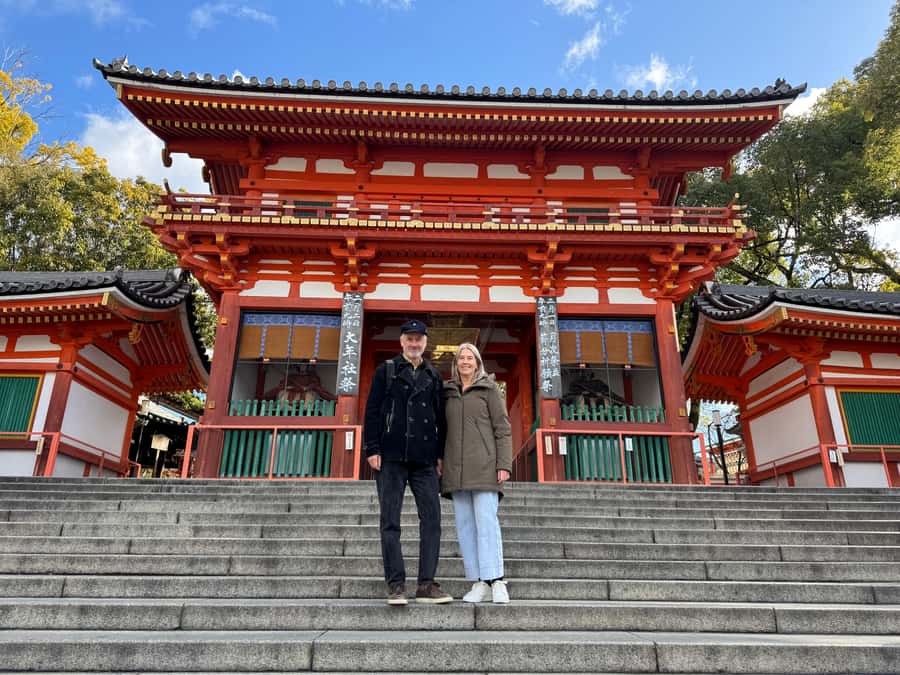
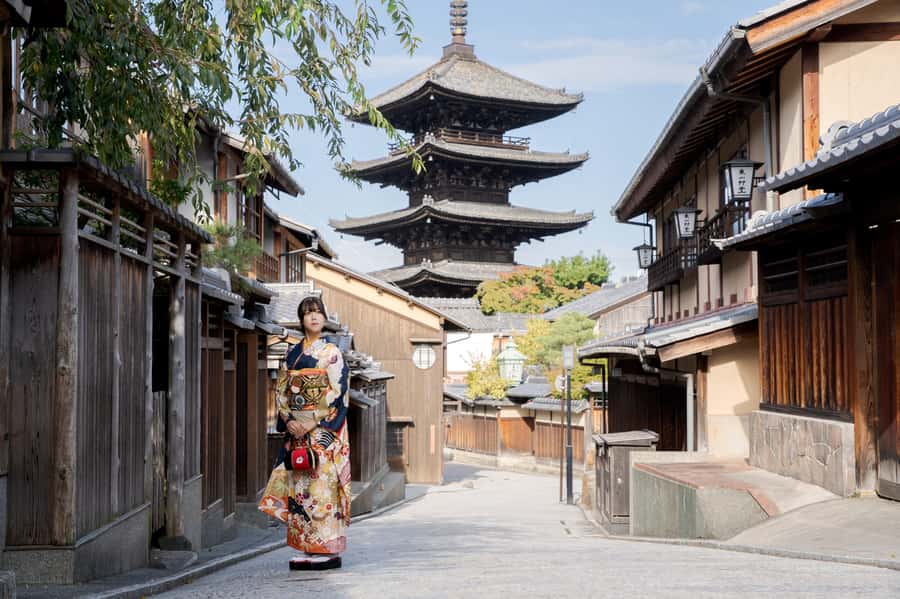
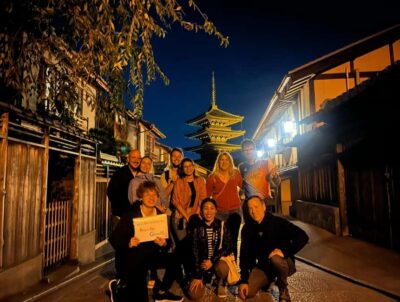
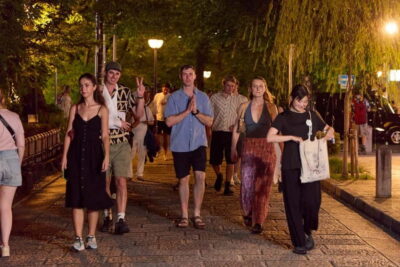
Then you shift to Gion, Kyoto’s most historic and enchanting district. Timing is everything here. In the morning, the streets feel more human-scaled, and you can actually take in the lanes and building textures without fighting a wave of tour groups.
Your guide leads a walk through Gion’s streets, and you get chances to pause for photos. The vibe is quieter and more atmospheric in the early hours, and you also get a better sense of how the district works at street level.
This is a good final stop because it is less “ritual intensity” and more stroll and atmosphere. If the morning started to feel like sensory overload from all the shrine visuals, Gion gives you a calmer rhythm to close out the half-day.
Still climbing through the orange gates?

The guide matters more than you think, especially with Ikki
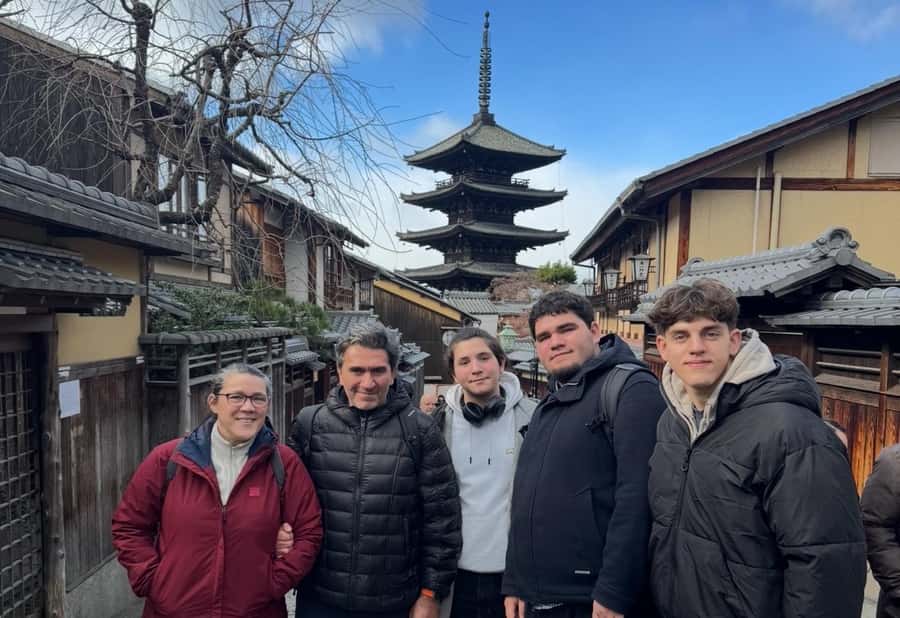
The strongest praise on this tour centers on the guide experience. In particular, Ikki comes up again and again for clear English, a professional approach, and a warm, patient style.
Here is what that usually means for you in practical terms:
- You get explanations you can actually use, not just facts.
- You learn how to behave at shrines and temples, which makes photos and wandering feel respectful.
- You get answers to questions as you go, instead of the usual quick walk-and-hope format.
Ikki is also noted for taking time with photo spots and for photographing throughout the morning. So you are not left to figure out camera angles while you are trying to keep up.
Even if you are an experienced traveler, these cultural basics can change how you feel in Kyoto. A shrine can be visually stunning and still feel confusing. A good guide turns that confusion into confidence.
Photos, sweets, and what is actually included
This tour is not only about walking to famous names. It packages comfort and memory-making.
What you get included:
- A passionate local English-speaking guide
- Kiyomizu-dera entrance fees (500 yen)
- A sample of Kyoto traditional sweets
- Professional photos taken during the tour
- Free Wi-Fi
What you should budget for:
- Public transportation fare, about 400 yen
- Meals and drinks (not included)
- Personal expenses
The included sweet tasting is a small thing that can still improve the experience. You get a sense of Kyoto flavors without committing to a full meal break that could throw off the half-day timing.
And the professional photo piece is a real value boost. If you care about having good images, it saves time and reduces stress. If you do not, you can still enjoy the walk knowing you will get a record of the important moments.
Walking, timing, and group size: the practical side of enjoying Kyoto
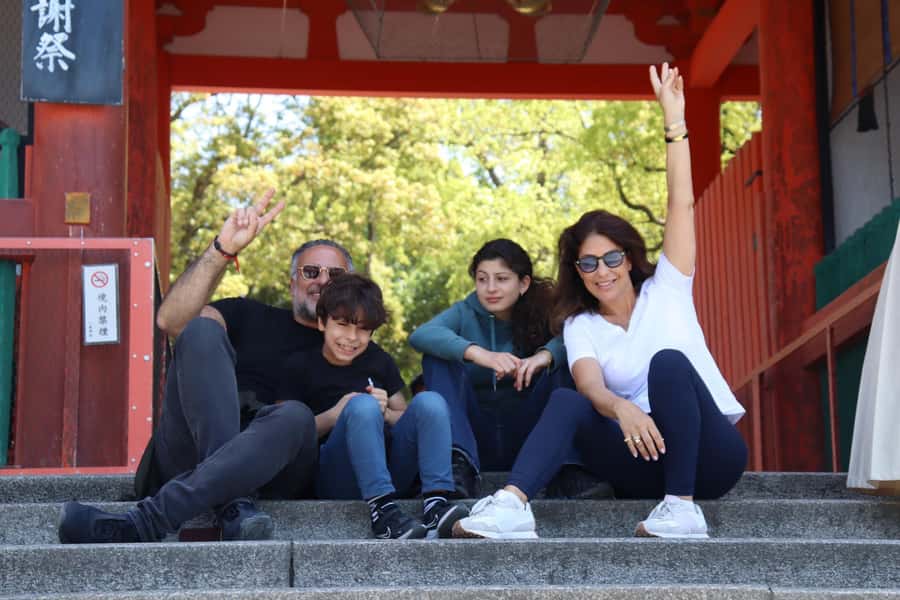
This is a walking experience. It uses public transportation, but you should expect to spend a lot of time on foot. The walking amount is described as moderate, but “moderate” still means you should plan for your comfort.
I strongly suggest:
- Wear comfortable walking shoes
- Arrive early enough to check in without rushing
- Keep an eye on the meeting time, because late arrival means you miss the tour
The tour is also listed as not suitable for wheelchair users, and baby strollers or baby carriages are not allowed. If any of those affect your plans, you will need a different tour format.
On timing, it is designed to be efficient: you see the main highlights in about half a day, which is ideal if you only have limited hours in Kyoto.
Price and value: what you are really paying for at $81
At about $81 per person, you are not paying for a long day or a fancy transport upgrade. You are paying for three things that add up quickly in value.
First, you pay for a local English-speaking guide who turns the sights into something you can understand. That is a big difference at shrines and temples where routines and symbols matter.
Second, you get included items that would otherwise cost extra time or money, especially the Kiyomizu-dera entrance fee and a sweet tasting. Add in professional photos, and the value starts to make sense if you like capturing Kyoto well.
Third, you pay for the early timing, which is the hidden cost saver. If you have ever tried to enjoy Fushimi Inari during peak hours, you know the experience can become more about traffic than about the torii gates. This tour is built to reduce that problem.
You still need to budget for public transport (about 400 yen) and your own meals and drinks. But the big inclusions help you start the day without constantly counting costs.
Who should book this Kyoto Morning Highlights Tour
This tour is a great fit if you:
- Want to see Fushimi Inari, Kiyomizu-dera, and Gion in a half-day plan
- Like having a guide explain shrine and temple behavior, not just point at buildings
- Care about photos and appreciate having a photographer-style guide take pictures
- Prefer a morning rhythm and can handle early starts
It is not ideal if you:
- Need wheelchair access
- Rely on baby strollers or carriages
- Hate walking or you do not want to be timed to a meeting point
If your Kyoto days are packed, this is exactly the kind of outing that makes limited time feel intentional.
Should you book? My practical decision checklist
Book it if you want a crowd-sparing morning, a guide who helps you act correctly at shrines and temples, and a manageable half-day itinerary that still hits Kyoto’s top sights.
Skip it if you plan to wander slowly with no schedule, or if you know you will struggle with a walking tour and early departure. Also skip if you cannot commit to the meeting time, because the tour is strict about late arrivals.
If you can check those boxes, this morning route is a strong way to experience Kyoto with less stress and more meaning.
FAQ
Is this tour private or small group?
It is described as a Private/Small Group Morning Tour, and it runs in English.
How long is the Kyoto morning highlights experience?
It is designed as a half-day tour, focusing on the main sights in the morning.
What are the main stops during the tour?
The tour highlights Fushimi Inari, Kiyomizu-dera, and a walk through Gion. Kasuga Grand Shrine is also listed as one of the highlights.
Where does the tour start, and what should I look for?
It starts at the central exit of Kyoto Station, near Kyoto Tower, where the guide waits by the yellow map next to the 7-Eleven, holding an OTAKU hopper logo sign.
What entrance fees and other costs are included?
The tour includes the entrance fee for Kiyomizu-dera Temple (500 yen). It also includes a sample of Kyoto traditional sweets, professional photos taken during the tour, and free Wi-Fi.
What is not included in the price?
Public transportation fare is not included (about 400 yen), and meals and drinks are also not included, along with personal expenses.
Do I need to pay for Kiyomizu-dera separately?
No, the Kiyomizu-dera entrance fee (500 yen) is included.
Is the tour suitable for wheelchair users?
No, it is listed as not suitable for wheelchair users.
What if I am late for the meeting time?
If you are late for the meeting time, you will not be able to join the tour, and you will not receive a refund.
Early Morning in Kyoto
Gion Geisha Quarter Walks
New This Season
- Koyasan Day Trip by Private Car from Kyoto
- Old Port Town and Ultimate Sake Tasting Private Tour From Kyoto
- Kyoto’s Timeless Charm: 3hr Exploration of History and Peace
- Kyoto: 5 Types of Sushi Making
- Sacred Peak & Ancient Paths: Kurama-Kibune Hiking Experience
- Kyoto: Exclusive ZEN practice at Manpukuji temple in Uji
- Kyoto: Private Seasonal Aroma Yoga Class
- Traversing Kyoto’s Scenic West – Arashiyama to Kinkakuji
Fushimi Inari Shrine Walks, compared.
Fushimi Inari, Kinkakuji, Bamboo Grove 1 Day Bus Tour
Read our review →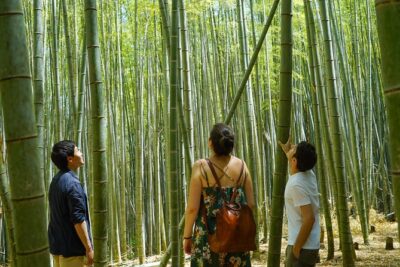
Fushimi Inari Hidden Hiking Tour (Private Option Available)
Read our review →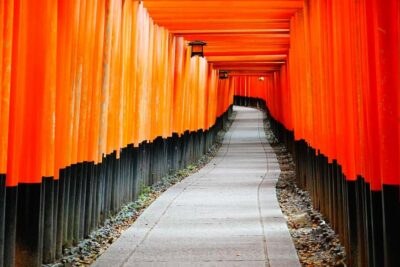
Kinkakuji,Arashiyama,FushimiInariShrine,NaraPark
Read our review →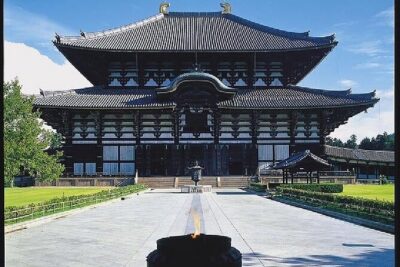
Nara, Fushimi Inari Taisha, Arashiyama Bus Tour
Read our review →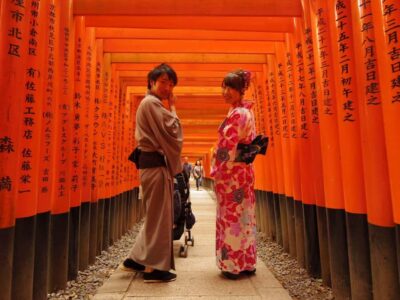
Arashiyama, Nara & Fushimi Inari Shrine w/Lunch
Read our review →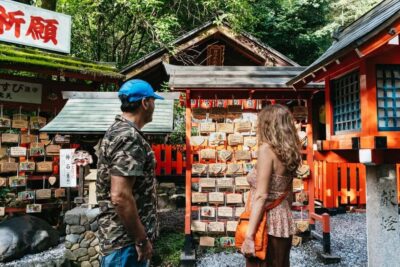
Nijo Castle, Kiyomizu & Fushimi Inari Guided Tour
Read our review →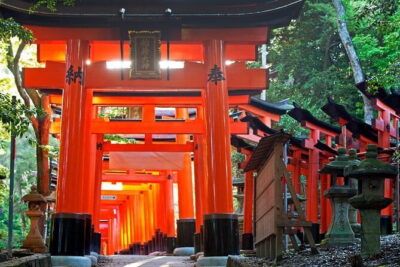
Nijo, Kinkaku-ji, Arashiyama, Kiyomizu & Fushimi Inari
Read our review →