
Reviewed · ARTISAN CRAFT WORKSHOPS
Kyoto: Mindfulness Origami Workshop, Limited 6/8–6/10
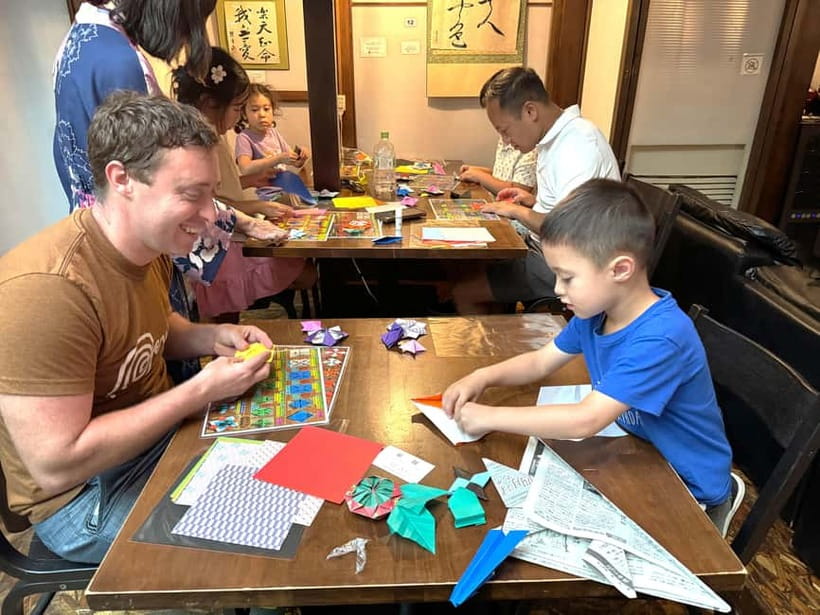
Paper folding, but make it calming. In Kyoto, this Mindfulness Origami Workshop at GojoParadiso turns traditional folding into a focused, relaxing break. You learn simple techniques while the rhythm of creasing helps you slow down.
I especially like the professional instructor guidance. The class is paced for both beginners and people who already fold, and you can ask questions when a step gets tricky. You also get a real cultural feel for Kyoto through traditional paper designs and classic shapes like cranes.
One consideration: this is a 1-hour workshop, so you will not leave with an advanced origami model library. If you are chasing complex, multi-stage structures, plan to treat this as a strong start and then practice more on your own.
In This Review
- Key things to know before you fold
- A one-hour Kyoto reset by the Takase River
- Where GojoParadiso is, and how to get there without stress
- The workshop flow: what happens during your one hour
- What you actually learn: cranes, creases, and repeatable skills
- Paper choice in Kyoto: bright color or Japanese patterns
- The group size (up to 10) and why it matters
- The vibe: relaxing, patient instruction, and hands-on focus
- Price and value: is $29 fair for an hour in Kyoto?
- When this workshop fits best in your Kyoto plans
- What to bring, what to expect, and how to get the most out of the hour
- Should you book this Kyoto mindfulness origami workshop?
- FAQ
- How long is the Kyoto Mindfulness Origami Workshop?
- Where is the meeting point?
- What is included in the workshop fee?
- Is the workshop suitable for beginners?
- What language will the instructor use?
- How many people are in the group?
- Can I choose the paper used for my origami?
- Is the workshop wheelchair accessible?
- Are there cancellation options?
- What is the best way to book if my plans might change?
Key things to know before you fold
- Mindfulness through motion: You focus on the rhythm of folding to settle your attention.
- Small group (up to 10): Easier help when you get stuck on a crease or a direction.
- Classic starts like cranes: You get traditional technique foundations, not random crafts.
- Pick your paper style: Choose between bright colored sheets or Japanese-patterned paper.
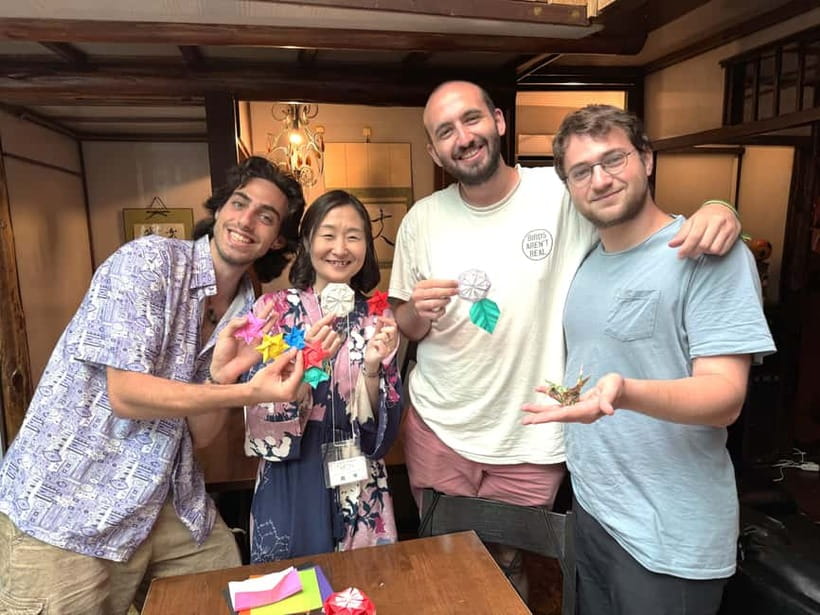
- A souvenir plus a group photo: You take home your work and get a commemorative picture.
A one-hour Kyoto reset by the Takase River
Kyoto can be a sensory workout. Even on a good day, temples, crowds, and constant walking add up. This workshop is built as a pause, not another stop to check off.
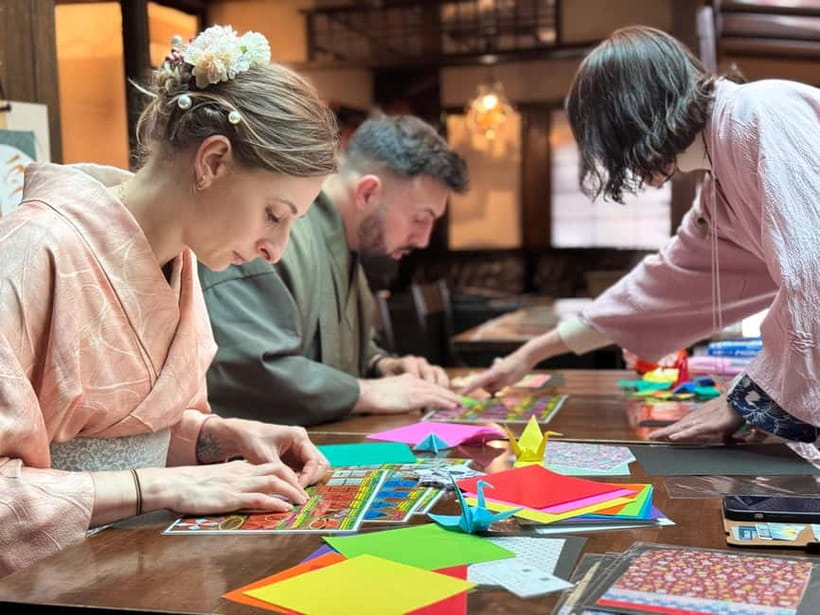
The core idea is simple: origami becomes a mindful practice. Instead of rushing toward a finished model, you slow down and pay attention to each fold, each alignment, and each crease. That shift matters, because paper crafts reward patience, and the class is designed around that.
I also like the way this feels family-friendly without being watered down. You can bring kids, and adults can still find it satisfying and calming. In other words, it works as a shared activity with a real sense of Japanese cultural craft.
Where GojoParadiso is, and how to get there without stress
You meet at Gojo Paradiso, along the Takase River on Kiyamachi Street. It is an easy walk from public transit, so you do not have to build your whole day around complicated transfers.
Here is the useful way to think about the location:
- 5-minute walk from Keihan Kiyomizu Gojo Station
- 10-minute walk from Keihan Shichijo Station
- about 386 meters from Kiyomizu Gojo Station
That river-adjacent setting also helps the mood. Before you fold, you can take a quiet moment outside, get your bearings, and let the pace of Kyoto catch up to you.
Sit in silence at a Zen temple
- Kyoto Zen Meditation & Garden Tour at a Zen Temple with Lunch
★ 5.0 · 441 reviews - Kyoto: Zen Experience in a Hidden Temple
★ 5.0 · 437 reviews - Kyoto: Tea Ceremony Meditation – Make Matcha with Tea Master
★ 4.8 · 406 reviews - Kyoto: Zen Meditation at a Private Temple with a Monk
★ 5.0 · 202 reviews
The workshop flow: what happens during your one hour
The format is straightforward, which is exactly what you want when your goal is relaxation. You will not be thrown into a long lecture or a complicated project you cannot finish.
Here is how the hour typically feels, step by step:
1) Welcome and intro to basic techniques
You start with foundational folding methods. The instructor shows how to handle the paper, how to line up edges, and how to make clean creases.
2) Traditional designs with practical guidance
You work through classic shapes, including cranes. This is where technique becomes confidence. Even if your first creases are not perfect, you learn what to adjust: pressure, direction, and alignment.
3) Mindfulness practice through the fold rhythm
This part is not just a slogan. The class emphasizes focusing on the motion of folding. Concentration grows naturally because the paper keeps you “in the moment.” You are not thinking about the next train or the next landmark.
4) Choose your paper, then make it yours
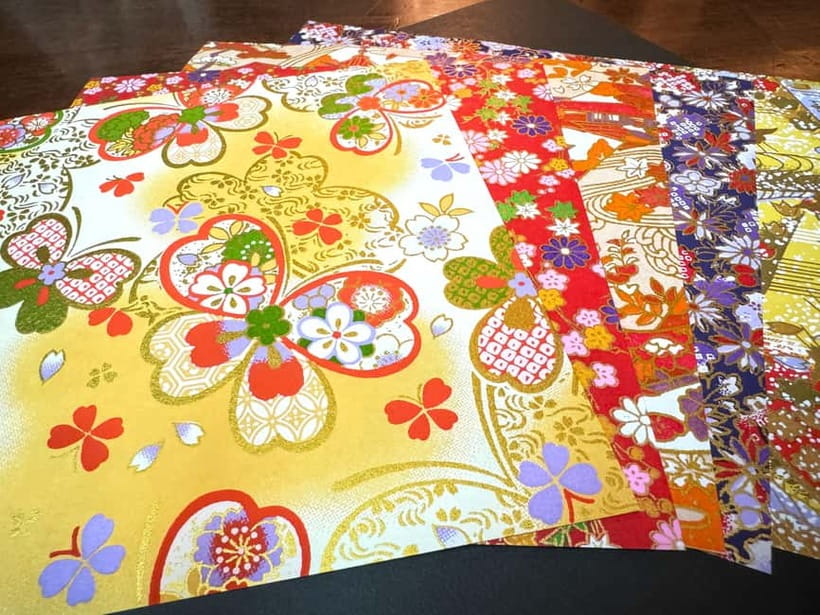
You can select from bright colored paper or traditional Japanese-designed paper. That choice changes the look of the final piece, so it feels personal instead of generic.
5) Finish, display, and celebrate
Once your origami is complete, you can display it and interact with what you made. Then you get a commemorative group photo, which is a nice touch because it turns a quiet craft session into a shared memory.
6) Take home your creation
You leave with a unique origami piece as a souvenir. Because the class includes supplies, you do not have to bring anything except yourself and your curiosity.
The biggest advantage of this flow is pacing. You get guidance early, you stay focused through the middle, and you end with something you can physically keep.
What you actually learn: cranes, creases, and repeatable skills
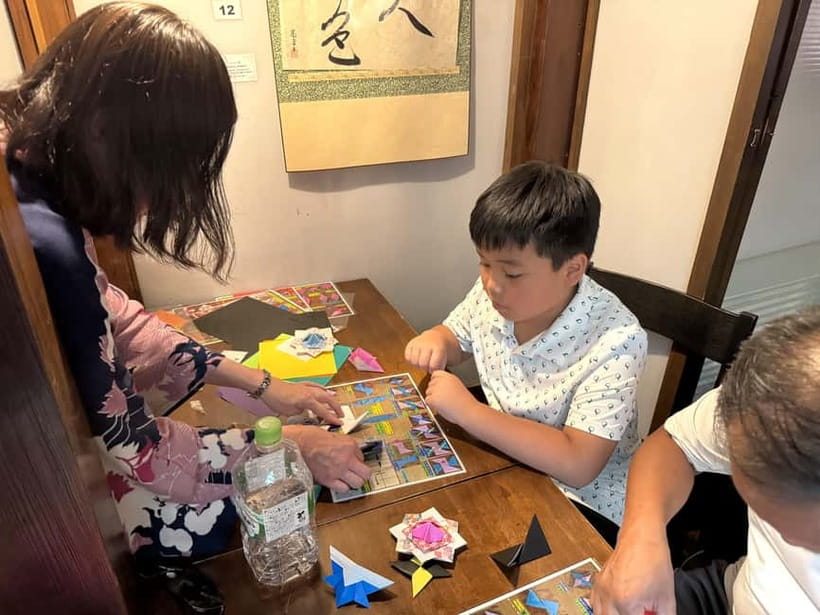
I like that the class targets basics that transfer to new projects. You are not only copying a model; you are learning how paper behaves and how creasing changes everything.
For example, cranes are not random decor. They teach core origami logic:
- how folds create structure
- how symmetrical directions matter
- how small adjustments prevent major problems later in the model
You also learn the mindset behind the craft. The workshop frames origami meditation as concentration through repetition. When you repeat the same kind of folding action with attention, your hands and brain start working in sync. That is the part that makes it feel calming, not just crafty.
Also, do not worry about perfection. The class explicitly leans into process over flawless results. That is a relief if you are not the type who enjoys getting frustrated at small mistakes.
Paper choice in Kyoto: bright color or Japanese patterns
This is a small detail, but it makes the workshop more fun. You can choose:
- bright colored paper, or
- traditional Japanese-designed paper
If you like color, the bright sheets make the finished piece look lively right away. If you prefer a more traditional feel, the Japanese-designed paper adds pattern and texture that look great as a keepsake.
Either way, you are not stuck with whatever the instructor happens to have. You make one creative decision, and it affects the final result you take home.
The group size (up to 10) and why it matters
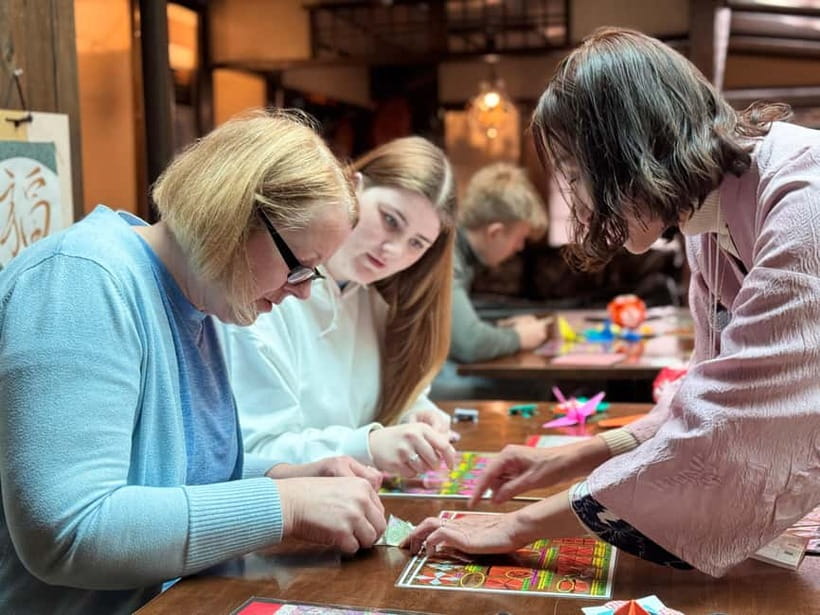
A small class changes the experience. With limited seating, the instructor can help more directly, and you are less likely to feel lost if you miss a step.
This is especially helpful for:
- kids who need clearer, slower demonstrations
- beginners who are still learning how to interpret fold directions
- anyone who gets stuck mid-model and wants a quick reset
Even if you are confident, the small group keeps the room calm. You are not competing with a loud, crowded workshop environment. That quiet is part of why this works as a mindfulness activity.
Make something with a Kyoto craftsman


The vibe: relaxing, patient instruction, and hands-on focus
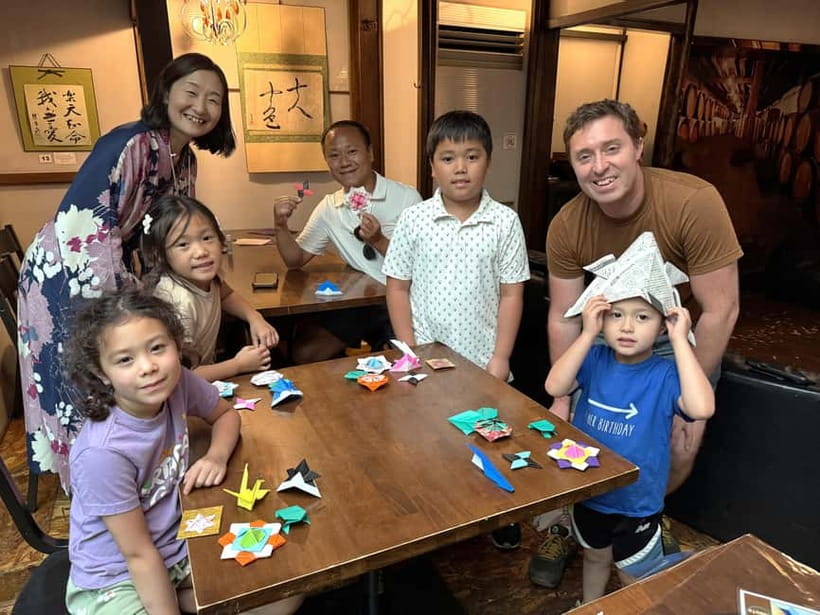
The atmosphere is built around calm and friendliness. The instructor provides clear explanations in English and Japanese, and the pacing supports both learning and relaxation.
What makes this style of teaching valuable is responsiveness. When a fold goes off track, you do not just watch and hope. You get help to correct the issue so you can keep going. That is how you end up leaving with a finished piece instead of a pile of half-folded paper.
It also helps that the lesson is only one hour. A shorter format reduces the chance of boredom, and it makes it easier to fit into a busy Kyoto itinerary. You get a meaningful activity without surrendering a full afternoon.
Price and value: is $29 fair for an hour in Kyoto?
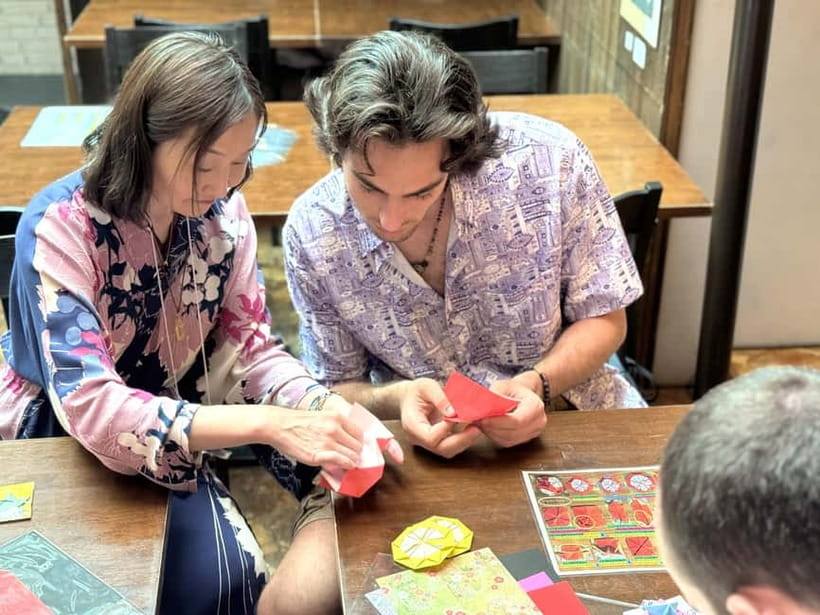
$29 per person for a one-hour class in Kyoto is, in my view, good value for what you receive.
Here is the value math in plain terms:
- You get origami supplies included, so you are not paying extra for materials.
- You get guided instruction from an instructor who can teach in English and Japanese.
- You leave with something tangible, your take-home piece.
- You also get a commemorative group photo, which is a small add-on that makes it feel like a real event.
- The group is small, limited to 10 participants, so your attention and help quality tend to be better.
If you compare this to buying craft supplies and teaching yourself from a diagram, the workshop buys you time and reduces frustration. Origami is one of those arts where a tiny instruction makes the difference between success and giving up. Paying for that direct help makes sense, especially in a city where your time is valuable.
So yes, $29 is not expensive for an organized, guided cultural experience with a keepable outcome.
When this workshop fits best in your Kyoto plans

This is a strong choice if you want one of these outcomes:
- a calm break between temple visits
- a family activity that does not require advanced Japanese
- a low-effort way to try a traditional art form
- a hands-on memory you can bring home, not just photos and snacks
It also works well for couples and solo travelers. If you are traveling alone, a small group setting can feel less isolating than a typical tour. If you are with someone else, folding together gives you something shared that does not depend on speaking perfectly or navigating schedules.
If you are short on time, the one-hour length is a real advantage. If you are long on time, this is still worth doing because it adds variety to the usual Kyoto sightseeing pattern.
What to bring, what to expect, and how to get the most out of the hour
You do not need to bring supplies, since supplies are included. Your main job is to show up ready to fold and pay attention to the steps.
A few practical tips to help you enjoy it:
- Wear comfortable clothes. You will be seated and working with your hands.
- Keep a calm pace. Origami rewards slow movement more than speed.
- If you get stuck, ask. The class is set up for help, and small corrections are often all you need.
- Choose your paper based on your mood. Bright color for playful, Japanese patterns for traditional keepsakes.
The “mindfulness” part works best when you let it. You do not have to meditate formally. Just follow along and notice the process as you fold.
Should you book this Kyoto mindfulness origami workshop?
Yes, you should book it if you want a relaxing, guided craft experience that gives you something real to take home. The combination of a professional instructor, small group size, included supplies, and a take-home piece makes the $29 price feel reasonable, not inflated.
I would also book it if you are traveling with kids or want a break from intense sightseeing. This workshop gives you a quieter kind of cultural activity, and it is easy to fit into a day without draining your energy.
Skip it only if you are specifically looking for long, advanced origami instruction or complicated models. This is a basics-first workshop with a calming focus, so treat it like a strong foundation and enjoy the process rather than demanding a masterclass.
FAQ
How long is the Kyoto Mindfulness Origami Workshop?
The workshop lasts 1 hour.
Where is the meeting point?
You meet at Gojo Paradiso, located along the Takase River on Kiyamachi Street. It is about a 5-minute walk from Keihan Kiyomizu Gojo Station and about a 10-minute walk from Keihan Shichijo Station, around 386 meters from Kiyomizu Gojo Station.
What is included in the workshop fee?
Origami supplies to use during the class are included. You also get a commemorative group photo and take home your origami creations.
Is the workshop suitable for beginners?
Yes. It is designed for everyone, from children to adults, and it covers basic origami techniques.
What language will the instructor use?
The instructor speaks English and Japanese.
How many people are in the group?
The group is small and limited to 10 participants.
Can I choose the paper used for my origami?
Yes. You can choose from bright colored paper or traditional Japanese-designed paper.
Is the workshop wheelchair accessible?
Yes, it is listed as wheelchair accessible.
Are there cancellation options?
Free cancellation is available up to 24 hours in advance for a full refund.
What is the best way to book if my plans might change?
You can reserve now and pay later, which lets you book your spot and pay nothing today.
More Workshops in Kyoto


New This Season
- Koyasan Day Trip by Private Car from Kyoto
- Old Port Town and Ultimate Sake Tasting Private Tour From Kyoto
- Kyoto’s Timeless Charm: 3hr Exploration of History and Peace
- Kyoto: 5 Types of Sushi Making
- Sacred Peak & Ancient Paths: Kurama-Kibune Hiking Experience
- Kyoto: Exclusive ZEN practice at Manpukuji temple in Uji
- Kyoto: Private Seasonal Aroma Yoga Class
- Traversing Kyoto’s Scenic West – Arashiyama to Kinkakuji
Artisan Craft Workshops, compared.

Authentic knife making experience at a blacksmith in Kyoto
Read our review →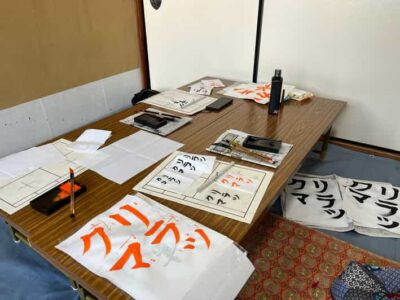
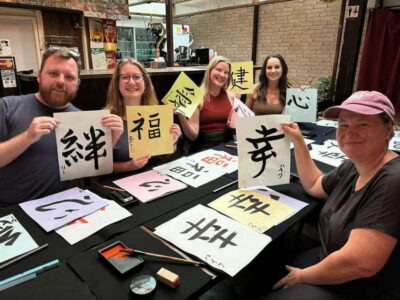
Calligraphy class at Buddhist temple in city center
Read our review →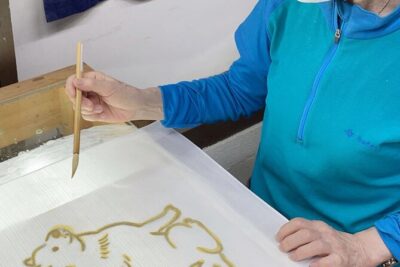
Roketsu dyeing experience: M course Roketsu Dyeing Experience
Read our review →

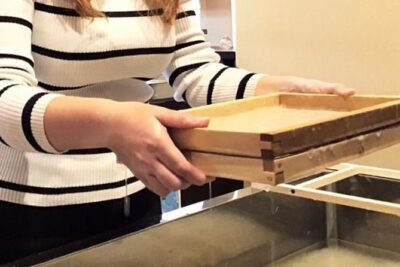
Traditional Japanese Washi Papermaking- Kyoto morning
Read our review →
Also filed under